Soldador de varilla Harbor Freight: configuración, técnica y problemas comunes
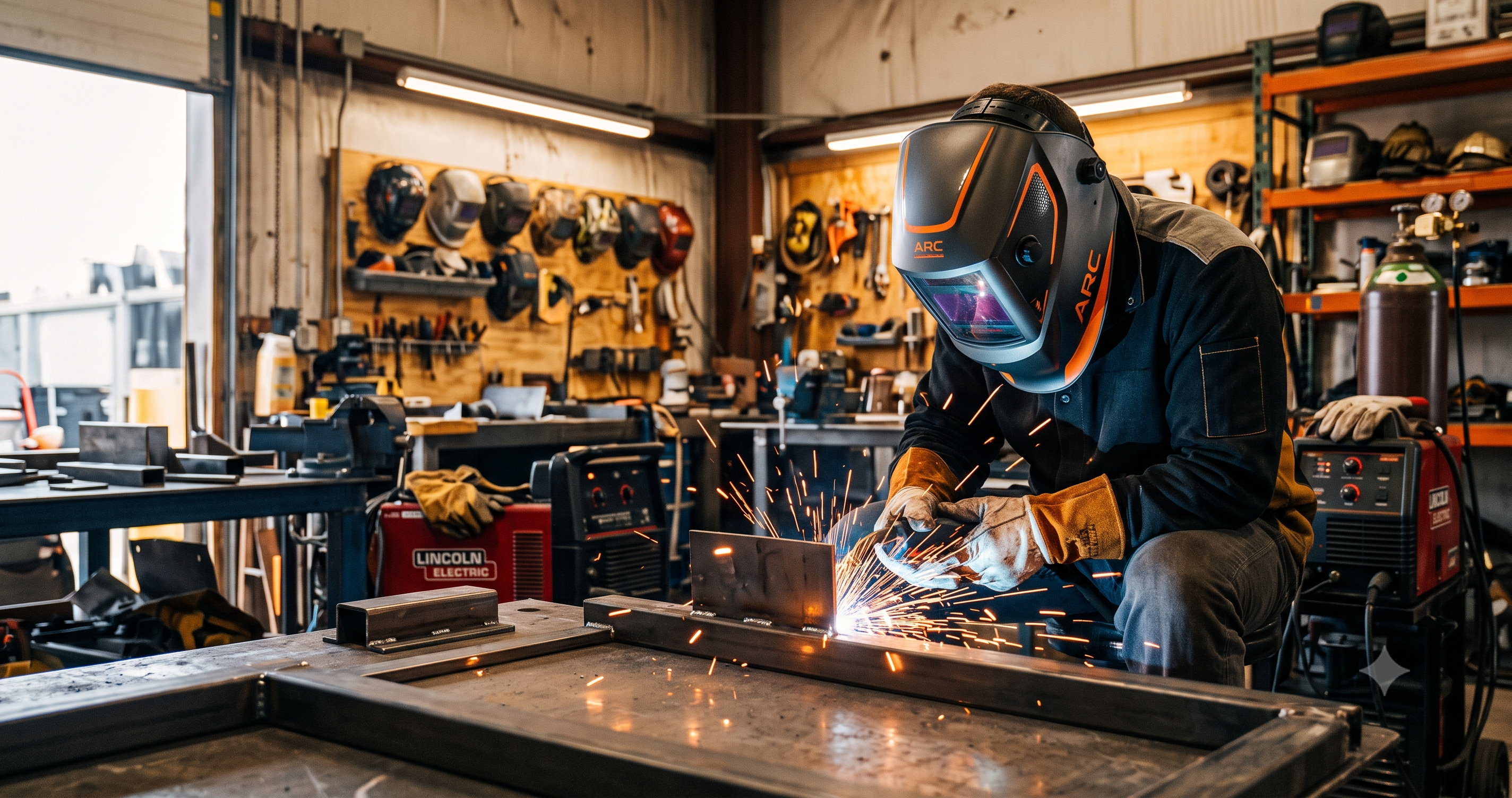
Every welding forum has the same thread. Someone buys an inexpensive stick machine, runs a pound of rod, gets porous, ropey beads, and concludes the welder is junk. Half the time they are right. The other half, the machine was fine and the rod had been sitting in an unheated shed since spring.
Sorting out which half you are in is most of what this guide is about.
What you are buying with a budget stick welder
A Harbor Freight stick welder is an inverter-based SMAW power source sold under store brands, typically rated somewhere between 90 and 225 amps. The internals are the same general architecture as any other modern inverter: high-frequency switching, DC output, and electronic arc control. The difference from premium machines is usually in component quality, thermal management, duty cycle honesty, and support if something fails.
The direct answer people want: these machines will lay structurally sound welds on mild steel for repair and hobby work, particularly with 6011 and 6013 rod, and they struggle when you ask for long continuous beads, precise low-amperage control, or heavy 7018 work at the top of their range. That is a real tool with real limits, not a scam and not a bargain miracle.
Settings that work on inexpensive machines
Budget inverters usually have a wider gap between the dial number and actual output than premium machines do. Treat the dial as a suggestion and the puddle as the truth.
| Rod | Diameter | Dial starting point | Material |
|---|---|---|---|
| E6011 | 3/32 in | 70 to 90 A | Rusty or painted steel, 1/8 in and up |
| E6011 | 1/8 in | 100 to 130 A | Heavier repair, root passes |
| E6013 | 3/32 in | 65 to 85 A | Clean light sheet and angle |
| E7018 | 3/32 in | 80 to 110 A | Structural work, clean joints only |
| E7018 | 1/8 in | 115 to 165 A | Needs 240 V input to run properly |
If your machine has arc force, run it in the middle to start. Too little and the rod sticks; too much and you get spatter that looks like someone threw gravel at the plate.
Work clamp placement matters more than most people believe on cheaper machines. A clamp biting into painted steel, or clamped to a rusty bench that is only loosely touching the workpiece, drops your effective current and makes the machine look weak. Grind a bright spot and clamp directly to the part.
The five problems people actually hit
1. The rod sticks the instant it touches. Low amperage, a long or undersized extension cord, or no hot start feature. Increase amperage 10 amps, shorten the cord, and strike like you are lighting a match rather than stabbing.
2. Beads look ropey and sit on top of the joint. Too little heat or travelling too slowly with too long an arc. Sound stick welding has a specific hiss, close to bacon in a hot pan. If yours crackles irregularly, your arc is too long.
3. Porosity across the whole bead. Nearly always moisture in the rod, especially with 7018. Low-hydrogen rod pulls moisture out of the air within hours in a damp shop. Buy small quantities, store them sealed, and if you weld structurally on any regular basis, keep them in a heated container. The Lincoln Electric Hydroguard portable electrode oven does that job simply. Its fixed temperature and modest capacity make it a holding oven rather than a reconditioning oven, and a weekend welder can get by without one by buying rod in small sealed packs.
4. The machine shuts off partway through a job. Thermal protection. Budget inverters have optimistic duty cycle ratings. Let the fan run and come back in a few minutes. If it happens repeatedly at modest amperage, the machine is undersized for the work.
5. Breakers tripping. A 120 volt circuit shared with a freezer and shop lights will not carry a welder at full output. Run a dedicated circuit if you can.
Rods that suit budget machines
Cheap machines are least happy at the extremes: very low amperage and very high amperage. Rods in the middle make them look better than they are.
Forney E6011 1/8 inch is the safest first box. It tolerates rust, oil and old paint, starts readily even without hot start, and works on both AC and DC output. The tradeoff is that 6011 beads are rough and spattery, and cleanup takes real time with a chipping hammer and wire wheel. Anyone welding decorative work will not enjoy it.
Hobart 6011 1/8 inch runs slightly smoother than most budget-brand 6011 and comes in a smaller box, which is the right size if you weld occasionally and want the rod to stay fresh. It costs more per pound than bulk boxes, so heavy users should buy larger quantities and store them properly instead.
YESWELDER E7018 1/8 inch is the strength option when your machine has enough output to run it, meaning 240 volt input and a stable 115 amps or more. On a 120 volt budget machine, drop to 3/32 inch or you will fight the rod all day. Skip 7018 entirely if your joints are dirty, because it has none of 6011’s tolerance for contamination.
Budget stick machine versus a legacy transformer
People comparing a store-brand inverter to a Lincoln Electric AC-225 are really comparing two different philosophies. The AC-225 is heavy, needs 240 volt power, has no digital anything, and produces an arc that stays glassy smooth through long beads because a large transformer simply does not care. Its flaws are equally plain: AC only, no fine control at the low end, and it will not run DC-only electrodes at all.
A budget inverter gives you DC, portability, hot start and arc force at a fraction of the weight. It gives up thermal endurance and long-term serviceability. If you weld outside near an outlet a few times a month, take the inverter. If you weld heavy steel in a fixed shop and want a machine your grandchildren can still fix, the transformer earns its space on the floor.
Where budget stick welding is the wrong answer
If your work is thin sheet metal, autobody, or anything where the panel is under 16 gauge, stick welding is a poor fit regardless of machine quality. Wire processes handle that far better. If you need certified structural welds, you need a machine with reliable output and rod handled to specification, not a machine you are already second-guessing.
And if the plan is production fabrication, budget stick machines fail on duty cycle before they fail on weld quality. Waiting out thermal cutouts several times an hour costs more in time than the machine saved you at purchase.
Safety gear does not get a budget version
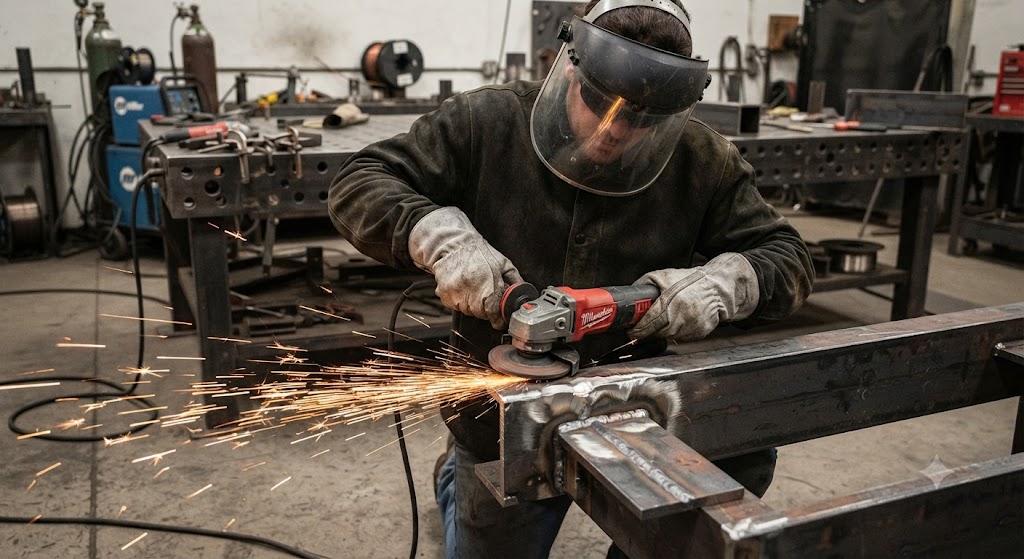
This is the one place to stop economising. Stick welding produces heavy spatter and intense ultraviolet output, and 1910.252 exists because people got hurt. A proper auto-darkening helmet, a jacket, and gloves that actually cover your wrists are the baseline. The Lincoln Electric traditional MIG and stick glove is a solid all-round choice, thick, lined, with a long cuff. Its bulk works against fine handwork, so keep a thinner pair for setup and use these for the arc time.
Final verdict
A Harbor Freight stick welder is a genuinely usable repair tool if you accept three things: run it on 240 volt power where possible, feed it fresh rod in the middle of its range, and stop before the thermal cutout does it for you. Under those conditions, the welds are sound and nobody inspecting the finished bracket will know what brand made them.
The upgrade decision is not about weld quality, it is about tempo. When you find yourself standing around waiting for a machine to cool instead of working, that is the day the cheap welder starts costing you money.
Frequently asked questions
Are budget stick welders any good? For repair, farm work and hobby fabrication, yes. They produce sound welds on mild steel with common rods. They fall short on duty cycle, low-amperage control, and long-term support.
What rods should I use with a Harbor Freight stick welder? E6011 for rusty or painted steel, E6013 for clean light work, and 3/32 inch E7018 when strength matters and the joint is clean. Save 1/8 inch 7018 for 240 volt operation.
Why does my cheap stick welder keep sticking rods? Too little amperage, voltage drop from a long extension cord, or a machine without hot start. Increase amperage slightly, shorten the cord, and clamp the ground directly to bare metal.
Can I weld 1/4 inch steel with a budget stick machine? Yes, with multiple passes on 240 volt power using 1/8 inch rod. Bevel the joint and expect to work in stages so the machine can cool.
Why do my welds have holes in them? Damp electrodes are the usual cause, especially with 7018. Store rod sealed and dry, and buy in small quantities if you weld infrequently.
Is stick or MIG better for a beginner on a budget? Stick tolerates dirty metal, outdoor wind and cheap machines better. MIG is easier to learn and produces tidier welds on thin material. For repair work outdoors, stick is the more forgiving choice.
How long can I run one of these machines continuously? Check the duty cycle at your amperage. Many budget inverters manage two to four minutes of arc time in every ten at higher settings before thermal protection cuts in.