Una mirada práctica al combo de generador de soldador: selección, configuración y mantenimiento
A Practical Look at Welder Generator Combo: Selection, Setup and Maintenance
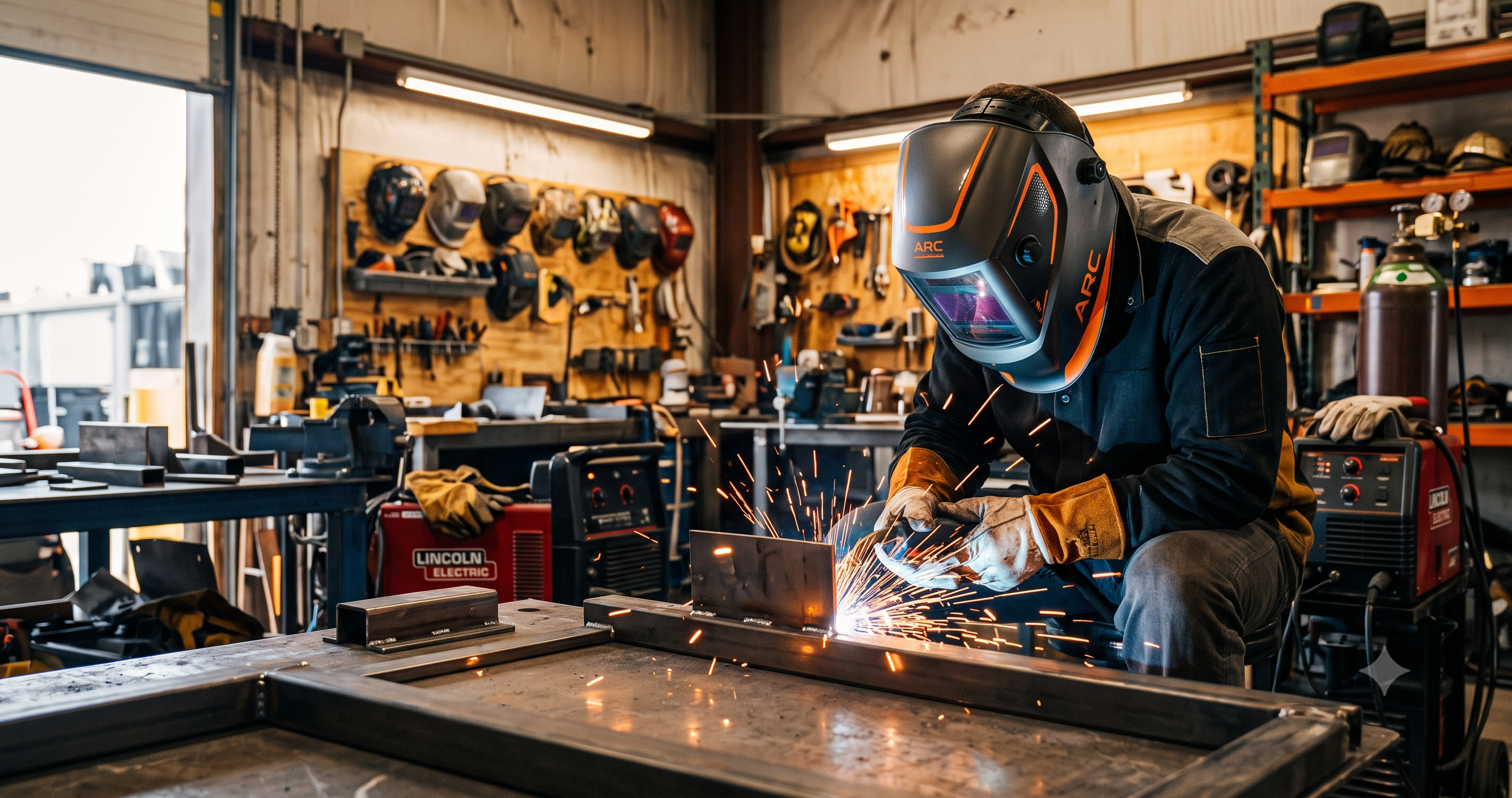
There is a whole category of welding that happens where there is no wall outlet for miles: a fence line on a ranch, a pipeline right of way, a construction site before power is run, a breakdown on a remote road. For that work, plugging in is not an option, and this is exactly where a welder generator combo earns its keep. It carries its own engine, so it makes both the welding power and the electricity you need, wherever the job happens to be.
A welder generator combo is an engine driven machine that combines a welding power source with an electrical generator in one unit. A gasoline or diesel engine drives it, producing welding current for the arc and, on most models, auxiliary electrical power to run grinders, lights, and tools. Because it needs no external electricity, it is the go to machine for field work, remote sites, and any job beyond the reach of the grid.
How it differs from a plug in welder
A standard welder draws its power from the wall and converts it into welding current. A welder generator combo instead carries an internal combustion engine that spins a generator to create that power on the spot. That one difference drives everything about how you select, set up, and maintain it.
The payoff is independence: you can weld anywhere you can drive or carry the machine, with no cords to the grid. The trade offs are real too. These machines are heavier, need fuel and engine maintenance, produce exhaust so they cannot run in an enclosed space, and cost more than a comparable plug in welder. It is a specialist tool bought for mobility, not a default choice for a shop with power at the wall.
Selecting the right combo
A few practical factors separate the right machine from an expensive mismatch.
Weld output and process. Match the welding amperage and the processes it supports to your work. Many engine driven machines are built around stick welding for rugged field repair, with some also supporting wire and TIG processes. Buy for the welding you will actually do in the field.
Auxiliary power. If you need to run grinders, lights, or power tools at the site, check the generator’s electrical output and whether it can weld and supply power at the same time. This dual capability is a big part of why people buy these machines.
Fuel type. Gasoline units are common, lighter, and lower cost to buy, while diesel units are favored for heavy, sustained industrial use and longevity, at higher cost and weight. Match the fuel to how hard and how often you will run it.
Portability. Consider weight and how you will move it, whether it rides on a truck, a trailer, or a cart. A machine you cannot easily get to the job is no help.
| Factor | Lighter gas combo | Heavy diesel combo |
|---|---|---|
| Best for | Occasional field and repair work | Sustained, heavy industrial use |
| Cost and weight | Lower | Higher |
| Longevity under load | Good for intermittent use | Built for long duty cycles |
A fair, honest note: true engine driven welder generators are largely an industrial and professional category, sold through welding distributors and heavy equipment channels rather than as typical consumer online purchases. If your welding is all within reach of an outlet, a standard plug in machine will serve you better for far less money and upkeep.
Setting it up safely
The engine changes the safety picture compared with a plug in welder. Run it only outdoors or in a genuinely open, well ventilated area, never in a closed garage or enclosed space, because the engine produces exhaust that is dangerous to breathe. Place it on stable, level ground, keep it clear of the sparks and flammables of the weld area, and give the engine room to draw cooling air. Ground the machine according to its instructions. As with any welding, wear your full protective gear and keep a fire extinguisher within reach.
Maintenance keeps it alive
Because it is an engine, a welder generator combo needs the upkeep any engine does, and neglecting it is the main way these machines fail early. Check and change the engine oil on schedule, keep the air filter clean, look after the fuel system and use fresh fuel, and follow the cooling and spark or glow system maintenance in the manual. Store it with the fuel handled properly between uses. An engine driven welder that is maintained will run for many years, while one that is ignored will strand you at the worst possible moment. This ongoing maintenance is a real part of ownership and worth factoring in before you buy.
The practical verdict
A welder generator combo is the machine for welding beyond the reach of the grid, carrying its own engine to make both weld power and electricity wherever you take it. Select it by matching weld output, auxiliary power, fuel type, and portability to genuine field needs, run it only in open air, and maintain the engine faithfully. For true off grid and mobile work it is invaluable, but if your welding stays near an outlet, a plug in machine is the smarter, cheaper choice.
Frequently asked questions
What is a welder generator combo? An engine driven machine that combines a welding power source and an electrical generator in one unit, so it makes both welding current and auxiliary power without needing grid electricity.
When do I actually need one? When you weld where there is no mains power: ranches, remote sites, pipelines, construction before power is run, and field repairs. Near an outlet, a plug in welder is better and cheaper.
Can it power tools as well as weld? Most models provide auxiliary electrical output for grinders, lights, and tools. Check the generator output and whether it can weld and supply power at the same time.
Gasoline or diesel? Gasoline units are lighter and cheaper for occasional field work. Diesel units suit heavy, sustained industrial use and longevity at higher cost and weight. Match the fuel to your use.
Can I run one in my garage? No. The engine produces exhaust that is dangerous to breathe. Run it only outdoors or in a genuinely open, well ventilated area, never in an enclosed space.
What maintenance does it need? Engine upkeep: regular oil changes, a clean air filter, fuel system care with fresh fuel, and the cooling and ignition maintenance in the manual. Neglect is the main cause of early failure.
References
- OSHA, Welding, Cutting, and Brazing: https://www.osha.gov/welding-cutting-brazing
- National Institute for Occupational Safety and Health, Welding safety: https://www.cdc.gov/niosh/welding/about/index.html
- OSHA, Carbon monoxide hazards: https://www.osha.gov/carbon-monoxide