Welding Cap vs Hard Hat Liner: Which One Do You Actually Need?
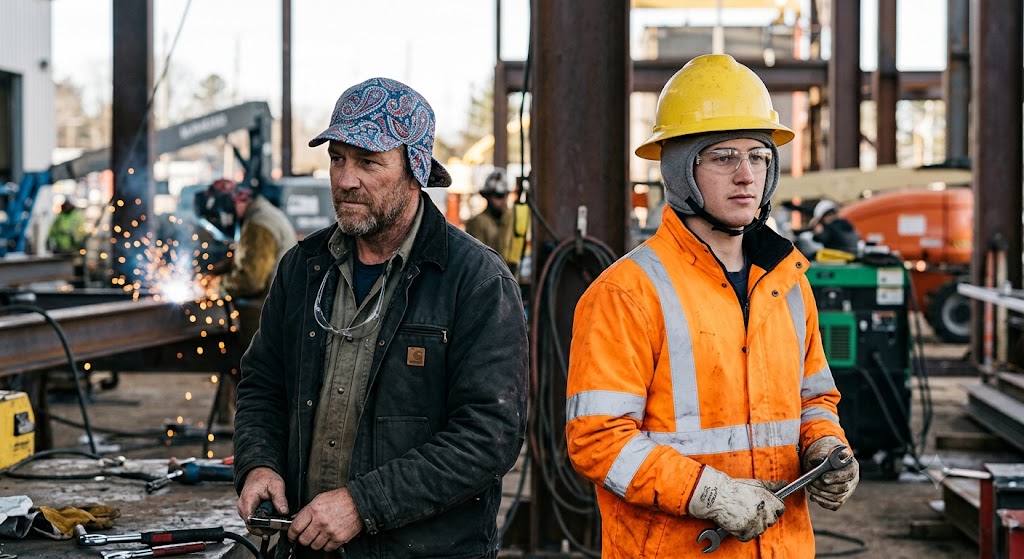
Stand in a hot shop in July and two pieces of headgear promise relief: the classic welding cap and the cooling hard hat liner. They look like they do the same job, they sit in roughly the same spot on your head, and welders swap the names as if they are interchangeable. They are not. In a welding cap vs hard hat liner decision, the two solve different problems, and picking the wrong one leaves you either sweaty or unprotected.
The short answer: a welding cap protects your head from sparks with flame-resistant fabric, while a cooling hard hat liner wicks sweat and cools you but offers no spark protection. Many welders end up needing both, worn together.
What a welding cap is for
A welding cap is a soft, brimmed cotton cap, ideally flame-resistant, worn under a welding hood or hard hat. Its job is protection: it shields your scalp, hairline, and (with a longer style) your neck and ears from sparks, spatter, and radiant heat, and it keeps hair out of your face while you work. The bill can be spun around to guard the neck during overhead work.
The key word is flame-resistant. A proper welding cap is made to sit in the spark path and not ignite, which is exactly the hazard a plain ball cap fails at.
What a cooling hard hat liner is for
A cooling or moisture-wicking hard hat liner is a thin, stretchy skullcap made from technical fabrics like polyester or ice-silk blends. Its job is comfort: it absorbs sweat, wicks it away, and helps your head feel cooler under a hard hat or helmet during long, hot shifts. Products like the Klein Tools cooling liner are built for exactly this, and workers praise how much cooler they feel in the heat.
What it does not do is protect you from sparks. These fabrics are chosen for breathability and cooling, not flame resistance, and some synthetics can melt if exposed to enough heat. That is the line you cannot blur.
The core difference in one look
- Welding cap: flame-resistant cotton, protects against sparks and heat, keeps hair contained. Comfort is secondary.
- Cooling hard hat liner: technical wicking fabric, manages sweat and heat buildup, no spark protection. Protection is not its job.
If your hazard is flying sparks, you need the cap. If your hazard is heat exhaustion and sweat under a hard hat away from the arc, you need the liner. If you have both, which many welders do, you wear both.
Can you wear them together?
Yes, and it is a common setup. A thin cooling liner sits closest to your scalp for sweat management, and the flame-resistant welding cap goes over it for spark protection, all under the hood or hard hat. OSHA has addressed wearing a cap or similar item under a hard hat and does not prohibit it, provided it does not interfere with the hard hat’s suspension or fit. The practical caution is bulk: pile on too many layers and you compromise how the hard hat sits, which is its own safety problem.
Who should choose which
Choose a welding cap if you are actively welding and sparks reach your head, which is nearly everyone at the arc. Choose a cooling liner if your discomfort is heat and sweat, especially for hard-hat wear during fit-up, grinding, or general shop work away from live sparks. Choose both if you weld in a hot environment and want protection and comfort at once, just keep the stack thin enough that the hard hat still fits correctly.
The verdict
Do not treat these as the same item. A welding cap is protective gear, a cooling hard hat liner is comfort gear, and confusing one for the other means either roasting or exposing your scalp to sparks. Buy the cap for the arc, the liner for the heat, and wear them together when your day demands both, always keeping the hard hat’s fit intact.
Frequently asked questions
What is the difference between a welding cap and a hard hat liner? A welding cap is flame-resistant and protects your head from sparks. A cooling hard hat liner wicks sweat and cools you but has no spark protection. They solve different problems.
Can I wear a cooling liner instead of a welding cap? Not at the arc. Cooling liners are made from wicking fabrics that are not flame-resistant and can melt, so they do not protect you from sparks.
Can you wear a welding cap and a cooling liner together? Yes. Put the thin cooling liner against your scalp and the flame-resistant welding cap over it, keeping the total bulk low so a hard hat still fits properly.
Are welding caps flame resistant? Good ones are. Look for flame-resistant cotton. A plain cotton or synthetic ball cap is not a substitute and can ignite or melt.
Does OSHA allow caps under a hard hat? OSHA does not prohibit wearing a cap or similar item under a hard hat, as long as it does not interfere with the hard hat’s suspension or proper fit.
Which keeps you cooler, a cap or a liner? A moisture-wicking cooling liner is built to manage sweat and heat and will feel cooler. A welding cap prioritizes protection over cooling.
References
- OSHA, Standard Interpretation on wearing caps or apparel under a hard hat: https://www.osha.gov/laws-regs/standardinterpretations/2006-04-17-0
- The Home Depot, Klein Tools Cooling Helmet Liner (product reviews): https://www.homedepot.com/p/reviews/Klein-Tools-Cooling-Helmet-Liner-60181/313503851/1
URL slug: welding-cap-vs-hard-hat-liner Excerpt: A welding cap and a cooling hard hat liner look similar but do opposite jobs: spark protection versus sweat management. Here is how to tell them apart, when you need each, and how to safely wear both at once.