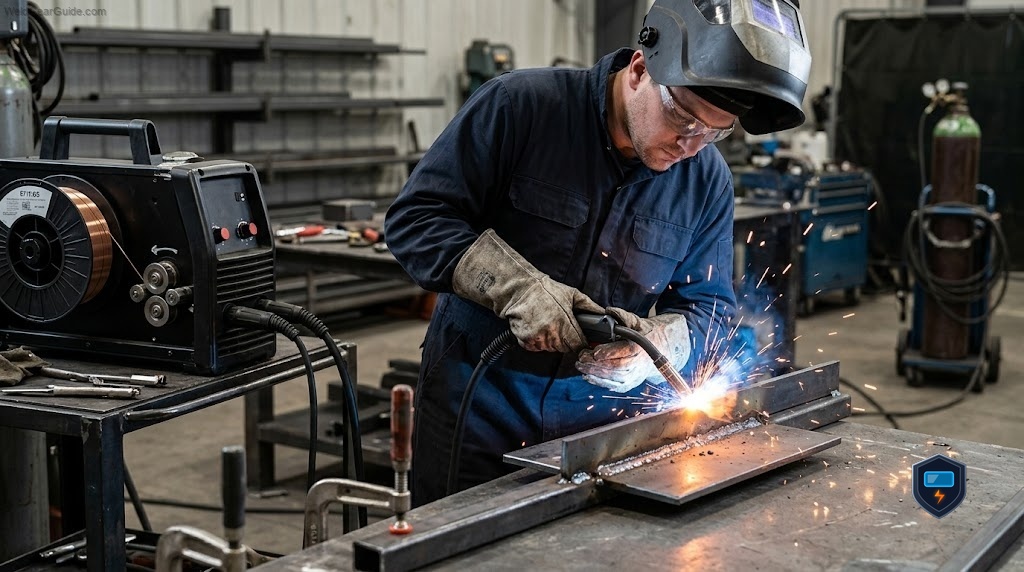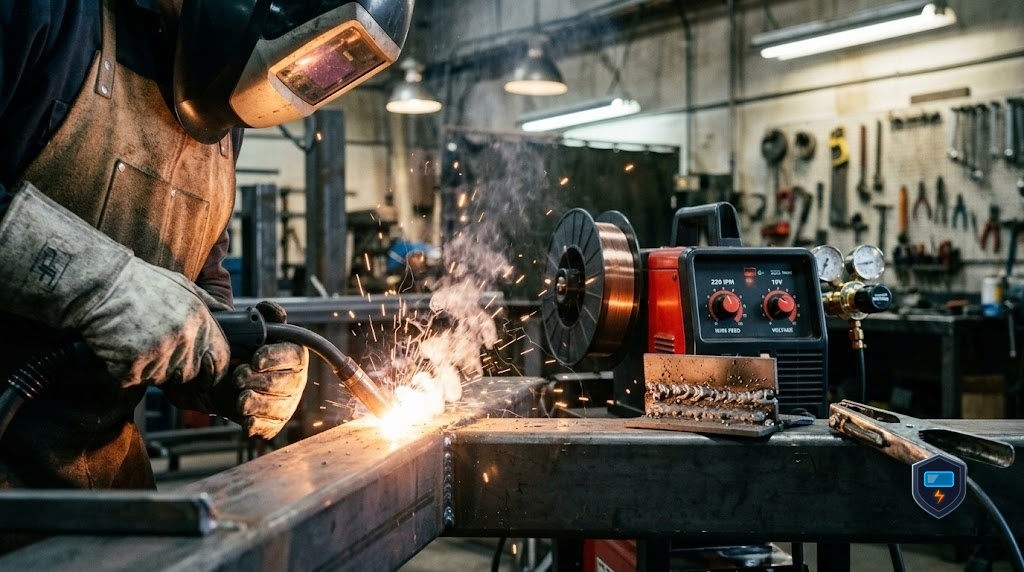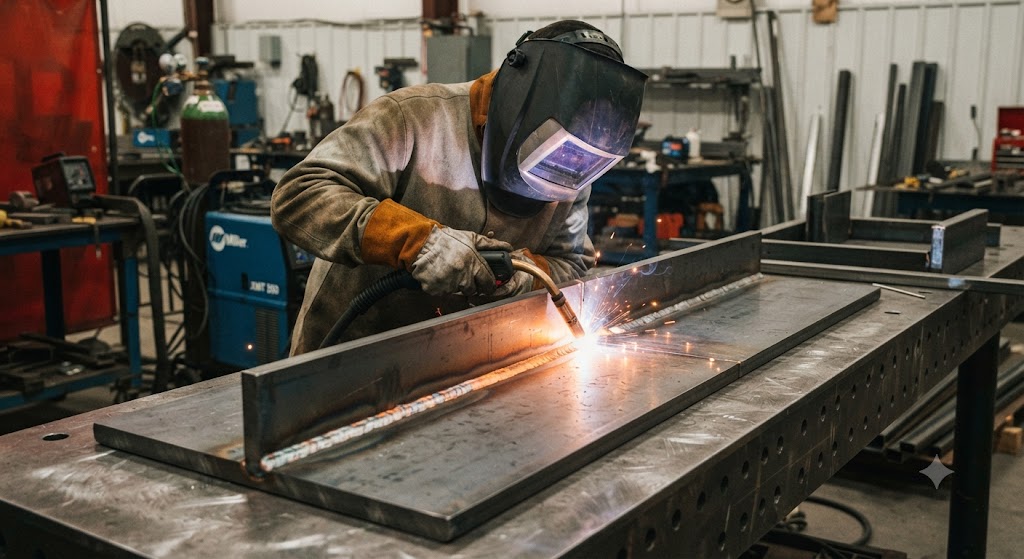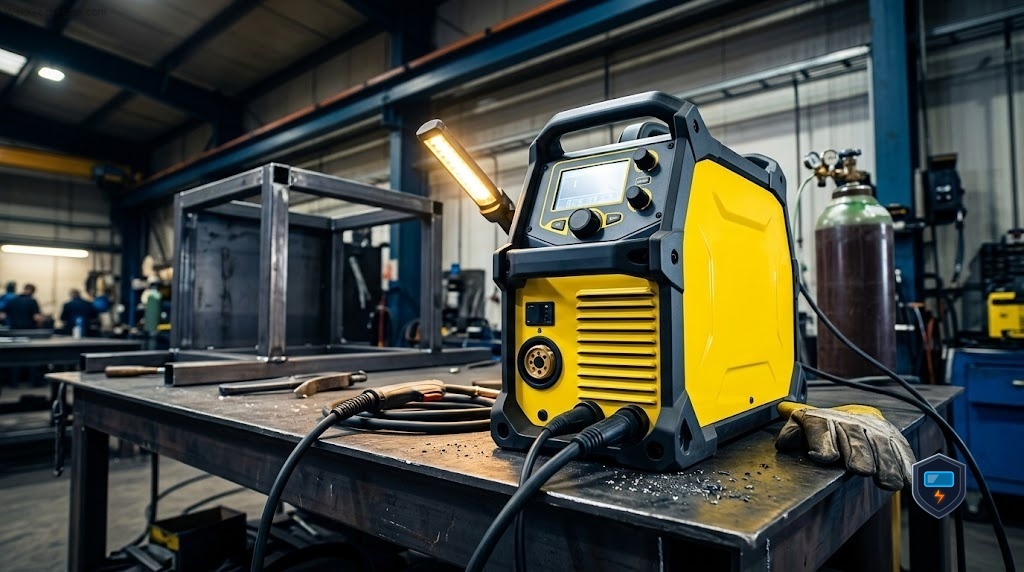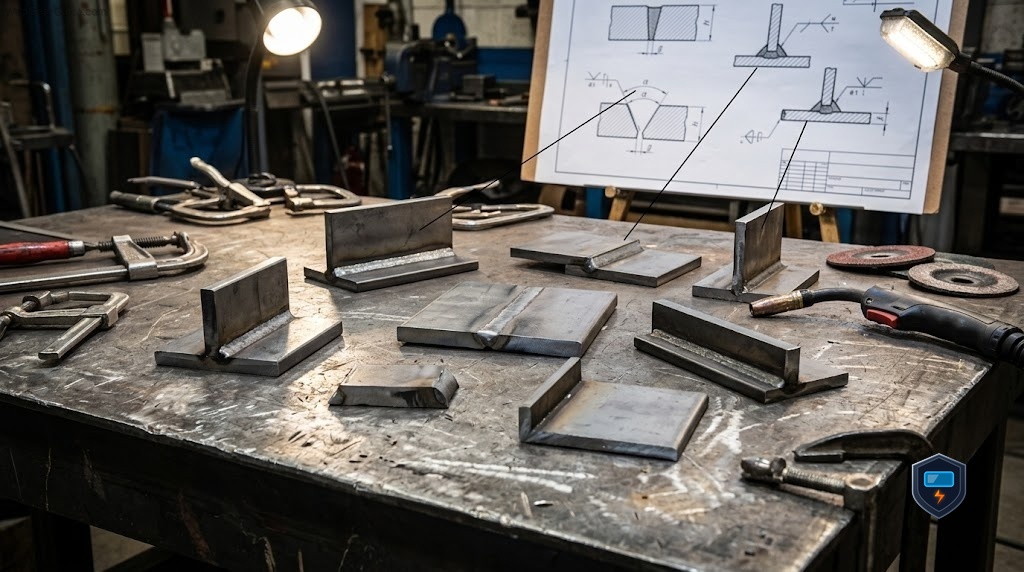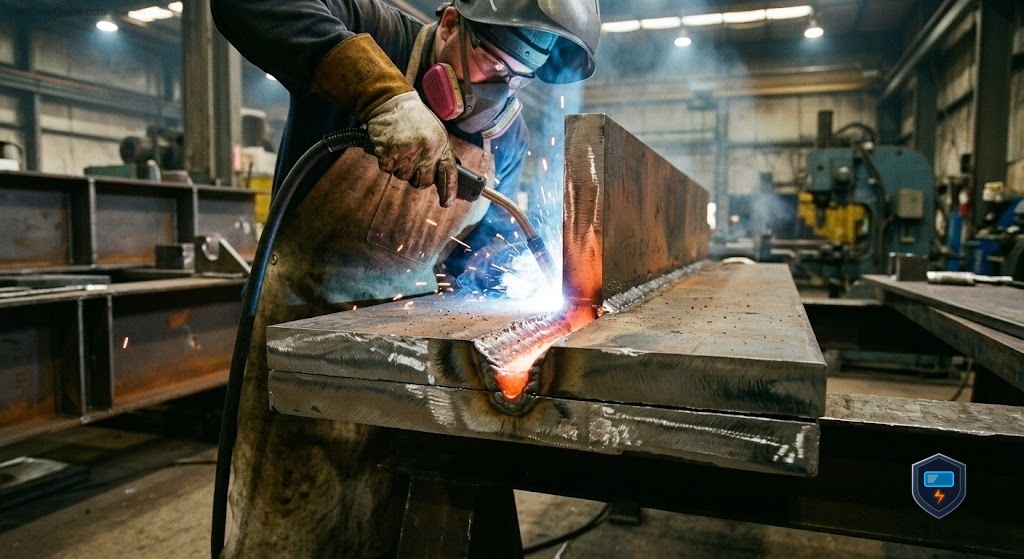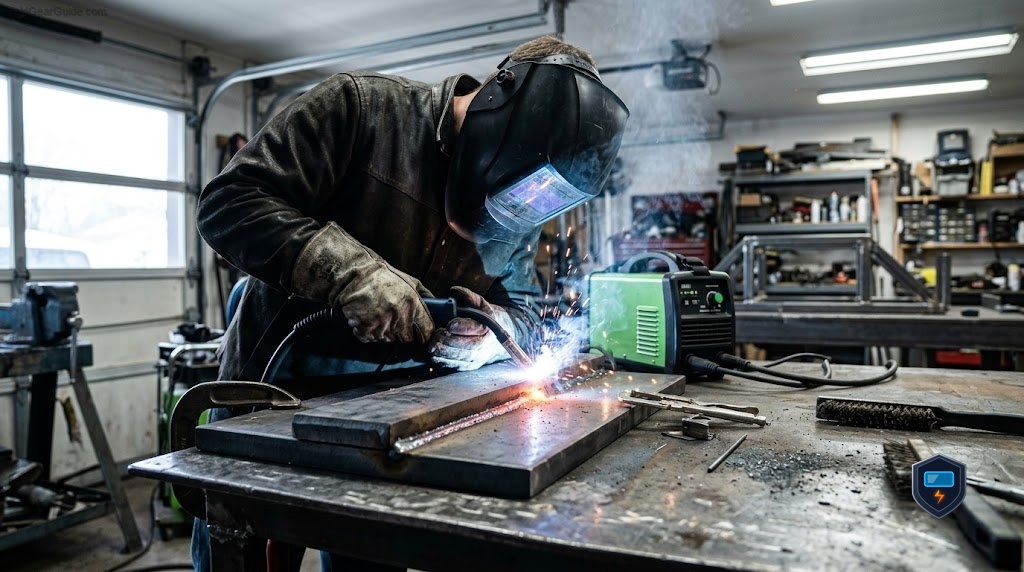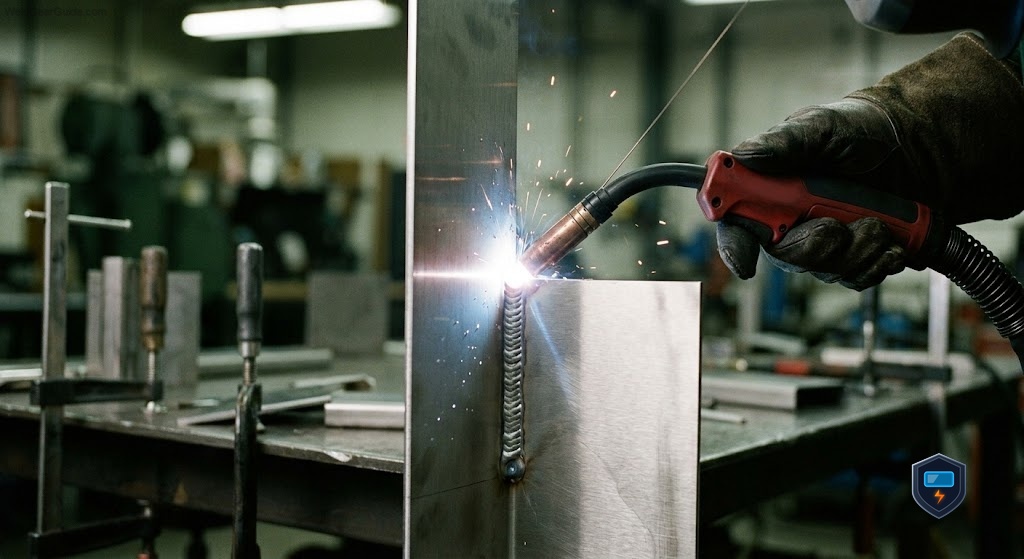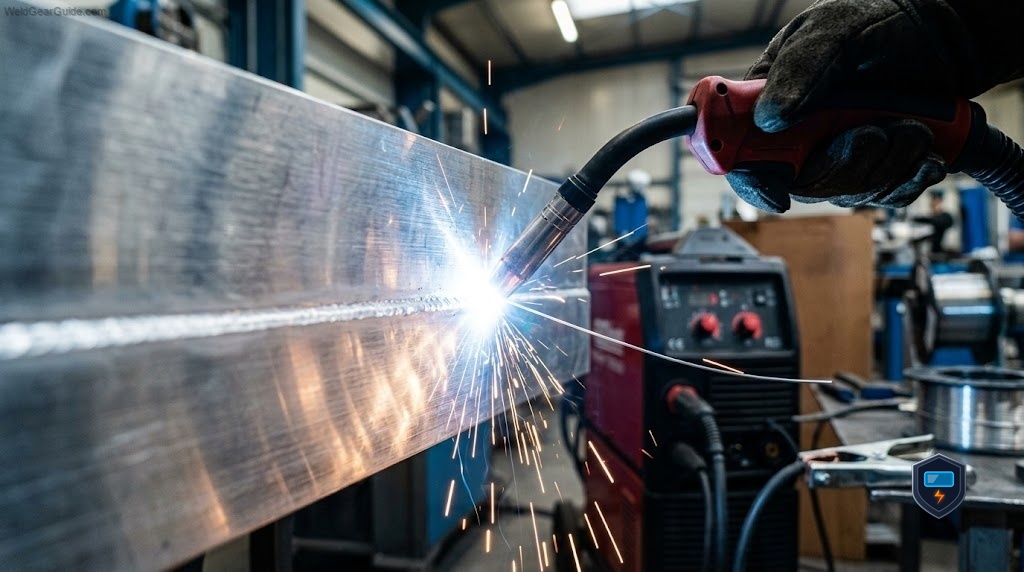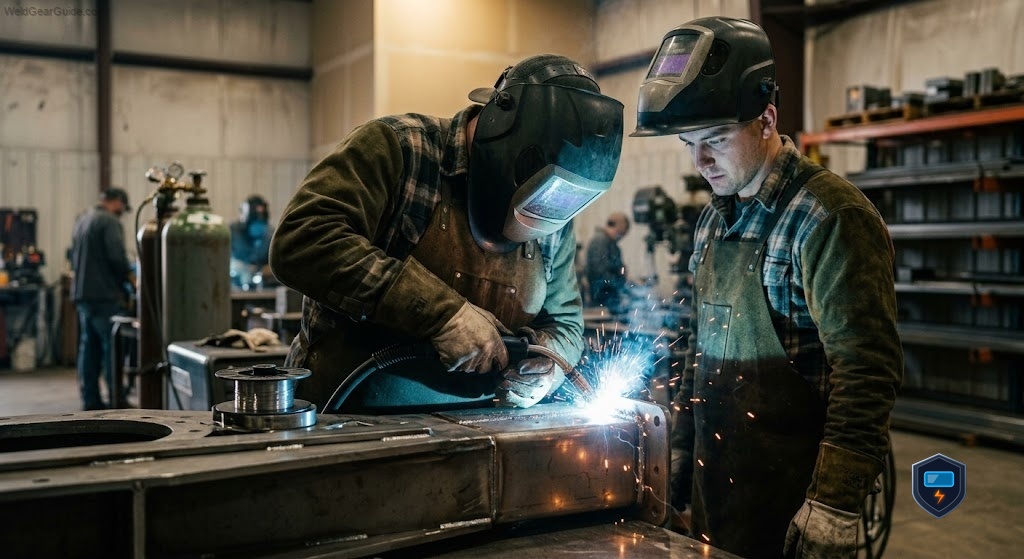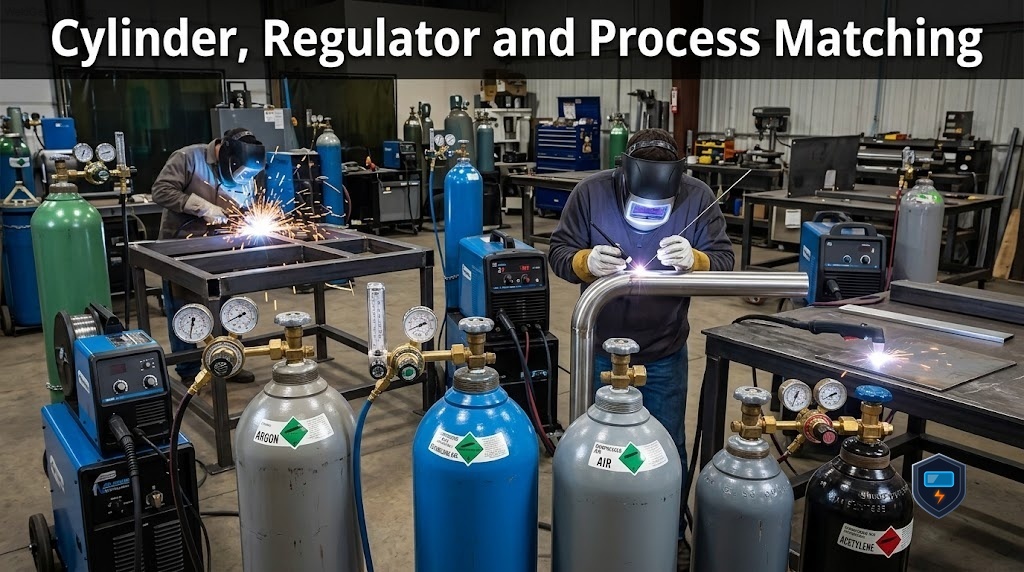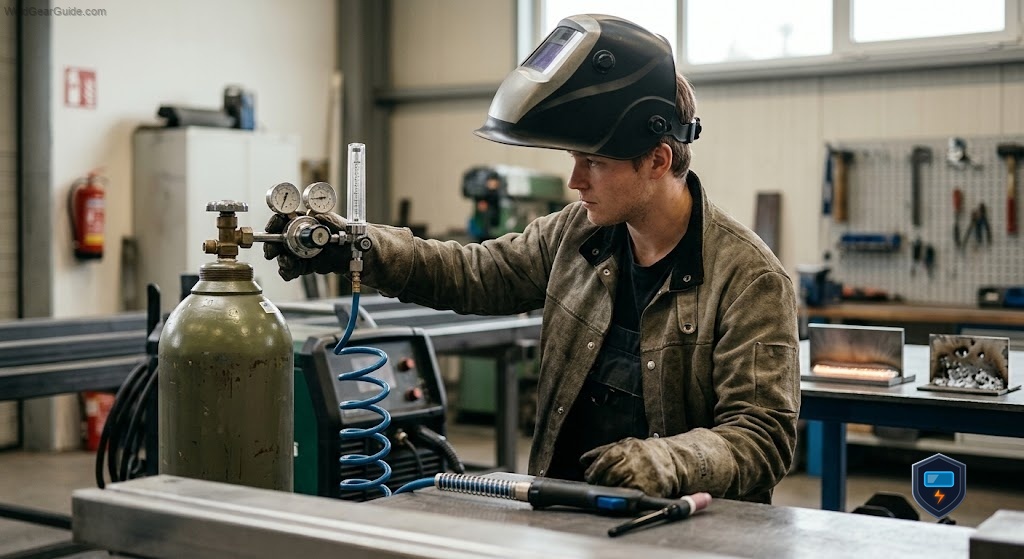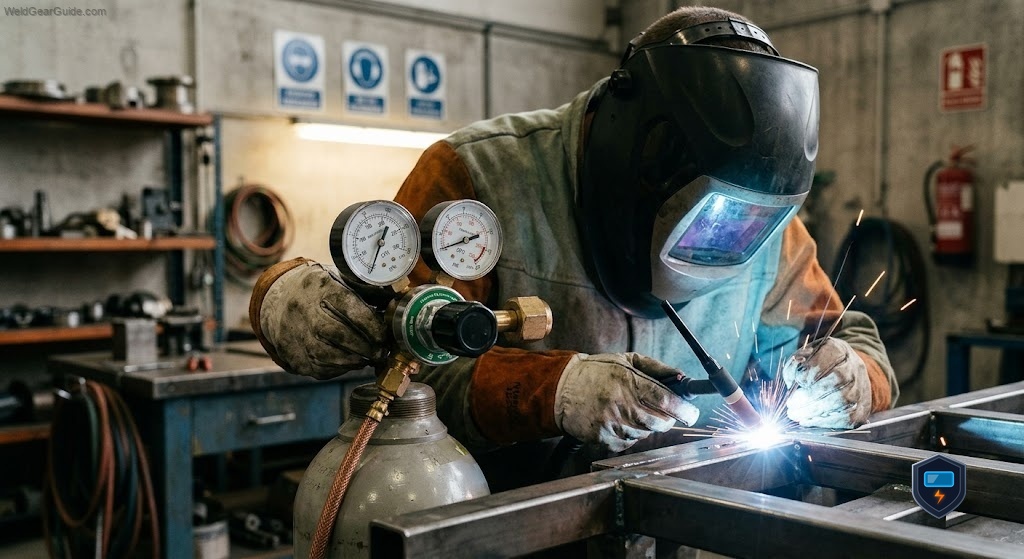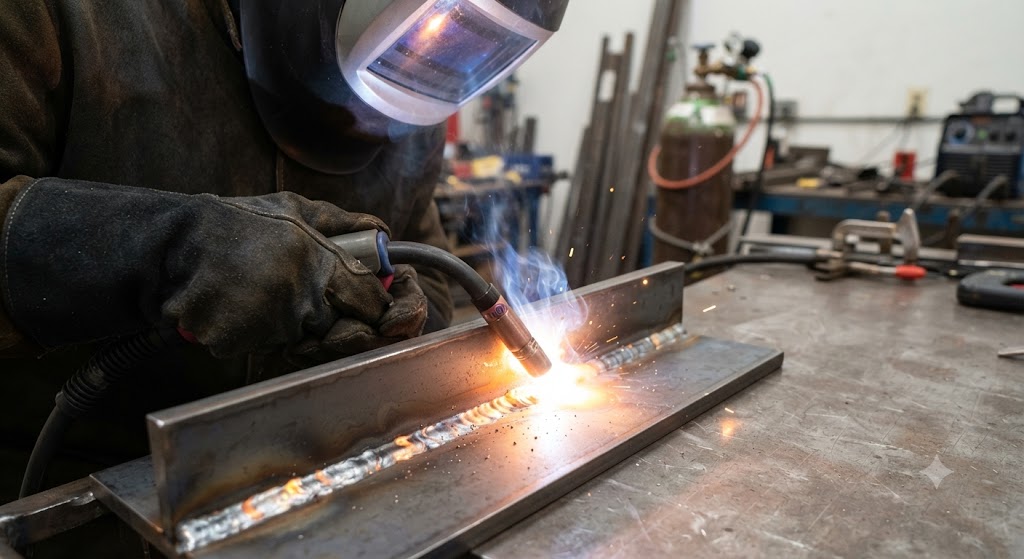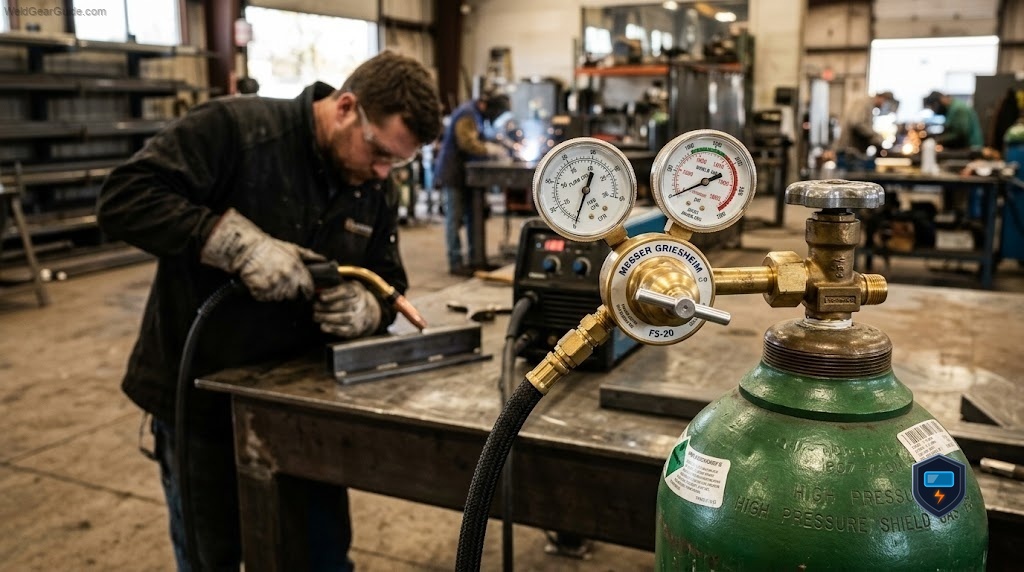
Gas Metal Arc: Cylinder, Regulator and Process Matching
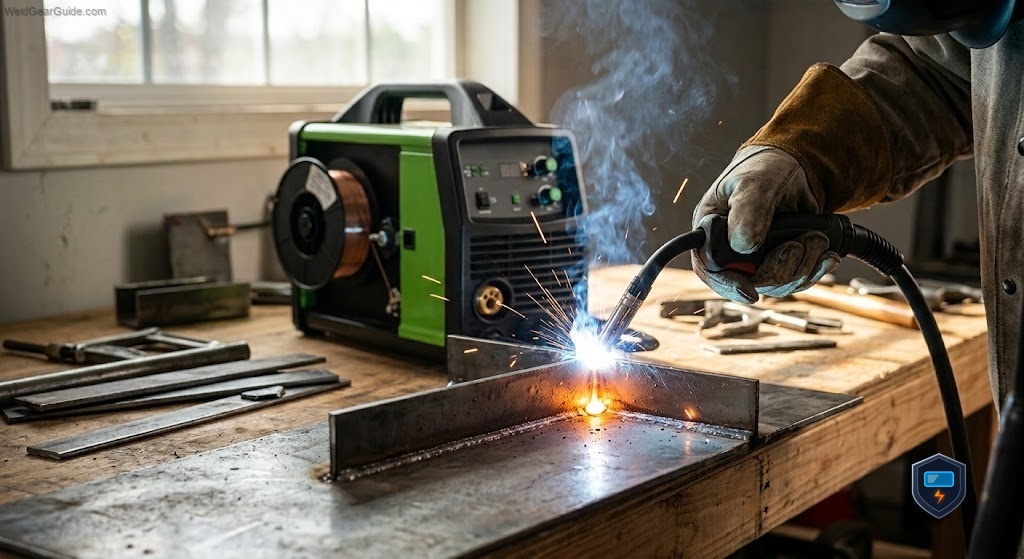
A clear guide to gas metal arc welding, matching shielding gas to the metal, and setting up the cylinder and regulator correctly.

Informational authority guides detailing arc standards, terminology, and safety science.
A clear guide to gas metal arc welding, matching shielding gas to the metal, and setting up the cylinder and regulator correctly.
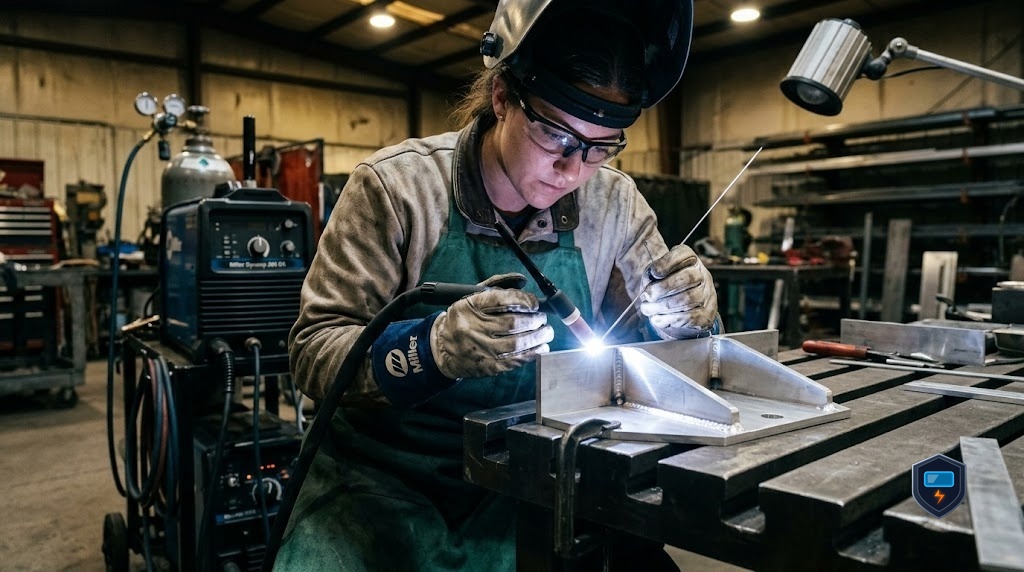
How to GTAW (TIG) weld aluminum: why AC output matters, tungsten and gas choices, filler selection and the setup that keeps the arc clean and controlled.
Flux cored arc welding explained properly: FCAW-S against FCAW-G, wire classifications, polarity, deposition rates and how to set the process up correctly.
Equipment, settings and troubleshooting for flux core arc welding, from drive rolls and liners to voltage balance and the defects that keep showing up.
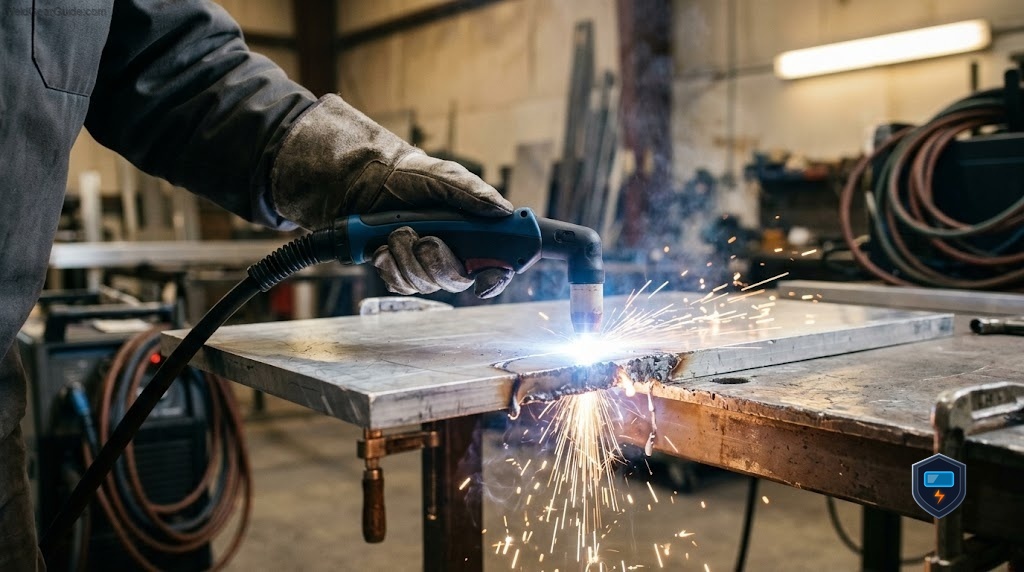
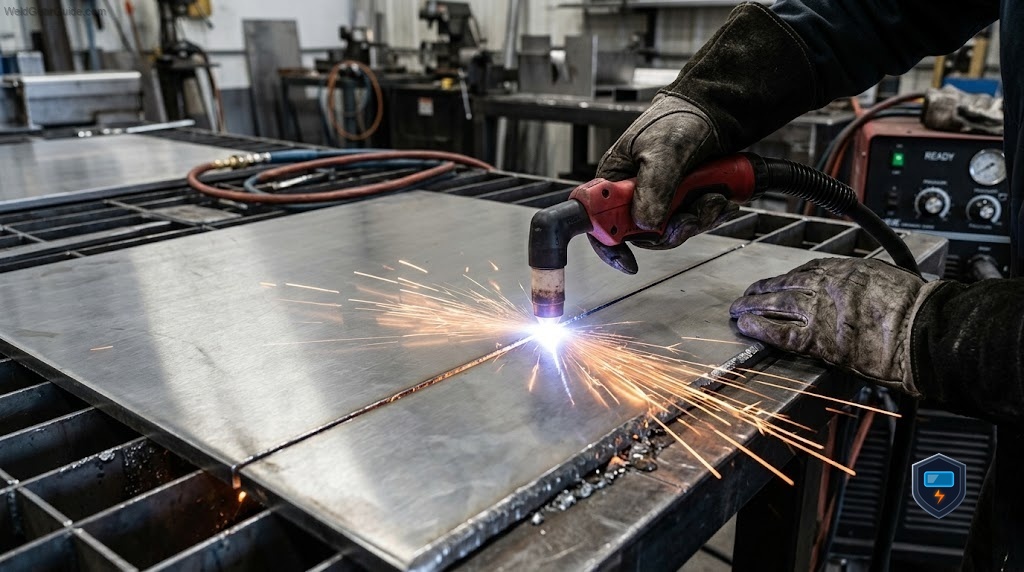
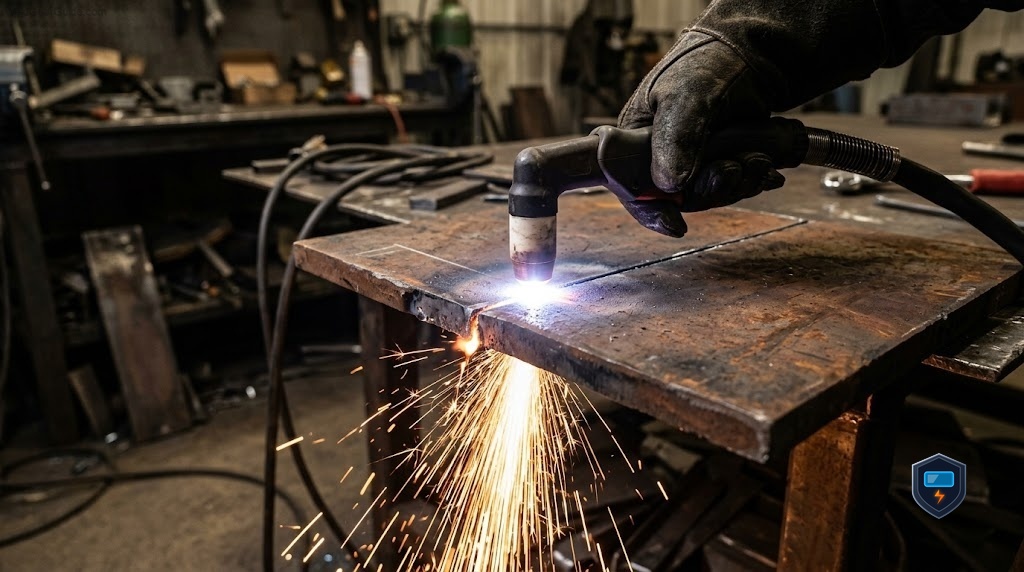
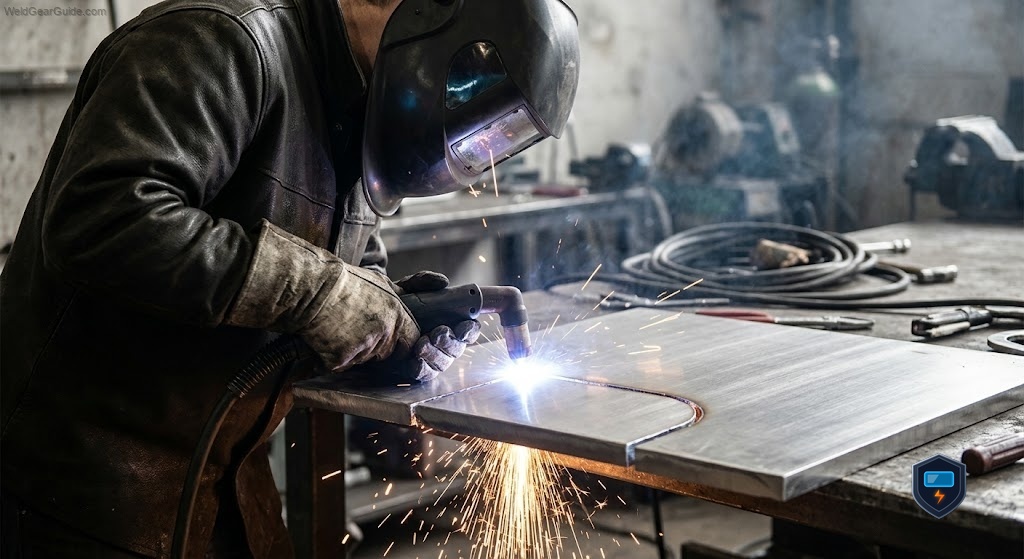
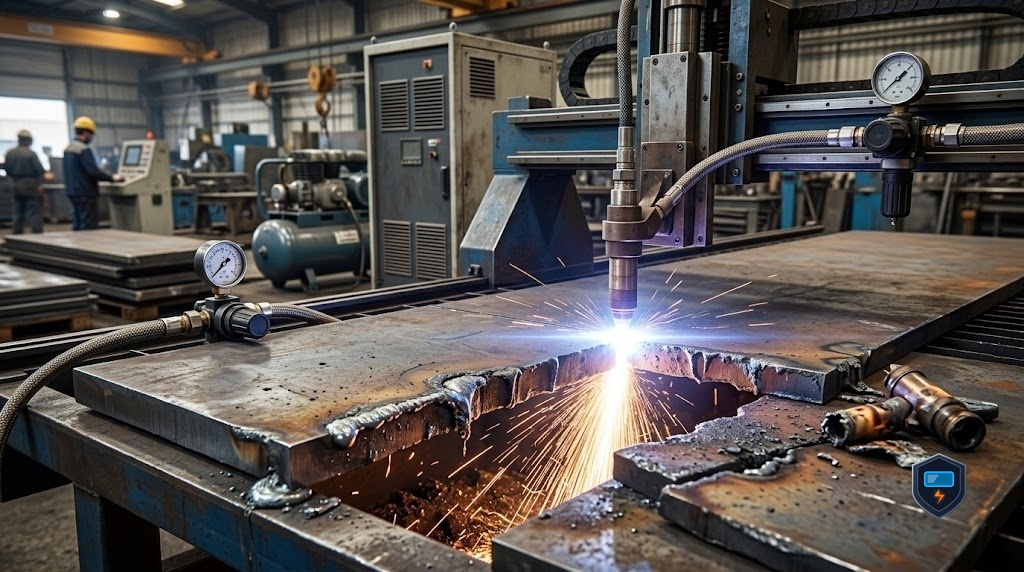
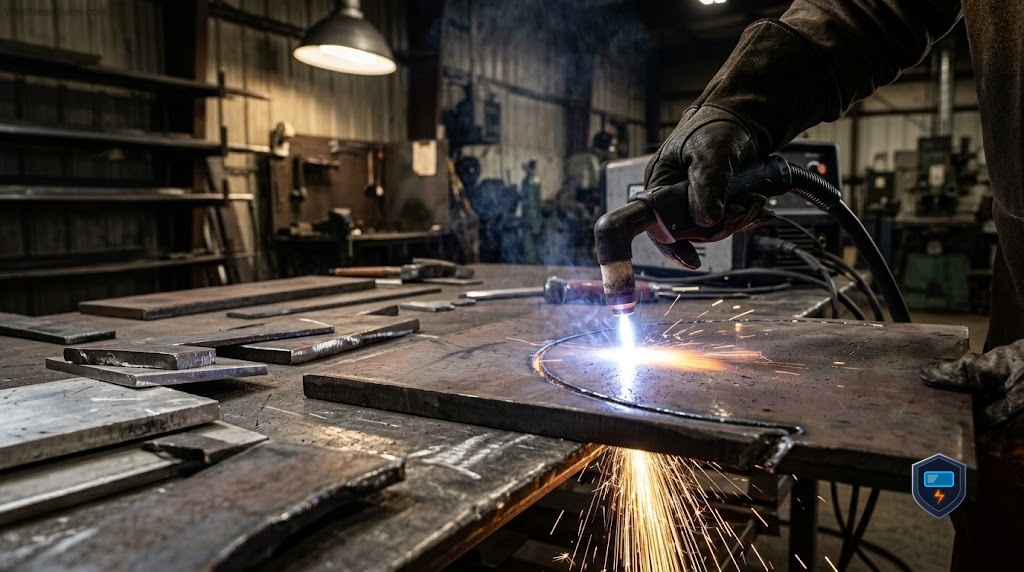
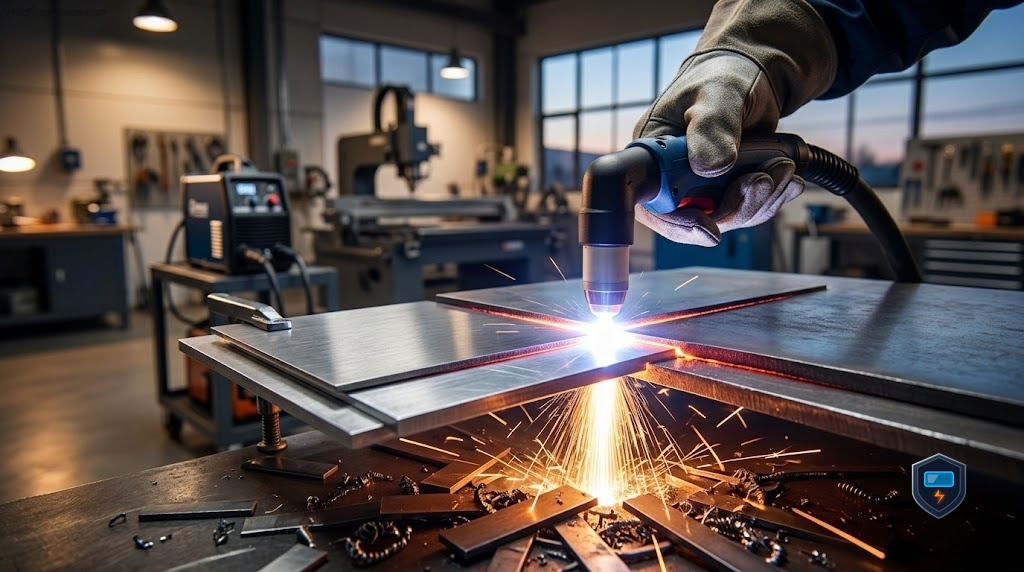
Does a plasma cutter cut aluminum? Yes. Here is why plasma works on aluminum when a torch cannot, plus the amperage, air and speed setup for clean, low-dross cuts.
How to cut stainless steel with a plasma cutter: why plasma works on stainless, the amperage, air and speed setup for clean edges, and controlling dross and discoloration.
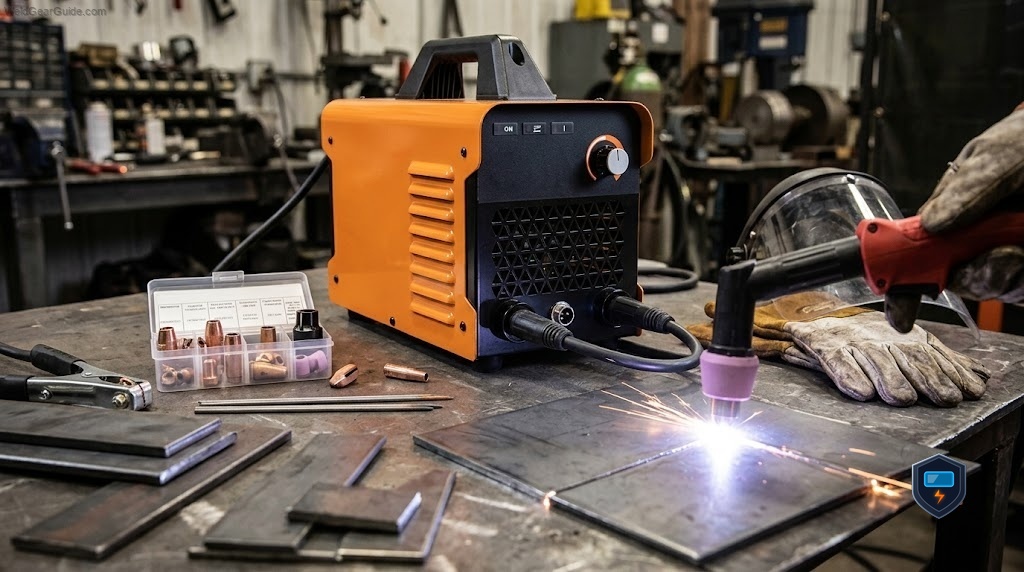
A guide to the Cut 50 plasma cutter class: what 50 amps really cuts, the PT31 vs pilot-arc torch difference, air needs, and how to choose a reliable Cut50 machine.
A practical look at the Chicago Electric 58605 20 amp plasma cutter: what 20 amps really cuts, its contact-start torch, air needs, limits, and who it suits.
Can a plasma cutter cut stainless steel? Yes. Here is why plasma works on stainless when a torch cannot, plus the setup for clean edges and controlling heat tint.
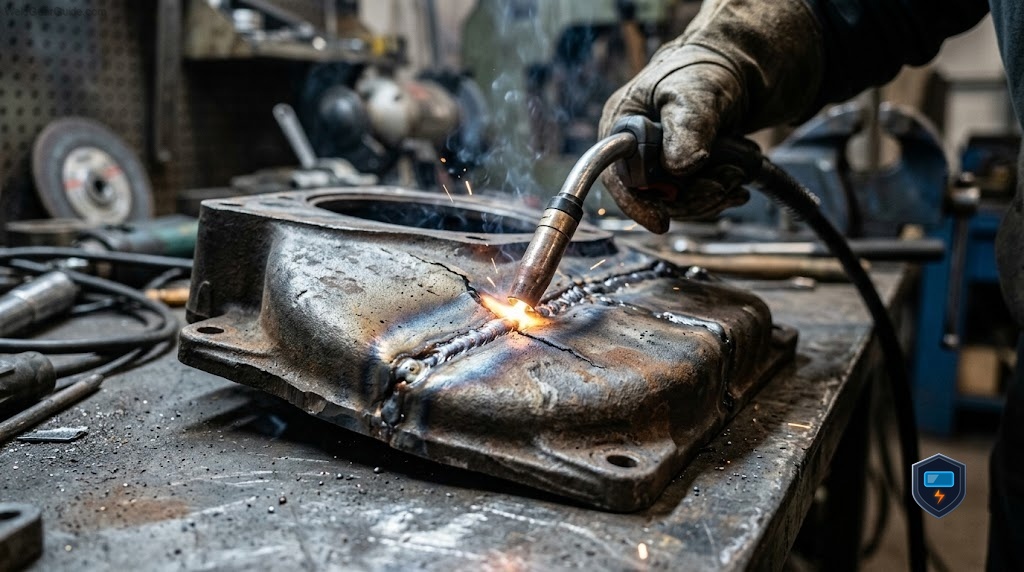
Can you MIG weld cast iron? The honest answer, why cast iron is so hard to weld, when MIG can work, and the better methods for a lasting repair.
What a CNC plasma cutter is, how the power source, torch and table work together, and the air supply, amperage and duty cycle that set its real cutting limits.
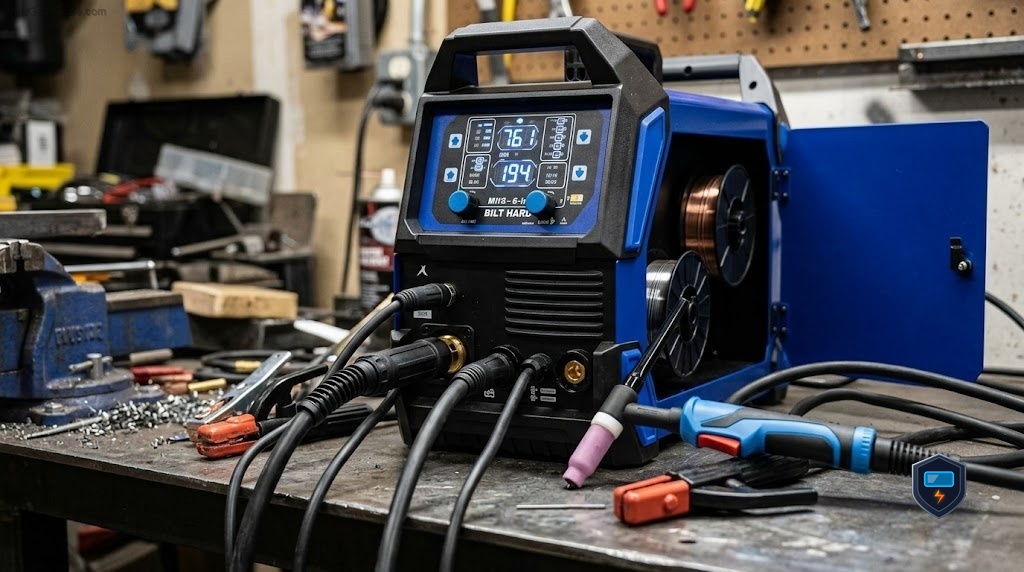
A hands-on look at the BILT HARD Aluminum 250A 6-in-1 IGBT MIG welder: what its six processes really cover, dual voltage, and the warranty catch.
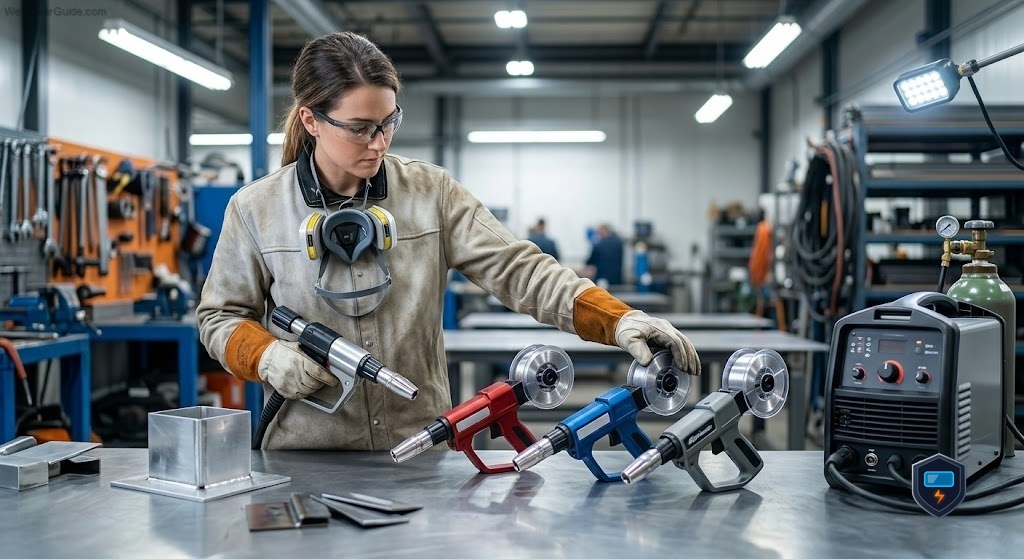
How to choose an aluminum spool gun and the wire, gas, and welder to match it, so your aluminum MIG welding setup works together from the start.
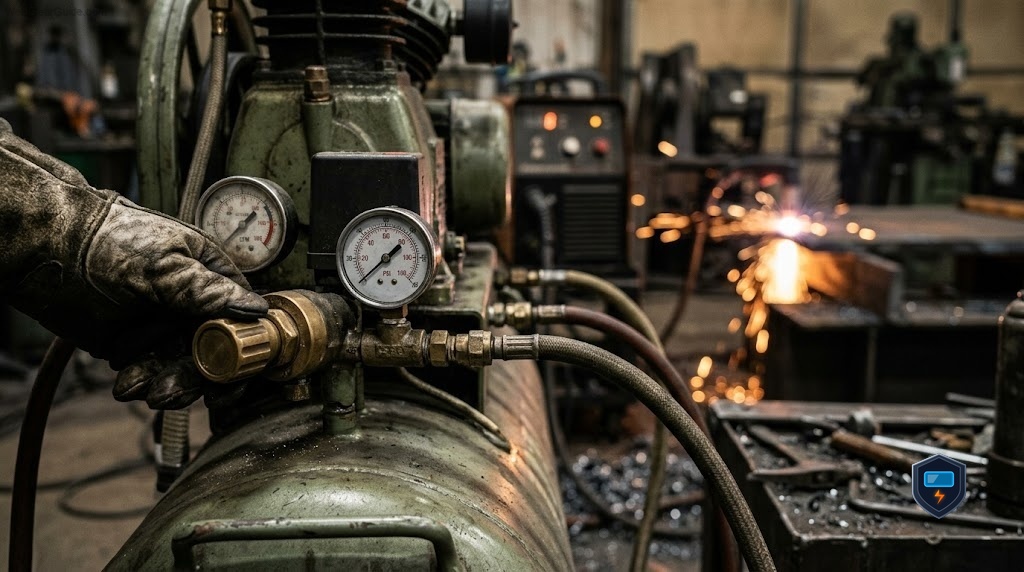
How to size an air compressor for a plasma cutter: understanding CFM and PSI requirements, tank size, clean dry air, and matching the compressor to your machine.
A realistic roadmap for learning to weld, from choosing a first process to a practice plan that builds real skill safely.
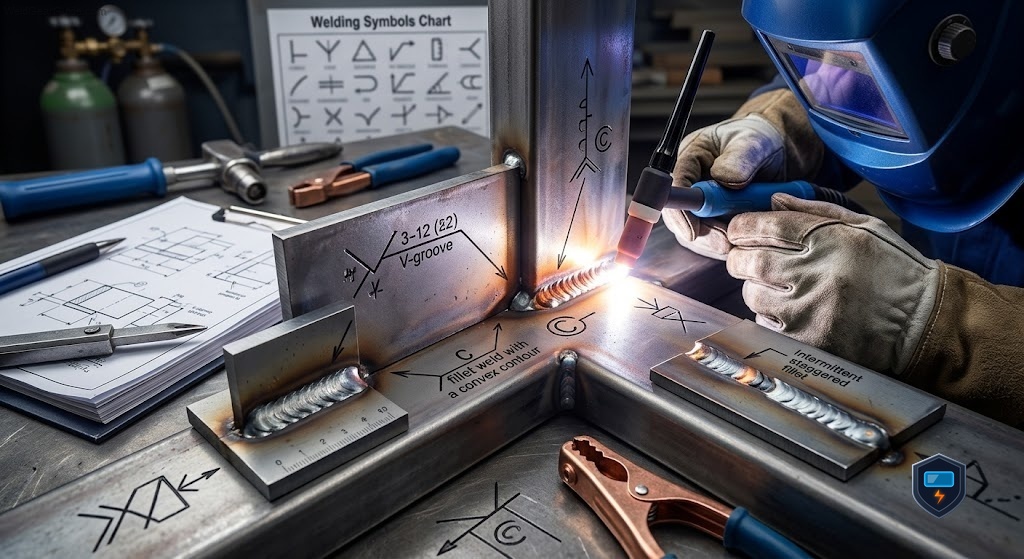
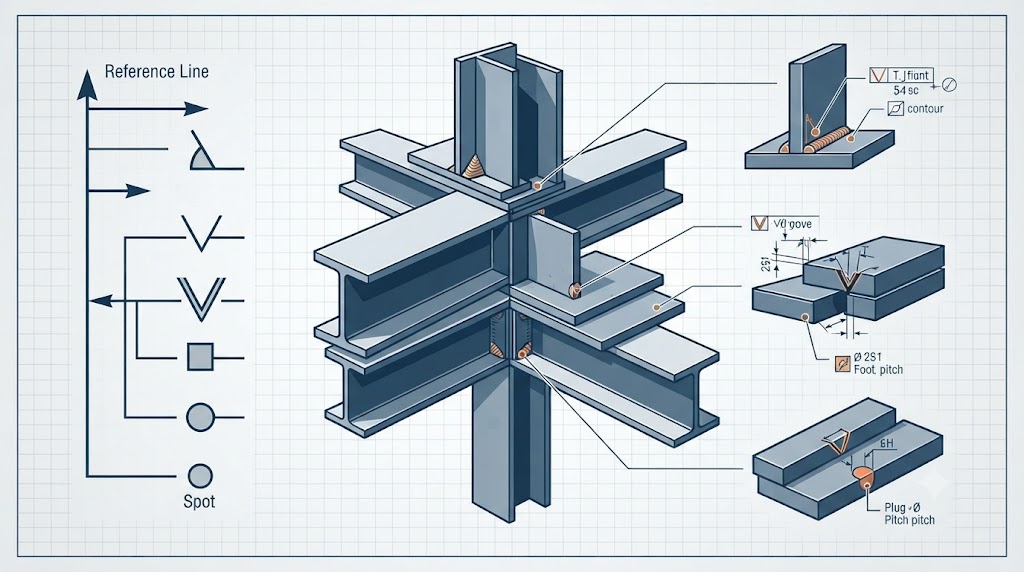
A practical guide to the AWS welding symbol system, the standard behind the marks on drawings, with worked examples of common symbols.
What a 65 amp plasma cutter really cuts, why it suits serious shops, the torch, duty cycle and air needs, and how to choose between handheld and mechanized use.
What a 50 amp plasma cutter really cuts, the pilot-arc vs contact-start torch difference, air and voltage needs, and how to choose a reliable 50 amp machine.
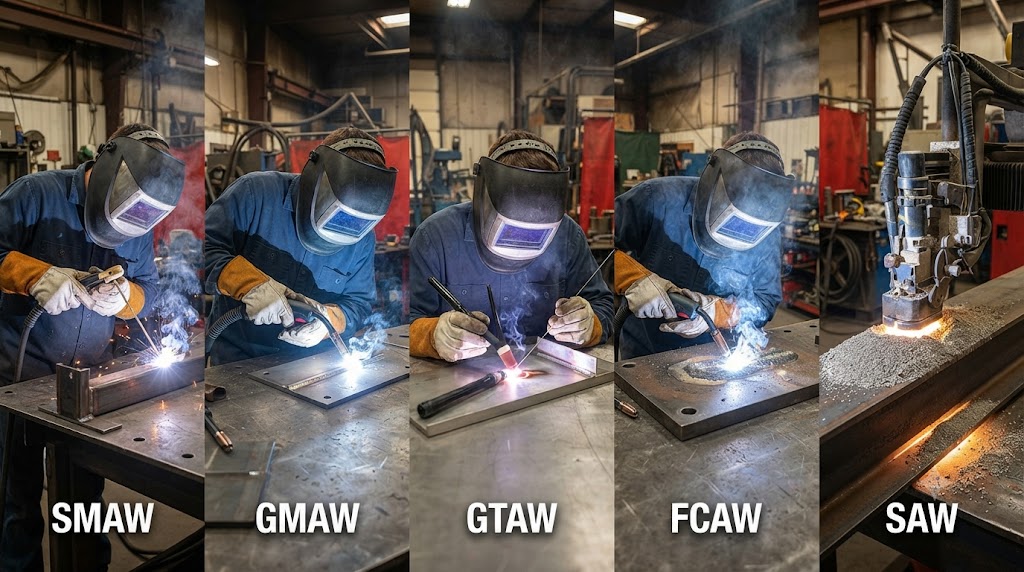
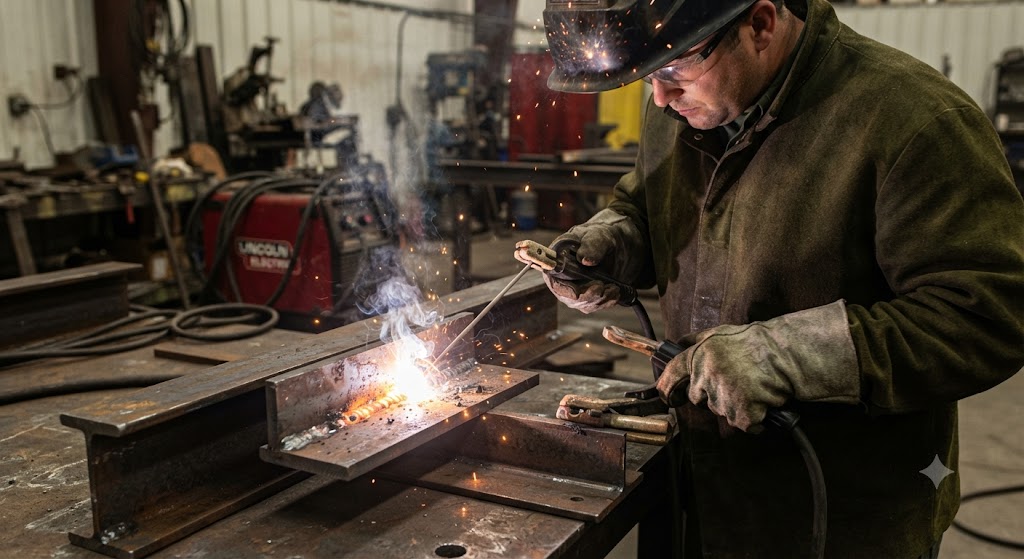
SMAW is stick, GMAW is MIG, GTAW is TIG, FCAW is flux core, SAW is submerged arc. Decode the five arc welding process types and how they differ.
AWS A2.4 is the standard behind every weld symbol on a US print. Learn what it covers, how it differs from ISO 2553, and where to get an official chart.
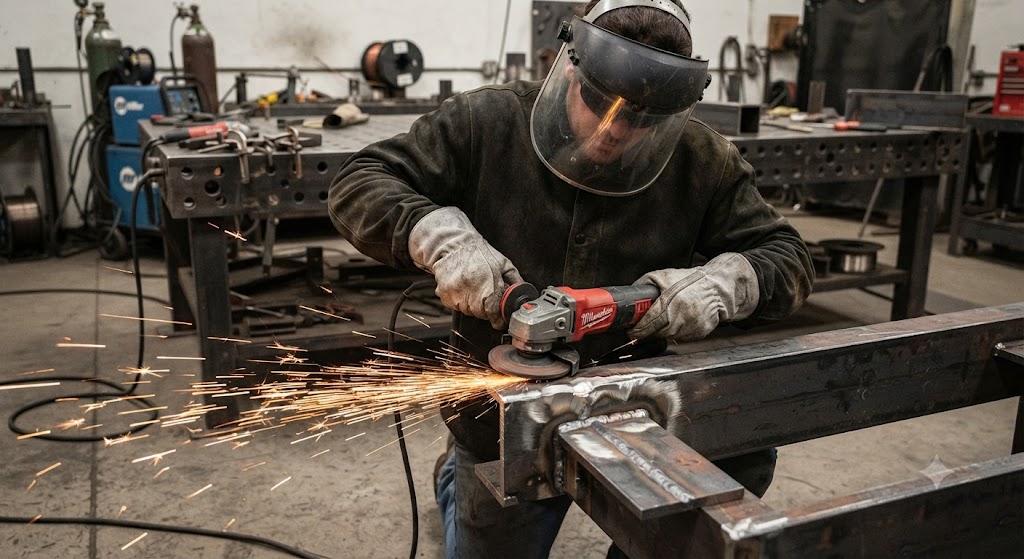
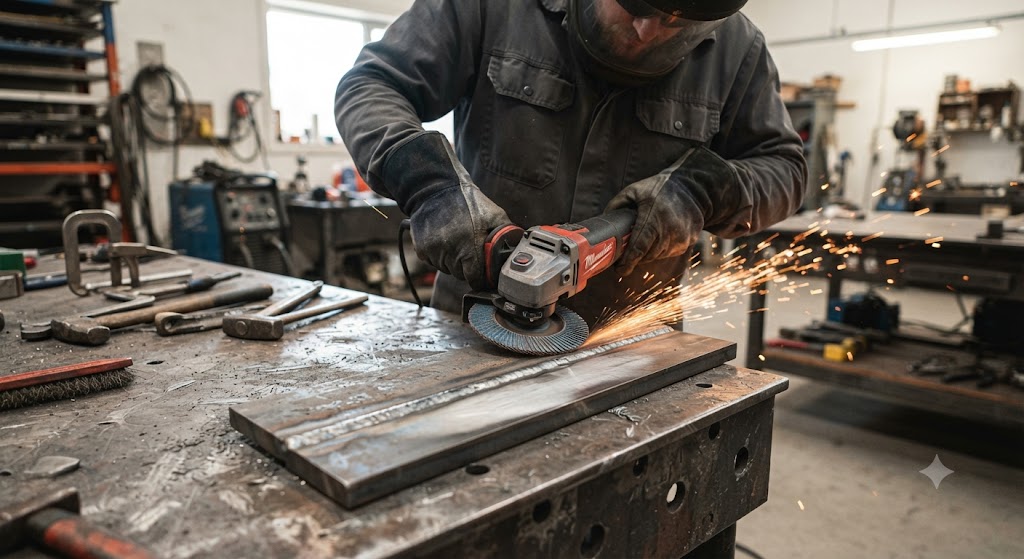
The best angle grinder for welders is a 4.5 to 5 inch paddle-switch model with a strong, dust-protected motor. Compare the DeWalt DWE402, Metabo, and Makita.
Theres no separate butt weld symbol, a butt joint uses a groove symbol. Learn how to symbolize butt welds, choose the groove, and show full penetration.
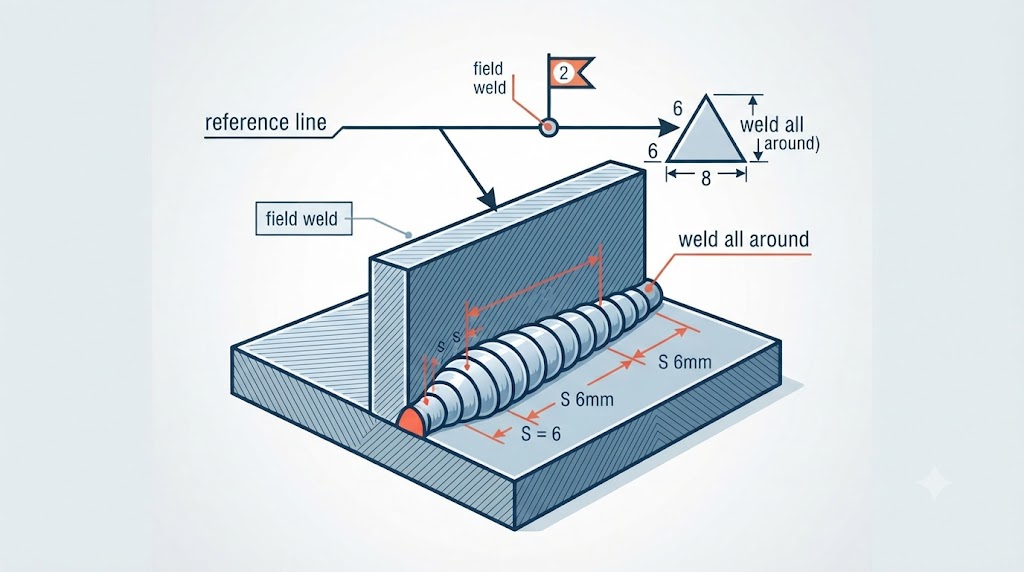
The field weld flag means weld on site; the all-around circle means weld around the joint. Learn both symbols and what all around really means.
Learn the fillet weld symbol: the right triangle, which side to weld, where size and length go, and how unequal legs are shown on a drawing.
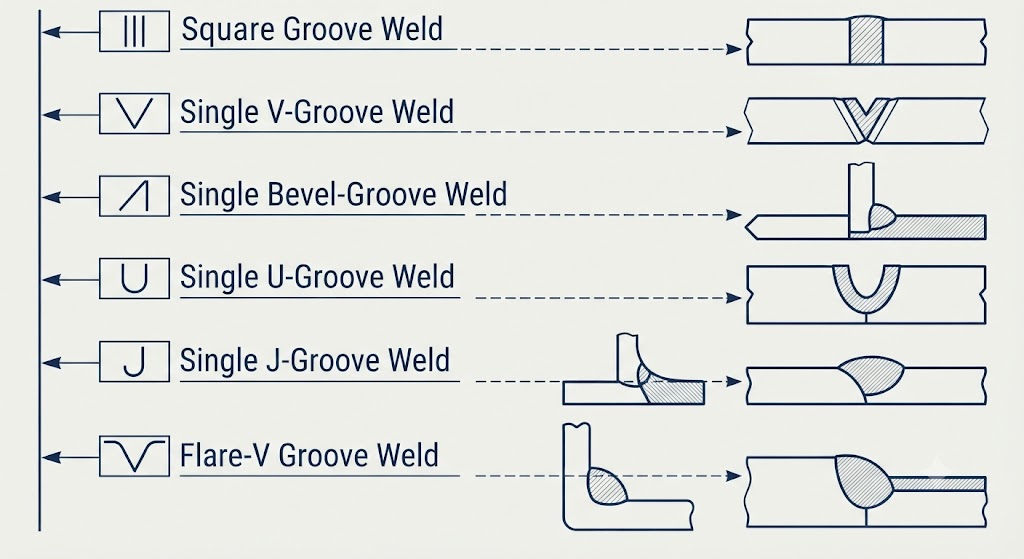
Read groove weld symbols with confidence: square, V, bevel, U, and J grooves, plus groove angle, root opening, weld size, and CJP vs PJP explained.
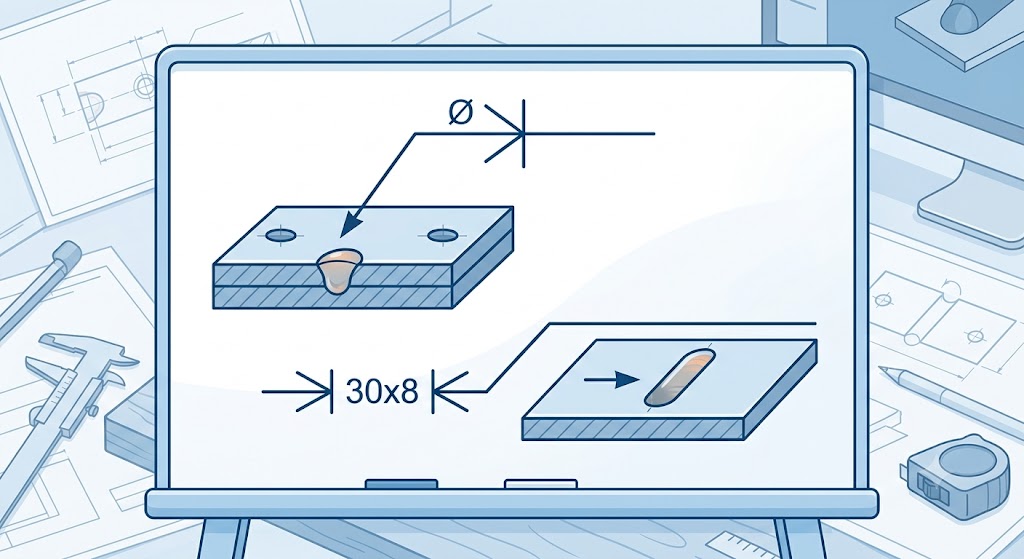
Understand plug and slot weld symbols: hole diameter, countersink angle, depth of filling, and pitch, plus how plug and slot welds differ.
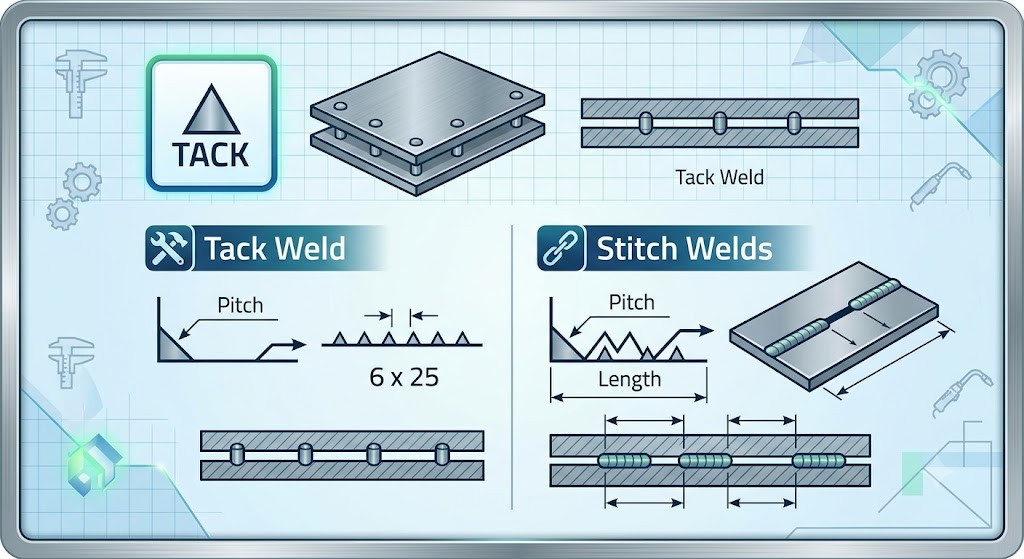
Tack welds hold parts for fit-up; stitch (intermittent) welds are spaced segments. Learn how each is shown and how to read length-pitch notation.
Welders flash (arc eye) is photokeratitis, a UV sunburn of the cornea. Learn its causes, why symptoms are delayed, how long it lasts, and how to prevent it.
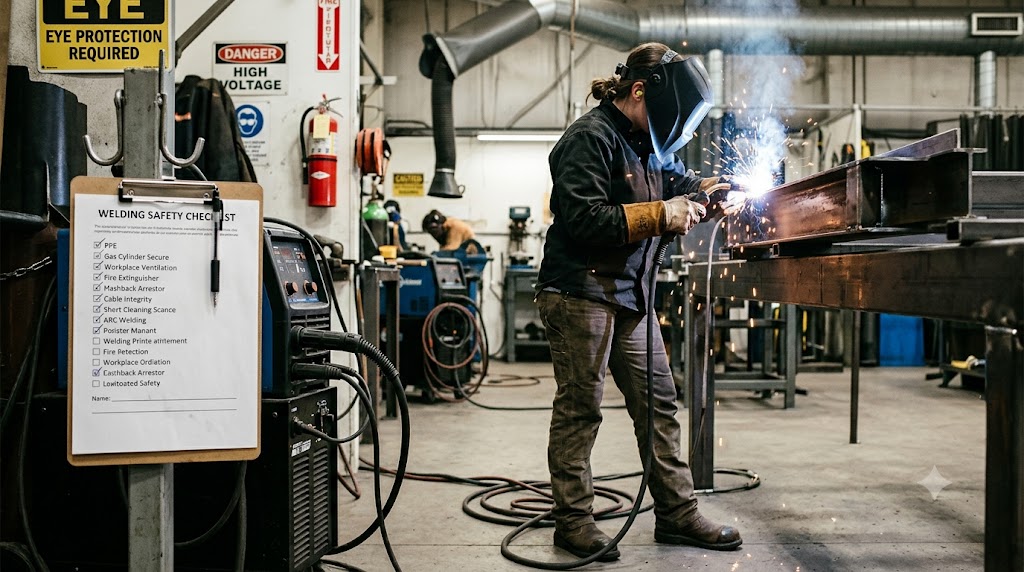
Welding involves fire, electricity, UV radiation, toxic fumes, and hot metal. A systematic pre-weld safety check prevents the most common welding injuries and s...
Welding safety glasses serve critical functions before, during, and after welding operations that a full helmet does not cover. They are not a replacement f...
When I was an apprentice, an older welder handed me a welding helmet and a pair of gauntlet gloves and told me that was all I needed. It was not bad advice for...
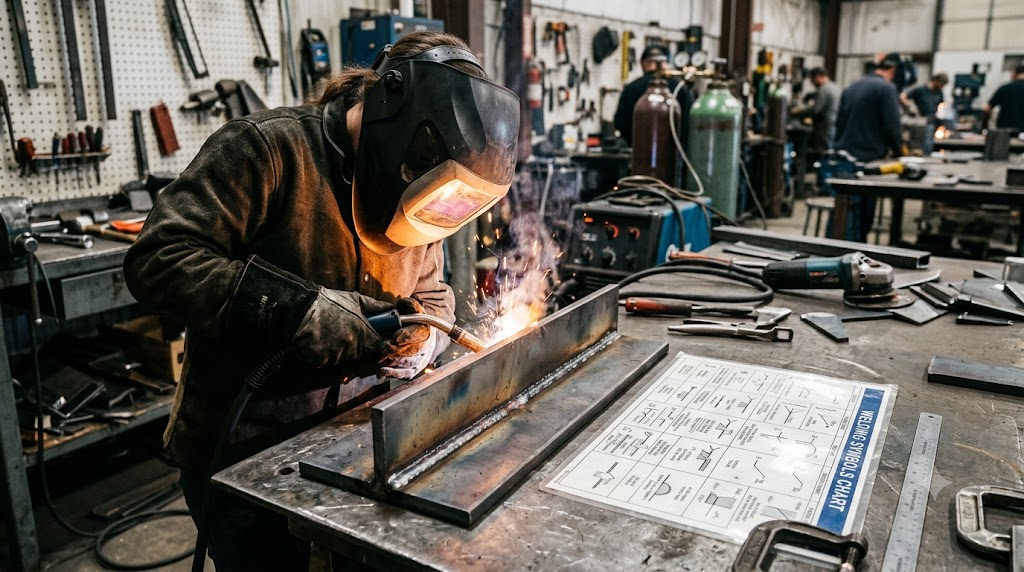
Read any welding blueprint with confidence. This visual guide breaks down every part of a welding symbol, from the reference line and arrow to weld types.
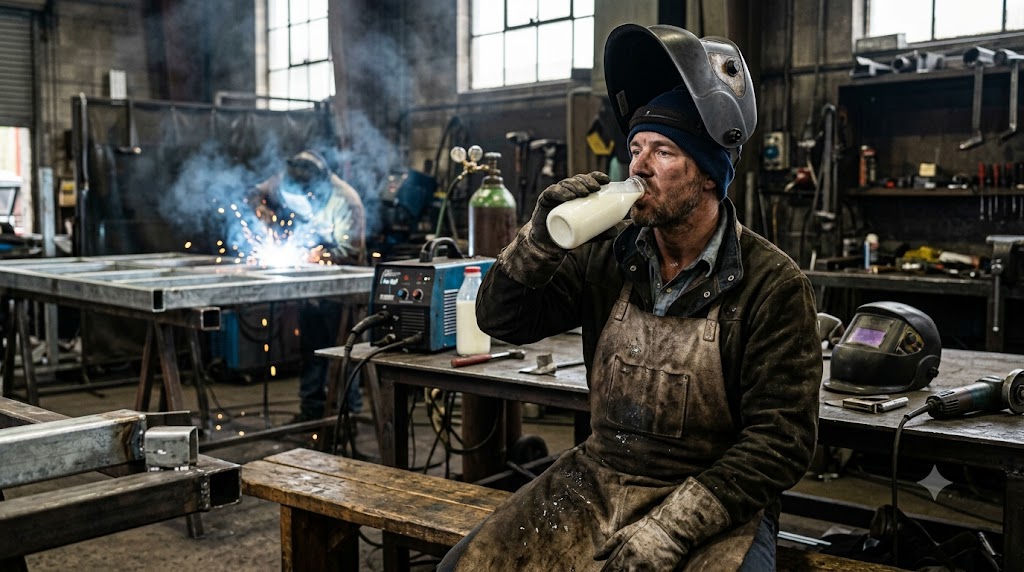
Welders drink milk after welding galvanized steel out of myth, not science. Milk cant stop metal fume fever. Heres what actually protects you.
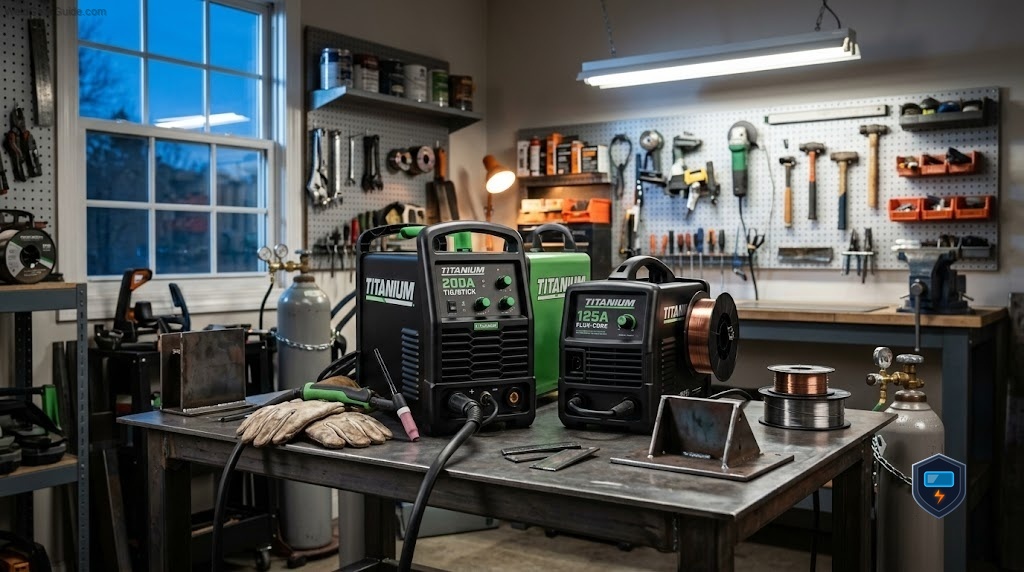
Harbor Freight's Titanium welder line spans flux-core, MIG and multiprocess machines. We compare the Easy-Flux 125, MIG 170 and Unlimited 200 with real flaws and verdicts.
What a Harbor Freight stick welder does well, where it falls short, and the settings, rods and fixes that solve the problems people run into most.
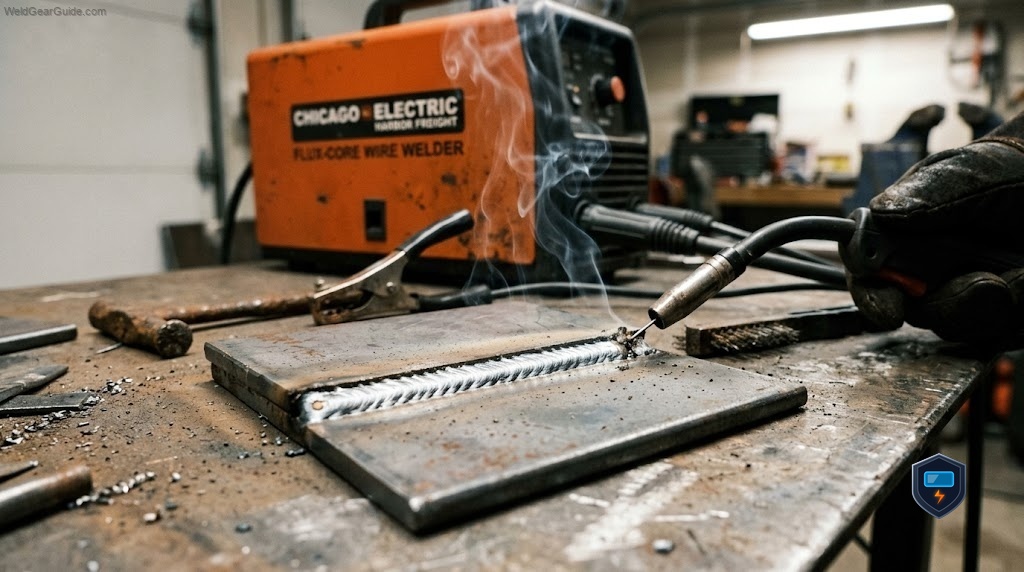
How to get sound welds from a budget flux core welder, covering realistic capability, wire upgrades, polarity checks and the fixes for spatter and porosity.
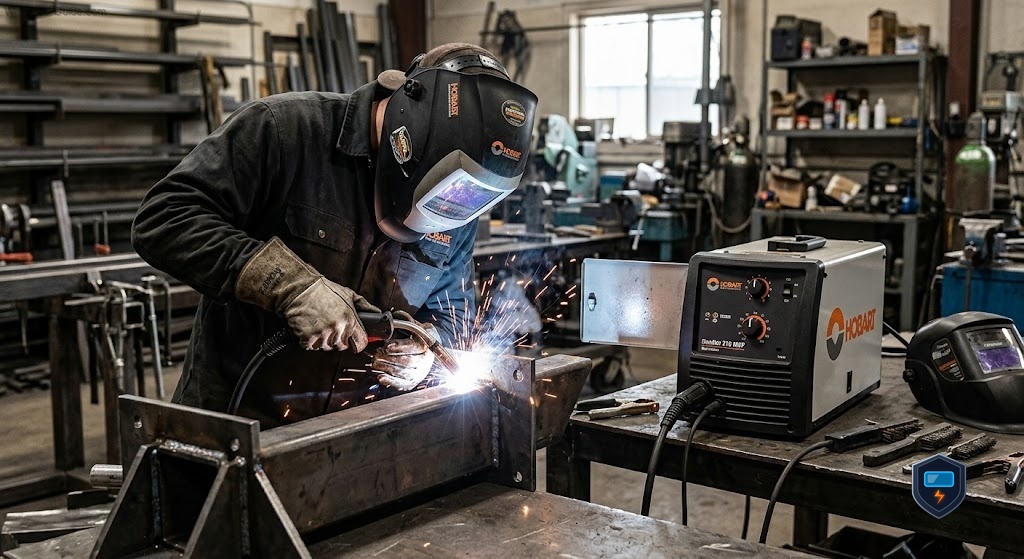
A buyer-focused look at the Hobart Handler 210 MVP MIG welder, weighing its dual-voltage flexibility, power, and value against who should actually buy it.
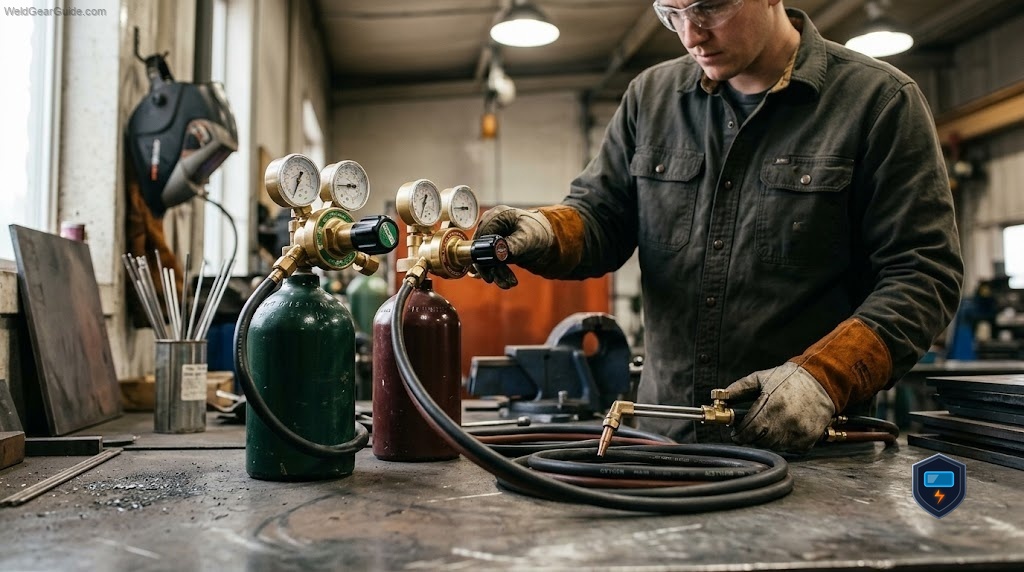
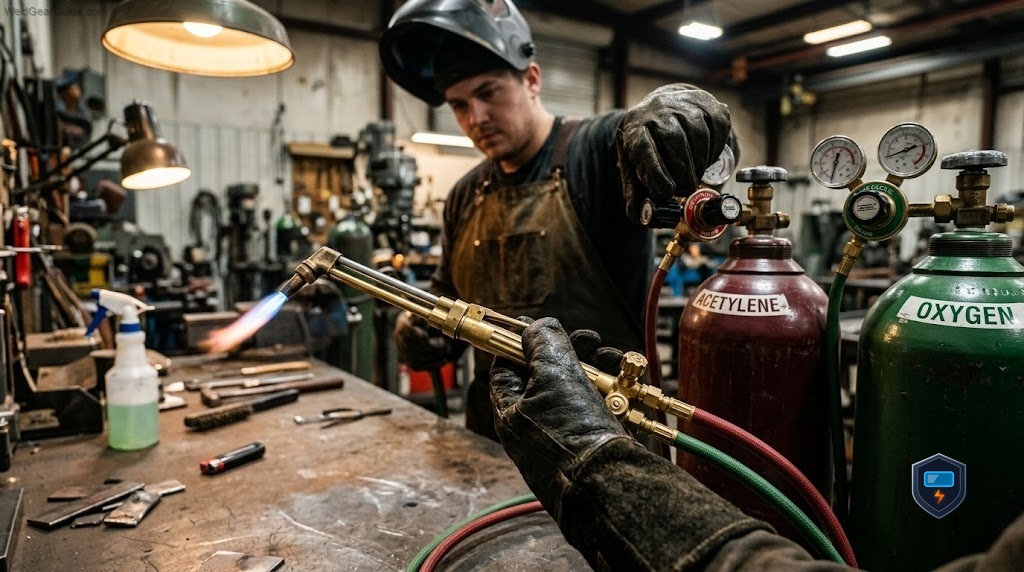
A complete rundown of the gas welding supplies you need, how to choose the right gas, and how to set up flow for clean welds.
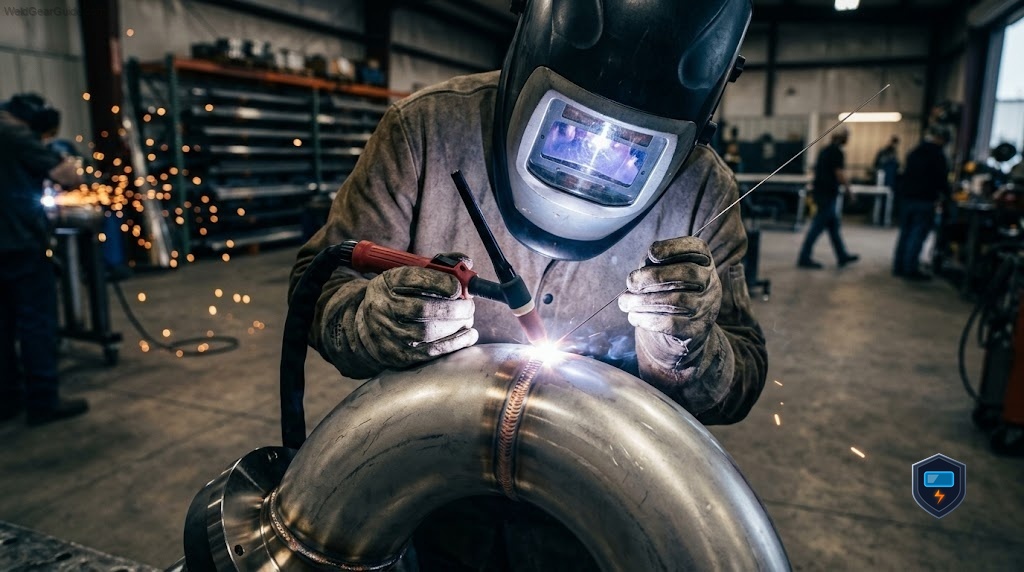
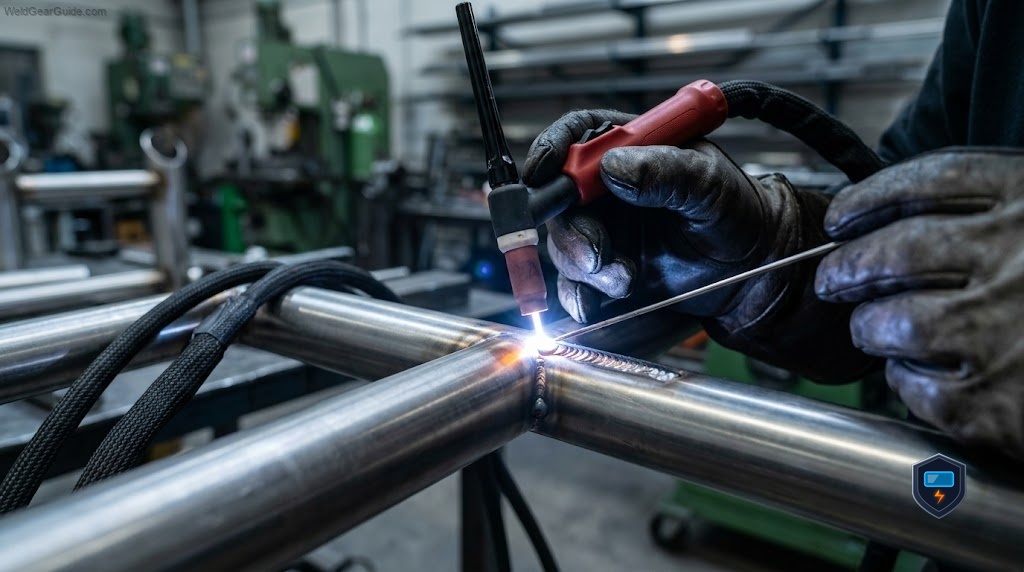
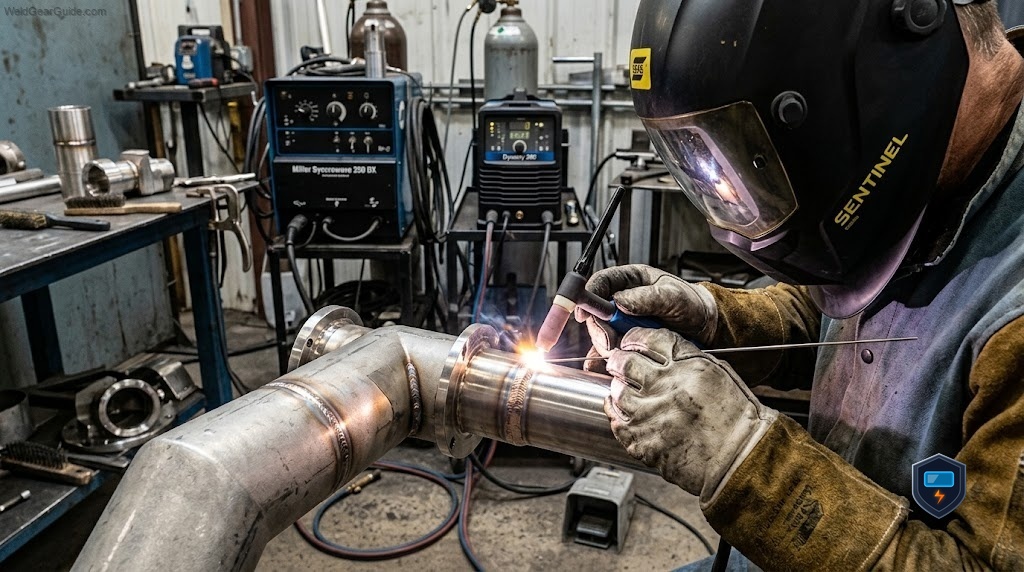
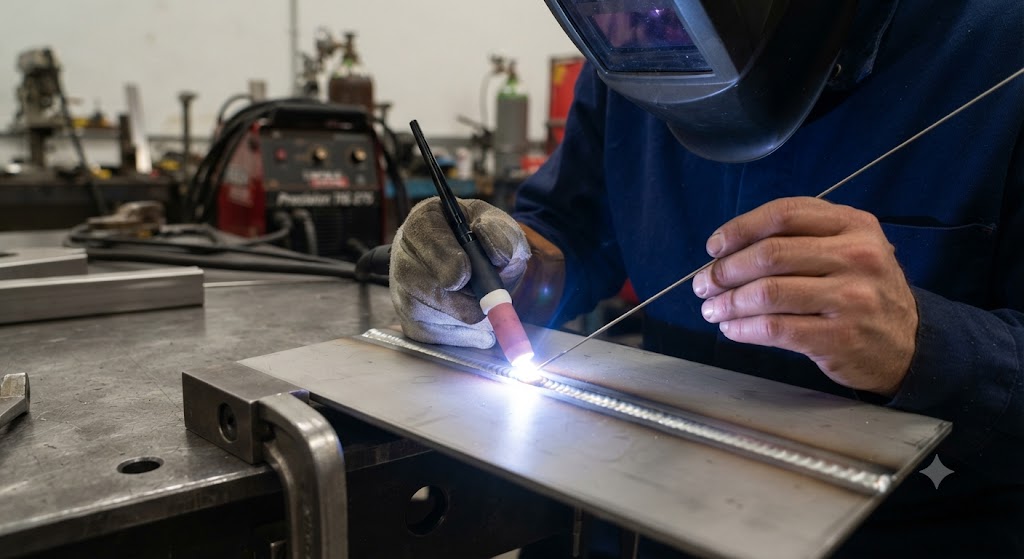
GTAW explained plainly: what the acronym means, how the process works, how it relates to TIG, and a quick reference to the metals, gas and gear it uses.
GTAW and TIG welding explained: why they are the same process, what the arc and gas do, and the practical path to cleaner, more controlled welds.
A guide to GTAW welding machine classes: inverter vs transformer, DC-only vs AC/DC, entry vs shop vs industrial, and duty cycle, so you buy the right class.
A clear definition of GMAW welding, what the term means, how the process works, its types, and why it is the same thing as MIG welding.
What a GMAW MIG welder is, why GMAW and MIG are the same process, and how the machine works so you understand exactly what you are buying.
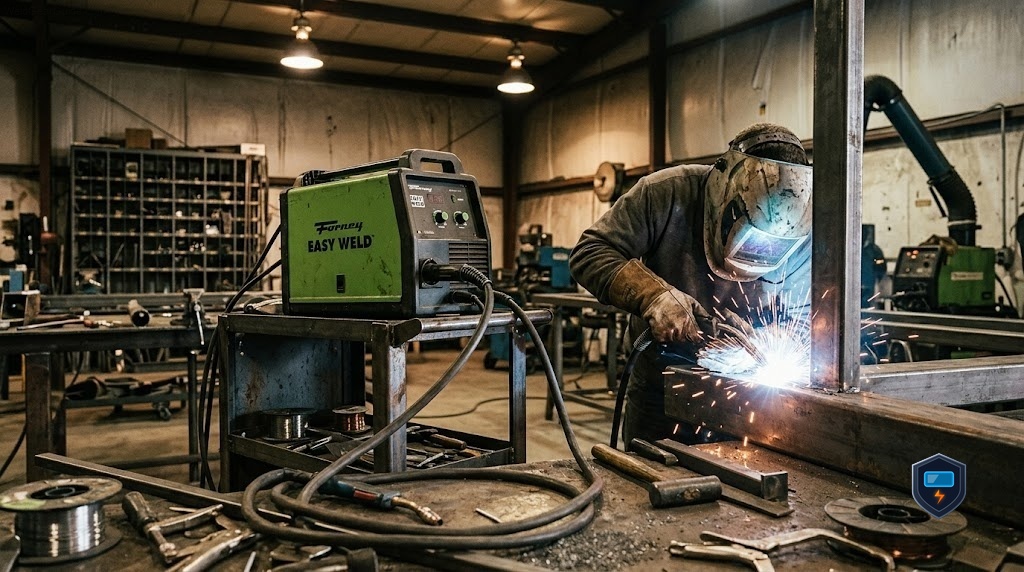
The Forney Easy Weld line covers flux-cored, multi-process, and dual-voltage welding for DIY and farm use. Here is how the 140 FC-i, 140 MP and 190 MP compare, and which one fits your shop.
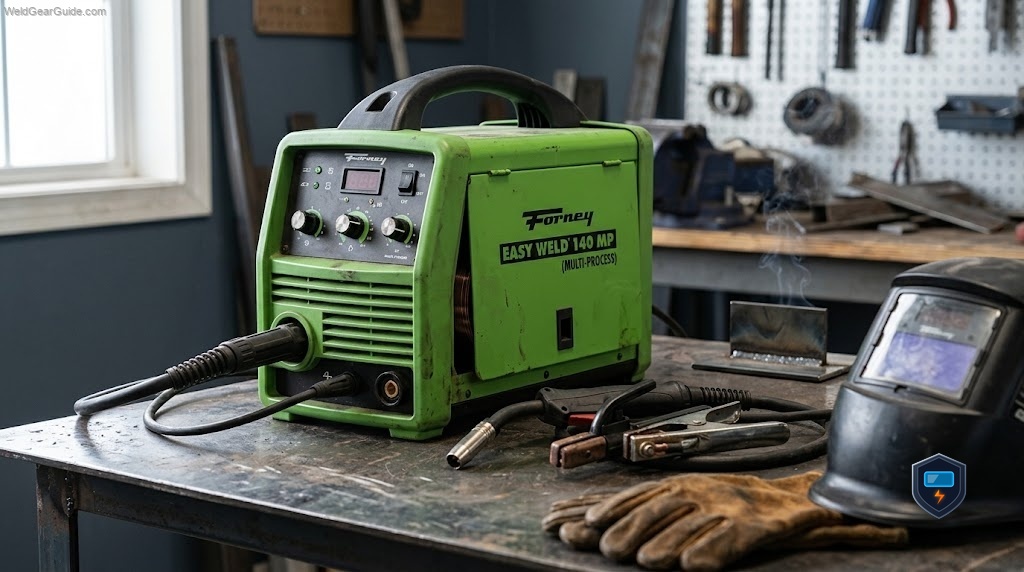
The Forney Easy Weld 140 multi process welder does MIG, stick and DC TIG on a household circuit. Here is what those three processes really give you, and what they do not.
A practical review of the Forney Easy Weld 140 FC-i flux-core welder: output, duty cycle, ease of use, and who it really suits.
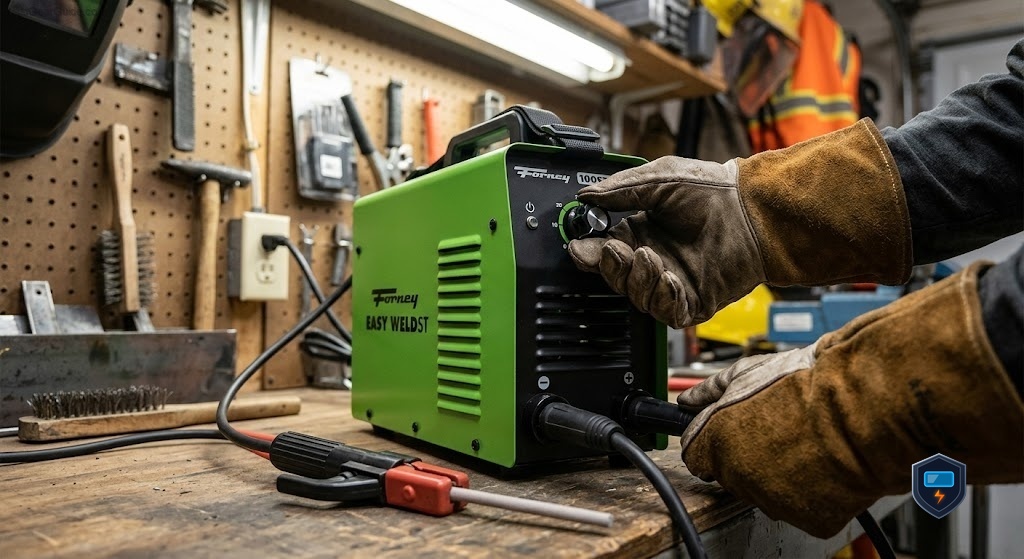
The Forney Easy Weld 100ST is a 90 amp 120V stick welder for home and farm repairs. Here is how to set it up, run it, and fix common issues.
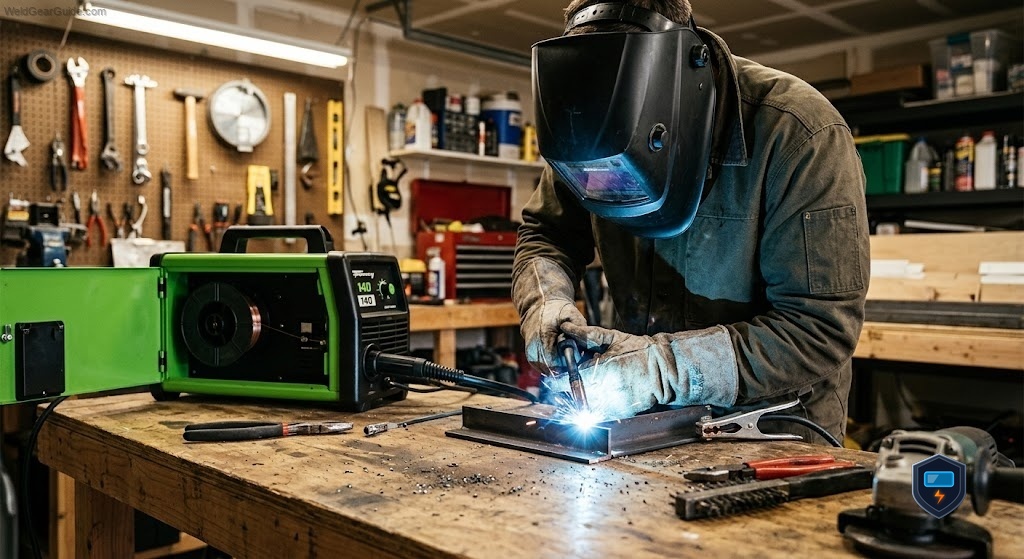
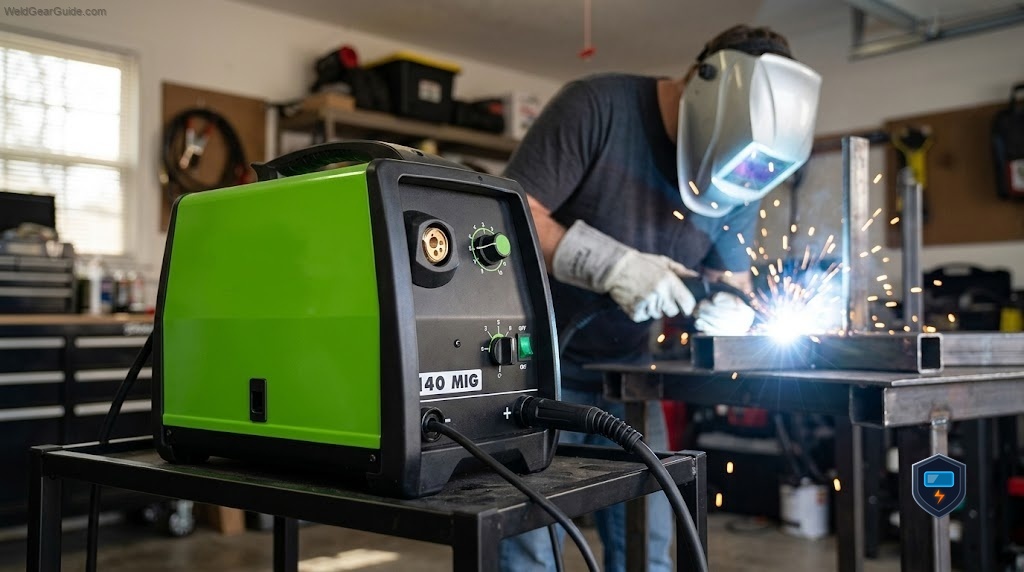
A guide to the Forney 140 MIG welder, its household-outlet power, flux-core versus gas capability, thickness range, and whether it fits your budget and needs.
A practical look at the Forney 140-amp MIG welder, its 120V household-outlet power, what it can weld, its strengths and limits, and who it suits.
Flux core welding tips for cleaner beads: stickout, drag angle, slag control, settings by ear, wire storage and the fixes for porosity and burn-through.
How to choose a flux core welding machine for the way you actually work, comparing 120 and 240 volt output, duty cycle, synergic control and multiprocess options.
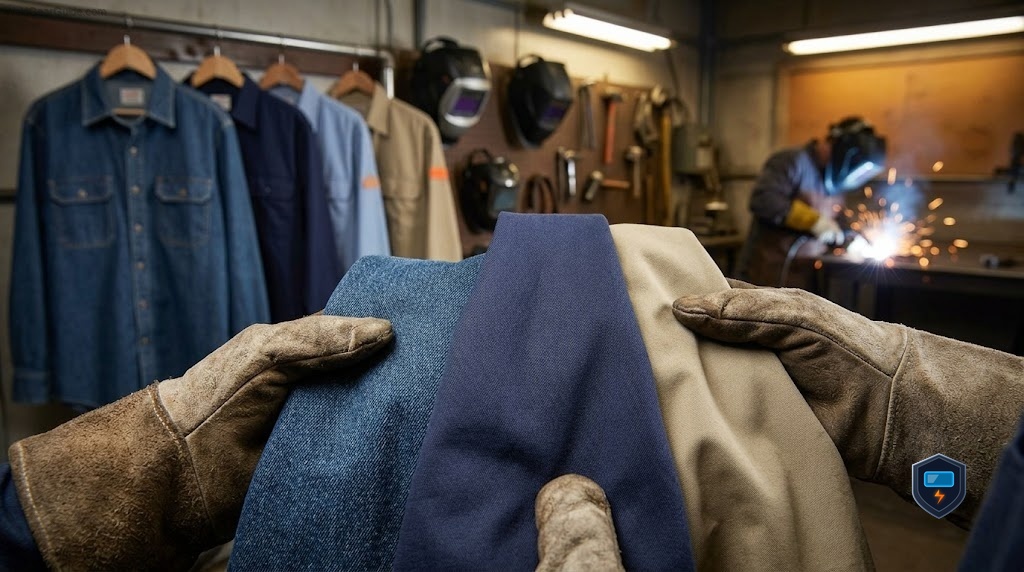
A guide to flame resistant welding shirts: FR cotton versus treated fabric, weight and NFPA 2112 ratings, fit and features, care that preserves FR, and top picks.
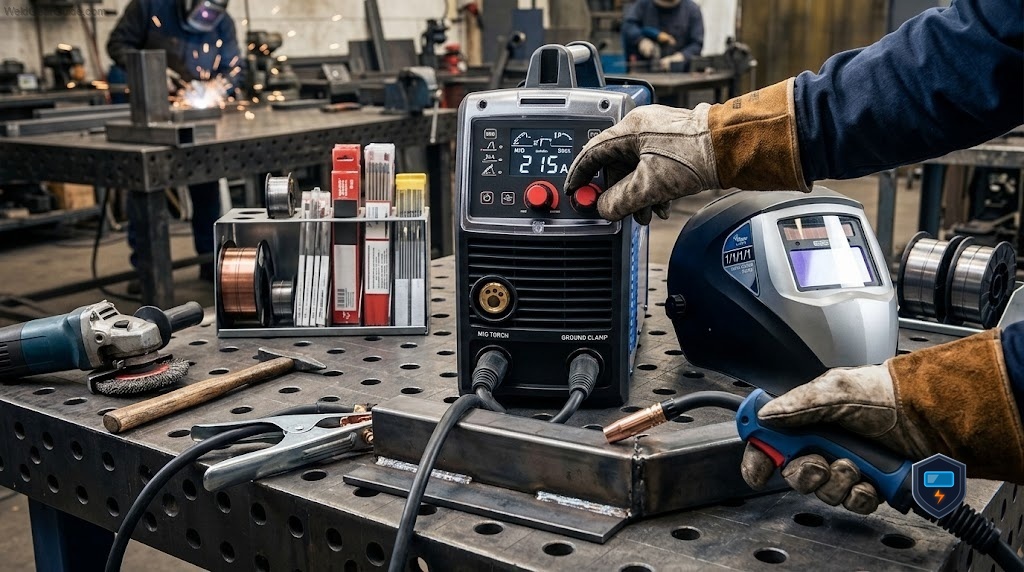
A complete rundown of the equipment a welding shop needs beyond the machine, from safety gear to the accessories that make work go smoothly.
Real-world look at ESAB Rebel and Renegade welders covering specs, duty cycles, and which jobs each model handles best.
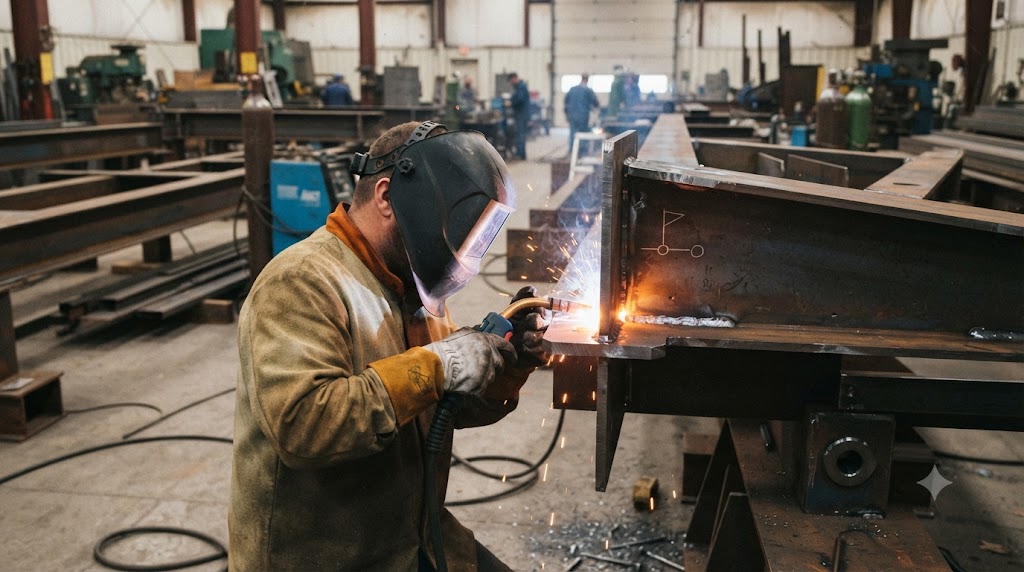
A tour of the different welding joints, how to choose the right one for a job, and how the joint relates to the weld that fills it.
What a complete joint penetration weld is, how it differs from partial penetration, and the preparation that makes it fuse through the full thickness.
The honest answer on whether a 125-volt flux-core welder can weld 3/8 inch steel, what the ratings really mean, and how to do it safely.
Whether you can MIG weld stainless steel, what it takes to do it well, and the wire, gas, and technique that produce strong, corrosion-resistant welds.
The real answer on welding aluminium with a MIG welder: what equipment you need, why a spool gun matters, and the setup that makes it work.
What a butt joint is, how edge preparation controls its strength, and how to read and weld one from a drawing.
Which shielding gas is best for MIG welding, how C25, pure CO2, argon, and tri-mix compare, and how to match the gas to your metal for the best welds.
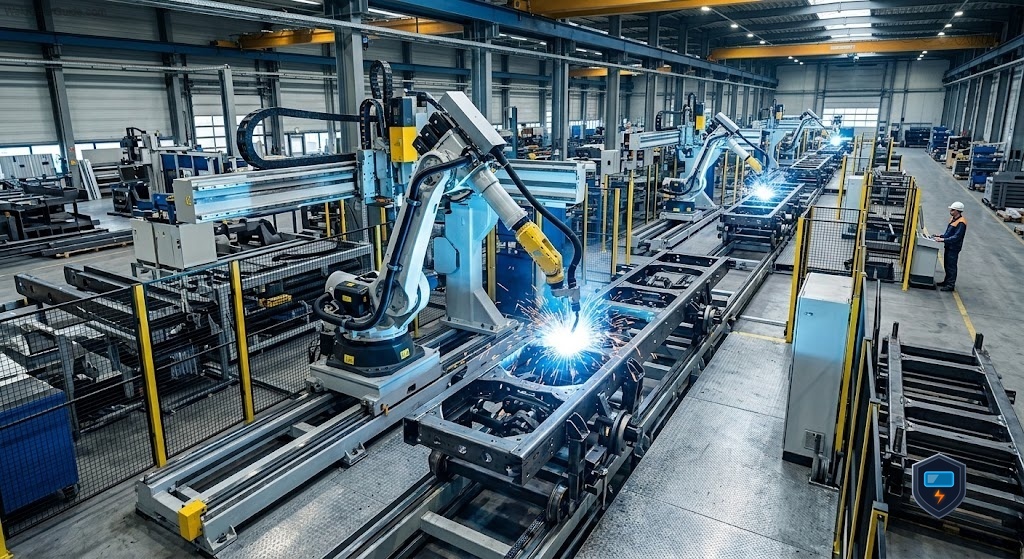
Automatic welding machines promise perfect repeatability. Here is what they do well, where they fall short, and who actually needs one.
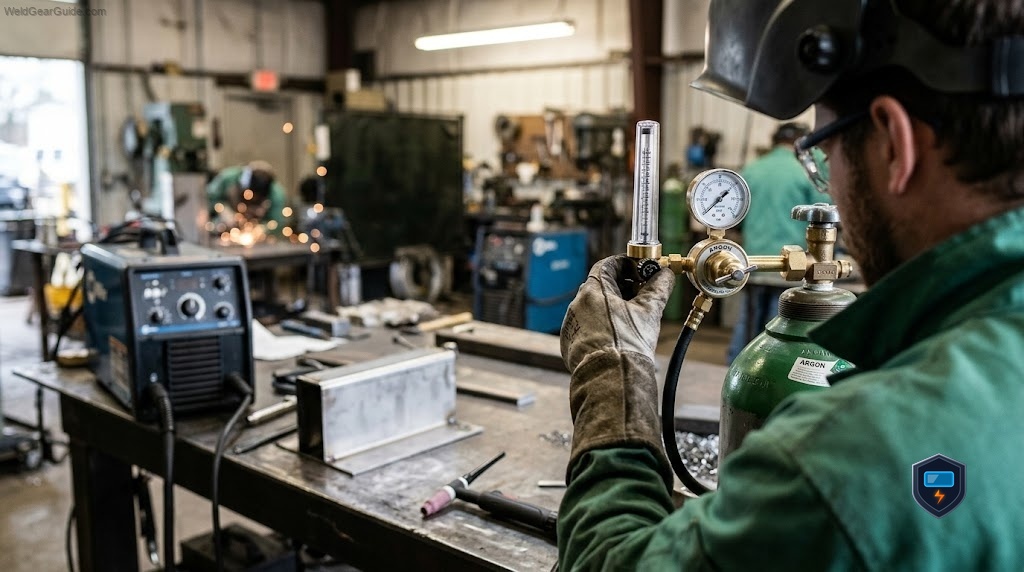
Why argon matters for TIG and aluminum welding, and how to set flow so you get clean welds without emptying the bottle.
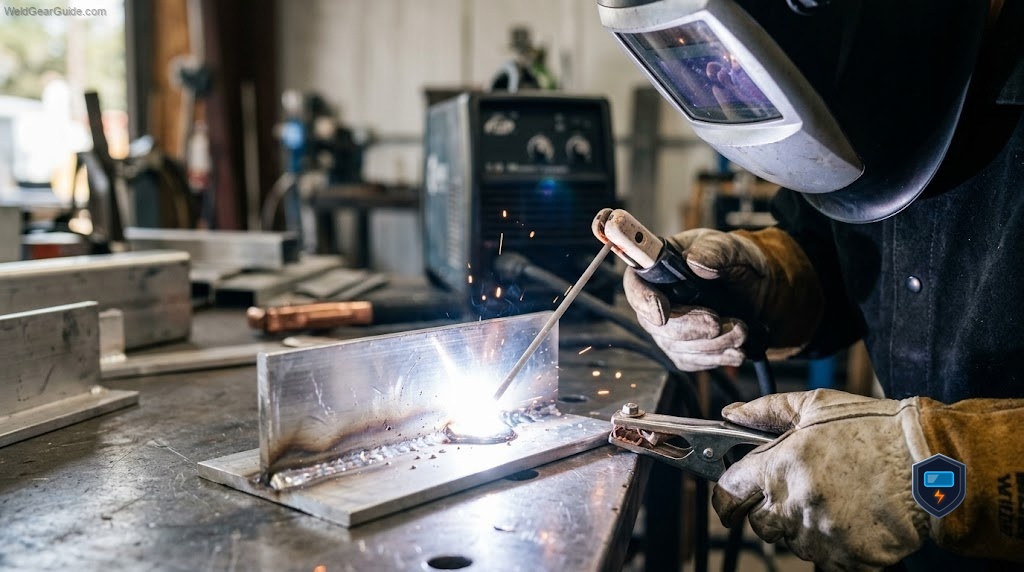
Aluminium stick welding settings that actually work: DC positive, real amperage numbers, preheat, and the jobs where this process beats waiting for gas.
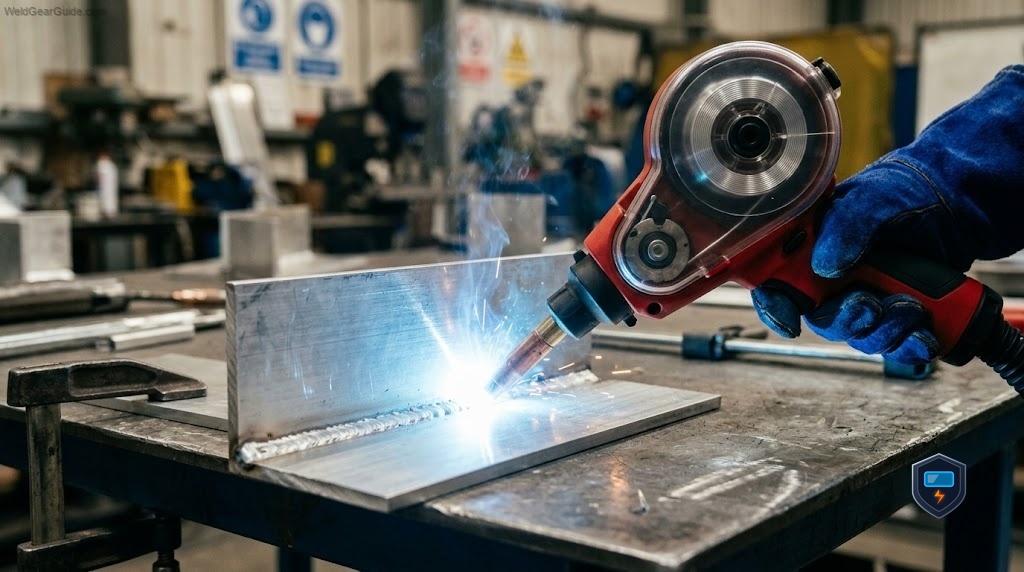
How spool gun welding solves aluminium's feeding problems, how a spool gun works, and the technique that produces clean aluminium MIG welds.
A practical guide to oxy acetylene welding equipment, the gases involved, and how to set up and light a torch safely.
How to work with a regional gas and welding supplier, from choosing cylinders to matching the regulator and process to your work.
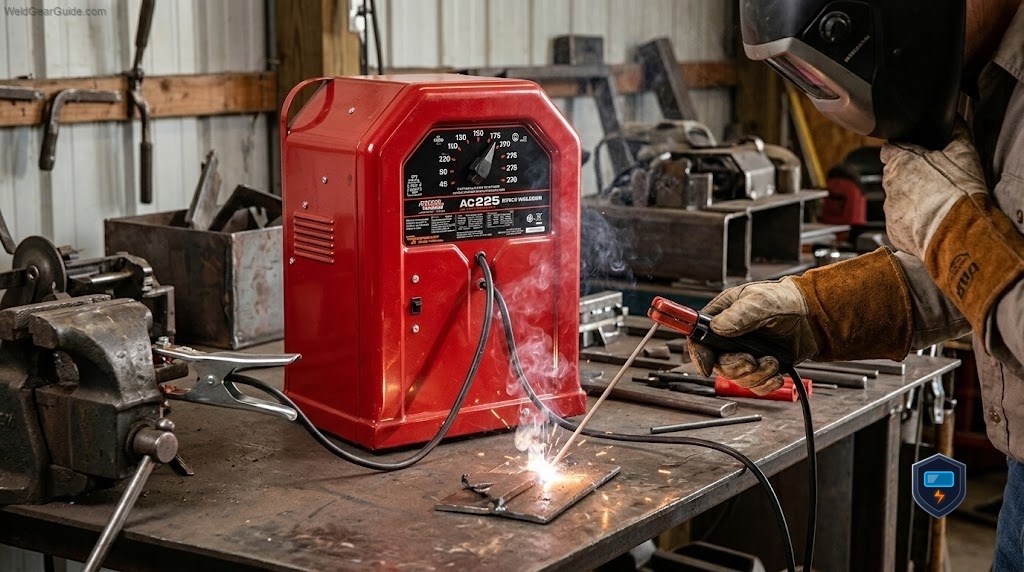
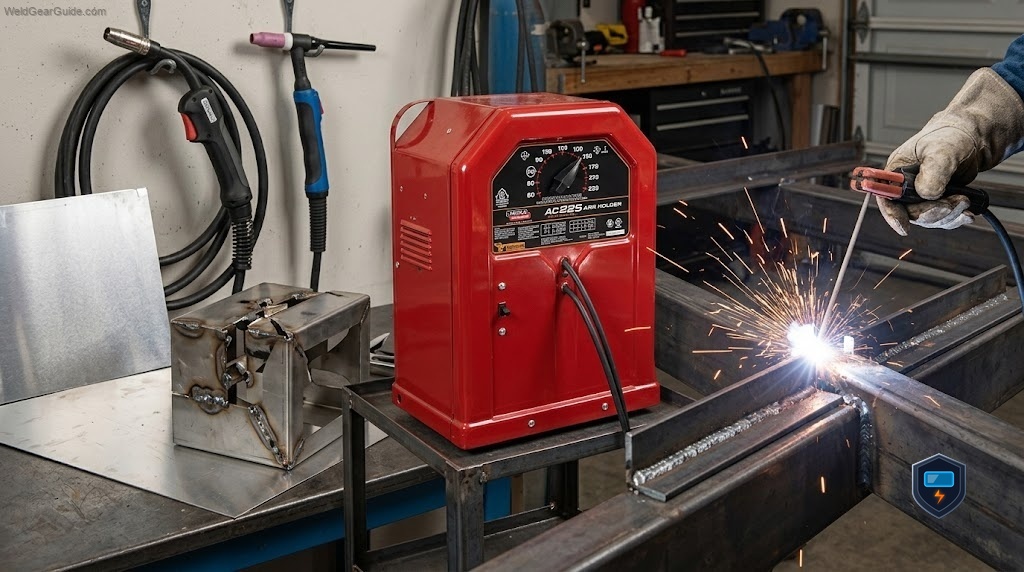
The AC225 stick welder still earns shop space decades on. Here is what it does better than an inverter, what it cannot do at all, and how to set it up.
An honest look at the AC-225-S Lincoln welder: its 20 percent duty cycle, AC only output, rod limitations, and the jobs that need a different machine entirely.
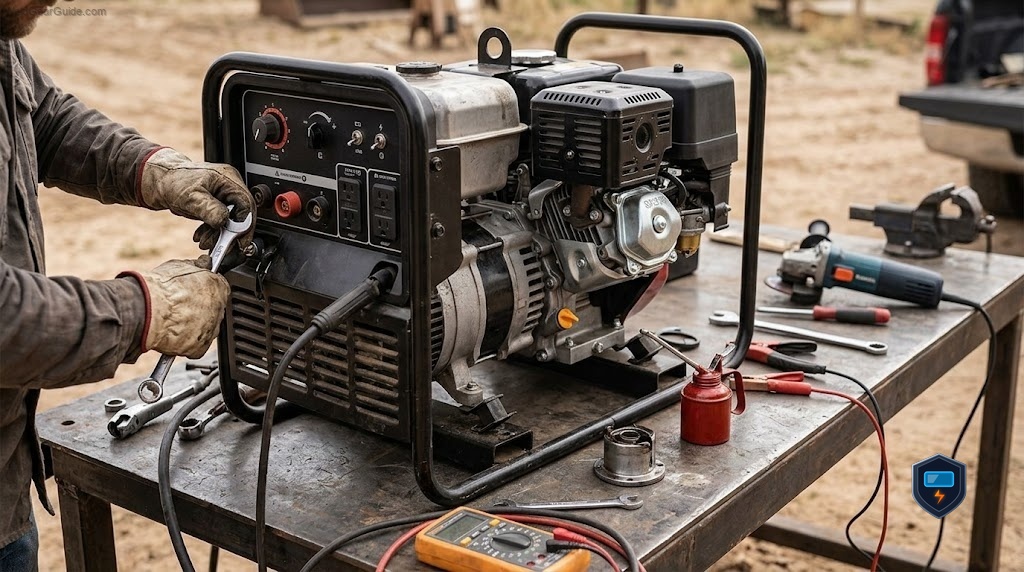
How an engine driven welder generator combo works, how to select the right one, and the setup and maintenance that keep it running.
How to shop welding supplies online, set your gas flow correctly, troubleshoot common problems, and handle cylinders safely.
What to know about sourcing shielding gas from a supplier like Airgas, plus how to set flow, troubleshoot, and stay safe.
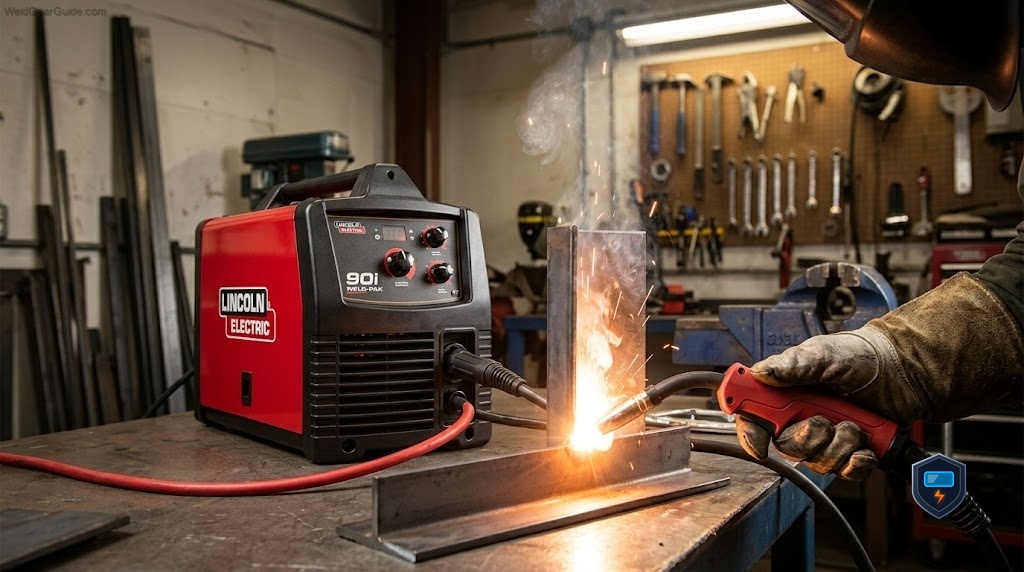
A guide to the Lincoln Weld-Pak 90i portable MIG and flux-core welder, what it can weld on a household outlet, its limits, and who it suits best.
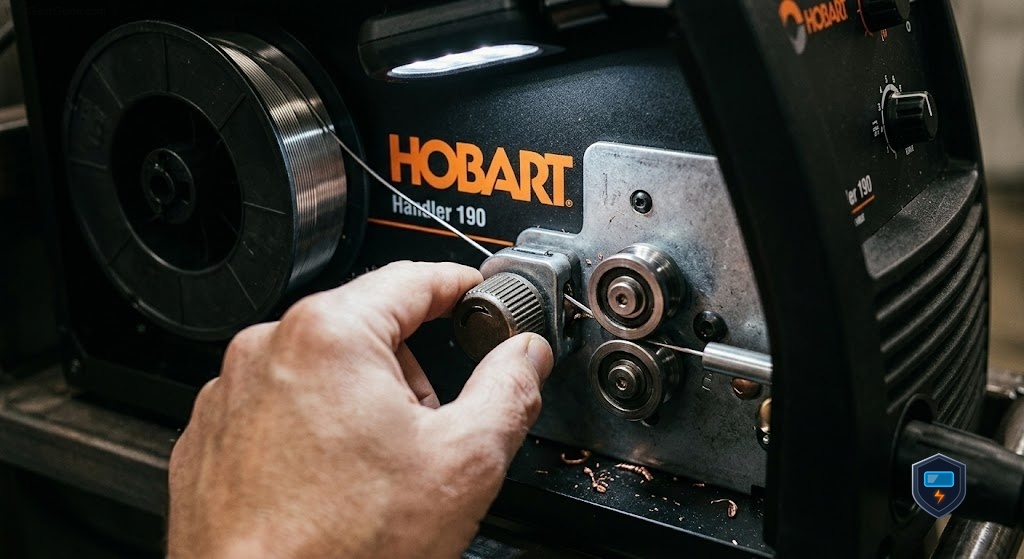
The Hobart Handler 190 is a 230V MIG welder with a 30% duty cycle at 130 amps. We cover its strengths, named flaws, and how it compares to the ESAB Rogue EM 190 Pro.
Finding FR-certified welding PPE in extended sizes is more difficult than finding standard sizing - many brands cap out at XL or 2XL. This guide identifies whic...
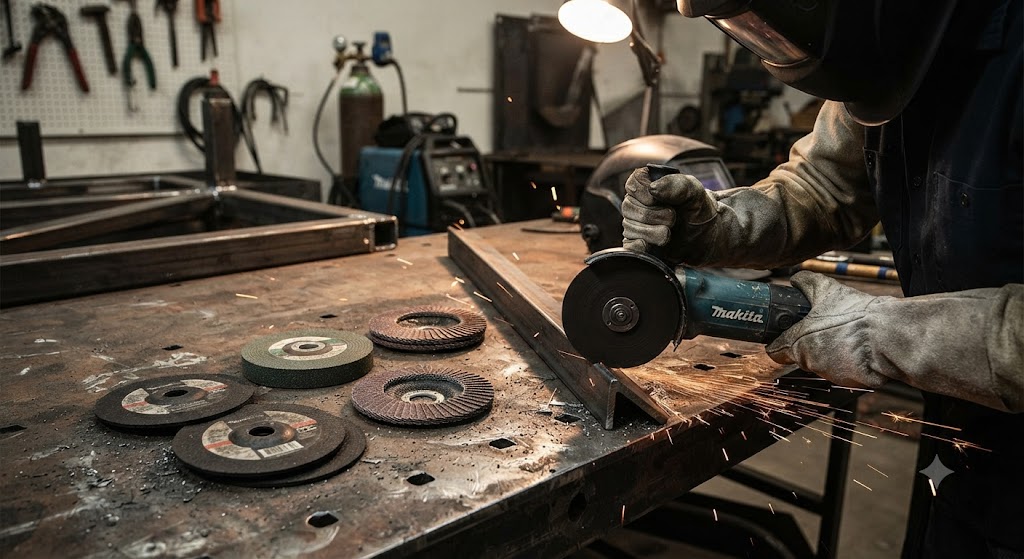
Welders use thin cut-off wheels to cut and thick grinding wheels for stock removal, with 3M Cubitron II and Norton trusted brands. Learn the discs and the safety rule.
The ESAB Savage A40 is the entry point into ESAB's Savage welding helmet family - positioned below the flagship Sentinel A50 but carrying ESAB's manufacturi...
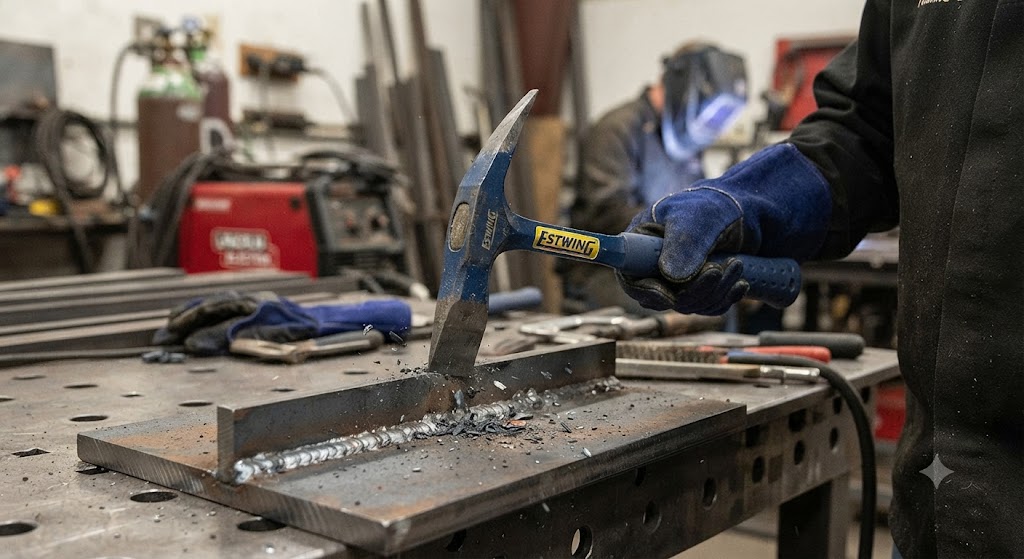
The Estwing E3-WC welding chipping hammer is forged in one piece from American steel with a shock-reduction grip. Read our review and see if its worth the step up.
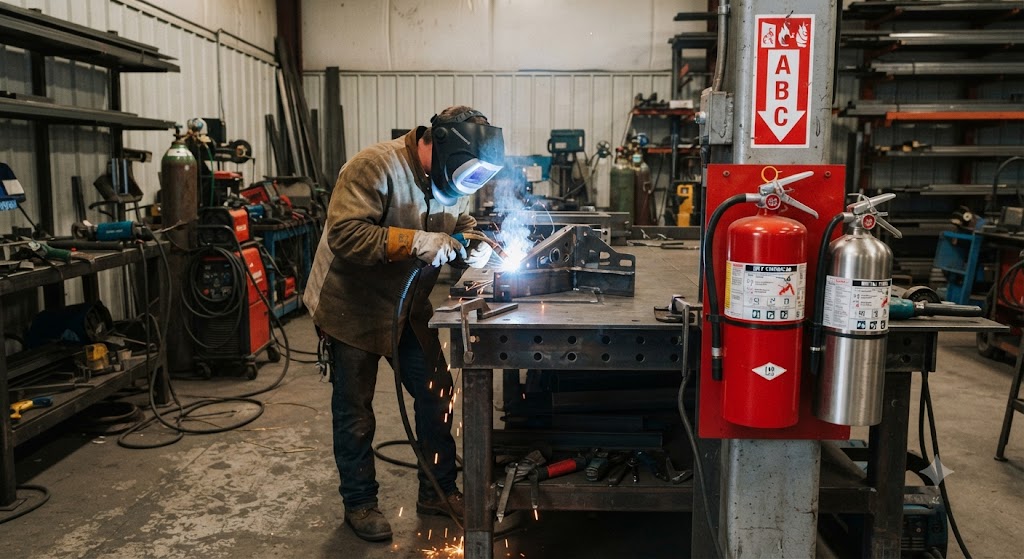
Welding shops need an ABC dry chemical fire extinguisher; Class D is only for reactive metals. Learn sizing, placement, a shipping quirk, and reliable Amerex and Kidde picks.
Choosing a flap disc for weld cleanup comes down to grain, grit, and shape. Learn zirconia vs ceramic, 40 to 80 grit, and Type 27 vs Type 29.
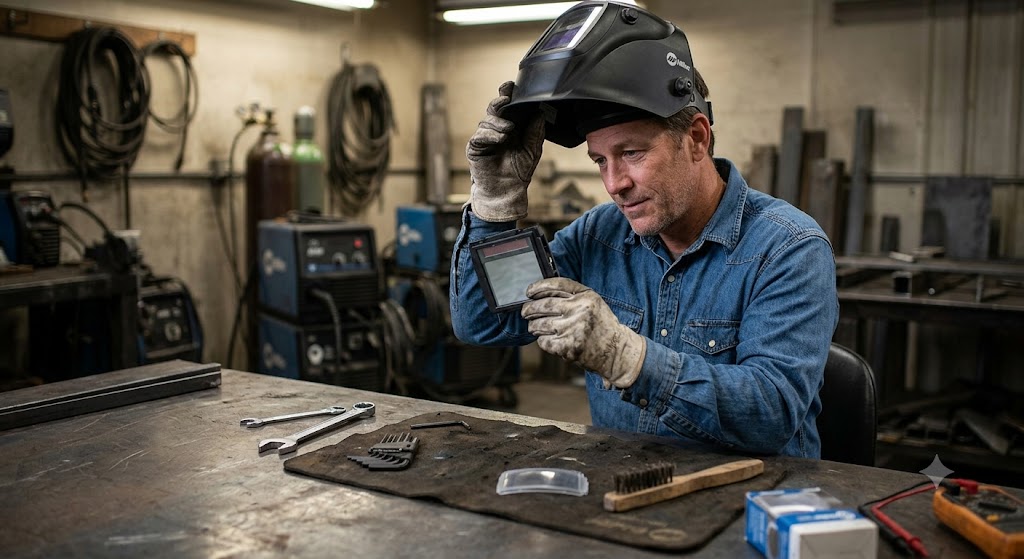
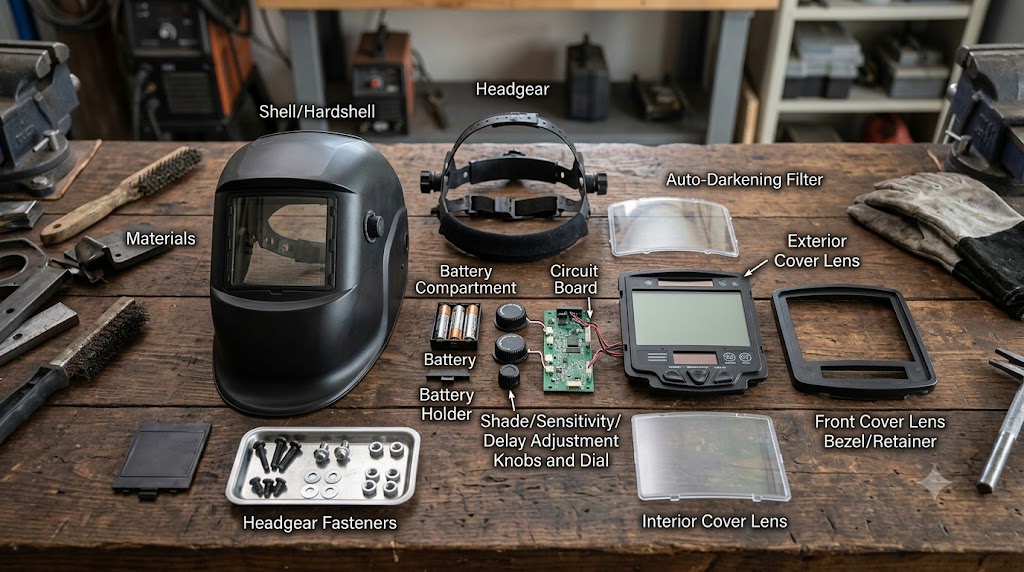
Hobart 770866 battery replacement and parts guide for the Creator Black auto-darkening welding helmet. CR2450 part numbers and lens kits inside.
Hobart 770890 battery replacement guide with part numbers for the CR2450 cell, 770858 cover lens kit, and 770846 ADF cartridge.
Hobart 770890 not darkening? Fix the Inventor Series flagship with this step-by-step troubleshooting guide covering battery, sensors, and settings.
Flux core welding feeds a hollow, flux-filled wire so it shields itself, no gas needed. Learn how FCAW works and why it is great outdoors.
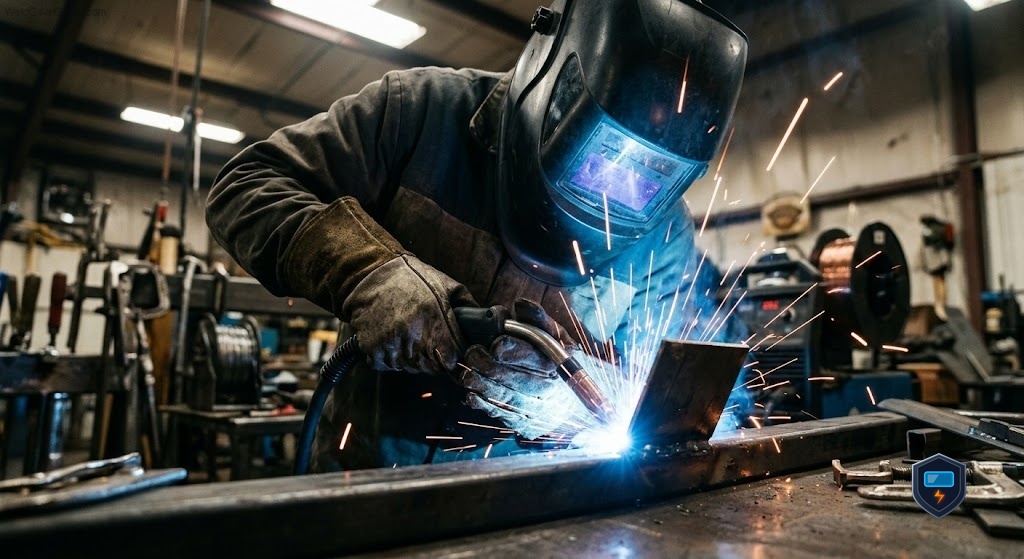
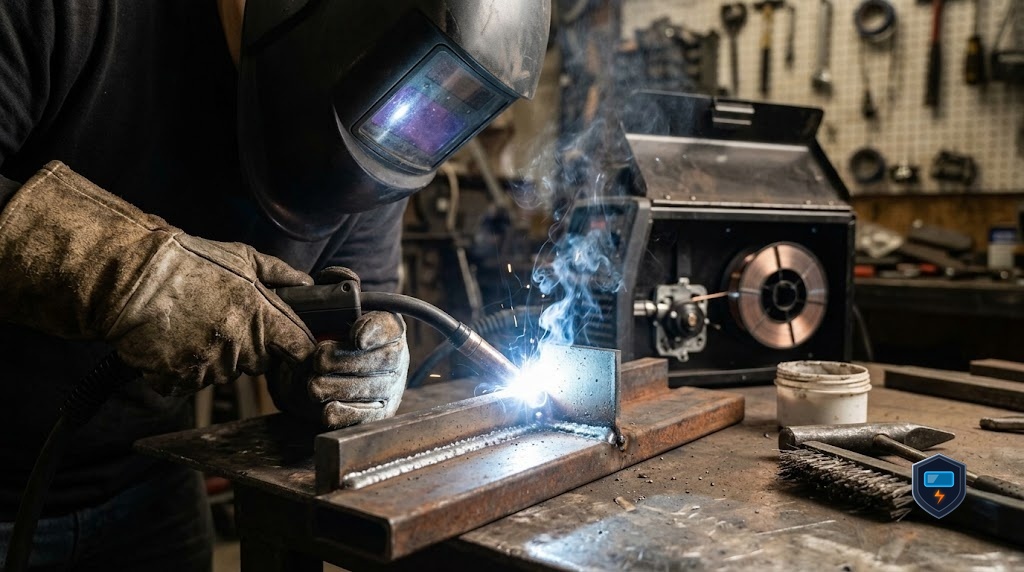
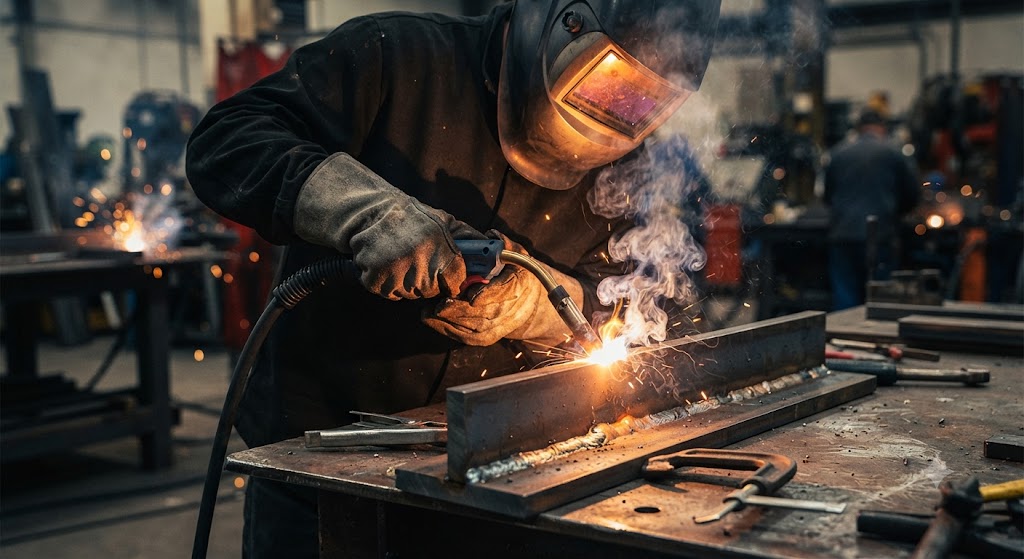
MIG welding feeds a continuous wire into an arc while shielding gas protects the pool. Learn how a MIG welder works, from wire feed to polarity.
Stick welding strikes an arc with a flux-coated rod that makes its own shielding gas and slag. Learn how SMAW works and why it needs no gas bottle.
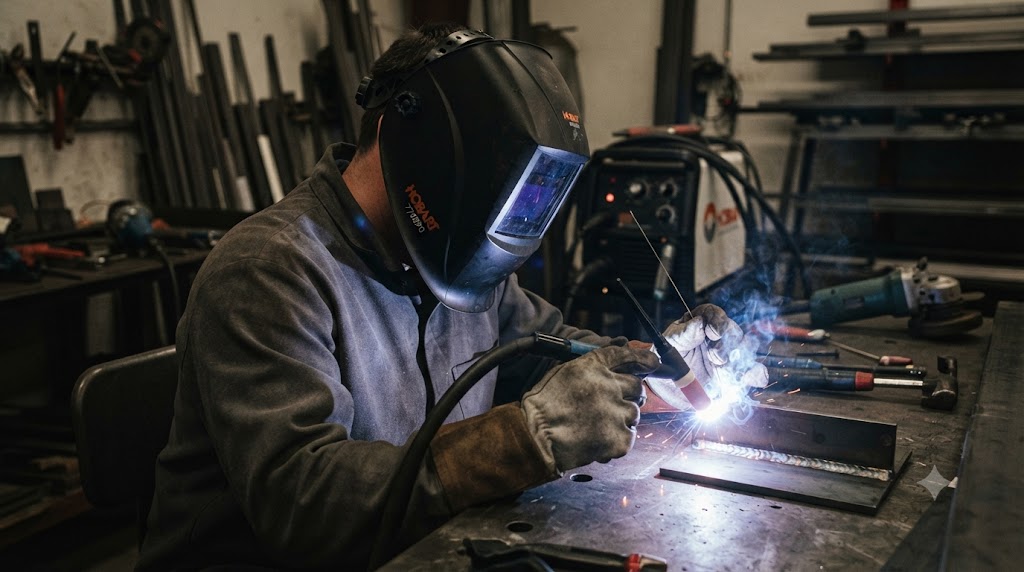
TIG welding uses a non-melting tungsten electrode, argon gas, and hand-fed filler. Learn how a TIG welder works, from the foot pedal to high frequency start.
Hobart is not owned by Miller. Both are owned by Illinois Tool Works. Heres the full ownership story, the FTC twist, and what it means for buyers.
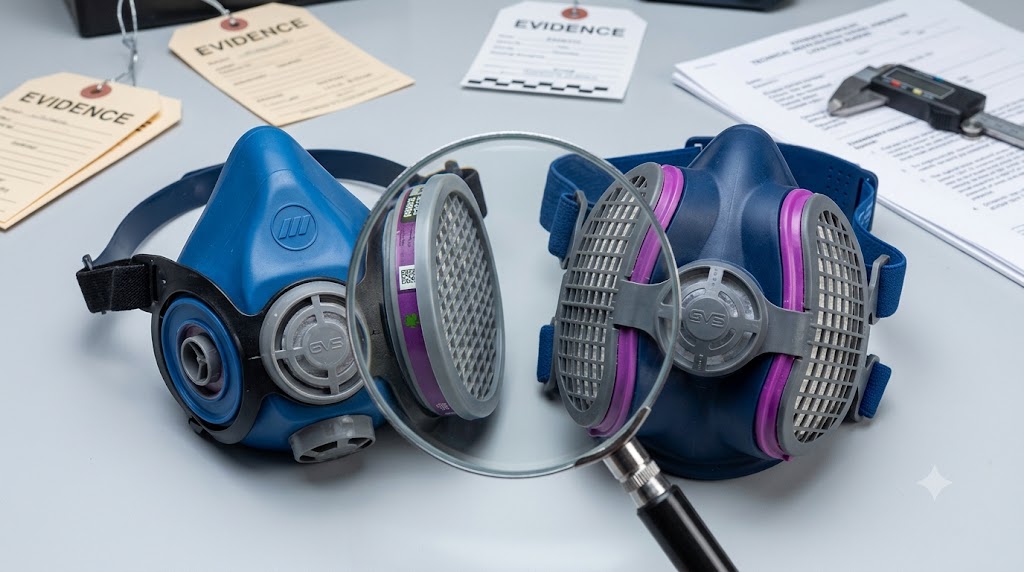
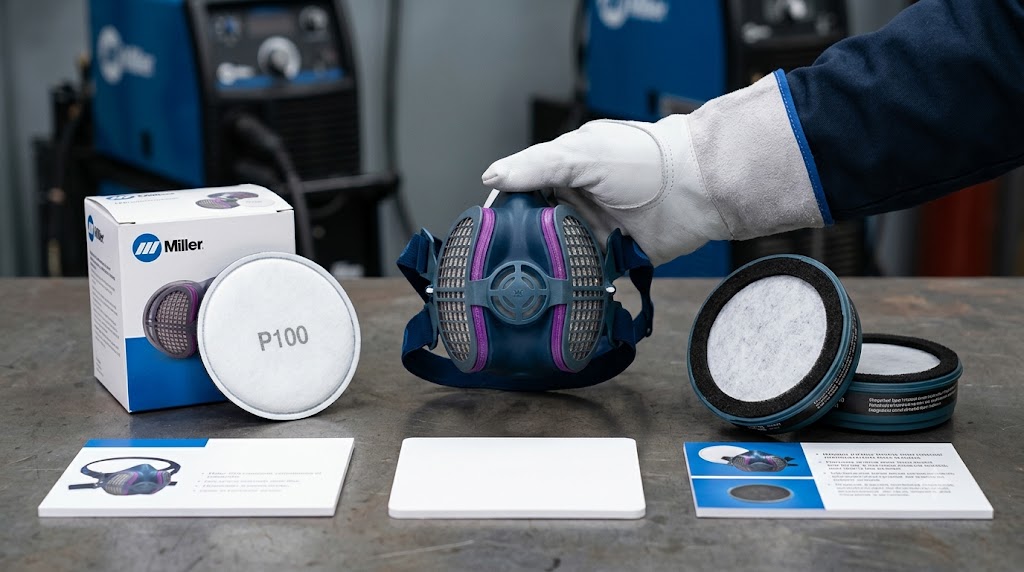
The Miller LPR-100 and GVS Elipse share the same platform and cross-compatible P100 filters. Heres the evidence and which one you should buy.
Klein Tools 60141 battery, lens, and parts guide with CR2450 details, 18650 fan battery notes, replacement part names, and a clear verdict.
Most people assume owning a Miller means spending like a professional, but this Miller Classic Series review is about the exception to that rule. The Classic is...
Miller Electric has one of the most recognized names in professional welding, and the Digital Elite is the helmet that most people think of when they picture a...
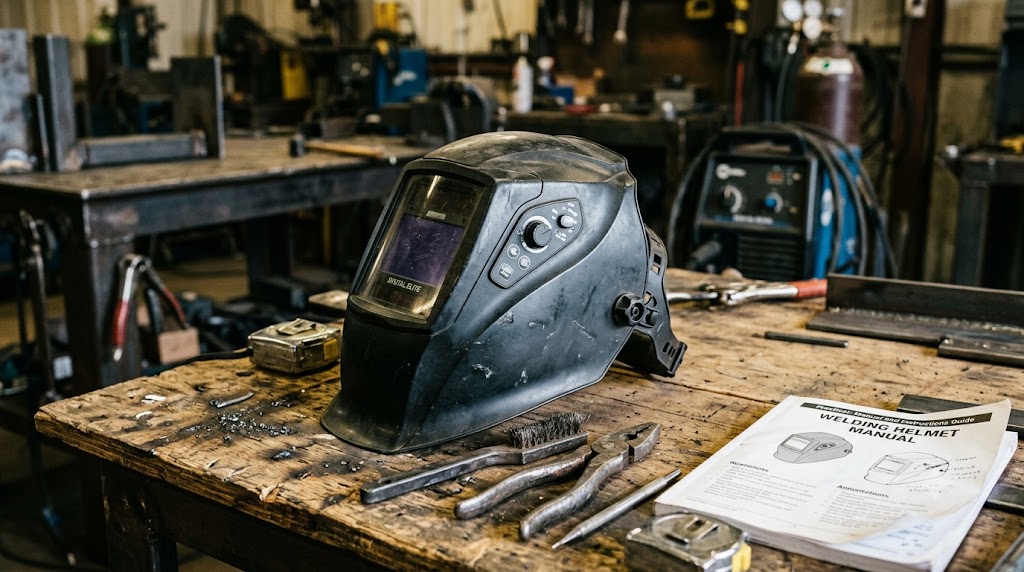
The Miller Digital Elite is one of the most widely used auto-darkening helmets in professional welding shops, and for good reason - it is reliable, well-built...
The Miller Digital Elite is one of the most consistently recommended welding helmets in the professional and serious-hobbyist segment. Getting the most out...
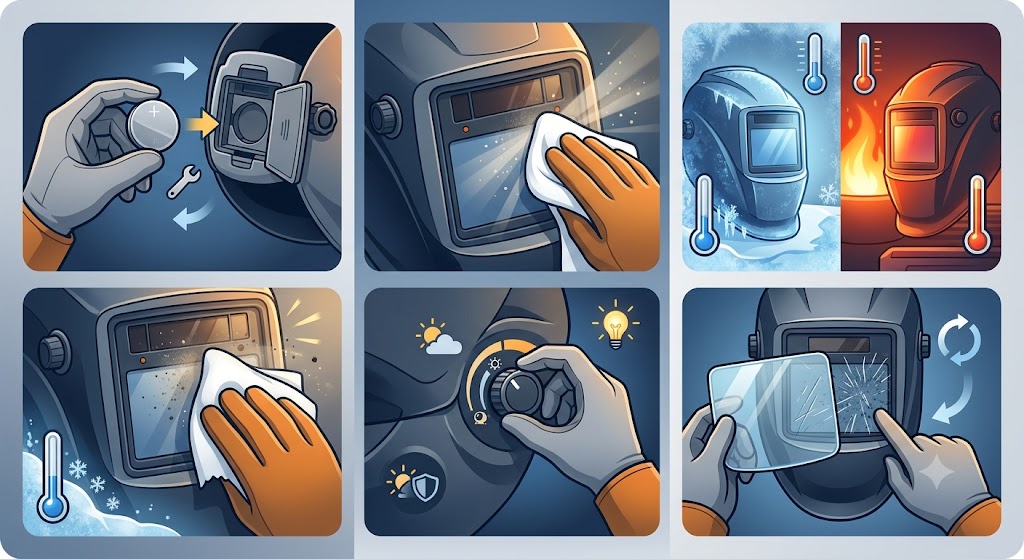
You pull the trigger, the arc strikes, and the lens stays light. That fraction of a second feels like an eternity when you are staring into a welding arc withou...
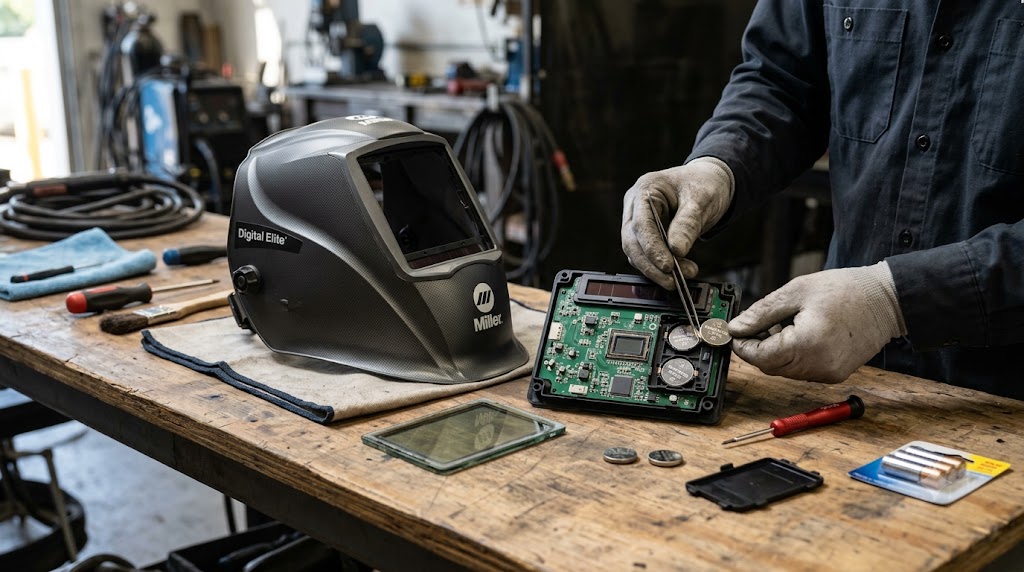
The Miller Digital Elite is designed to be maintained, not just discarded when something wears out. Miller makes every significant service part available separa...
Ask a room full of professional welders which hood they reach for every shift, and the answer that keeps coming up is the subject of this Miller Digital Elite r...
The Miller Digital Infinity is the top of Miller's helmet lineup - the widest viewing area in the industry at 13.4 square inches, ClearLight 4x lens technolog...
The Miller Digital Infinity is Miller's flagship helmet, and when it stops darkening reliably, the frustration is proportional to what you paid for it. The good...
There is a moment the first time you drop a Miller Digital Infinity that stops you: the window is huge, and the world behind it looks almost like there is no le...
You went to strike an arc, took one breath through your LPR-100, and noticed the airflow felt wrong. That flat, slightly stale pull is the mask telling you some...
The Miller T94i is not a standalone helmet - it is the welding helmet component of Miller's PAPR II powered air-purifying respirator system. Understanding the...
The Shark chipping hammer is a reliable no-frills slag remover in wooden-handle (12110) and spring-handle (12111) versions. Read our honest review and who it suits.
Ask a welder about safety gear and they will talk helmets, gloves, and jackets for ten minutes before anyone mentions their ears. Welding ear protection is the...
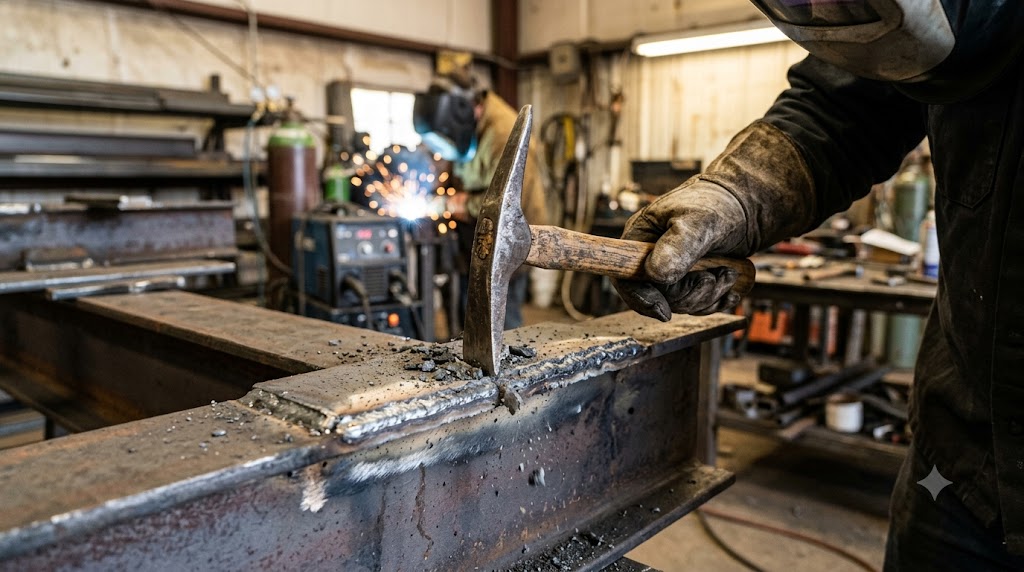
A welding chipping hammer removes slag from stick and flux-core welds with a chisel end, pointed end, and shock-absorbing spring handle. Learn if you need one.
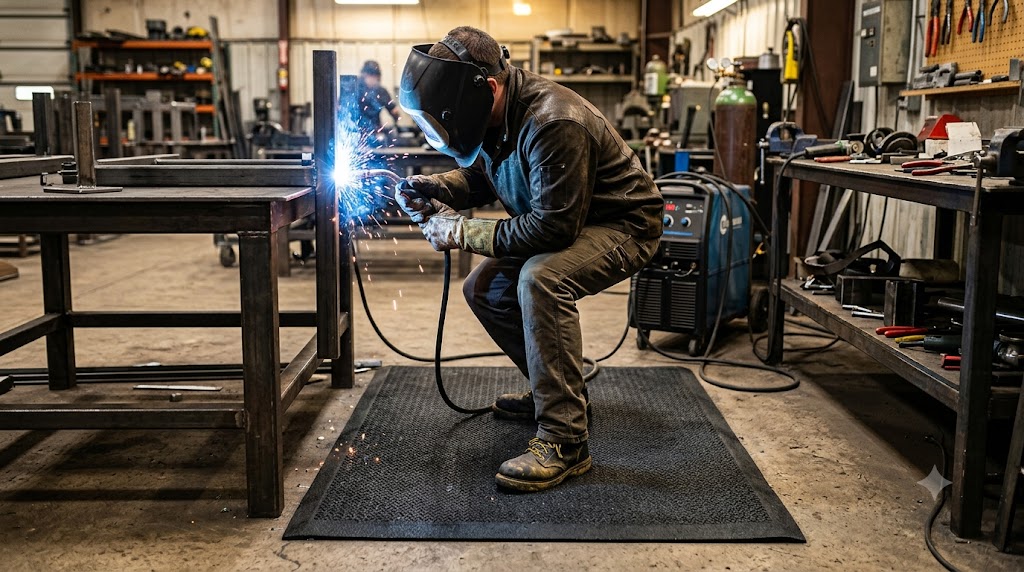
Welding floor mats cushion your feet and resist sparks, unlike foam mats that melt. Learn what to look for, why a mat isnt shock protection, and top picks.
Cold weather welding presents a dual challenge: staying warm enough to work effectively while maintaining the dexterity and FR protection that welding requires....
Summer welding is one of the most physically demanding trades environments. You're generating heat from the arc, the metal, and the shop itself - and you must s...
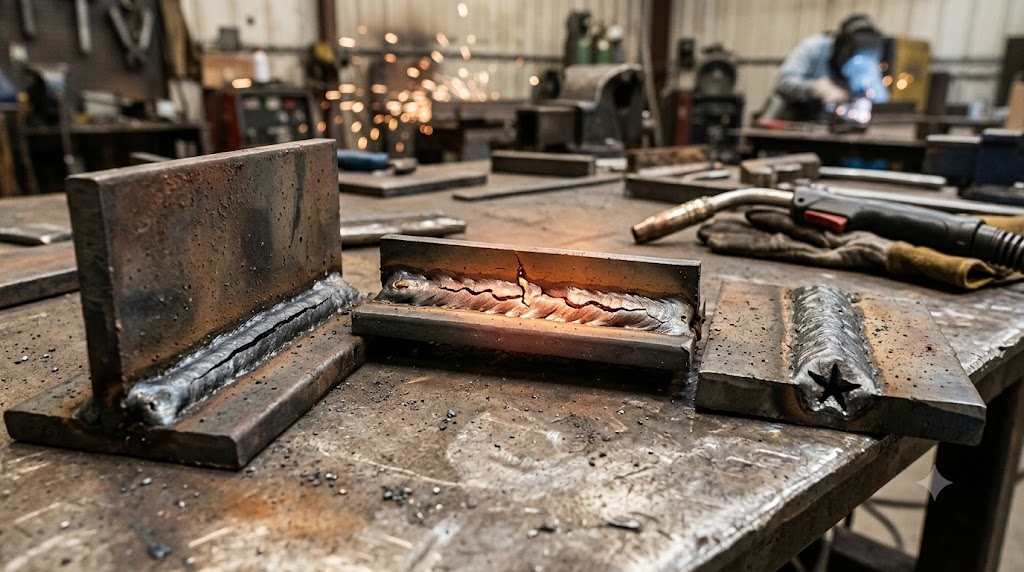
Welds crack when stress beats the metal. Learn hot cracking, cold (hydrogen) cracking, and crater cracks, what causes each, and how to prevent them.
YESWELDER Large View parts guide covering CR2450 battery, replacement lenses, L500A and L600A specs, viewing area, sensors, and ASINs.
Few helmets have done more to prove that a good auto-darkening hood no longer costs a fortune than the YESWELDER LYG-M800H. It pairs a large viewing window, tru...