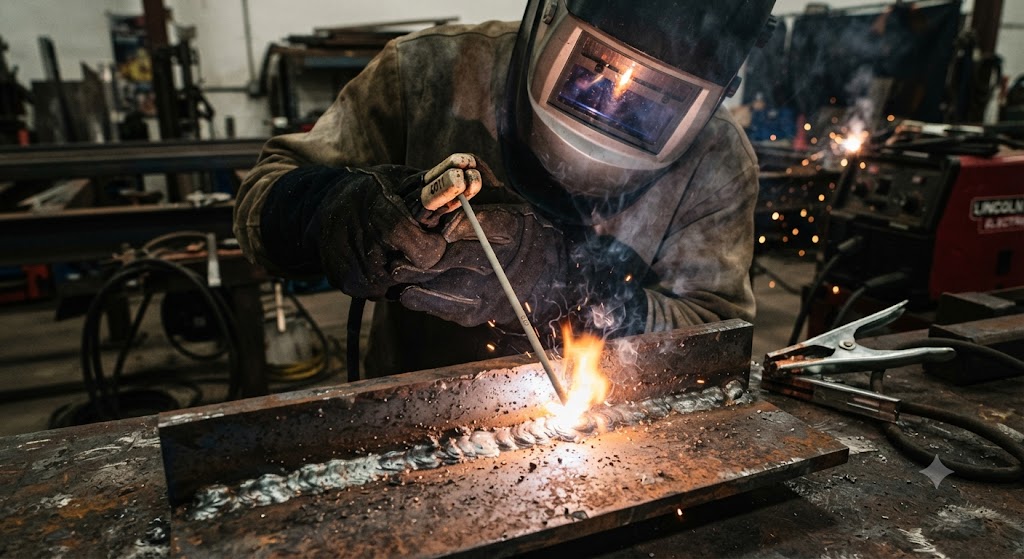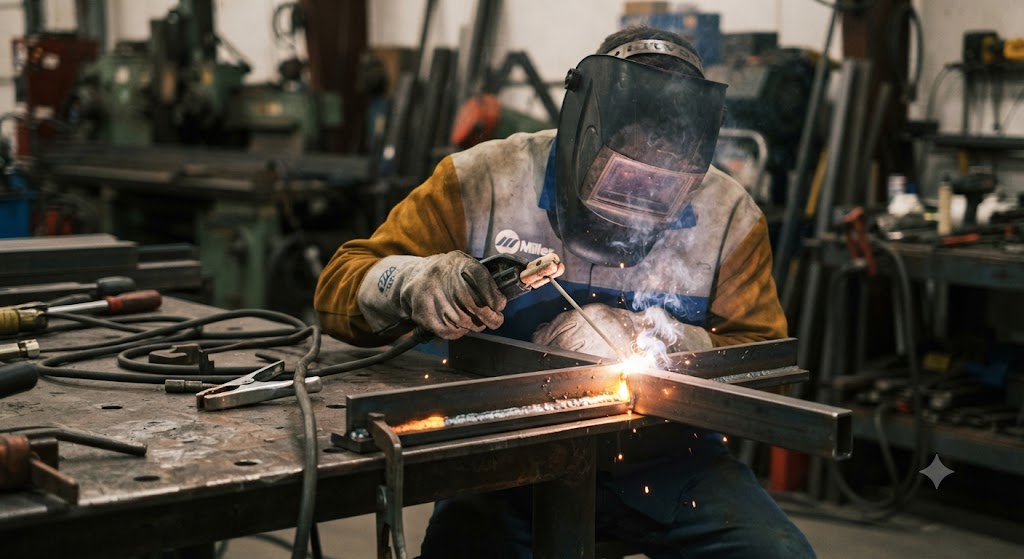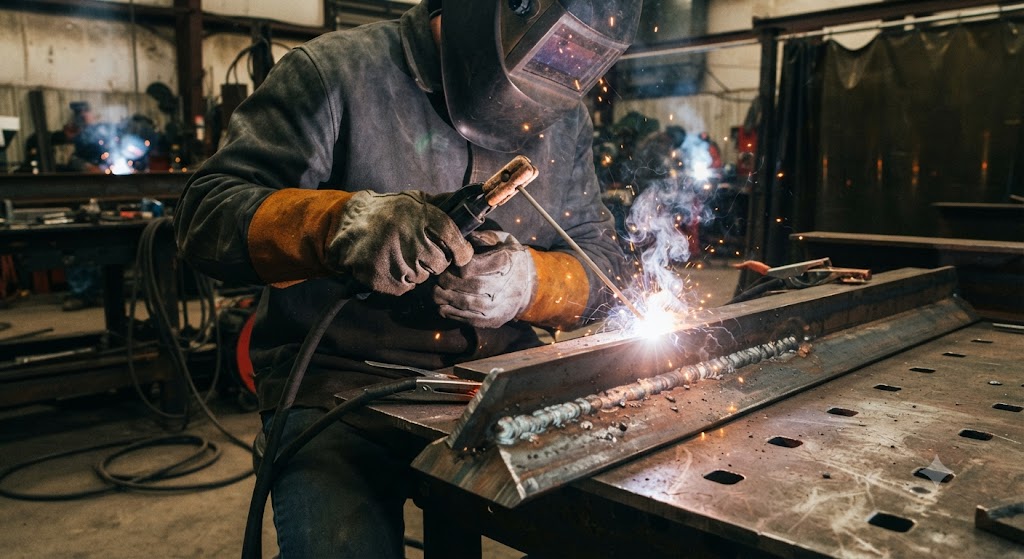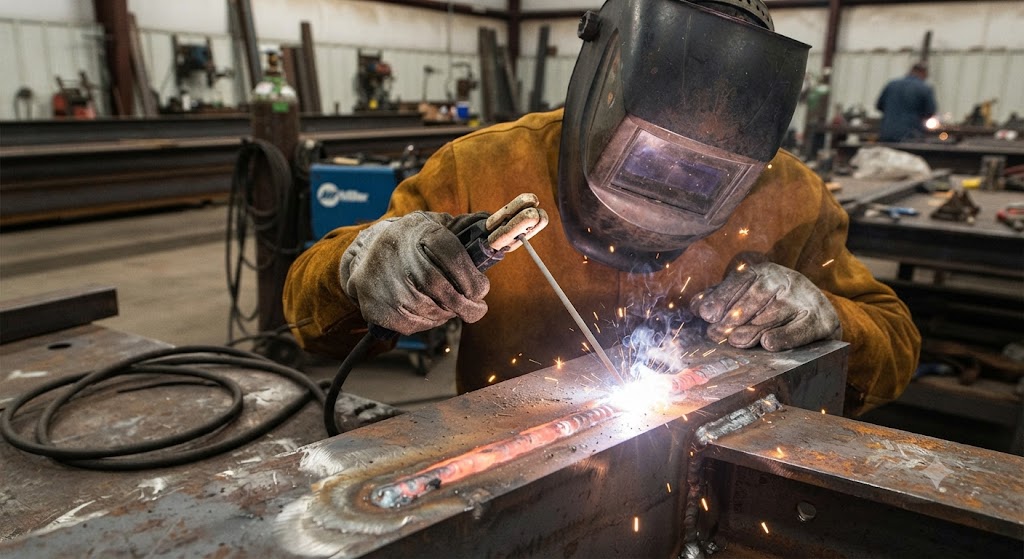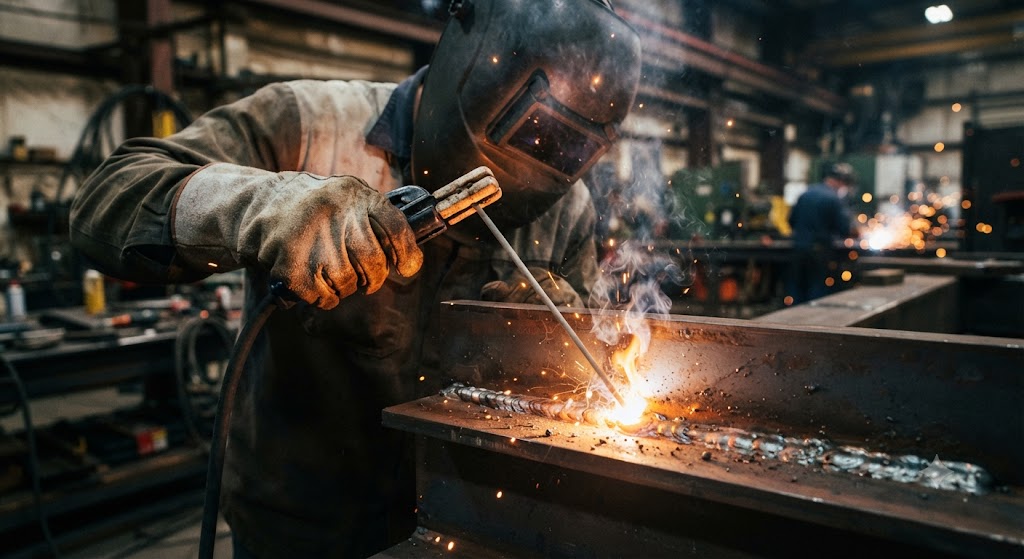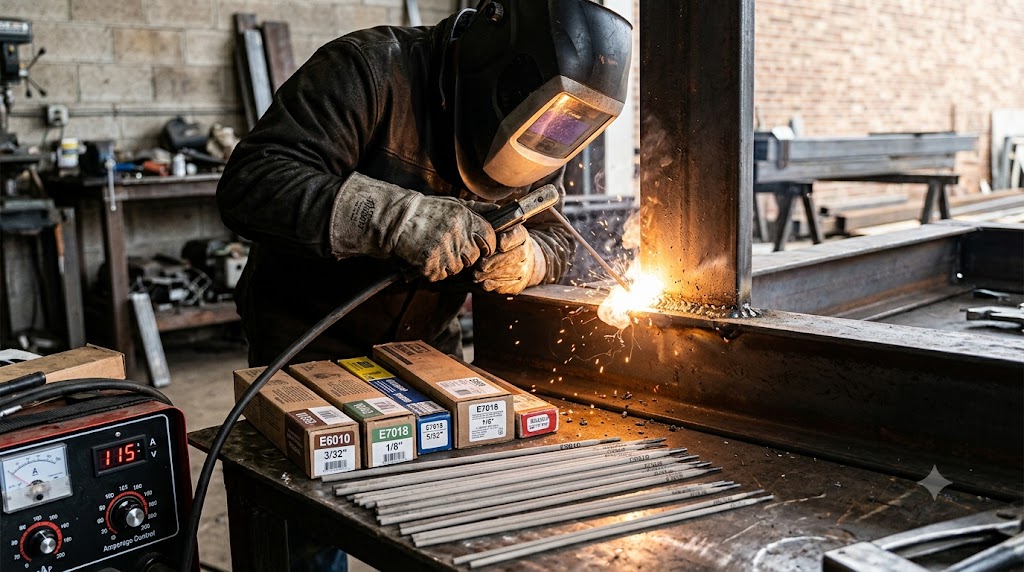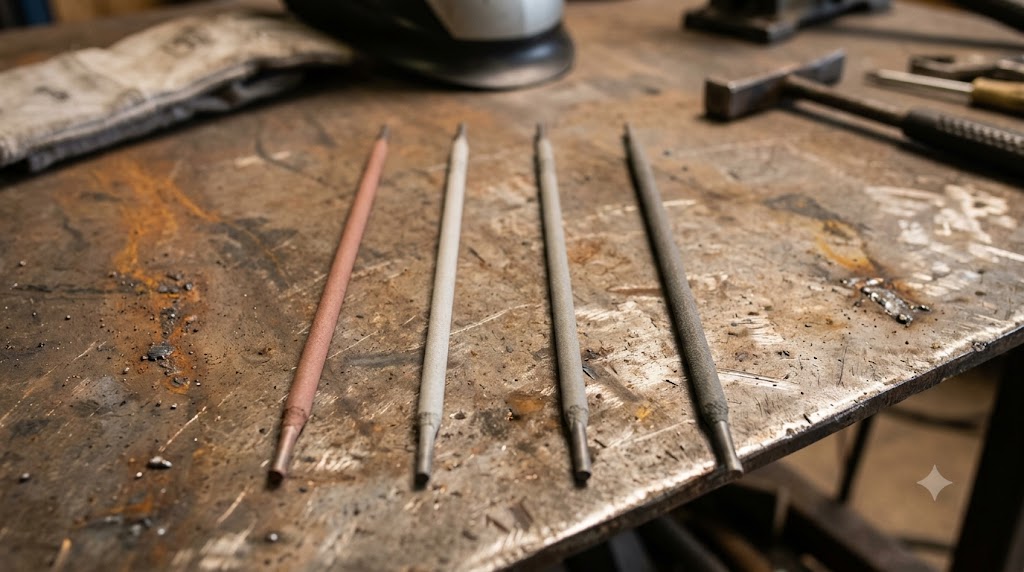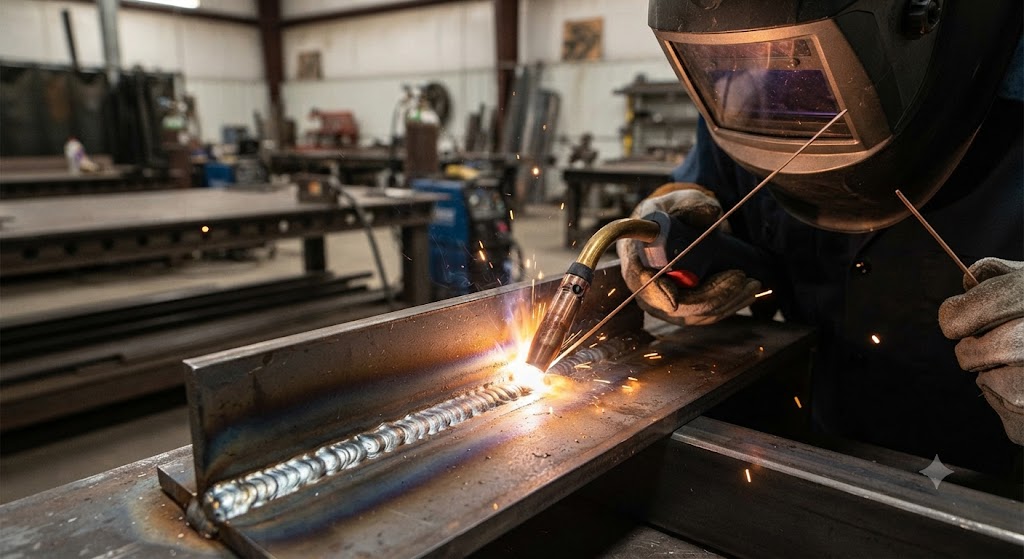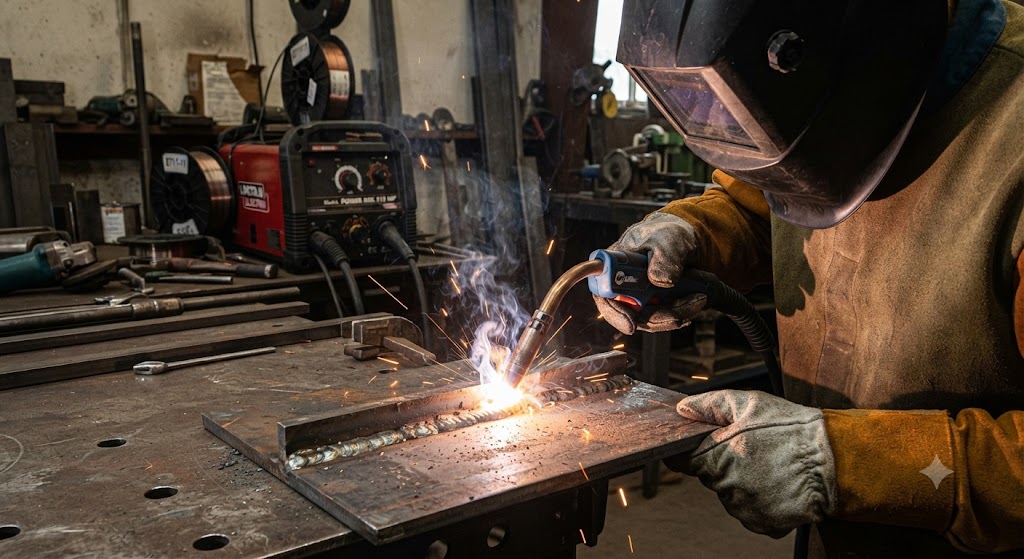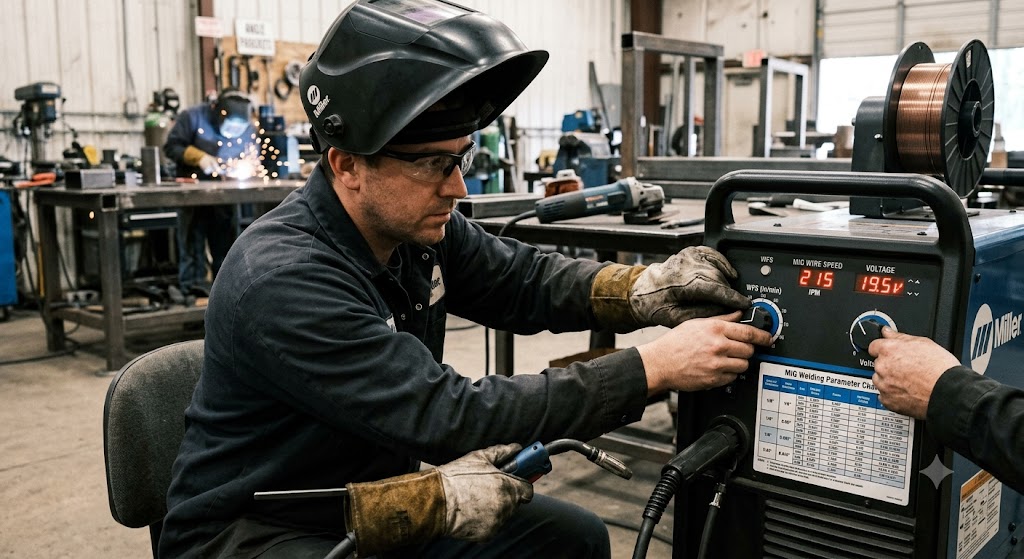
6010 Welding Rod: The Full Guide
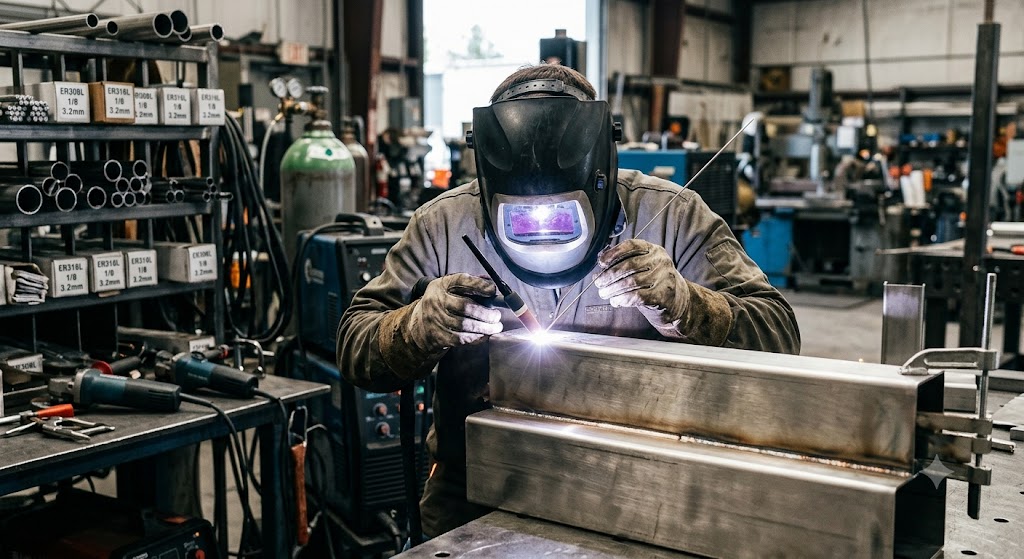
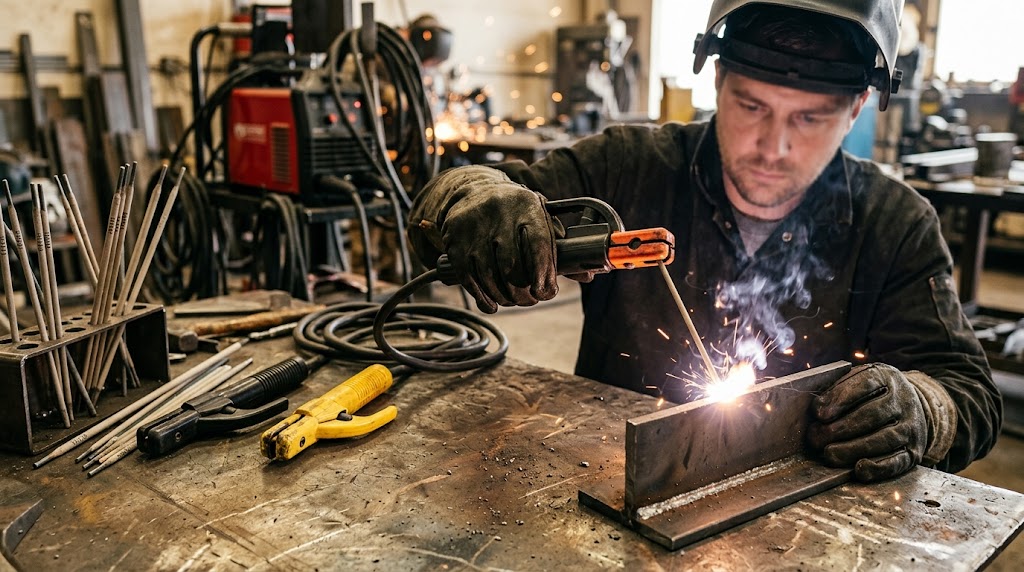
The 6010 welding rod is the DC-only, deep-penetrating rod pipeliners use for root passes. Learn its uses, amperage, and how it compares to 6011.

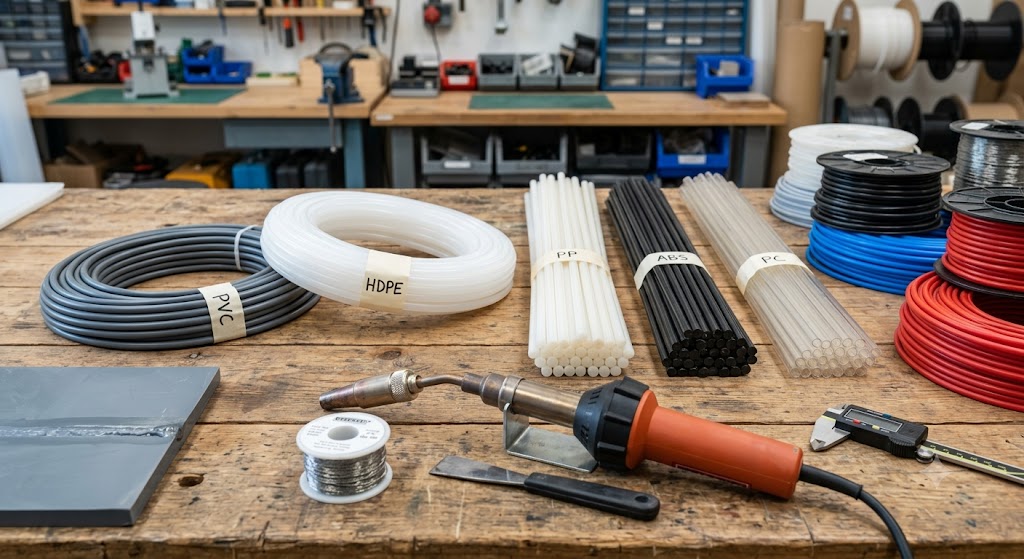
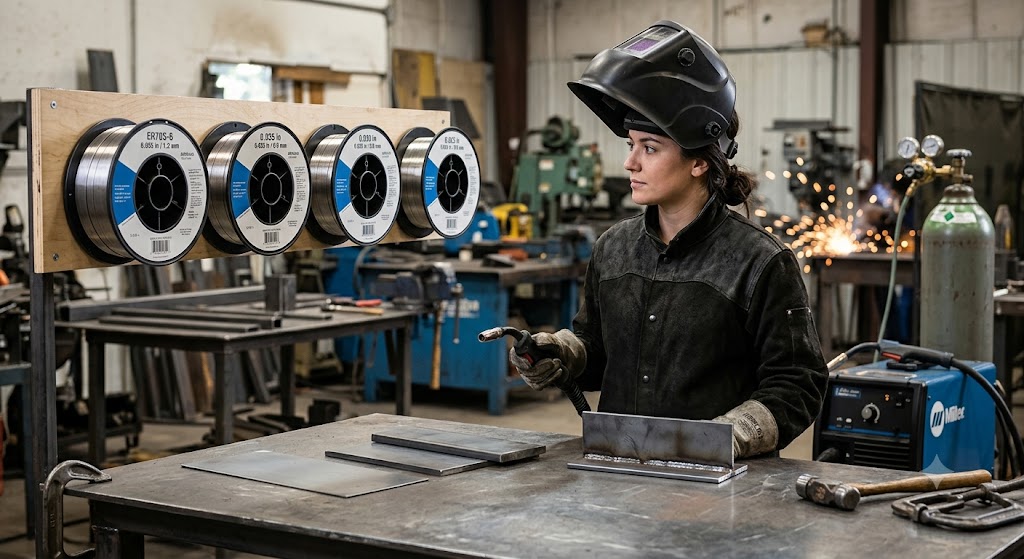
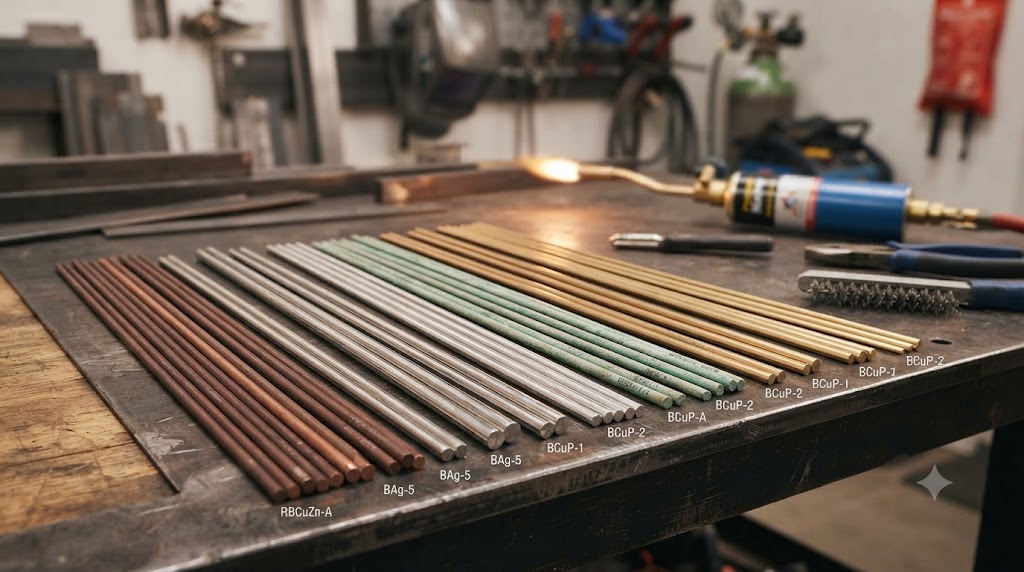
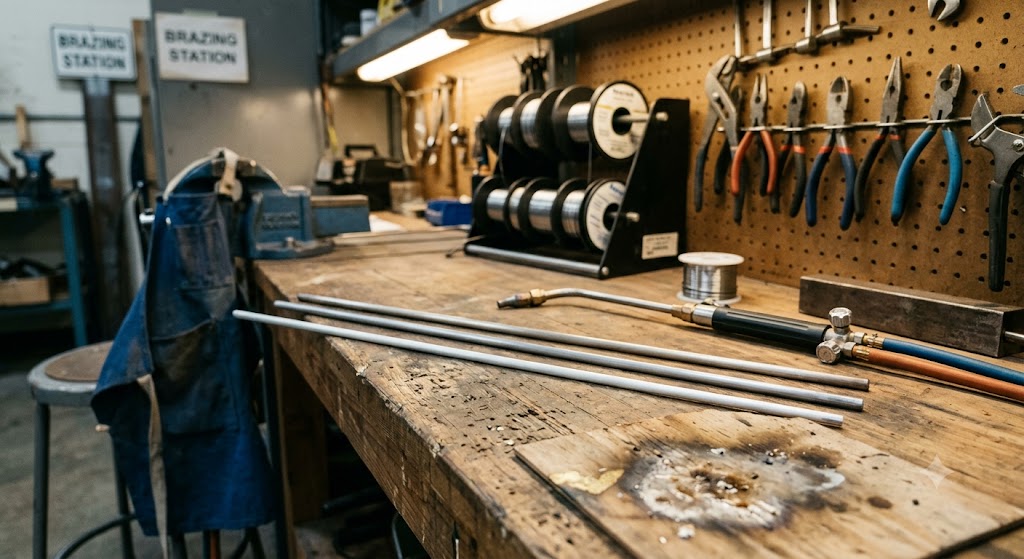
Recurring workshop supplies: rods, flux/solid wire, tungsten, and brazing materials.
The 6010 welding rod is the DC-only, deep-penetrating rod pipeliners use for root passes. Learn its uses, amperage, and how it compares to 6011.
The 6011 welding rod runs on AC or DC and welds through rust, paint, and galvanizing. Learn how to use it, how it compares to 6010, and what to buy.
The 6013 welding rod is the easy-starting, all-position rod beginners love for thin mild steel. Learn its uses, amperage settings, and best picks.
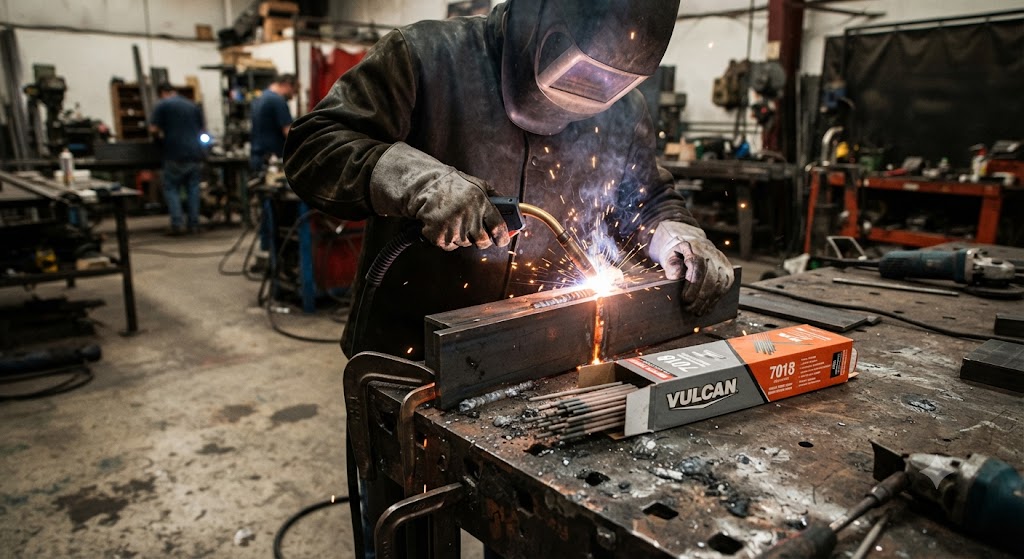
The 7018 welding rod delivers strong, clean, all-position welds at 70,000 PSI. Learn how to use it, why it must stay dry, and which rods to buy.
The 7014 welding rod uses an iron-powder coating for fast, smooth, high-deposition welds on clean mild steel. Learn its uses, amperage, and best pick.
The 7024 welding rod, or jet rod, is a fast, high-deposition drag rod for flat and horizontal welds. Learn its uses, why its flat-only, and what to buy.
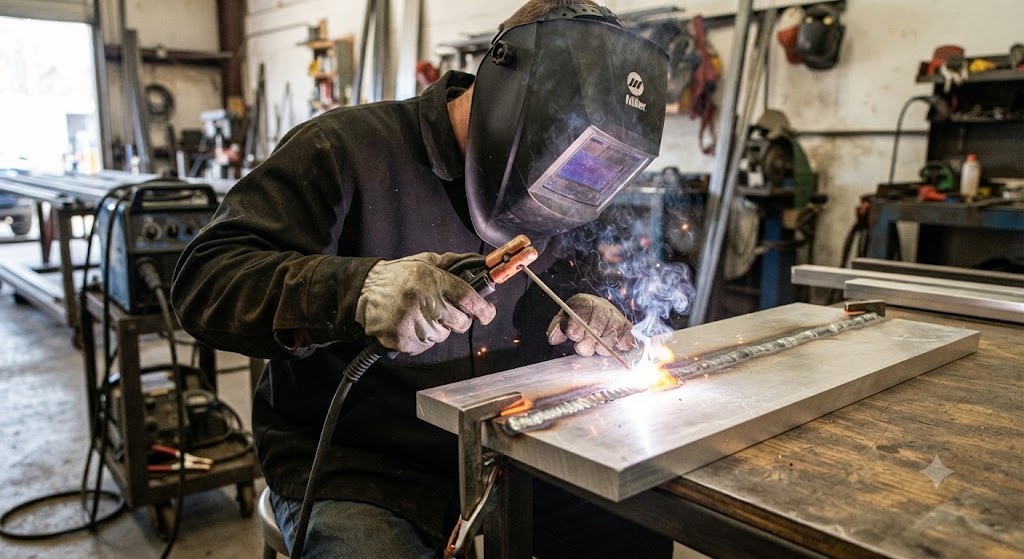
E4043 aluminum stick rods really weld on a DC machine, but low-temp torch rods only braze. Learn which aluminum welding rod you need and how to use it.
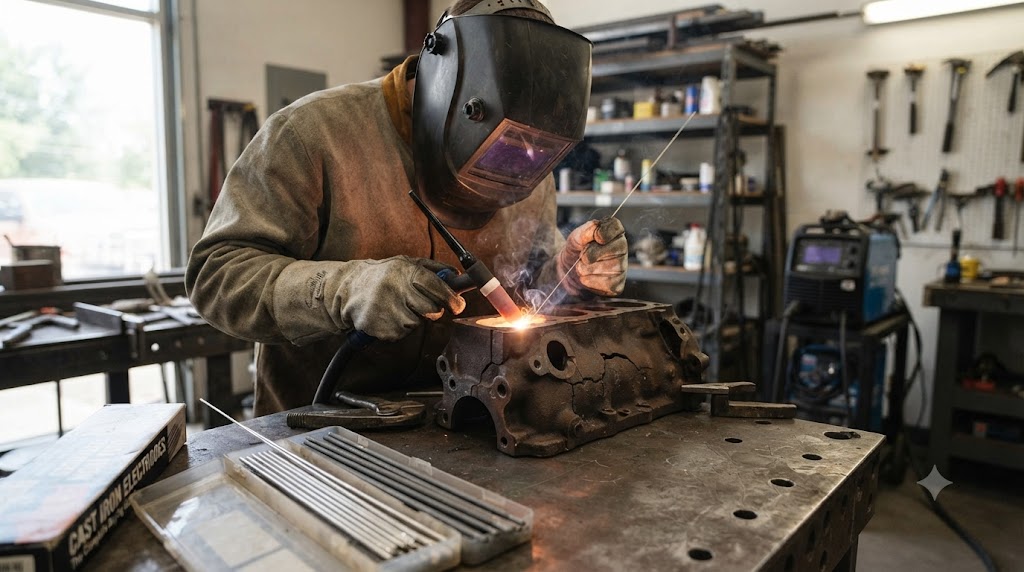
The best cast iron welding rod is nickel-based: pure nickel for machinability or 55% nickel iron for strength. Learn how to choose and avoid cracks.
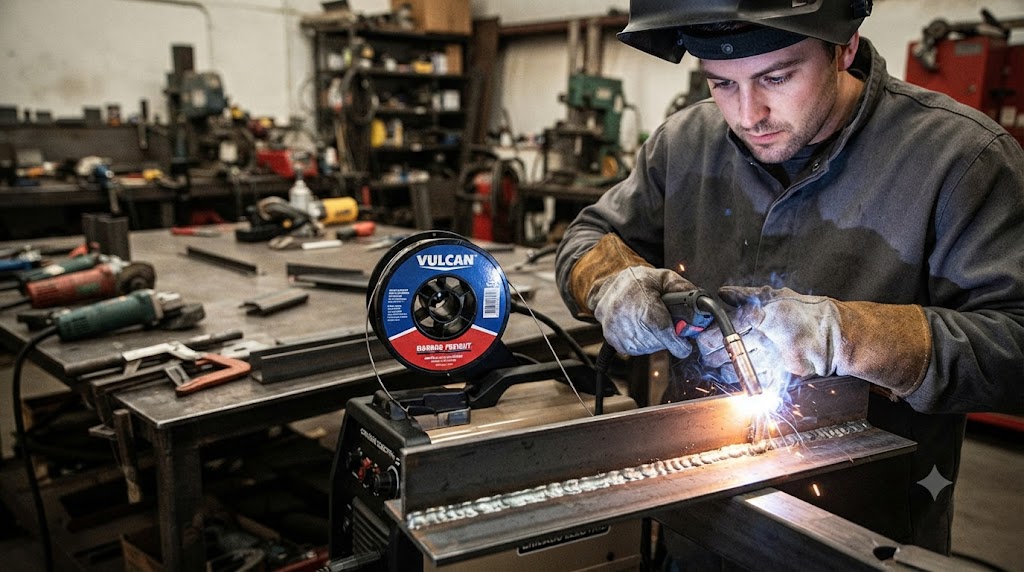
Harbor Freights Vulcan welding rods cover 6011, 6013, and 7018 and weld fine for hobby and repair work. Learn the caveats and name-brand alternatives.
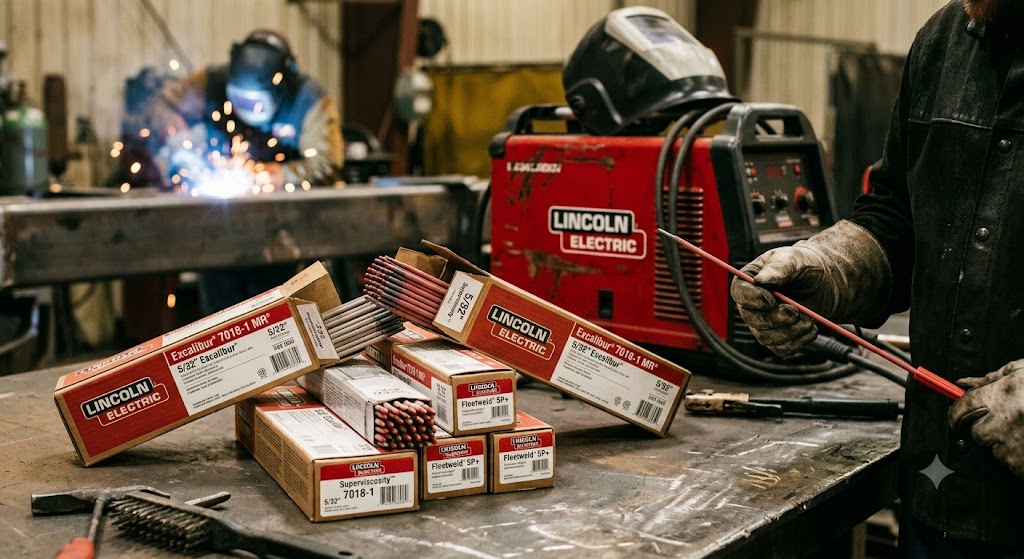
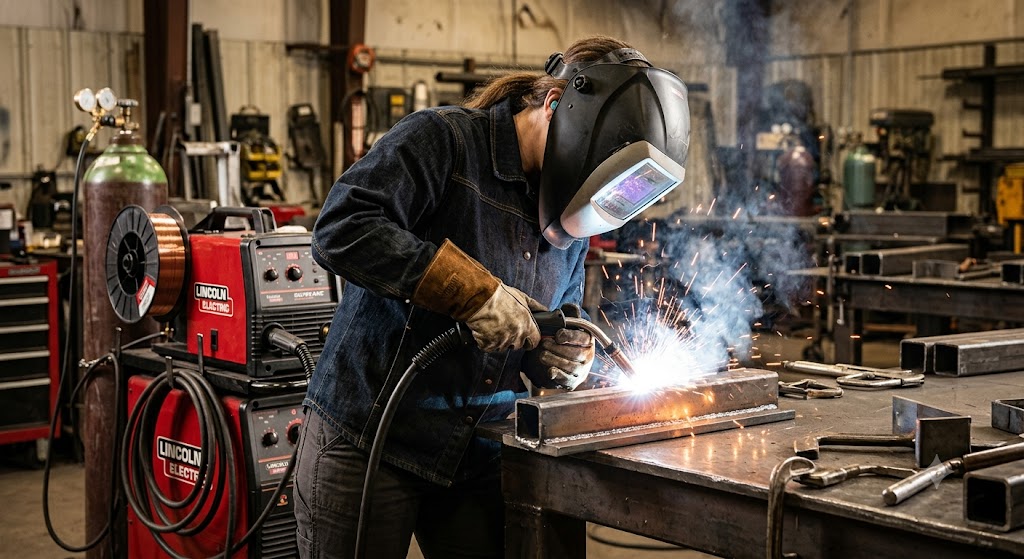
Lincoln Electric welding rods span the Fleetweld line (6010, 6011, 6013) and the premium Excalibur 7018. Learn which Lincoln rod fits your job.
Low hydrogen rods like 7018 prevent hydrogen cracking in strong steel, but only if kept dry. Learn what makes a rod low hydrogen and how to store it.
Nickel welding rods repair cast iron and join dissimilar metals. Learn when to use pure nickel vs 55% nickel iron and how to avoid cracks.
A plastic welding rod fuses into matching thermoplastic. Learn to identify your plastic (ABS, PP, PE, PVC) and pick the right rod for a repair that holds.
E308L welds common 304 stainless; E309 joins stainless to mild steel. Learn how to match stainless welding rods to your metal and avoid rusty welds.
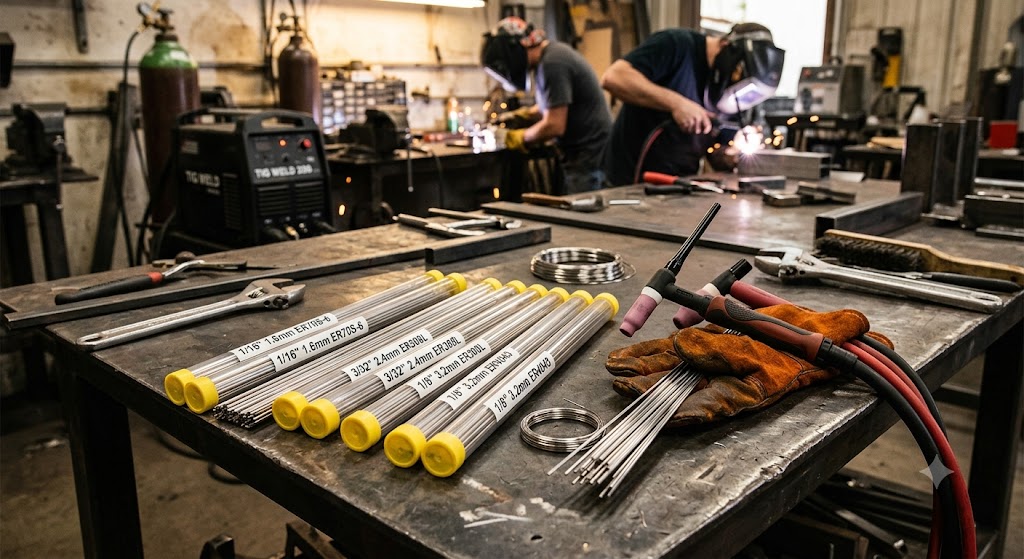
Match TIG filler to your metal: ER70S-2 for steel, ER308L for stainless, ER4043 or ER5356 for aluminum. Learn how to choose the rod and size.
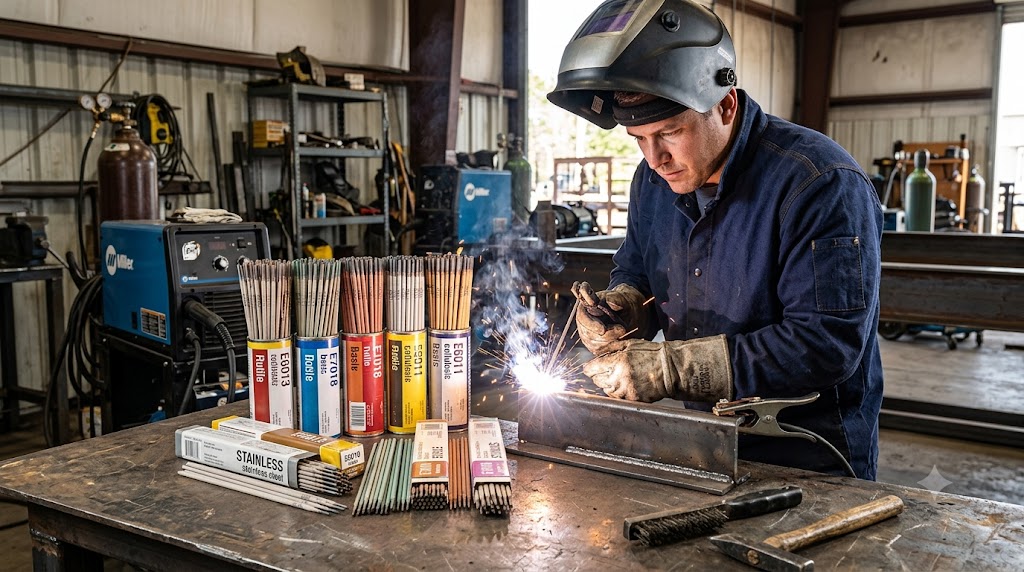
Confused by 6010, 6011, 6013, and 7018? This welding rod guide decodes the numbers and shows which stick electrode to buy for your job.
A welding rod holder, or stinger, grips the electrode and carries current. Learn how to match amperage rating, jaw size, and comfort to your welder.
Welding rod size is diameter, and it sets your amperage. See an amperage chart by rod type and size, plus how to match rod size to metal thickness.
Compare the four most common welding rods: 6010 and 6011 for dirty metal, 6013 for thin clean steel, and 7018 for strong structural welds.
The Chicago Electric 90 amp flux wire welder is a Harbor Freight entry-level machine. Here are the real specs, the common problems, and what to upgrade to when you outgrow it.
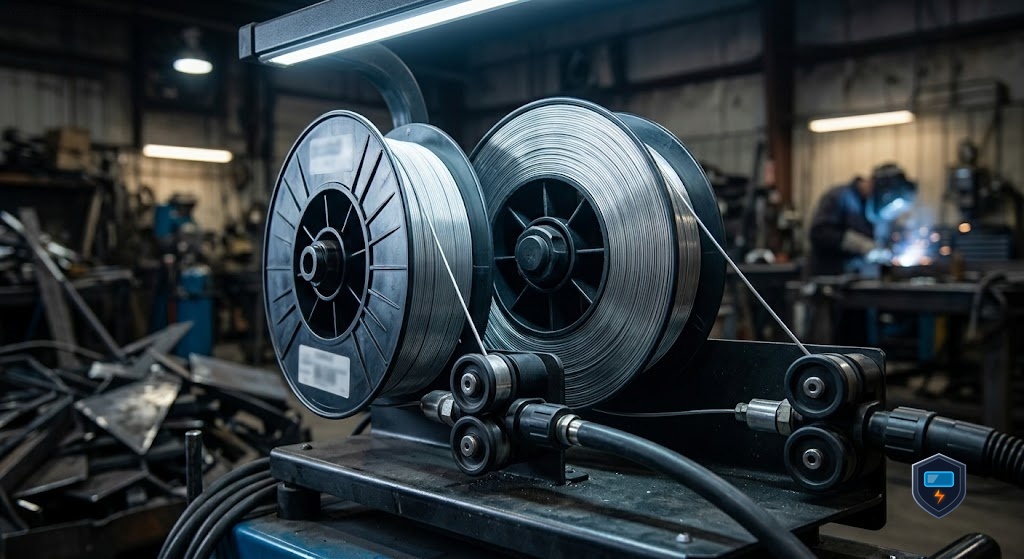
The best wire welder is not the most expensive one. It is the one that matches your material thickness, runs the wire you need, and has a duty cycle that survives real work.
Aluminum weld wire birdnests and jams more than steel wire. Here is how to choose between ER4043 and ER5356, set up your spool gun, and avoid common mistakes.
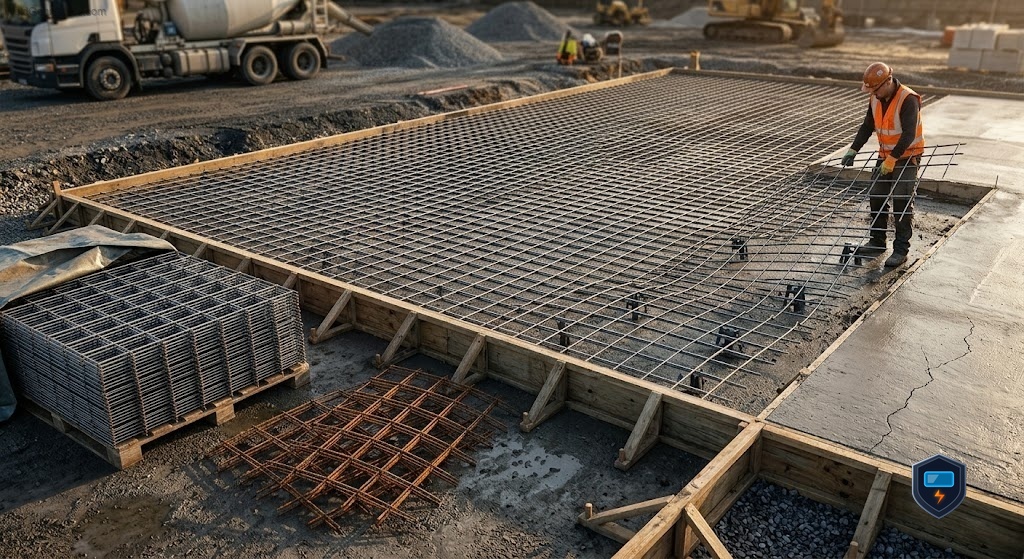
How to read 6x6 welded wire mesh designations, choose the right gauge for your slab or fence, and avoid the storage and placement mistakes that ruin reinforcement.
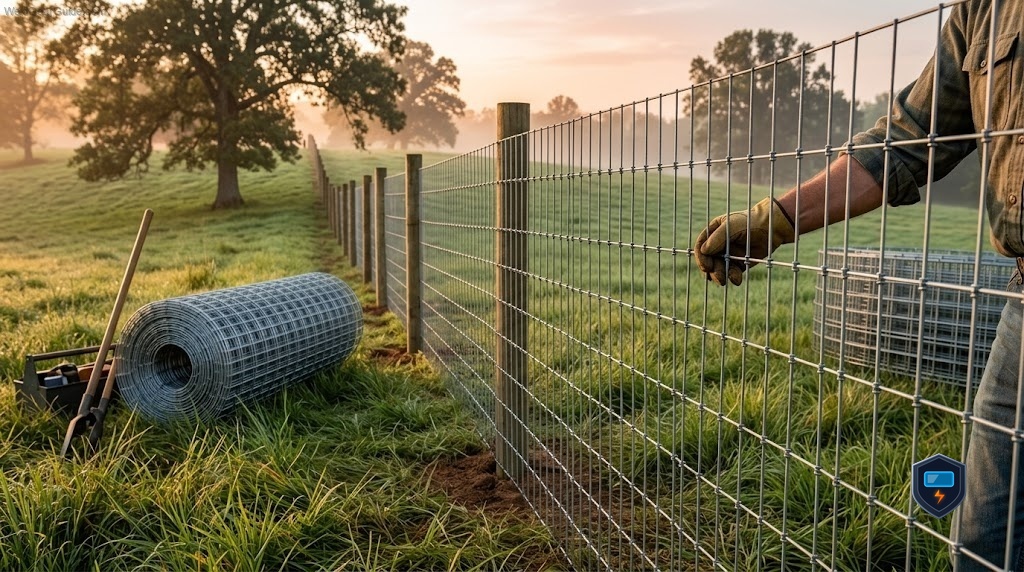
A practical guide to 6 by 100 welded wire fence rolls: gauge choices, mesh sizes, galvanized vs PVC coated, and which rolls hold up for dog fencing and property lines.
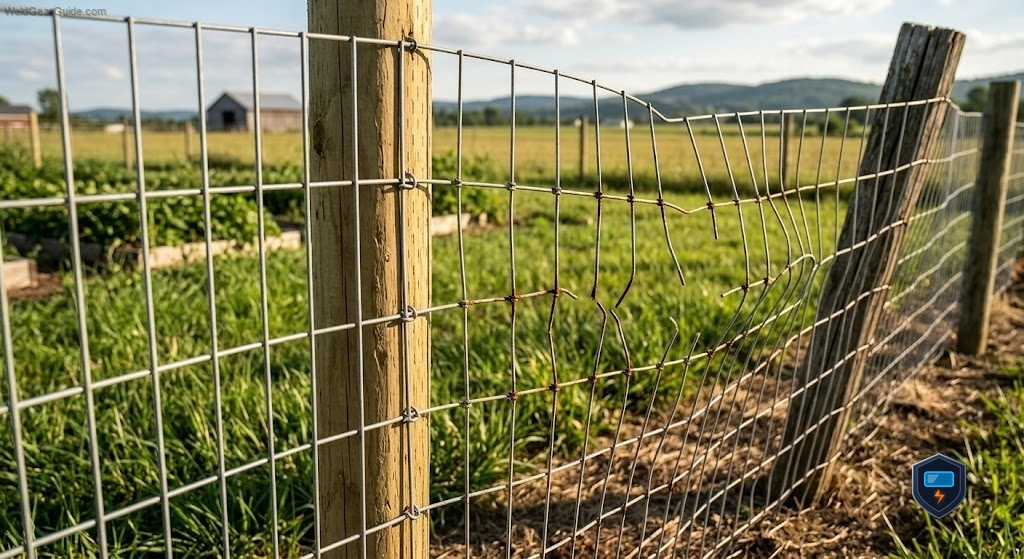
A hands-on look at 2x4 welded wire fencing: which gauge holds up, how galvanizing methods differ, and the specific rolls worth buying for your fence line.
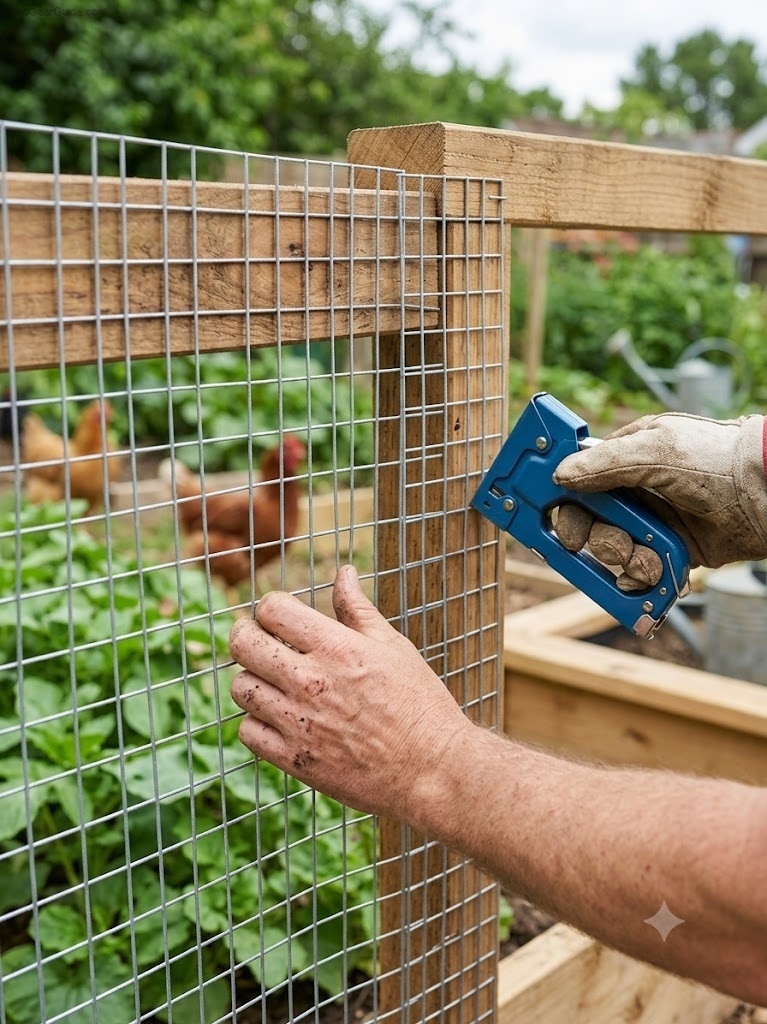
A buyer's guide to 1x2 welded wire fencing: when tighter mesh beats 2x4, which gauge and coating to pick, and the specific rolls that hold up for garden and animal control.
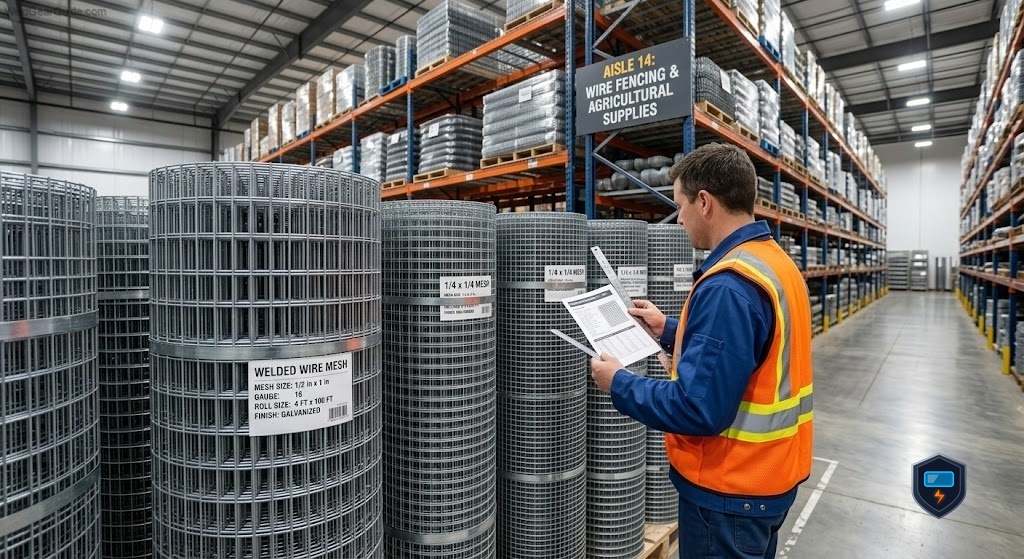
1/2 x 1 welded wire in 16 gauge is the workhorse mesh for fencing and enclosures. Here is how to read the specs and pick the right roll for your project.
Aluminum MIG wire comes in ER4043 and ER5356. Learn which alloy fits your base metal, strength, and anodizing needs, plus how to feed soft aluminum wire.
ER70S-6 is the go-to solid MIG wire for mild steel, with deoxidizers that weld over light rust and mill scale. Learn what the name means and how to run it.
Flux-cored wire shields the weld itself. Learn self-shielded vs gas-shielded, E71T-GS vs E71T-11, and the polarity rule beginners always miss.
Harbor Freight Vulcan welding wire comes in flux-core and solid types, and the flux core is reportedly Italian-made. Learn if its reliable and the alternatives.
Lincoln Electric welding wire spans SuperArc solid MIG wire, Innershield gasless flux core, and Outershield dual shield. Learn which Lincoln wire fits your job.
MIG wire comes in .023, .030, .035, and .045 inch. Use this size chart to match wire diameter to material thickness and amperage for clean welds.
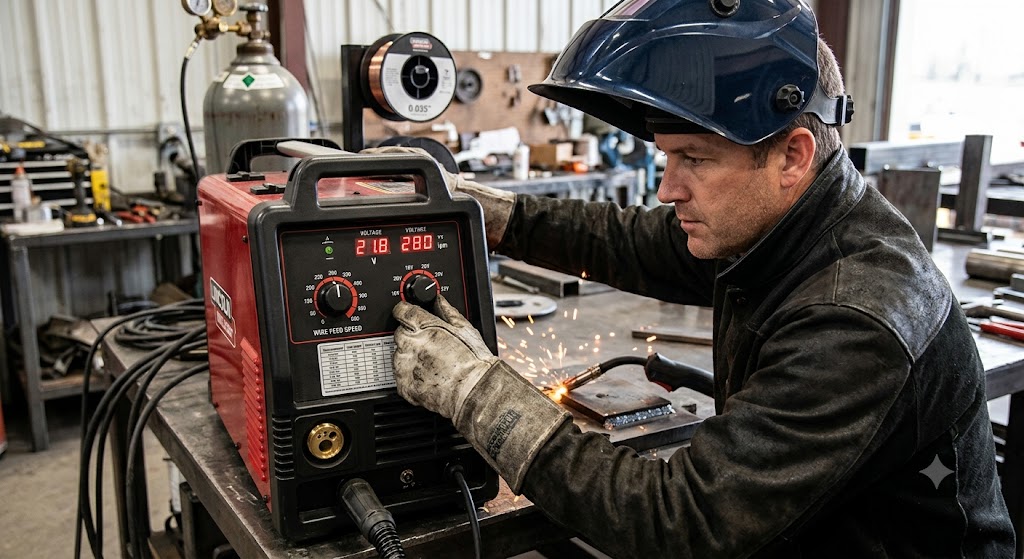
Use a MIG wire speed and voltage chart to match thickness and wire size to your settings. Learn the 1 amp per .001 inch rule and how to tune by sound.
Stainless MIG wire must match your base metal. Learn why ER308L is the standard for 304 stainless, what the low-carbon L means, and which gas to use.
Choosing the right wire for MIG and flux-core welding determines weld quality, penetration, spatter level, and mechanical properties. This guide covers the most...
Setting wire speed and voltage correctly is the difference between a good weld and a mess of spatter, porosity, or burn-through. This guide covers the baseline...
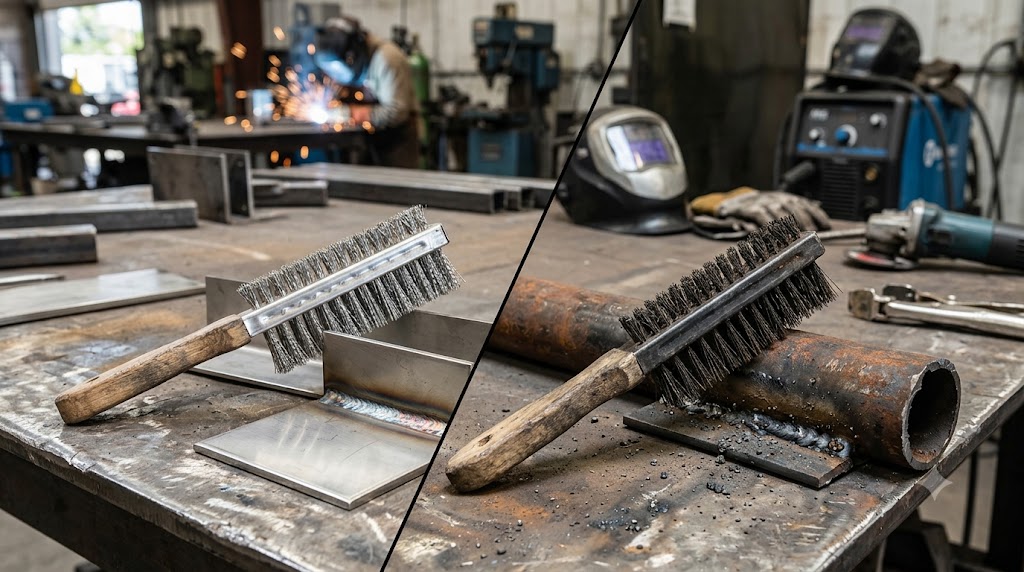
Use a stainless wire brush on stainless and aluminum, a carbon steel brush on mild steel, and never mix them. Learn how to avoid contamination and which brushes to buy.
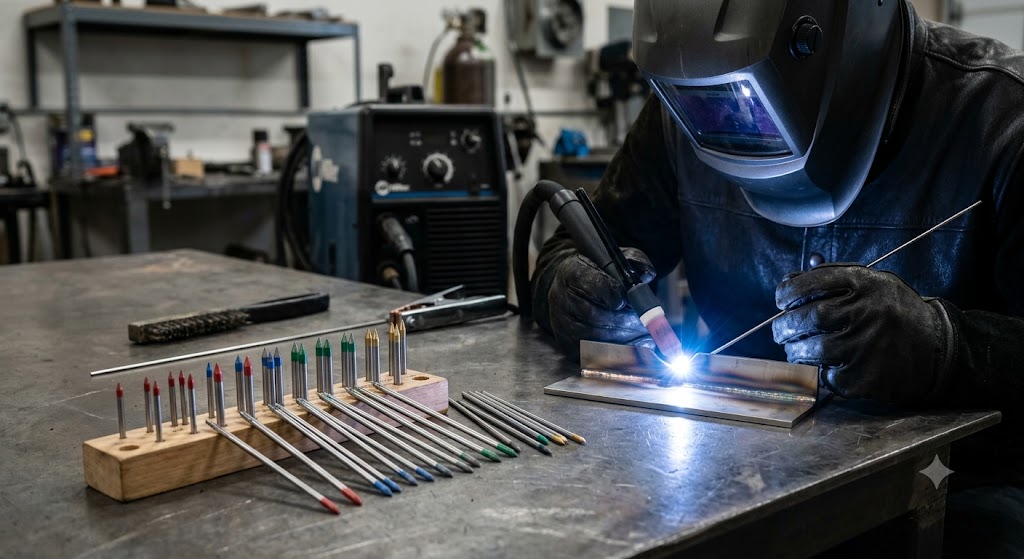
Tungsten electrodes are color-coded by type. Learn why 2% lanthanated (blue) is the best all-around choice and how to match type and size to your TIG work.
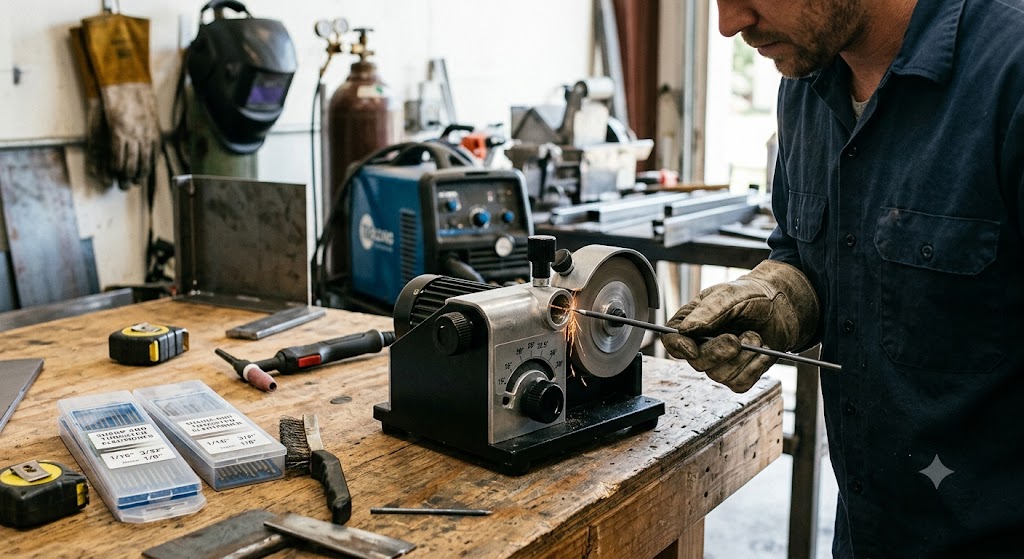
A tungsten sharpener grinds a consistent point with the marks running lengthwise for a stable arc. Learn if you need one, the right angle, and why diamond wheels.
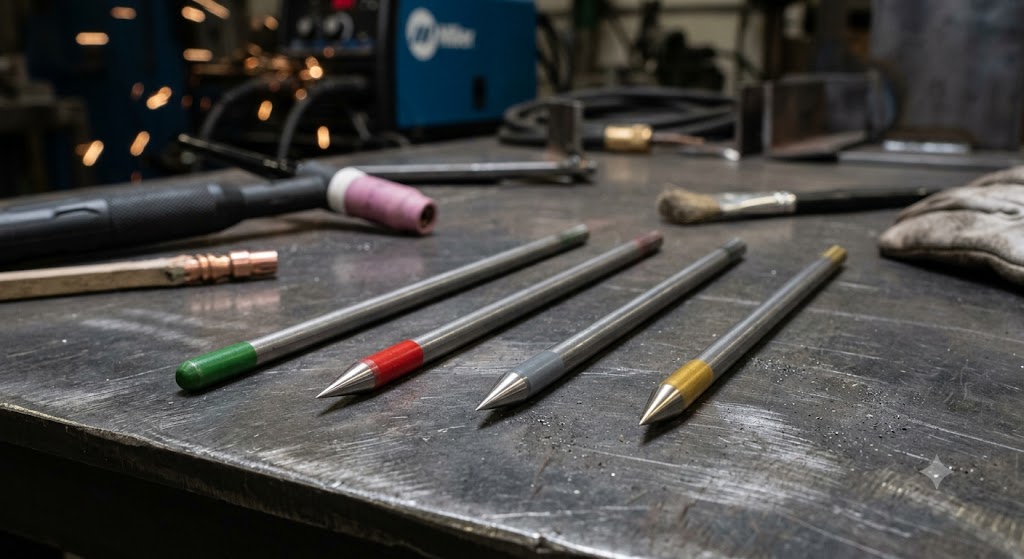
Tungsten electrode colors are a code. Learn thoriated (red), ceriated (grey), lanthanated (blue/gold), and pure (green): which current and metal each suits.
Low-temperature aluminum brazing rods repair aluminum with a propane torch. Learn if they work, the technique that makes them stick, and their real limits.
Brazing rods come in silver, copper-phosphorus, aluminum, and bronze. Learn which rod family matches your metals and when you need flux, in one clear guide.
Brazing flux prevents oxidation and helps filler flow. Learn when you need it, white vs black flux, flux-coated rods, and the one self-fluxing exception.
Low-fuming bronze and silicon bronze brazing rods arent interchangeable. Learn the difference, which suits torch vs TIG/MIG, and how to braze cast iron and galvanized.
Copper brazing rods are copper-phosphorus alloys that self-flux on copper. Learn silver-free vs silver-bearing rods, when you need flux, and why not to use them on steel.
The HVAC standard is a 15% silver phos-copper rod (BCuP-5), ductile for vibrating lines and self-fluxing on copper. Learn why, plus the nitrogen purge rule.
Silver brazing rods range from a few percent to 45% silver across phos-copper and BAg families. Learn which percentage suits your metals and when to use flux.