6010 Welding Rod: The Full Guide
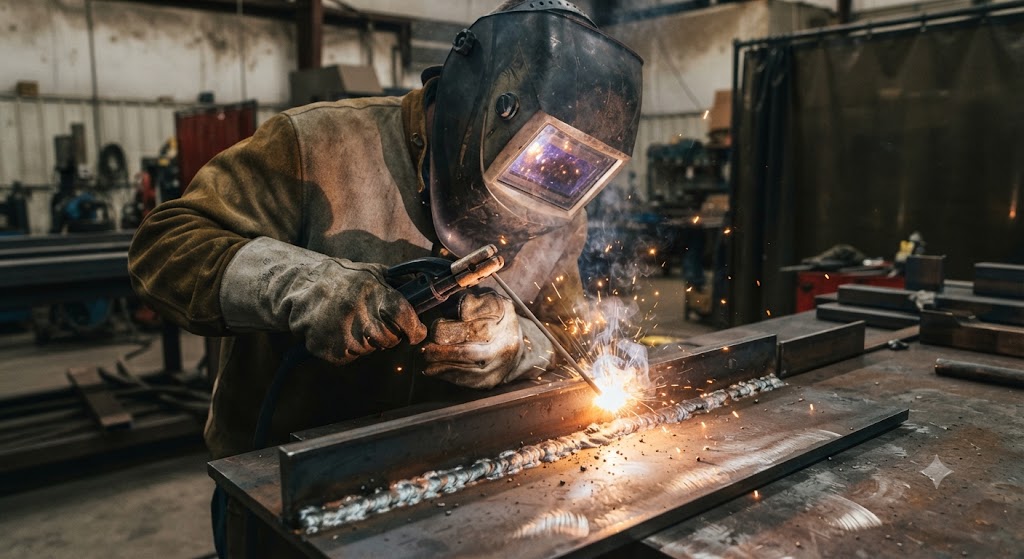
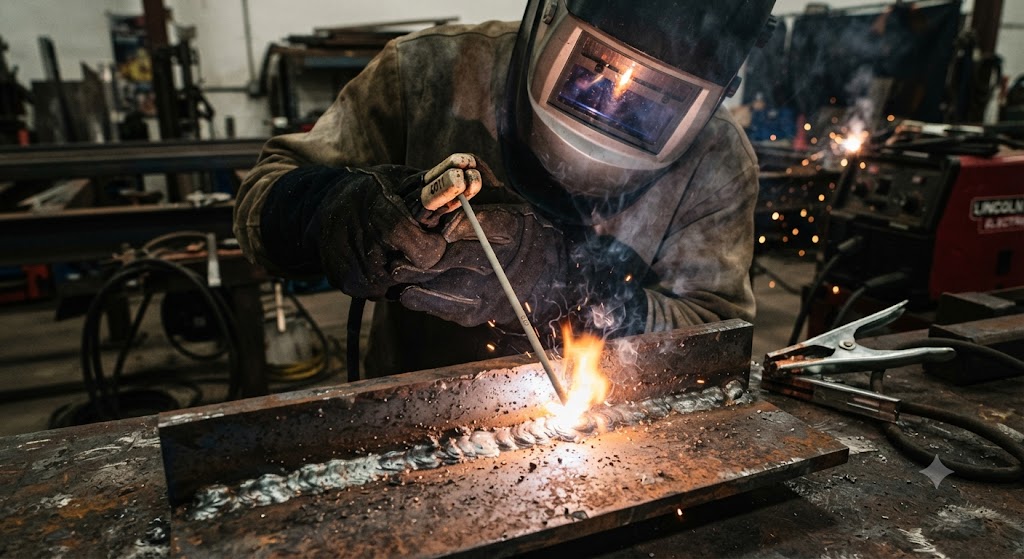
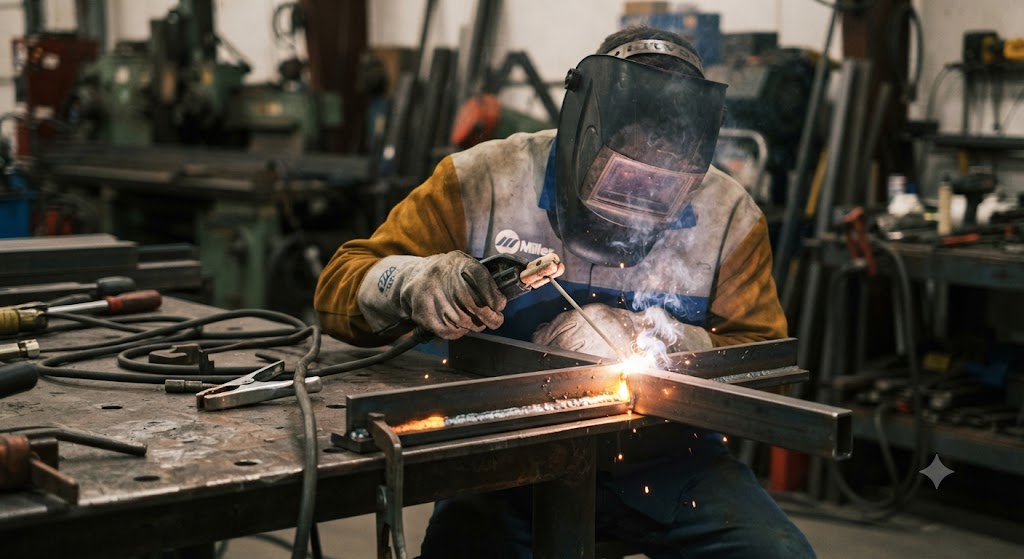
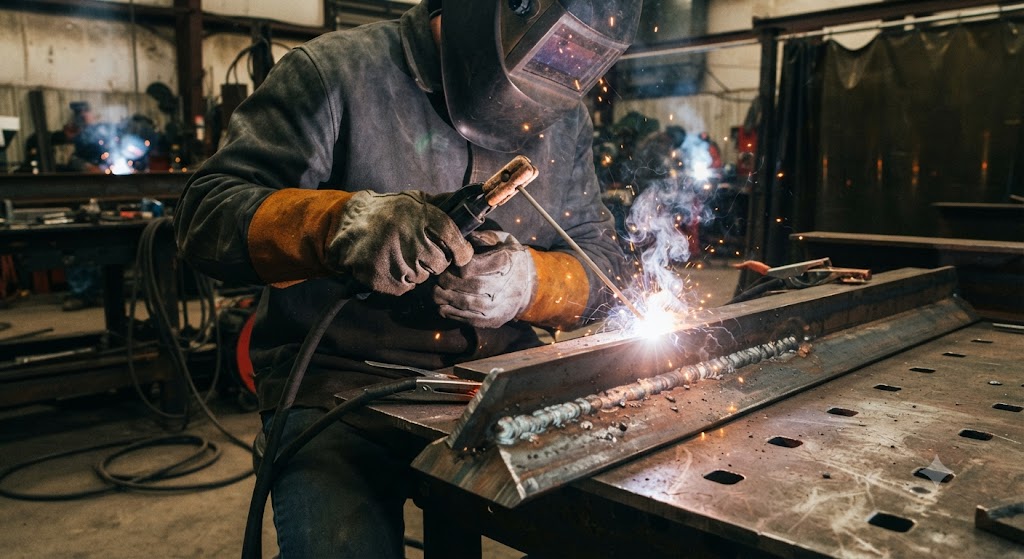
Watch a pipeliner lay a root pass and you are watching 6010 do the one thing it was born for. The arc is tight and forceful, almost violent, digging deep into the root of the joint and freezing fast enough to run straight down a vertical pipe. No other common rod bites quite like it, which is why 6010 has been the backbone of pipe welding for generations.
The 6010 welding rod is a cellulose-coated stick electrode rated at 60,000 PSI that runs on DC electrode positive only, famous for deep penetration and a fast-freezing puddle that makes it the standard for pipeline root passes and deep-penetration work. That DC-only requirement is the single most important thing to know about it, because it is exactly why so many hobbyists reach for its cousin 6011 instead. Here is the full picture.
What the name means
Decoding E6010: the 60 is 60,000 PSI minimum tensile strength, the 1 means all positions, and the 0 designates a high-cellulose sodium coating that runs on DC electrode positive only. That cellulose coating burns to create a deep, digging arc and a fast-freezing puddle, which is what lets 6010 penetrate to the root and weld out of position on pipe.
The catch is baked into that final digit: 6010 needs DC and a machine with enough open-circuit voltage to strike and hold its snappy arc. Put it on a basic AC transformer and it will not cooperate.
Direct answer: what is 6010 used for?
6010 is used for deep-penetration work where you need to reach the root of a joint, above all the root pass in pipe welding. Pipeliners run a 6010 root, then often fill and cap with 7018. Its fast-freeze puddle handles vertical and overhead pipe positions, and its digging arc cuts through light surface contamination to fuse the root.
Beyond pipe, it is used for heavy repair and structural root passes where penetration matters more than a pretty face. Where 6010 is the wrong tool: any AC-only machine, thin sheet metal (it will blow through), and jobs where you want a smooth, spatter-free bead. It runs rough and snappy by design. If you have a basic AC welder, or you want an easier arc on dirty metal, 6011 gives you the same digging character with far more flexibility.
6010 versus 6011
This is the comparison that decides it for most buyers. Both rods dig deep, freeze fast, and handle dirty metal. The difference is current and arc feel:
- 6010 runs DC electrode positive only, with a tighter, more forceful, more surgical arc that pipeliners prefer for clean root passes.
- 6011 runs on both AC and DC, with a slightly softer arc, so it works on basic AC buzzboxes and is more forgiving.
If you have a DC machine and want the crispest deep penetration, choose 6010. If you have AC only, or you want one do-everything digging rod for farm and repair work, choose 6011. That single choice covers most people.
Amperage settings
For a 1/8 inch 6010 rod, most welders run roughly 75 to 125 amps, with pipe root passes often set around 80 to 90 amps depending on fit-up. Smaller 3/32 inch rods run lower, in the rough 40 to 80 amp range. Start conservative, especially on a root pass, where fit-up and gap matter as much as the dial. Keep a tight arc and use a whip-and-pause technique to control the keyhole on a root.
Technique notes
- Use DC electrode positive. 6010 will not run on standard AC.
- Whip and pause on roots. Managing the keyhole is how you get full penetration without burn-through.
- Expect spatter and a rough bead. That is normal for a deep-digging cellulose rod.
- Keep the arc tight. A long arc on 6010 makes a mess and loses control.
Which 6010 to buy
Because 6010 is a DC-only specialist, buy it only if your machine outputs DC. The workhorse size is 1/8 inch.
- Forney 31610 E6010 1/8-inch electrodes are a solid choice for deep-penetration root passes and repair on a DC machine, delivering the classic tight, digging 6010 arc. The honest limitation is the rod itself: on an AC-only welder it simply will not run, so confirm your machine before buying.
If you are not sure your machine handles 6010, or you want one rod that also runs on AC, buy Forney E6011 1/8-inch electrodes instead. You give up a little of that surgical 6010 root-pass feel, but you gain the ability to run on any machine and weld dirty metal all day.
Who should skip 6010: hobbyists with AC-only welders, anyone welding thin sheet, and beginners who want an easy arc. 6010 is a rod for DC machines and deep-penetration jobs, especially pipe.
The bottom line
6010 is a specialist, and its specialty is penetration. On a DC machine it delivers the deep, fast-freezing root pass that pipe welding is built on, and it does it with a tight, forceful arc no other common rod matches. But it demands DC, runs rough, and blows through thin metal, so it is not a general hobby rod. If you weld pipe on DC, keep 6010 on the shelf. If you are on AC or want one versatile digging rod, reach for 6011.
FAQ
What is 6010 rod used for? Deep-penetration work, above all the root pass in pipe welding. Its digging arc and fast-freeze puddle reach the root of a joint and handle vertical and overhead pipe positions.
Why do pipeliners prefer 6010? Because its tight, forceful arc gives clean, deep root penetration and its fast-freezing puddle holds out of position on pipe. Pipeliners often run a 6010 root and fill and cap with 7018.
Can 6010 run on AC? No. 6010 runs on DC electrode positive only. If you have an AC-only machine, use 6011, which offers similar penetration and runs on AC and DC.
What amperage for 6010 1/8 inch? Roughly 75 to 125 amps for general work, with pipe root passes often around 80 to 90 amps depending on fit-up. Start low and adjust.
What is the difference between 6010 and 6011? 6010 is DC-only with a tighter, more surgical arc favored for pipe roots. 6011 runs on AC and DC with a slightly softer arc, making it more versatile for AC machines and general repair.
Is 6010 good for beginners? Not really. Its snappy, digging arc is harder to control and it needs a DC machine. Beginners usually start with 6013 or 6011.
References
- Lincoln Electric, cellulosic stick electrode and pipe welding documentation (manufacturer), lincolnelectric.com.
- Welding Tips and Tricks, 6010 pipe root pass procedure and amperage guidance (established welding education resource).
- The Fabricator, articles comparing 6010, 6011, and 7018 stick electrodes, thefabricator.com.