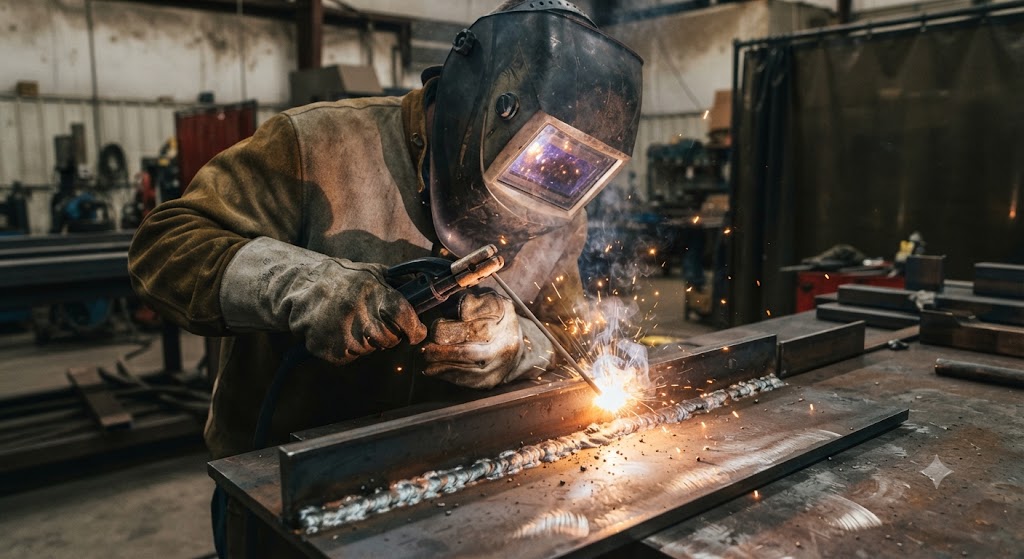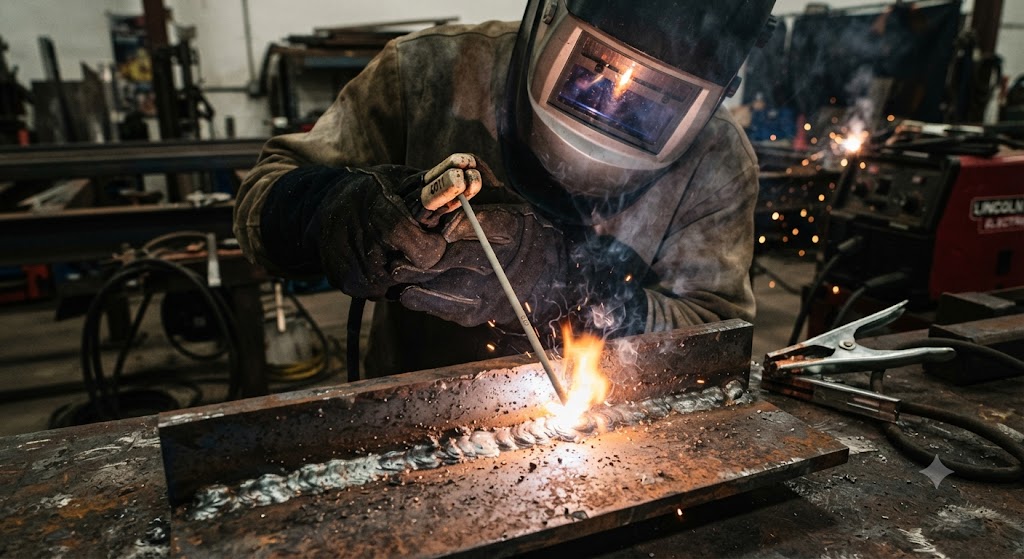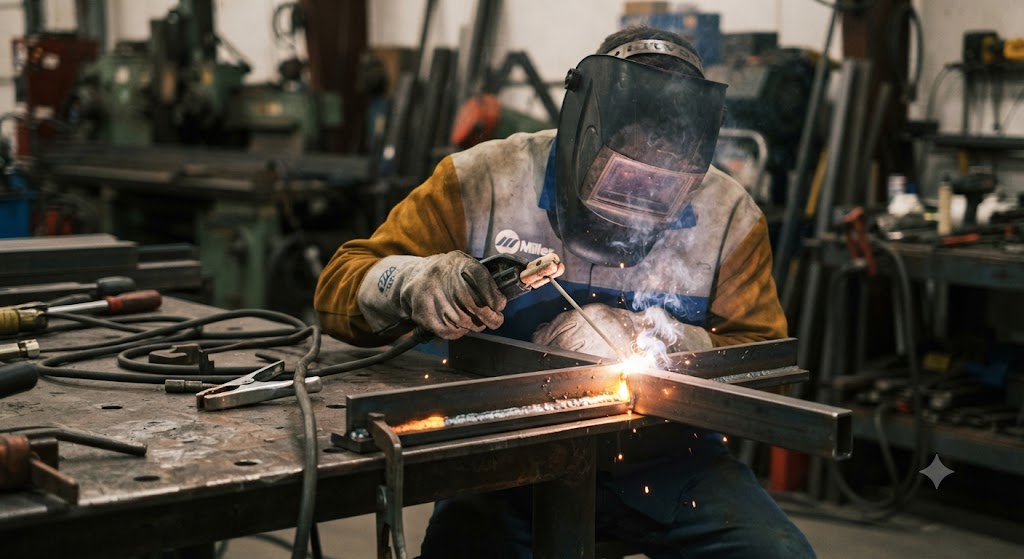
Harbor Freight Welding Rods: Are They Any Good?
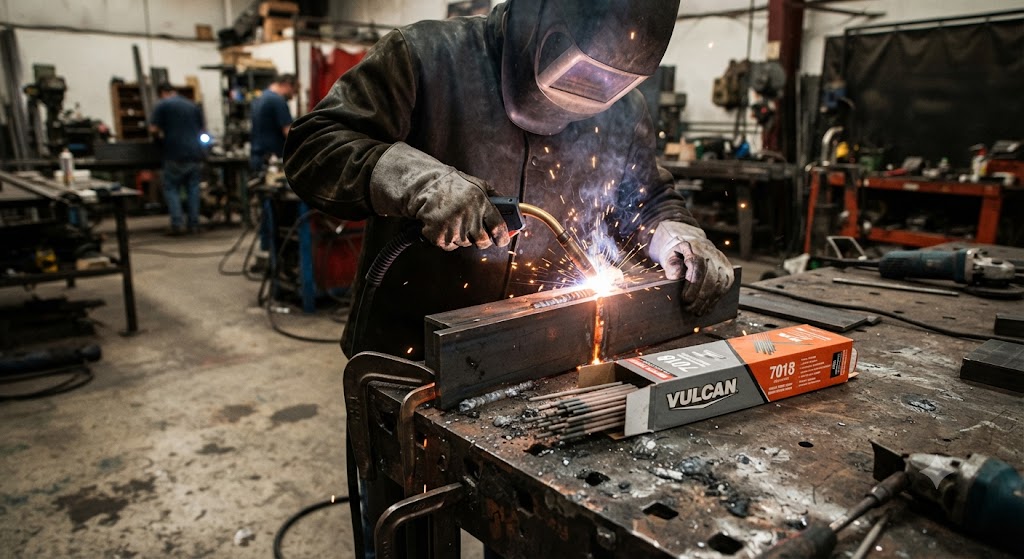
Walk into any Harbor Freight and you will find welding rods sitting right next to the tools, wearing the Vulcan name, tempting anyone with a new welder and an empty rod drawer. The question every beginner asks is the same: are these actually usable, or are you buying frustration? The honest answer is more encouraging than snobs will admit, with a few real caveats worth knowing before you fill your cart.
Harbor Freight sells welding rods mainly under its Vulcan brand (with some entry-level Chicago Electric rods), covering the common types 6011, 6013, and 7018, and by most accounts they weld acceptably for hobby and general repair work. They are not premium rods, and quality can vary between batches, but for learning and non-critical projects they get the job done. Here is what to expect and how they stack up.
What Harbor Freight actually sells
The Vulcan consumable line covers the rods most hobbyists reach for:
- Vulcan E6011: the deep-penetration, dirty-metal rod that runs on AC or DC, sold in 2 pound and larger quantities.
- Vulcan E6013: the easy, all-purpose rod for thin, clean metal and learning.
- Vulcan E7018: the low-hydrogen structural rod for stronger welds on clean steel.
Harbor Freight also stocks Chicago Electric entry-level rods in some sizes, and low-temperature aluminum “welding” rods that are actually brazing rods for torch repair, not arc welding. So the store covers the main stick electrode types a home welder needs.
Direct answer: are they worth buying?
For a beginner, hobbyist, or anyone doing non-critical repair and practice work, yes, Harbor Freight rods are worth buying. Welders who have tested them generally rate them as average: they strike, run, and hold a bead well enough for learning and general fabrication. Some users even praise the Vulcan 6011 for starting well on low-voltage machines, noting it seems formulated with extra arc-stabilizing compounds that help it pull an arc on basic welders.
Where to be cautious: these are not the rods for code work, structural jobs that must be inspected, or anything where a weld failure is dangerous. Quality can vary between production batches, and the rods are made overseas, so for critical work step up to an established brand. Think of Harbor Freight rods as practice-and-repair rods, not certified structural consumables.
The honest caveats
A few real-world quirks show up in user reports:
- Batch variation. Consistency is not guaranteed rod to rod or box to box, so an occasional dud or a box that runs differently is possible.
- Flux on the striking end. Some users find flux covering the rod tips, which forces a tap start (like you use with 7018) instead of a scratch start on rods that normally strike easily.
- Storage still matters. The 7018 is a low-hydrogen rod, so it absorbs moisture like any 7018 and should be kept dry for its strength benefit to hold.
None of these are dealbreakers for hobby work, but they explain why serious or certified welders often prefer a name brand for important jobs.
How they compare to name-brand rods
Against established rods from Forney, Hobart, or Lincoln Electric, the Harbor Freight rods generally run a step behind in consistency and arc refinement, but not by as much as their reputation suggests for basic work. For learning to weld, practicing beads, and fixing non-critical items, the difference is small. For clean, repeatable results on work that matters, the name brands are more consistent batch to batch. Many welders keep Harbor Freight rods for practice and rough repairs, and reach for a trusted brand when the weld counts.
Dependable name-brand alternatives
If you want rods you can buy online with more batch-to-batch consistency, these established options cover the same common types:
- Forney E6011 electrodes are a reliable deep-penetration rod for dirty or rusty steel on AC or DC machines, a consistent step up for repair work. The trade-off versus a smooth rod is a rougher arc and more spatter, which is inherent to 6011.
- Forney E6013 electrodes are an easy-running choice for thin, clean metal and beginners, lighting readily with easy slag cleanup. The limitation is light penetration, so they are not for thick or structural joints.
- Forney E7018 electrodes deliver strong, low-hydrogen welds on clean steel for structural-strength work. As with any 7018, keep them dry so the low-hydrogen benefit holds.
- Hobart E6011 electrodes are another dependable dirty-metal rod with a smooth-for-6011 arc and consistent quality. Like all 6011, expect a digging, spatter-prone arc by design.
How to decide: use Harbor Freight rods for learning and rough, non-critical repairs where saving a trip and grabbing a box in person is convenient. Buy an established brand when you want consistent results or the weld matters.
Who should skip Harbor Freight rods: anyone doing certified, structural, or safety-critical welding. For that work, the batch-to-batch consistency of a name brand is worth it.
The bottom line
Harbor Freight’s Vulcan rods are better than their bargain-bin reputation for what most people buy them for: learning to weld and fixing non-critical stuff. They cover the common 6011, 6013, and 7018 types and weld acceptably, with the caveats of batch variation, occasional flux-covered tips, and normal 7018 storage rules. For practice and repairs they are a fair pick; for structural or inspected work, reach for an established brand.
FAQ
Are Harbor Freight welding rods any good? For beginners, hobbyists, and non-critical repairs, yes. The Vulcan rods weld acceptably and are generally rated as average by welders who test them. They are not for code, structural, or safety-critical work.
What brand are Harbor Freight welding rods? Mostly the Vulcan brand, with some entry-level Chicago Electric rods. They cover the common stick types including 6011, 6013, and 7018, plus low-temperature aluminum brazing rods.
Can you weld structural steel with Harbor Freight rods? Not for certified or inspected structural work. Batch consistency is not guaranteed, so for jobs where a weld failure is dangerous, use an established brand like Forney, Hobart, or Lincoln Electric.
Why won’t my Vulcan rod strike an arc? Some users find flux covering the striking tip, which forces a tap start like you use with 7018 rather than a scratch start. Tapping the rod to break through the flux usually gets the arc going.
Is Vulcan 7018 a real low-hydrogen rod? Yes, it is an E7018 low-hydrogen electrode, so it absorbs moisture like any 7018. Keep it dry and stored sealed for its strength benefit to hold.
Should a beginner buy Harbor Freight rods? They are a reasonable choice for learning and practice, especially the 6011 and 6013. As your work gets more serious or needs consistent results, move to an established brand.
References
- Harbor Freight Tools, Vulcan welding electrode product listings and specifications (E6011, E6013, E7018), harborfreight.com.
- Lincoln Electric and Hobart Brothers stick electrode classification and application guidance for comparison (manufacturer documentation).
- American Welding Society AWS A5.1 carbon steel covered electrode classification, aws.org.