Brass and Bronze Brazing Rods: What's the Difference?
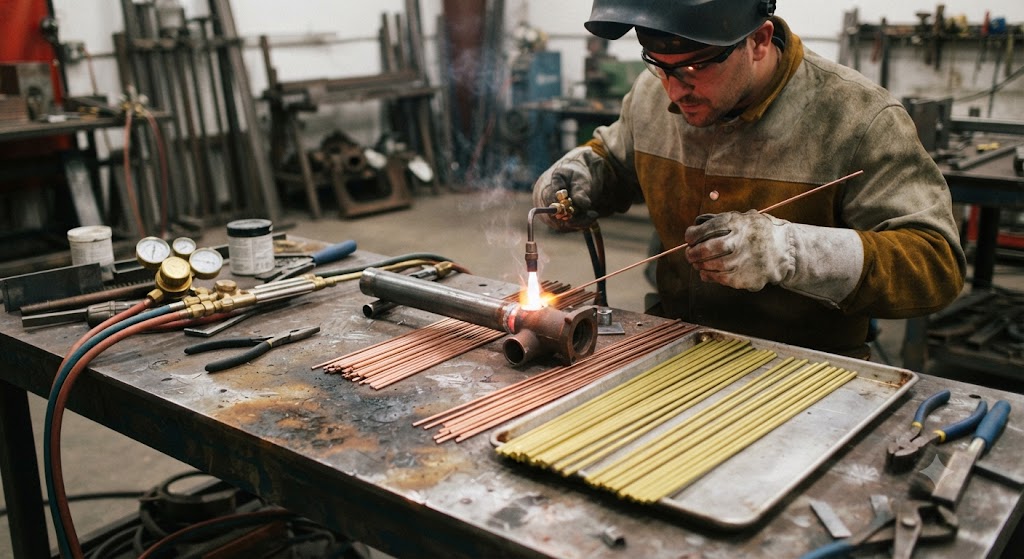
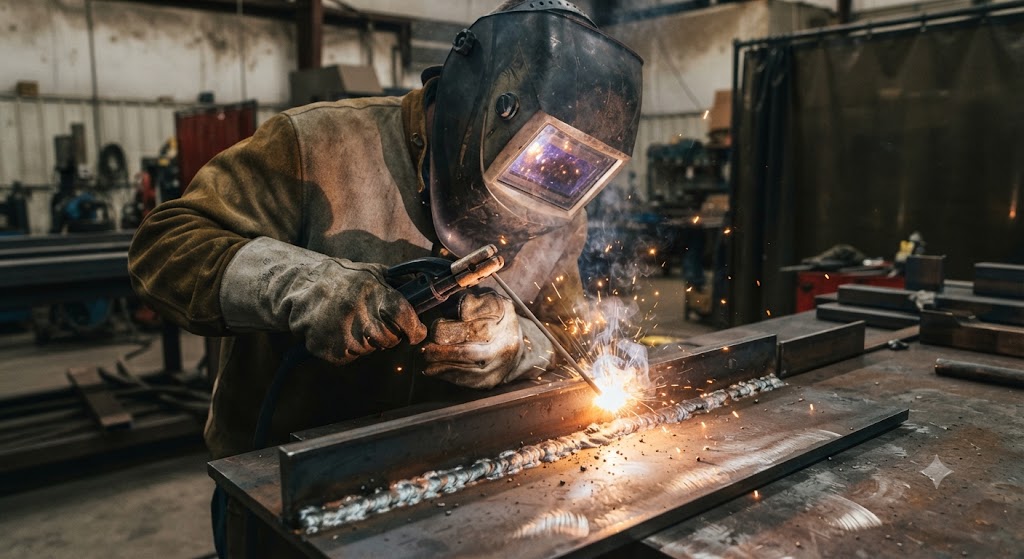
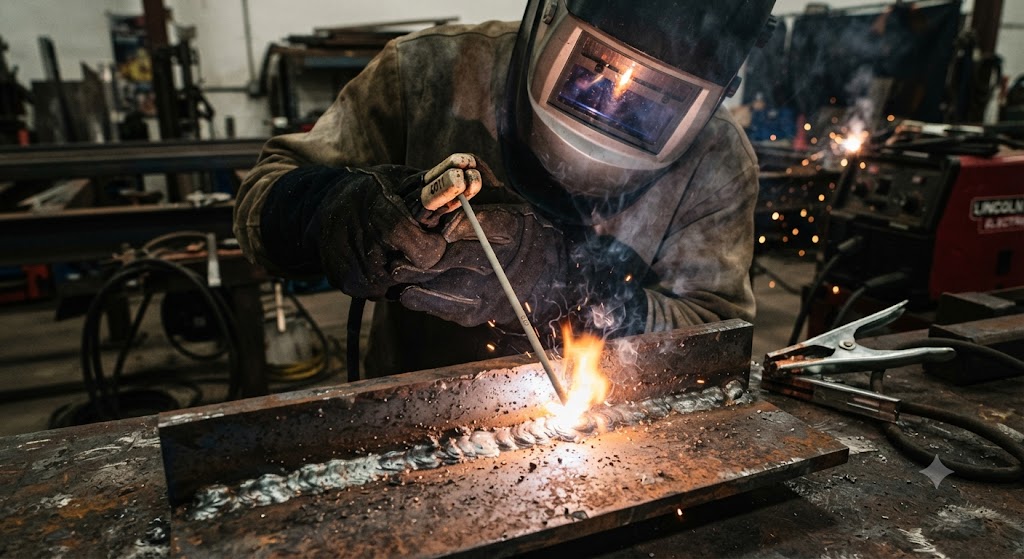
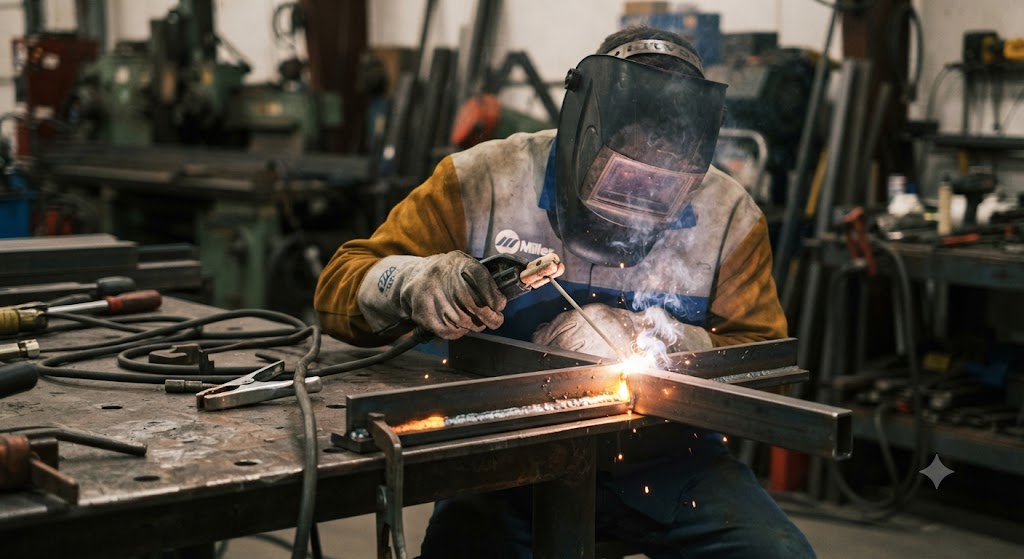
Walk into a welding supply and ask for a bronze brazing rod, and you might walk out with three different products depending on who is behind the counter. Low-fuming bronze, silicon bronze, brass rod: the names blur together, and they are not interchangeable. One is really a brass alloy despite the bronze name, one is for torch work, and one is for TIG and MIG. Sorting them out is the difference between a clean, strong repair and a joint that fumes, cracks, or never bonds.
Brass and bronze brazing rods are copper-based fillers for general-purpose brazing of steel, cast iron, and copper, with the two main types being low-fuming bronze (RBCuZn, actually a brass alloy) for torch brazing and silicon bronze (ERCuSi-A) for TIG and MIG brazing. Here is how they differ and when to use each.
The naming confusion, sorted out
The first thing to untangle is that the labels do not match the chemistry the way you would expect. Bronze traditionally means copper-tin, and brass means copper-zinc, but the brazing rod names blur this:
- Low-fuming bronze rod (RBCuZn-C) is actually a brass alloy, copper and zinc with small additions of tin, iron, manganese, and silicon. It is called bronze by tradition. The silicon reduces the zinc fumes that plain brass rods give off, hence low-fuming.
- Silicon bronze rod (ERCuSi-A) is a true bronze, copper with silicon, and no zinc. It is used mainly for TIG and MIG brazing.
So when someone says bronze brazing rod, ask which one, because a torch rod and a TIG wire are very different tools for different jobs.
Direct answer: which one do you need?
Match the rod to your process and job:
- Torch brazing steel, cast iron, copper, or galvanized metal: low-fuming bronze (RBCuZn-C), the general-purpose oxy-fuel rod.
- TIG or MIG brazing thin steel, galvanized, or coated sheet with low heat: silicon bronze (ERCuSi-A).
- Repairing cracked cast iron: low-fuming bronze braze welding, which runs cooler than fusion welding and reduces cracking risk.
- Joining dissimilar metals or building up worn surfaces: low-fuming bronze for torch work, silicon bronze for TIG and MIG.
The simplest split: if you are using a torch, reach for low-fuming bronze; if you are using TIG or MIG, reach for silicon bronze.
Low-fuming bronze: the torch workhorse
Low-fuming bronze (RBCuZn-C) is the classic general-purpose torch brazing rod. It joins a wide range of metals, steel, cast iron, copper, brass, and galvanized steel, and is popular for repairs, building up worn parts, and joining dissimilar metals. It offers good strength (tensile strength around 60 to 68 ksi) and brazes in the roughly 1,330 to 1,550 degrees Fahrenheit range. The silicon in the alloy suppresses the zinc fumes that plain brass rods produce, though you should still braze with good ventilation. It needs flux unless the rod is flux-coated. This is the rod most people mean when they talk about bronze brazing steel with a torch.
Silicon bronze: the TIG and MIG choice
Silicon bronze (ERCuSi-A) is a copper-silicon alloy used as a TIG filler rod or MIG wire, and it has become a favorite for low-heat joining. Because it braze-welds at a lower temperature than steel fusion welding, it is excellent for:
- Thin sheet metal, where fusion welding would burn through or warp.
- Galvanized and coated steel, where lower heat preserves more of the coating and reduces fumes.
- Auto body and dissimilar-metal work, where low distortion matters.
Silicon bronze flows smoothly, lays a clean bead, and is more forgiving on thin material than fusion welding. It is a different tool from low-fuming bronze, aimed at TIG and MIG rather than the torch.
Cast iron and galvanized: where bronze shines
Two jobs make bronze brazing especially valuable:
- Cast iron repair. Cast iron is notoriously crack-prone when fusion welded because of the heat. Brazing with low-fuming bronze runs cooler, so it puts less thermal stress into the part, which reduces cracking on repairs of cast iron brackets, housings, and manifolds.
- Galvanized and coated steel. The lower heat of bronze brazing (torch or TIG or MIG silicon bronze) burns off less of the zinc coating and produces fewer fumes than fusion welding, while still making a strong joint. Always ventilate, since heating galvanized metal releases zinc oxide fumes regardless.
Which brass and bronze brazing rods to buy
Here are options covering torch and TIG and MIG work.
- SÜA low-fuming bronze flux-coated brazing rod (RBCuZn-C) is the general-purpose torch rod for steel, cast iron, copper, and galvanized metal, with flux already coated on so you can start brazing. Its limitation is that, as an oxy-fuel rod, it needs enough torch heat to flow and bond properly.
- Forney 48504 flux-coated bronze brazing rod (1/8 inch) is another flux-coated torch rod suited to steel and cast iron repair and general brazing, convenient because the flux is built in. The trade-off is that flux-coated rods should be kept dry, since the coating absorbs moisture.
- Blue Demon silicon bronze ERCuSi-A (3/32 inch TIG rod) is the low-heat TIG braze choice for thin steel, galvanized, and coated sheet, laying a clean bead with low distortion. Its limitation is that it is a TIG filler, so you need a TIG setup and separate shielding to use it.
How to choose: for torch brazing steel and cast iron, use a flux-coated low-fuming bronze rod. For TIG or MIG braze-welding thin, galvanized, or coated metal, use silicon bronze. Ventilate whenever heating brass alloys or galvanized metal.
Who should skip low-fuming bronze: anyone braze-welding thin or coated sheet with TIG or MIG, who should reach for silicon bronze instead for low heat and clean beads.
The bottom line
Brass and bronze brazing rods are general-purpose copper-based fillers, and the two you will actually choose between are low-fuming bronze (RBCuZn-C, really a brass alloy, for torch brazing steel, cast iron, and copper) and silicon bronze (ERCuSi-A, a true bronze, for TIG and MIG braze-welding thin and coated metal). Low-fuming bronze is the torch workhorse and a cast iron repair favorite; silicon bronze is the low-heat choice for thin sheet and galvanized steel. Match the rod to your process, use flux unless the rod is coated, and ventilate.
FAQ
What is the difference between brass and bronze brazing rod? Low-fuming bronze rod (RBCuZn-C) is actually a brass alloy (copper and zinc) for torch brazing, with silicon added to reduce zinc fumes. Silicon bronze (ERCuSi-A) is a true bronze (copper and silicon) used for TIG and MIG braze-welding. The names blur, so confirm the type.
What is low-fuming bronze brazing rod used for? General-purpose torch brazing of steel, cast iron, copper, brass, and galvanized metal, plus repairs and building up worn surfaces. It offers good strength and the silicon reduces zinc fuming compared with plain brass rods.
What is silicon bronze used for? Silicon bronze (ERCuSi-A) is a TIG and MIG braze filler for thin sheet steel, galvanized and coated metal, and auto body work. Its lower heat reduces warping and burn-through compared with fusion welding.
Can you braze cast iron with bronze rod? Yes, and it is a common repair method. Brazing with low-fuming bronze runs cooler than fusion welding cast iron, which reduces the thermal stress that makes cast iron crack. Preheat and slow cooling still help.
Do bronze brazing rods need flux? Yes, unless the rod is flux-coated. Many low-fuming bronze rods come flux-coated for convenience. For bare rods, apply a compatible brazing flux to clean the joint and help the filler flow.
Is bronze brazing galvanized steel safe? It makes a strong joint with less coating loss than fusion welding, but heating galvanized metal releases zinc oxide fumes regardless of method. Always braze with good ventilation or fume extraction to avoid metal fume fever.
References
- Washington Alloy and Harris Products Group low-fuming bronze (RBCuZn-C) and silicon bronze (ERCuSi-A) filler metal data, including tensile strength and brazing ranges (manufacturers), washingtonalloy.com, harrisproductsgroup.com.
- American Welding Society AWS A5.7 and A5.8 filler metal classifications for copper alloys, aws.org.
- OSHA guidance on zinc oxide fumes and ventilation when heating galvanized metal, osha.gov.