Aluminum Welding Rods for Stick Welders: What Actually Works
Every few months a welding forum lights up with the same disappointed post: someone bought “aluminum welding rods” off a late-night TV ad, tried to fix a cracked aluminum part with a propane torch, and got a gummy mess that fell apart. The confusion is understandable, because the term “aluminum welding rod” covers three very different products, and only some of them actually weld.
Real aluminum stick welding rods do exist (classified E4043) and they work on a DC stick machine, but stick welding aluminum is difficult and demands clean metal, preheat, and speed. The low-temperature “as seen on TV” aluminum rods are brazing rods, not welding rods, and true aluminum welding is usually done with TIG or MIG using ER4043 or ER5356 filler. Knowing which product you actually have is the whole game.
The three things called “aluminum welding rod”
Untangling the term saves a lot of wasted money:
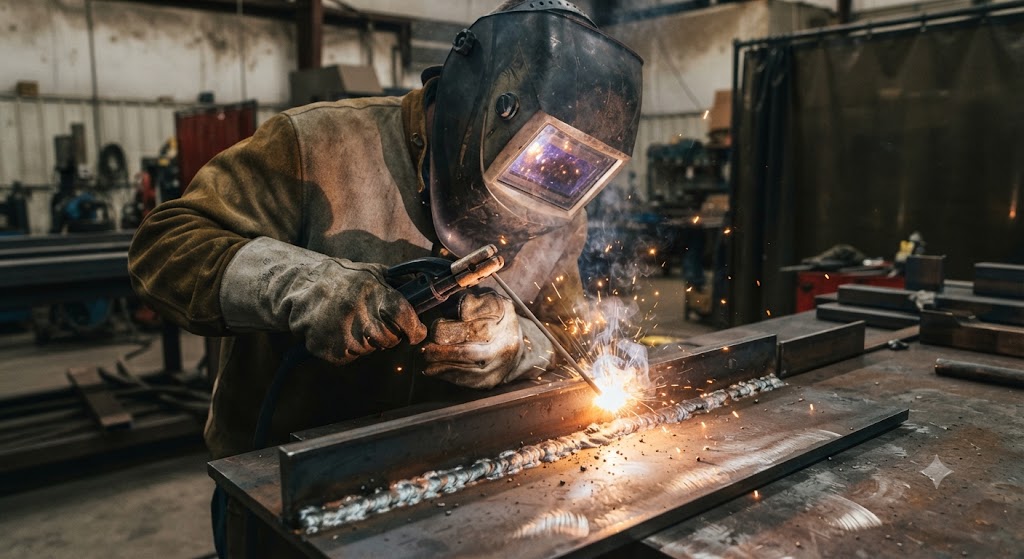
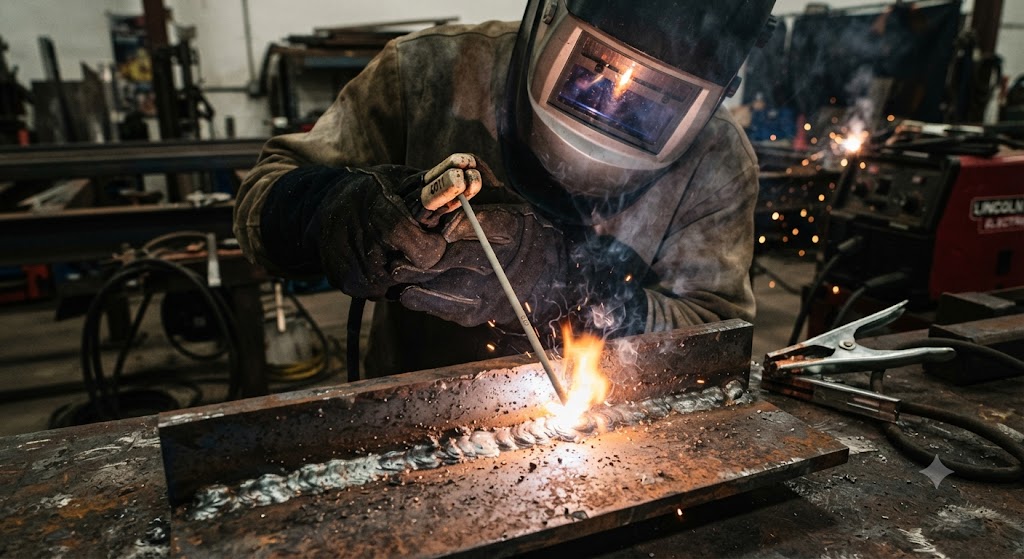
- E4043 aluminum stick electrodes: genuine flux-coated arc-welding rods for a DC stick welder. They fuse aluminum with an electric arc, like a steel stick rod does for steel. These are real welding rods, just hard to run.
- Low-temperature aluminum “brazing” rods: the propane-torch repair rods sold on TV and in hardware aisles. These do not melt the base aluminum; they flow a lower-melting filler onto it, which is brazing, not welding. They can work for light, low-stress repairs, but they are not structural welds.
- ER4043 and ER5356 filler rod: bare filler wire for TIG (and spooled for MIG). This is how most real aluminum welding gets done, with a proper shielding-gas process.
When someone says aluminum welding “doesn’t work,” they usually tried option 2 expecting option 1 or 3.
Direct answer: can you stick weld aluminum?
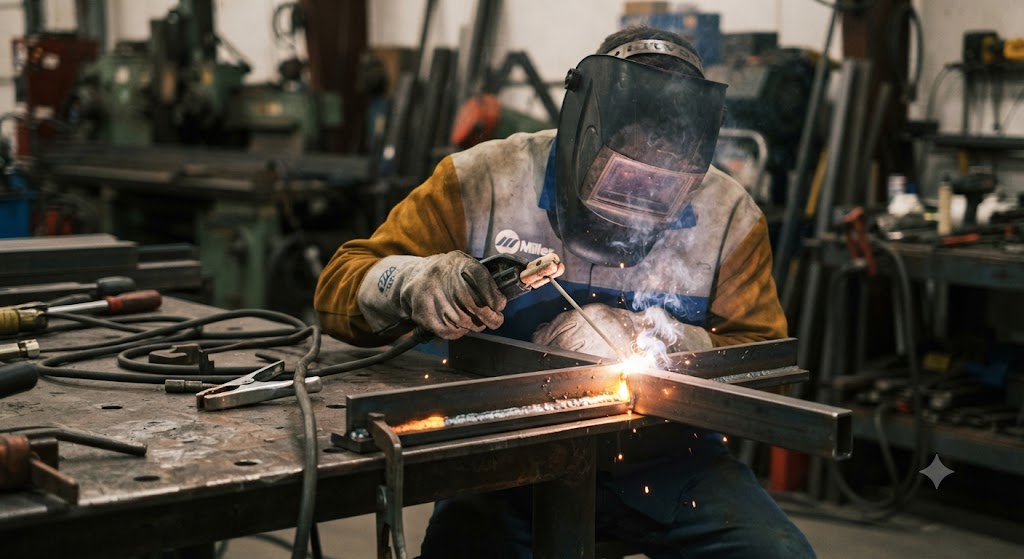
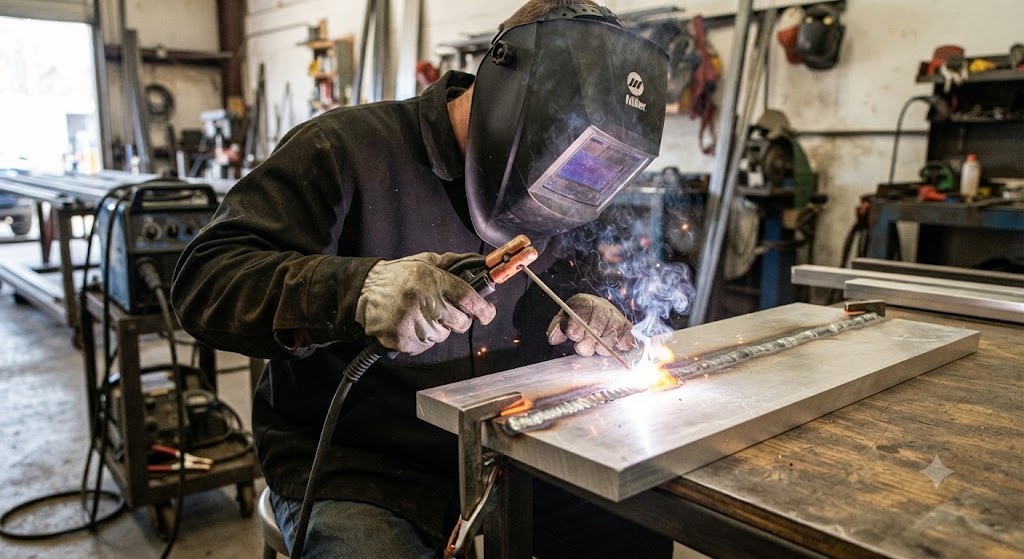
Yes, you can stick weld aluminum with E4043 electrodes on a DC machine, but it is genuinely hard and best reserved for thicker material and rough repairs. Aluminum conducts heat away fast, so the metal must usually be preheated, and the flux-coated rod runs quick with a fluid puddle that is tricky to control. The flux is also aggressive and must be cleaned off completely after welding, because leftover flux corrodes aluminum.
The practical reality: for thin aluminum, clean cosmetic work, or anything structural, TIG is far superior, and MIG with a spool gun is faster for production. Aluminum stick welding earns its place for thick, dirty, or field repairs where TIG is not available and you accept a rougher result. If you want clean, strong aluminum welds and are choosing a process, choose TIG or MIG, not stick.
What about the low-temp torch rods?
The low-temperature aluminum rods are brazing (or more precisely braze-welding) rods. You heat the base aluminum with a propane or MAPP torch, and the rod flows into the joint at a temperature below the aluminum’s melting point. They genuinely can fix small, low-stress items: a cracked bracket, a leaking aluminum fitting, filling a gouge. The honest limits: they are not as strong as a real weld, they need scrupulously clean metal and the right temperature (too hot and you melt the part, too cold and it will not bond), and they are not suitable for structural or high-stress repairs. Treat them as a handy repair tool, not a welding shortcut.
Which aluminum stick rods to buy
If you have a DC stick machine and a thick aluminum repair, E4043 electrodes are the real deal.
- Blue Demon E4043 aluminum stick electrodes are a dependable choice for arc welding low-alloy aluminum on DC, producing dense, strong welds on cast, wrought, and extruded aluminum. The limitation is inherent to the process: you need preheat, clean metal, a steady hand, and thorough flux cleanup afterward, so it rewards practice.
- YESWELDER E4043 aluminum stick welding rods are another option designed for DC reverse polarity, offering good weldability and crack resistance with a stable, soft arc, in a larger pack for more practice or bigger repairs. As with any aluminum stick rod, it is best on thicker material and demands the same prep and cleanup discipline.
How to decide your approach: if aluminum work is central to what you do, invest in TIG (with ER4043 or ER5356 filler) or a MIG spool gun rather than fighting the stick process. If you just need to fix a thick aluminum part occasionally on the DC machine you already own, E4043 stick rods will get it done.
Who should skip aluminum stick rods: anyone welding thin aluminum, doing cosmetic work, or needing structural strength. Those jobs belong to TIG or MIG. And anyone expecting a propane-torch “welding rod” to make a structural weld should reset expectations: that is brazing.
The bottom line
“Aluminum welding rod” means three different things, so buy for the process you actually have. E4043 stick electrodes truly weld aluminum on a DC machine, but the process is demanding and suits thick or rough repairs. Low-temp torch rods braze rather than weld and are for light repairs only. For clean, strong aluminum welds, TIG or MIG with ER4043 or ER5356 filler is the right path. Match the product to the job and you will stop wasting rods.
FAQ
Do aluminum welding rods for stick welders actually work? Yes. E4043 aluminum stick electrodes weld aluminum on a DC machine. The process is difficult and best for thicker or rough repairs, requiring preheat, clean metal, and thorough flux cleanup afterward.
What is the difference between real TIG aluminum rod and low-temp rod? ER4043 and ER5356 TIG filler melt and fuse the aluminum in a real welding process. Low-temperature torch rods braze, flowing filler onto the base metal below its melting point, which is weaker and for light repairs only.
Can you stick weld aluminum? Yes, with E4043 electrodes on DC, but it is hard. Aluminum’s heat conduction usually requires preheat, the puddle is fluid and fast, and the flux must be cleaned off completely to prevent corrosion. TIG or MIG is better for most aluminum.
Are the low-temp aluminum torch rods any good? For small, low-stress repairs like cracked brackets or leaks, yes. They are not as strong as a weld, need clean metal and correct temperature, and are not suitable for structural work.
What is the best way to weld aluminum? For most work, TIG with ER4043 or ER5356 filler gives the cleanest, strongest results, and MIG with a spool gun is faster for production. Stick welding aluminum is a fallback for thick or field repairs.
Do I need to clean aluminum stick flux off after welding? Yes. The flux on aluminum stick rods is corrosive if left on, so clean the weld thoroughly with water and a stainless brush after it cools.
References
- Forney Industries, E4043 aluminum stick electrode product data (manufacturer), forneyind.com.
- Blue Demon and YESWELDER E4043 aluminum electrode documentation (manufacturer).
- Lincoln Electric and Miller Electric aluminum welding process guidance for stick, TIG, and MIG (manufacturer documentation).