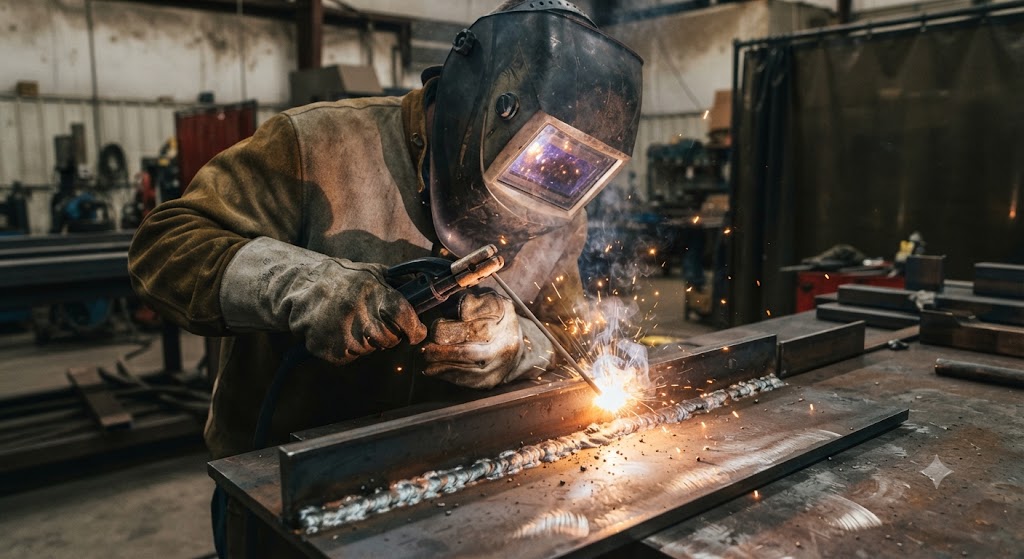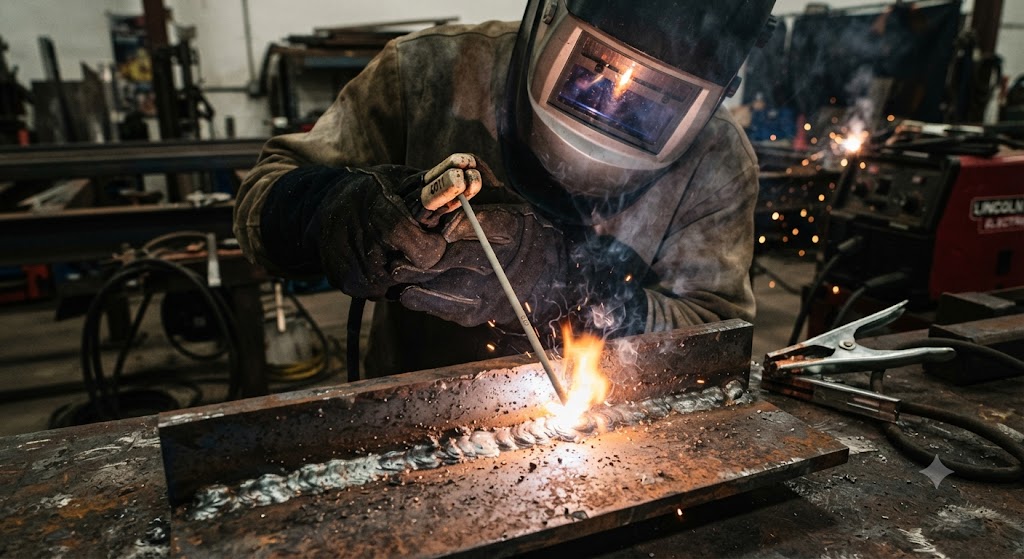
Harbor Freight Welding Wire: Is It Reliable?
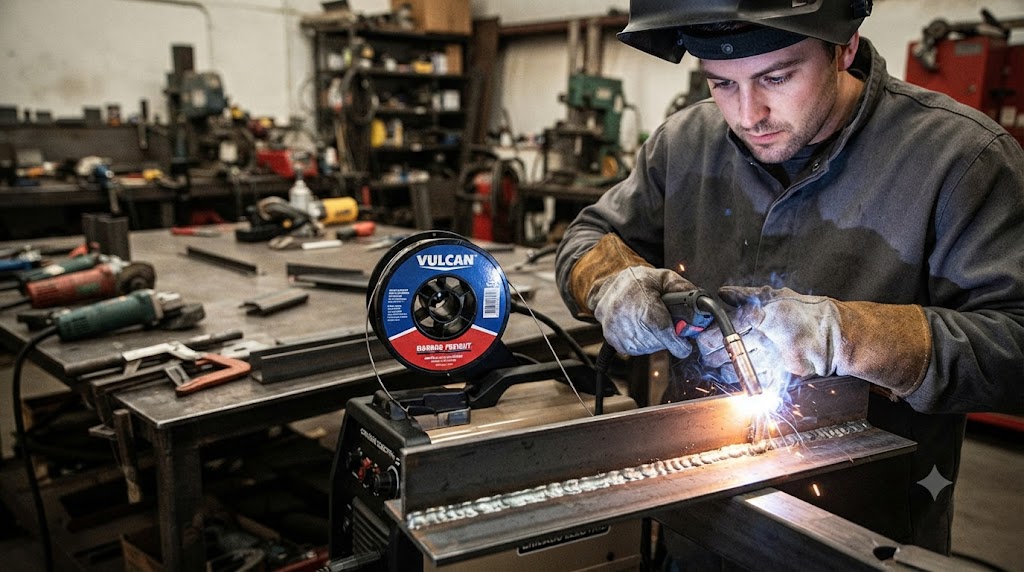
You bought a wire feed welder, ran through the sample spool it came with, and now you are standing in Harbor Freight looking at Vulcan wire, wondering if it will weld like the good stuff or gum up your gun. It is a fair question, and the answer surprises people who assume house-brand means junk. Harbor Freight wire has quietly earned a decent reputation among hobbyists, with one interesting twist about who actually makes it.
Harbor Freight sells welding wire mainly under its Vulcan brand (with some Chicago Electric spools), in both self-shielded flux-core and solid MIG versions, and most hobbyists find it welds acceptably for general and DIY work. The flux-core wire in particular is reportedly made in Italy by a well-known manufacturer, which helps explain why it runs better than its house-brand label suggests. Here is what to expect and the alternatives worth knowing.
What Harbor Freight actually sells
The Vulcan wire lineup covers the two types most home welders need:
- Vulcan self-shielded flux-core wire (E71T-GS), in .030 and .035 inch, for gasless welding on thin to medium steel.
- Vulcan solid MIG wire (ER70S-6), for welding mild steel with shielding gas.
- Vulcan aluminum wire, for spool-gun aluminum welding.
Harbor Freight also carries some Chicago Electric wire in its entry-level tier. So between Vulcan and Chicago Electric, the store covers gasless flux core, solid steel wire, and aluminum wire, which is most of what a hobby welder reaches for.
Direct answer: is it reliable?
For hobby, DIY, and general repair work, yes, Harbor Freight welding wire is reliable enough. Users across welding forums report that the Vulcan flux-core wire feeds smoothly and lays acceptable beads, and several note it is made in Italy, with some suspecting it comes from the same manufacturer behind the well-regarded INEFIL wire. The solid MIG wire draws more mixed reviews: it welds fine for many, though some find it does not flow quite as smoothly as Hobart, Miller, or Lincoln wire.
Where to be cautious: like any consumable, it is not certified for structural or code work, and reviews vary. For learning, repairs, and general fabrication it holds its own. For critical welds or the smoothest possible feed on a fussy machine, an established online brand is the safer pick.
The Italian flux-core surprise
The most interesting thing about Harbor Freight wire is its flux-core pedigree. Multiple welders report that the Vulcan self-shielded flux-core wire is made in Italy, and many believe it is produced by the same maker as INEFIL, a wire brand hobbyists rate highly. Whether or not that specific claim holds, the consistent feedback is that the flux-core wire performs better than a bargain house brand has any right to. That makes it a reasonable grab-and-go choice when you are already at the store and need a spool for gasless work.
The solid MIG wire gets a more lukewarm reception, so if you are choosing between the two, the flux core is the stronger of Harbor Freight’s offerings.
Dependable online alternatives
If you want wire you can order online with a strong track record, these established options cover the same jobs.
- INEFIL ER70S-6 solid MIG wire (.030 inch, 10 lb spool) is a hobbyist favorite for mild steel, feeding smoothly and welding cleanly with shielding gas. Its limitation is the gas requirement, so it is not for windy outdoor work.
- INETUB BA71TGS self-shielded flux-core wire (.030 inch, 10 lb spool) is an Italian-made gasless wire with a strong reputation, welding without a bottle and holding up outdoors. The trade-off is more spatter and slag to clean than solid wire.
- Lincoln Electric SuperArc L-56 ER70S-6 solid wire (.035 inch) is the premium solid-wire pick, known for smooth feedability and consistent arc starts on a fussy machine. As a premium wire it is a step up from house-brand spools for demanding work.
How to choose: for casual gasless work, grabbing a Vulcan flux-core spool in person is a fair option. For solid MIG wire, or when you want the most consistent feed, an established brand like INEFIL or Lincoln is the surer bet.
Who should skip Harbor Freight wire: anyone doing certified, structural, or safety-critical welding, where a documented, consistent brand is worth it.
The bottom line
Harbor Freight welding wire is better than its house-brand label suggests, especially the Vulcan self-shielded flux-core wire, which is reportedly Italian-made and runs smoothly for hobby and DIY work. The solid MIG wire is more hit-or-miss but usable. For learning, repairs, and general fabrication it is reliable enough; for critical welds or the smoothest feed on a demanding machine, reach for an established online brand like INEFIL, INETUB, or Lincoln.
FAQ
Is Harbor Freight welding wire any good? For hobby, DIY, and general repair work, yes. The Vulcan self-shielded flux-core wire in particular feeds smoothly and welds acceptably. It is not certified for structural or code work, and the solid MIG wire draws more mixed reviews.
Who makes Harbor Freight Vulcan welding wire? The Vulcan flux-core wire is widely reported to be made in Italy, and many welders believe it comes from the same manufacturer as the well-regarded INEFIL wire. Harbor Freight sells it under its Vulcan house brand.
Does Harbor Freight sell flux core and solid wire? Yes. Vulcan wire comes in self-shielded flux-core (E71T-GS) for gasless welding and solid MIG (ER70S-6) for welding with shielding gas, plus aluminum wire for spool guns. Some Chicago Electric wire is also stocked.
Is Vulcan flux core or solid wire better? The flux-core wire generally gets better reviews and is the stronger of the two, reportedly Italian-made and smooth-feeding. The solid MIG wire is usable but draws more mixed feedback compared to Hobart, Miller, or Lincoln.
Can I use Harbor Freight wire for structural welding? Not for certified or inspected structural work. Reviews vary and it is not marketed for code work. For safety-critical welds, use a documented, consistent brand.
What are good alternatives to Harbor Freight wire? INEFIL ER70S-6 solid wire, INETUB self-shielded flux-core wire, and Lincoln SuperArc L-56 solid wire are dependable online options with strong track records for hobby and general work.
References
- Harbor Freight Tools, Vulcan welding wire product listings (E71T-GS flux core and ER70S-6 solid), harborfreight.com.
- Welding community discussions on Vulcan wire origin and performance (WeldingWeb, The Garage Journal, welder forums).
- Miller Electric and Lincoln Electric MIG and flux-cored wire selection guidance for comparison (manufacturers), millerwelds.com, lincolnelectric.com.