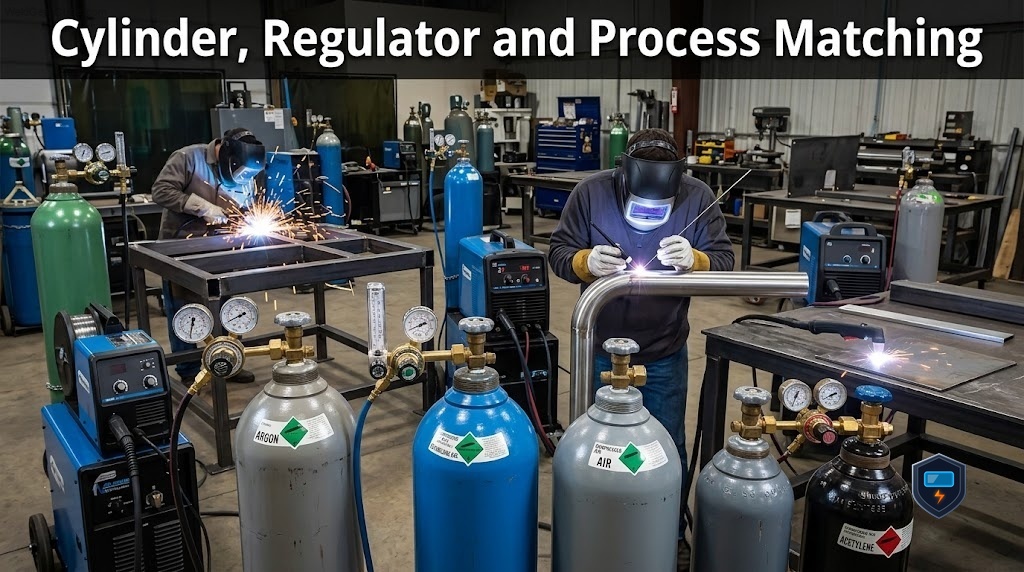
AWG Gases and Welding Supplies: Cylinder, Regulator and Process Matching
Every welding region has its gas houses, the suppliers that keep local shops in cylinders, wire, and consumables. Companies with names like AWG Gases and Welding Supplies fill that role: a regional source for shielding and fuel gases plus the equipment that goes with them. Knowing how to work with a supplier like this, and how to match what you buy to your work, is part of becoming a self sufficient welder.
This guide covers the practical relationship with a gas and welding supplier and, more usefully, how to line up the cylinder, the regulator, and the welding process so they all fit together. The principles hold whether you use a regional supplier or a national chain.
Getting the most from a local supplier
A good regional supplier does more than exchange bottles. They can advise on the right gas for your metal, carry the fittings and adapters your setup needs, and keep the consumables that match your machine. Two questions are worth asking on your first visit.
First, do they run cylinder exchange, cylinder lease, or owned cylinder programs, and which fits your usage. Exchange is simplest for occasional welders since the supplier handles certification, while owning suits steady users who want their own bottle back.
Second, what inlet fitting the cylinders use for the gas you want. Argon and mixed gas cylinders commonly use the CGA-580 inlet, and CO2 often uses a different fitting, so confirming this before you buy a regulator saves a wasted trip.
Choosing the cylinder
Match two things: the gas to your metal and the size to your usage.
For gas, a 75/25 argon and CO2 mix suits everyday steel MIG, pure CO2 gives deeper penetration on thicker steel with more spatter, and pure argon is for aluminum and TIG. For size, a small cylinder is portable but refills often, while a larger cylinder costs more up front, takes more space, and is cheaper per unit with fewer refills. Steady welders usually come out ahead with a larger bottle.
Matching the regulator
The regulator is the link between the cylinder and the torch, and it has to match both the gas and the inlet fitting. A flowmeter regulator such as the ARCCAPTAIN argon and CO2 regulator fits the CGA-580 inlet on argon and mixed gas cylinders and shows both tank pressure and flow. For running two lines from one bottle, the YESWELDER dual output argon regulator splits the flow. The honest caveat is that a CO2 cylinder often needs a different adapter, and budget flow balls can read slightly off, so verify the fitting and trust a test bead.
Matching the process
The last piece is lining the process up with the gas and the metal.
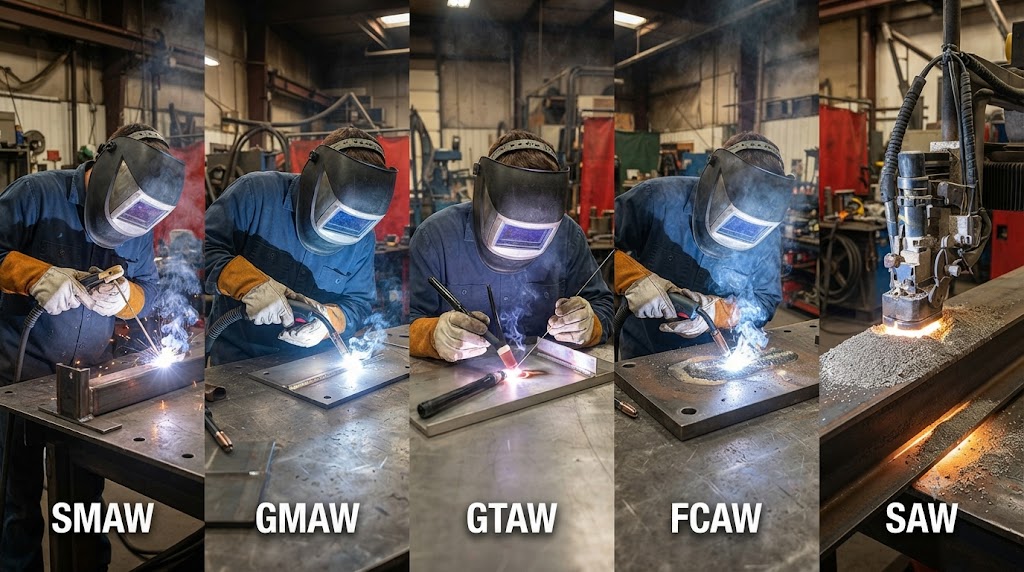
- Steel MIG: solid wire with a 75/25 mix, or self shielded flux core wire with no gas at all if portability matters more than a clean finish.
- Aluminum: MIG or TIG with pure argon, and for aluminum TIG an AC capable machine.
- Stainless and precision steel TIG: argon shielding with a DC TIG machine.
When the gas, the regulator inlet, and the process all agree, setup is quick and the welds come out clean. Mismatches, like a steel mix on aluminum or the wrong adapter on a CO2 bottle, are where beginners lose an afternoon.
Cylinder safety
Whatever you buy, handle it safely. Secure cylinders upright with a chain or strap, keep the cap on when the regulator is off, never move a bottle with the regulator attached, open the valve slowly, and store cylinders away from heat and enclosed living spaces. A tipped cylinder can shear its valve, so restraint is not optional.
Final read
A gas and welding supplier is a resource, not just a refill stop. Ask about their cylinder programs and fittings, size the bottle to your usage, and match the regulator inlet and the process to the gas and metal you are working. Get those alignments right, handle the cylinders safely, and the supply side of welding becomes a smooth routine.
Frequently asked questions
What should I ask a gas supplier first? Which cylinder programs they offer (exchange, lease, or owned) and what inlet fitting their cylinders use for your gas. Both decisions affect what regulator and setup you need.
How do I match a regulator to my cylinder? Match it to the gas and the inlet fitting. Argon and mixed gas cylinders commonly use CGA-580, while CO2 often needs a different adapter. Confirm before buying.
Which gas goes with which process? 75/25 argon and CO2 for steel MIG, pure CO2 for deeper penetration on thick steel, and pure argon for aluminum and TIG. Match the gas to the metal.
Should I own or exchange cylinders? Exchange is simplest for occasional use since the supplier handles certification. Owning suits steady users. Pick based on how much you weld.
Can one regulator handle argon and CO2? Many flowmeter regulators handle both, but CO2 often needs a separate adapter. Check the fitting for each gas before relying on one regulator.
How should I transport a cylinder? Upright and secured, with the cap on and the regulator removed. Never move a cylinder with the regulator attached, and keep it from rolling or tipping.
References
- OSHA 1910.253, Oxygen fuel gas welding and cutting: https://www.osha.gov/laws-regs/regulations/standardnumber/1910/1910.253
- OSHA, Welding, Cutting, and Brazing: https://www.osha.gov/welding-cutting-brazing