GTAW Welding Machine: Machine Classes Compared
GTAW Welding Machine: Machine Classes Compared
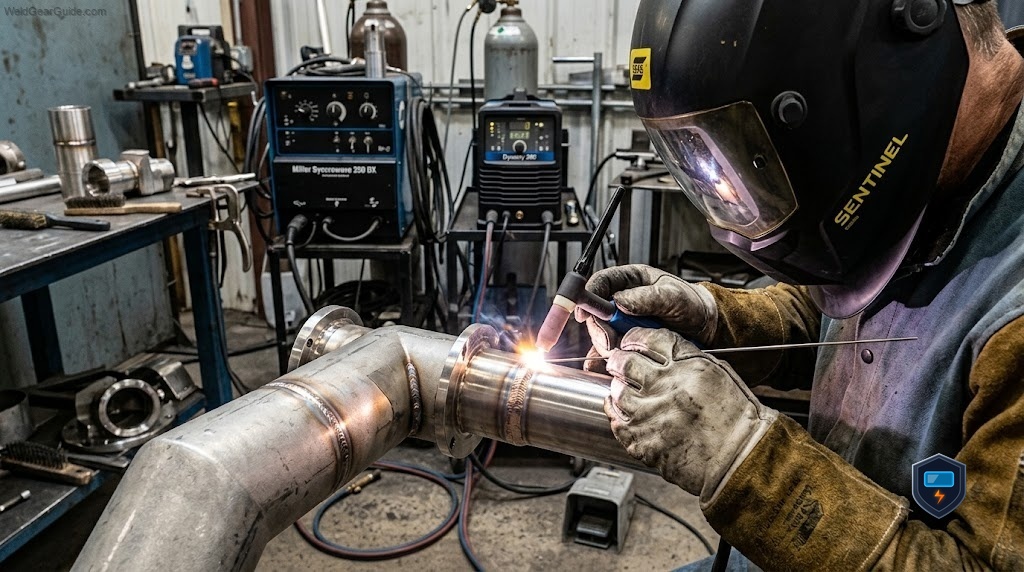
GTAW is the formal name for TIG welding (gas tungsten arc welding), and the machines that do it come in distinct classes. Those classes, not the brand on the front, decide what metals you can weld, how thick, and for how long before the machine needs a rest. Understanding the classes is what lets you match a machine to your work instead of guessing from a spec sheet. Here is how GTAW machines sort out, class by class.
Class 1: inverter vs transformer
The most fundamental split is the technology inside.
Inverter machines use modern electronics to convert power efficiently. They are lighter, smaller, more energy-efficient, and offer finer, more programmable control (AC balance, frequency, pulse). Nearly all current GTAW machines worth buying are inverters.
Transformer machines are the older, heavier technology. They are simpler and rugged but bulky, less efficient, and offer coarser control. You mostly see them as legacy shop machines.
For almost everyone buying today, an inverter is the right class, lighter, more capable and more controllable.
Class 2: DC-only vs AC/DC
This class decides which metals you can weld.
DC-only GTAW machines weld steel, stainless and other metals, but not aluminum, because aluminum needs AC to clean its oxide layer. They cost less and suit shops that never touch aluminum.
AC/DC machines add the AC output for aluminum and magnesium. If aluminum is anywhere in your plans, this is the class to buy, since a DC-only machine can never weld it.
Class 3: entry, shop and industrial
GTAW machines also sort by capability and duty.
Entry class: lower amperage, fewer controls, often DC-only or basic AC/DC. Best for learning, light steel and stainless, and tight budgets.
Shop class: portable to mid-size AC/DC machines around 200 amps with full controls (HF start, foot pedal, AC balance, frequency, pulse). The sweet spot for home and light-professional work across steel, stainless and aluminum.
Industrial class: high amperage, high duty cycle, advanced programmable controls, water-cooled torches, for heavy fabrication and continuous production.
Class 4: duty cycle
Duty cycle is how long a machine can weld in a 10-minute span before it must cool, at a given amperage. A 60 percent duty cycle at 200 amps means 6 minutes welding, 4 minutes resting. It matters more than peak amperage for real work:
- Light/hobby use: short welds, low duty cycle is fine.
- Steady shop use: a higher duty cycle avoids constant waiting.
- Production: high duty cycle is essential.
A machine’s amperage tells you how thick you can weld; its duty cycle tells you how much you can weld before stopping. Read both.
Matching class to your work
| Your work | Machine class |
|---|---|
| Learning, light steel and stainless, tight budget | Entry, DC-only or basic AC/DC inverter |
| Home and light pro, steel + stainless + aluminum | Shop-class AC/DC inverter, ~200 A |
| Heavy fabrication, continuous production | Industrial AC/DC inverter, high duty cycle |
| Never welding aluminum | DC-only (saves money) |
| Any aluminum, now or later | AC/DC |
Do not forget the setup
Whatever class you choose, budget for the full GTAW setup: a stock of 2% lanthanated tungsten, filler rod matched to your metals like ER70S-2 for steel and ER5356 for aluminum, argon gas and a regulator, a quality air-cooled TIG torch, thin TIG gloves and an auto-darkening helmet.
The verdict
A GTAW welding machine is best chosen by class, because the class decides what you can weld, how thick, and for how long, far more than the brand does. Sort the options by technology, current type, capability tier and duty cycle, and the right machine becomes obvious.
Three things to decide. Buy an inverter and choose AC/DC if aluminum is anywhere in your plans, since inverters are lighter and more controllable and only AC/DC machines weld aluminum. Match the capability tier to your work, entry for learning and light work, shop-class around 200 amps for most home and light-professional use, industrial for heavy production. And read duty cycle alongside amperage, because amperage sets how thick you can weld and duty cycle sets how much you can weld before the machine needs to cool.
Choose by class rather than badge, budget for the full setup, and your GTAW machine will fit the work you actually do.
Frequently asked questions
What is a GTAW welding machine? GTAW stands for gas tungsten arc welding, the formal name for TIG welding. A GTAW machine uses a non-consumable tungsten electrode to make an arc, shielding gas to protect the weld, and hand-fed filler, giving precise, clean welds.
What is the difference between inverter and transformer GTAW machines? Inverter machines use modern electronics: lighter, more efficient and finely controllable. Transformer machines are older, heavier and simpler with coarser control. Nearly all current GTAW machines worth buying are inverters.
Do I need an AC/DC GTAW machine? Only if you weld aluminum or magnesium, which need AC to clean the oxide layer. A DC-only machine welds steel and stainless and costs less. Choose AC/DC if aluminum is anywhere in your plans.
What amperage class do I need? A shop-class machine around 200 amps suits most home and light-professional work across steel, stainless and aluminum. Choose an entry machine for learning and light work, or industrial for heavy fabrication and production.
What is duty cycle on a GTAW machine? How long the machine can weld in a 10-minute span before cooling, at a given amperage. A 60 percent duty cycle at 200 amps means 6 minutes welding, 4 resting. It determines how much you can weld before stopping.
Why does duty cycle matter more than peak amperage? Amperage sets how thick you can weld, but duty cycle sets how much you can weld before the machine must cool. For steady shop or production work, a higher duty cycle avoids constant waiting between welds.
Is an inverter GTAW machine better than a transformer one? For almost everyone buying today, yes. Inverters are lighter, more energy-efficient, and offer finer programmable control like AC balance, frequency and pulse. Transformer machines are mostly legacy shop units now.
What class of GTAW machine is best for a beginner? An entry or shop-class inverter. Entry machines are affordable for learning on steel and stainless; a shop-class AC/DC machine around 200 amps costs more but grows with you and adds aluminum capability.
References
- Lincoln Electric, Square Wave TIG 200 TIG welder specifications
- Miller Electric, How a TIG Welder Works and When to TIG Weld
- Wikipedia, Gas tungsten arc welding