Flap Disc Buying Guide for Weld Cleanup
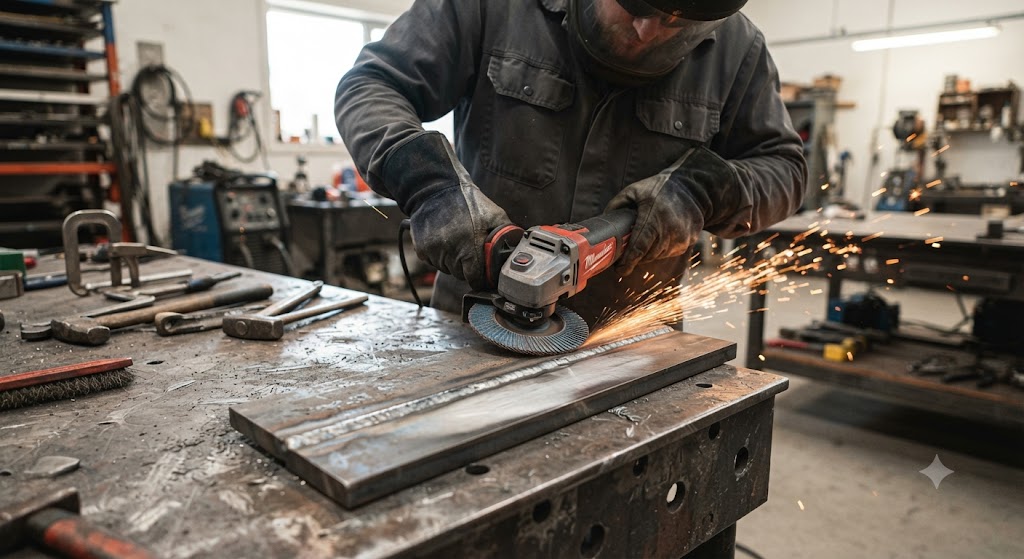
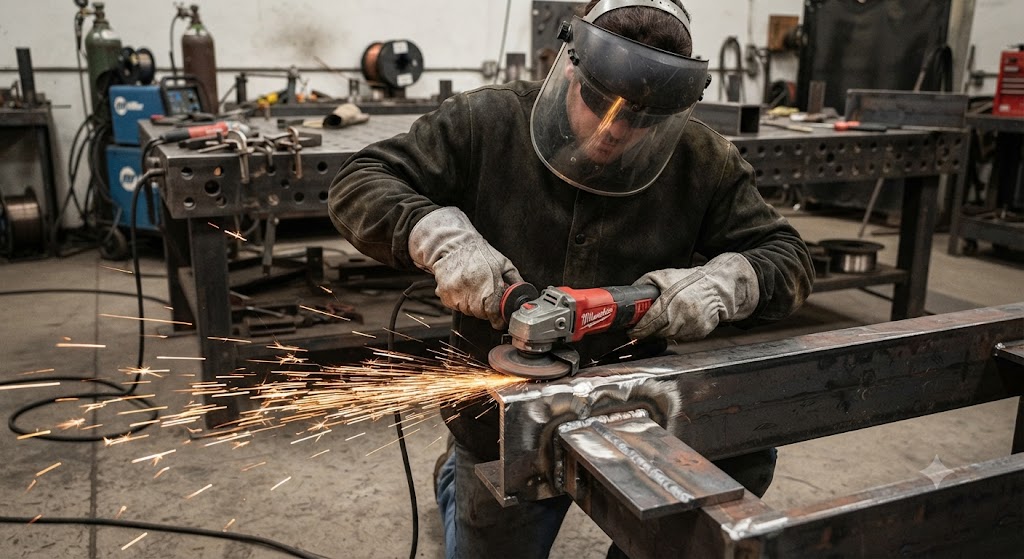
The flap disc is the tool that turns an ugly weld into a clean one. Lay down a bead, swap the cutting wheel for a flap disc, and in a few passes that lumpy seam blends into the surrounding metal. But stand in front of a wall of them and the choices pile up fast: zirconia or ceramic, 40 or 80 grit, Type 27 or Type 29. Grab the wrong one and you either burn through your work or grind all day on a job that should take minutes.
A flap disc is an abrasive disc of overlapping cloth flaps that grinds and finishes metal in one step, and for weld cleanup the key choices are the grain (zirconia or ceramic), the grit (40 to 80 for most welds), and the shape (Type 27 flat or Type 29 angled). Here is how to pick the right one.
What makes flap discs special
Unlike a solid grinding wheel, a flap disc is built from overlapping flaps of abrasive cloth arranged around a backing plate. As you grind, the flaps wear away to expose fresh abrasive, so the disc keeps cutting throughout its life. The big advantage is that a flap disc grinds and finishes in one step: it removes the weld and leaves a blended surface, where a grinding wheel would leave gouges needing a second finishing pass. That is why flap discs took over weld cleanup in fabrication shops.
They also run cooler and smoother than a hard wheel, with less grabbing, which makes them easier to control on visible work.
Direct answer: what to buy for weld cleanup
For most weld cleanup, buy a 40 to 60 grit zirconia or ceramic Type 29 flap disc. Break it down:
- Grain: zirconia for great all-around performance on steel; ceramic for hard metals, stainless, and longest life.
- Grit: 40 grit for heavy weld removal, 60 grit for general all-around cleanup, 80 grit and up for blending and finishing.
- Shape: Type 29 (angled) for aggressive grinding on flat and contoured surfaces; Type 27 (flat) for blending and finishing on flat work.
- Size: 4.5 inch fits most common angle grinders.
If you want one disc to start with, a 60 grit zirconia Type 29 in 4.5 inch handles the widest range of weld cleanup.
Zirconia vs ceramic grain
The grain is the heart of the disc, and the two main choices behave differently:
- Zirconia (zirconia alumina) is the workhorse: durable, aggressive under pressure, and a strong all-around performer on carbon steel and stainless. It outlasts and outcuts basic aluminum oxide, and it is the sensible choice for most general weld cleanup.
- Ceramic is a premium, self-sharpening grain that cuts cooler and lasts longer, especially on hard metals, stainless steel, and heat-sensitive alloys. It is a premium grain but can remove more metal over its life, so it can work out well for heavy daily grinding.
A simple rule: zirconia for general steel work and best all-around use, ceramic when you grind hard metals, work stainless, or grind all day.
Grit: matching aggression to the job
Grit is how coarse the abrasive is, and lower numbers are coarser and more aggressive:
- 36 to 40 grit: heavy stock removal, knocking down tall weld beads fast.
- 60 grit: the all-around sweet spot, balancing removal and a reasonable finish so you do not switch discs constantly.
- 80 grit and finer: blending, feathering, and surface finishing before paint or coating.
Many welders keep 40 grit for knocking welds down and 60 or 80 for blending. If you only stock one, 60 grit is the most versatile.
Type 27 vs Type 29
The disc shape changes how it contacts the metal:
- Type 27 (flat) sits nearly flat to the work, best for light grinding, blending, and finishing on flat surfaces, used at a low angle.
- Type 29 (angled/conical) has the flaps set at an angle, giving more aggressive stock removal and better contact on edges, contours, and larger surfaces, used at a steeper 15 to 25 degree angle.
For aggressive weld removal, Type 29 is usually the pick. For light blending on flat panels, Type 27 gives more control.
Which flap discs to buy
Here are options from all-around picks to premium performance.
- MIDO 4.5 inch flap discs, 40/60/80/120 grit assortment (20 pack) give you a full range of grits to cover heavy removal through finishing, ideal for learning which grit suits each job. Their limitation is that the assortment uses a general-purpose grain, so a dedicated grinder will want a premium disc for heavy daily use.
- Benchmark Abrasives 4.5 inch ceramic Type 29 flap discs use a self-sharpening ceramic grain that cuts cooler and lasts longer on stainless and hard metals. The trade-off is that ceramic is a premium grain, so it is more than you need for occasional light steel work.
- 3M Cubitron II flap disc, 40 grit, 4.5 inch,Type 29 uses precision-shaped grain that grinds fast and stays sharp for the life of the disc, a top performer for heavy weld removal. Its limitation is that it is a premium industrial disc, more disc than a casual DIY user needs.
How to choose: for general steel weld cleanup, a zirconia disc in 40 to 60 grit is the all-around pick. For stainless, hard metals, or daily grinding, step up to ceramic or precision-shaped grain. Use Type 29 for aggressive removal, Type 27 for flat-surface blending.
Who should skip premium ceramic discs: occasional hobbyists doing light steel cleanup, who will get plenty of life from zirconia at a fraction of the fuss.
The bottom line
A flap disc grinds and finishes weld cleanup in one step, and the right choice comes down to grain, grit, and shape. Zirconia is the all-around workhorse for steel; ceramic and precision-shaped grain cut cooler and last longer on stainless and hard metals. Use 40 grit for heavy removal, 60 for general work, 80 and up for blending, and pick Type 29 for aggression or Type 27 for flat finishing. Start with a 60 grit zirconia Type 29 and add from there.
FAQ
What grit flap disc is best for weld cleanup? For most weld cleanup, 40 to 60 grit works best: 40 grit for knocking down tall beads fast, and 60 grit as the all-around choice that balances removal with a decent finish. Use 80 grit and finer for blending before paint.
What is the difference between Type 27 and Type 29 flap discs? Type 27 is flat and sits nearly flush to the work, best for light grinding and blending on flat surfaces. Type 29 is angled (conical) for more aggressive stock removal and better contact on edges and contours, used at a steeper angle.
Is zirconia or ceramic better for flap discs? Zirconia is the durable all-around choice for general steel work and offers dependable everyday performance. Ceramic is a premium, self-sharpening grain that cuts cooler and lasts longer on stainless, hard metals, and heavy daily grinding.
What size flap disc do I need? A 4.5 inch disc fits most common angle grinders and is the standard for weld cleanup. Match the disc’s arbor (usually 7/8 inch) and maximum RPM to your grinder.
How long should a flap disc last? It depends on grain, pressure, and material, but ceramic and precision-shaped grain discs last considerably longer than basic ones on hard metals. Let the disc do the work rather than forcing it, which extends life and keeps the cut cool.
Can I use a flap disc on stainless steel? Yes. For stainless, a ceramic flap disc is often the better choice because it cuts cooler and resists loading. Avoid contaminating stainless with a disc previously used on carbon steel if the finish matters.
References
- 3M Cubitron II flap disc technical documentation and Precision-Shaped Grain performance data (manufacturer), 3m.com.
- Empire Abrasives and Rex-Cut abrasives guidance on zirconia vs ceramic flap discs and Type 27 vs Type 29 (industry suppliers), empireabrasives.com, rexcut.com.
- Norton Abrasives flap disc grit and application selection guidance (manufacturer), nortonabrasives.com.