Is the Miller LPR-100 a Rebranded GVS Elipse? What the Evidence Shows
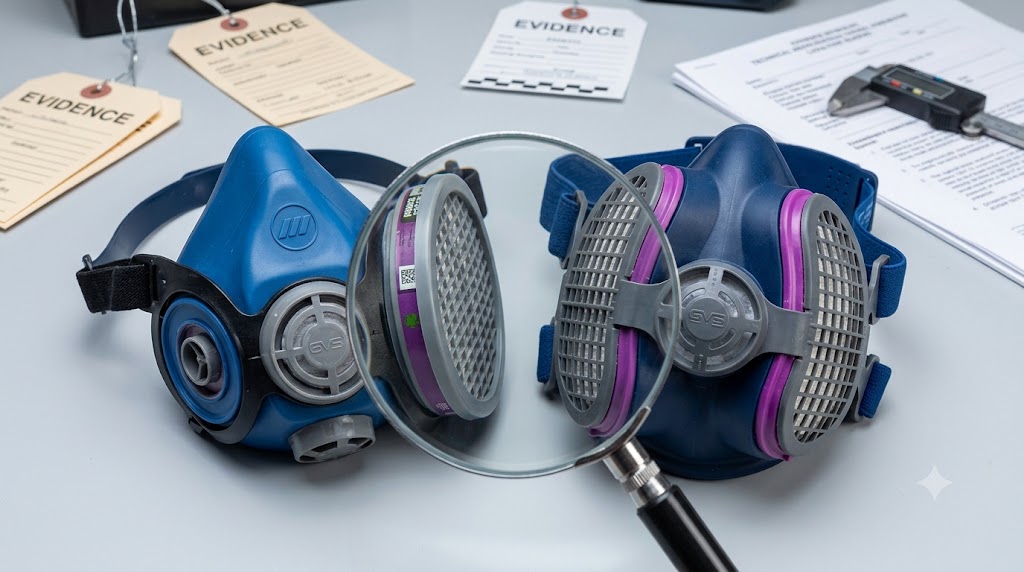
The first time you set a Miller LPR-100 next to a GVS Elipse, you do a double take. The low-profile shape, the twin filter pods, the way it sits under a welding hood, it is not just similar, it is the same silhouette. Welders noticed immediately, and the question spread fast: did Miller just put its name on a GVS respirator?
The short answer, based on the strongest available evidence, is that the Miller LPR-100 and the GVS Elipse are the same underlying respirator platform, and their P100 filters are widely sold as cross-compatible. Miller markets and supports the LPR-100 as its own welding-focused product, but the hardware lineage traces to the GVS Elipse design. If you have suspected they are twins, the evidence backs you up.
Why welders think they are the same mask
This did not start as marketing copy. It started with welders on r/Welding pointing out that the LPR-100 looks exactly like the GVS Elipse masks, and asking the obvious follow-up: are the filters compatible? That is the tell that matters, because a shared filter interface is much harder to fake than a similar shape.
And the filter evidence is strong. Replacement P100 filter listings openly describe themselves as compatible with both the GVS Elipse family (models like the SPR457 M/L and SPR451 S/M) and the Miller LPR-100. GVS’s own P100 dust replacement filter (the SPR321) lists the Elipse SPR457 and its siblings as compatible models, and resale listings pair the Miller LPR-100 M/L directly with the GVS Elipse SPR457 as equivalents. When independent filter makers and marketplaces treat the two as interchangeable, that is meaningful.
What Miller actually sells
None of this means the LPR-100 is a no-effort rebadge. Miller sells it as a welding respirator with its own filter part numbers and accessories, and the current LPR-100 Gen. II is genuinely tuned for the welding world. Miller’s P100 filters provide 99.97% filtration, capturing metal fumes and mists from stainless, galvanized steel, aluminum and more, and there is a nuisance-level organic vapor relief version with an added carbon layer for odor. Reviewers highlight the Gen. II’s reduced breathing resistance, a real comfort upgrade when you are wearing it for hours under a hood.
So the honest framing is: shared platform, different go-to-market. GVS designed a low-profile half-mask that works beautifully under a welding helmet, and Miller offers that platform to welders with its own filters, fit accessories, quantitative fit-test adapters, and support network. The genuine drawback of buying the Miller-branded version is that you can often get the same physical protection from the GVS Elipse line, sometimes for less, if you are willing to source welding-appropriate P100 filters yourself and skip the Miller support ecosystem.
Does that mean you should just buy the GVS?
Not automatically. It depends on who you are.
- Buy the Miller LPR-100 Gen. II if you want a welding-specific package: Miller’s welding-rated P100 filters, the optional organic-vapor odor relief filters, hard case, and fit-test adapters, all supported through welding distributors you already use. For a working welder who values one-stop support and fit testing, that convenience is worth something.
- Buy the GVS Elipse if you already own the platform, want the widest filter selection for mixed dust and industrial work, and are comfortable choosing the right P100 filters yourself. It is the same low-profile fit that made the design popular.
Who should skip the debate entirely: if respiratory protection is critical to your health (and with welding fume, it is), the more important decision is getting any properly fitted P100 half-mask and actually fit-testing it, not agonizing over the badge. Both are P100-rated. Fit and consistent use protect you, not the logo.
Filter compatibility, stated plainly
Because this is the question everyone actually has: the GVS Elipse P100 filters and the Miller LPR-100 filters are widely sold as cross-compatible, and third-party P100 replacements are marketed to fit both. That said, for welding specifically, use a P100 rated for metal fumes, and if odors bother you, the carbon-layer nuisance-OV version. Do not assume every generic dust filter is ideal for fume even if it physically fits.
Bottom line
The Miller LPR-100 is, in practical terms, the GVS Elipse platform offered as a welding respirator, with Miller’s own filters and support wrapped around it. The filters cross over, the shape is identical, and welders spotted it before anyone confirmed it. Choose the Miller version for the welding-ready package and support, or the GVS for flexibility and value, but whichever you pick, fit it properly and wear it every time you weld galvanized, stainless, or coated steel.
FAQ
Is the Miller LPR-100 the same product as the GVS Elipse? They are the same underlying respirator platform. Miller sells the LPR-100 as its own welding-focused product with its own filters and support, but the hardware lineage and fit match the GVS Elipse, and the filters are widely cross-compatible.
Do they use interchangeable filters? Largely yes. GVS Elipse P100 filters and Miller LPR-100 filters are sold as cross-compatible, and third-party P100 replacements are marketed to fit both. For welding, use a P100 rated for metal fumes.
Which is cheaper to buy? It varies by seller, but the GVS Elipse and third-party filters can be less expensive than the Miller-branded equivalents. The Miller package adds welding-specific filters, accessories, and distributor support.
Does Klein Tools also sell a rebranded version? The GVS Elipse platform has appeared under more than one brand’s name in the market. Regardless of the badge, check the model and filter compatibility rather than assuming.
Which should a welder buy? Buy the Miller LPR-100 Gen. II for a welding-ready, fully supported package, or the GVS Elipse for flexibility and value. Either way, fit-test it and use welding-appropriate P100 filters.
Is a P100 respirator enough for welding galvanized steel? A properly fitted P100 filters the particulate fume, but ventilation and fume extraction still matter. For heavy galvanized work, combine a fitted P100 respirator with good local exhaust.
References
- GVS, SPR321 P100 Dust Replacement Filters compatibility listing for Elipse models (manufacturer documentation), gvs.com.
- MillerWelds, LPR-100 Gen. II Half Mask Respirator product page, filters and accessories (manufacturer documentation), millerwelds.com.