Welding Safety Glasses Full Guide
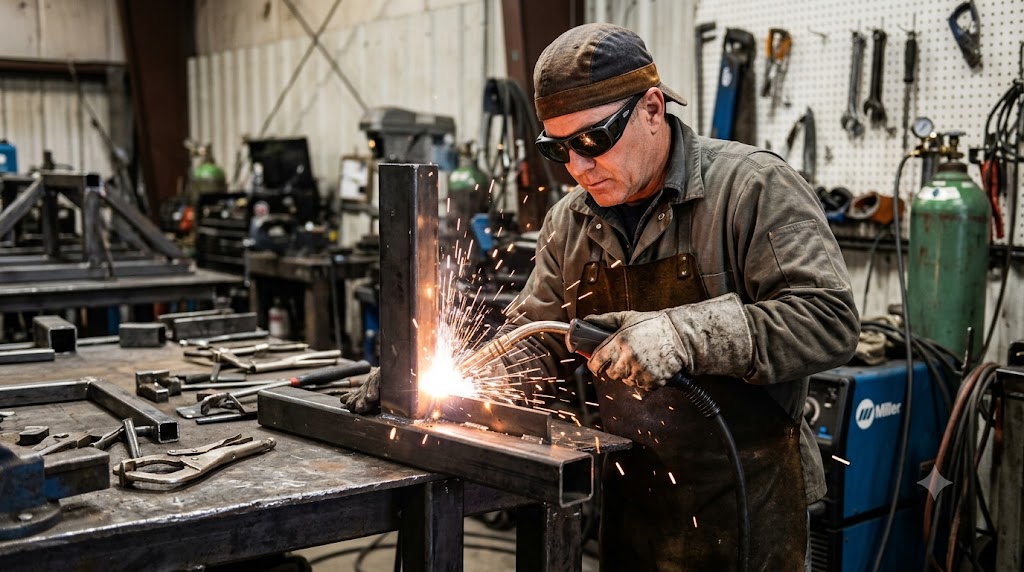
Welding safety glasses serve critical functions before, during, and after welding operations that a full helmet does not cover. They are not a replacement for a welding helmet during arc welding - but understanding when to use them, what shade to choose, and which brands perform best will make your shop safer.
What Are Welding Safety Glasses?
Shade-tinted safety eyewear designed to protect the eyes from:
- UV and infrared (IR) radiation from arcs, grinding sparks, and cutting operations
- Flying debris - slag chips, spatter, grinding fragments
- Visible light glare during gas welding and cutting
Distinct from standard clear safety glasses in that they incorporate a shade-tinted lens (typically shade 3, 5, or 10) filtering specific wavelengths produced by welding and related processes.
Are Safety Glasses Enough Protection for Welding?
For arc welding (MIG, TIG, stick): No. The UV/IR intensity of an electric arc far exceeds what shade-tinted safety glasses can safely filter. Arc welding requires a full welding helmet (minimum shade 10 for most MIG/stick work).
For gas welding and cutting: Shade 5 glasses may be sufficient for lighter operations, but shade 5+ goggles are recommended for extended use.
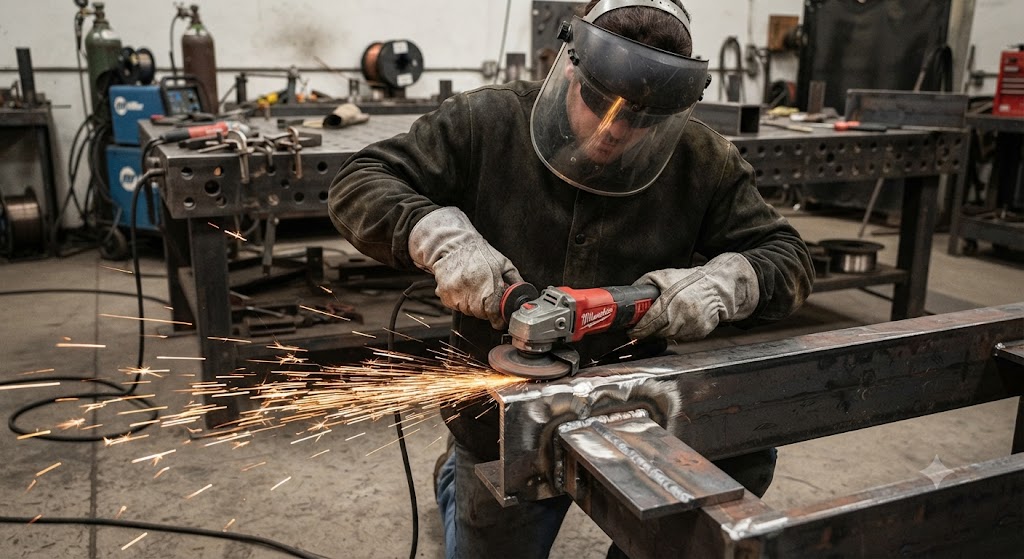
For grinding and cutting: Safety glasses are the appropriate eye protection. Many welders use shade 3–5 glasses during grinding to reduce glare from sparks.
Summary: Safety glasses protect during grinding, gas welding/cutting, slag chipping, and general shop work. They do not replace a helmet for arc welding.
What Shade Tint Should Welding Safety Glasses Have?
| Operation | Recommended Shade |
|---|---|
| Chipping slag / post-weld cleanup | Clear (shade 2–3) |
| Light grinding | Clear or shade 3 |
| Heavy grinding (extended) | Shade 3–5 |
| Gas welding (light, <30 BTU) | Shade 4–5 |
| Gas welding (medium, 30–300 BTU) | Shade 5–6 |
| Oxy-acetylene cutting | Shade 3–5 |
| Plasma arc cutting (light) | Shade 8–9 |
| MIG/TIG/stick welding (any) | Full helmet - min. shade 10 |
Shade 5 is the most commonly recommended welding safety glass shade for oxy-acetylene work and heavy grinding.
ANSI Z87.1 Certification
ANSI Z87.1 is the baseline standard for occupational eye and face protection in the U.S. All credible welding safety glasses should carry ANSI Z87.1 certification, ensuring:
- Impact resistance (high-velocity and mass impact testing)
- UV protection
- Optical quality minimums
- Accurate shade rating
Welding Safety Glasses vs. Face Shield
| Feature | Safety Glasses | Face Shield |
|---|---|---|
| Eye coverage | Yes (direct protection) | Only with glasses underneath |
| Face coverage | No | Full face |
| Portability | High (wear continuously) | Low |
| For grinding | Yes (shade 3–5) | Yes (with underlying glasses) |
| For arc welding | No (helmet required) | No (helmet required) |
Best practice: Face shield OVER safety glasses. Safety glasses provide primary ANSI-compliant eye protection; face shield provides supplementary face coverage. Relying on a face shield alone (without underlying safety glasses) is not compliant with most OSHA requirements.
Best Welding Safety Glasses
Pyramex Venture II (Shade 5.0)
- IR 5.0 filter lens for medium to heavy cutting/gas welding
- Black frame, scratch-resistant hard coat
- ANSI Z87.1 compliant
Pyramex SB7960SF (Shade 3.0)
- IR 3.0 filter for lighter cutting and grinding
- ANSI Z87.1 (Amazon’s Choice listing)
Pyramex is available at industrial safety distributors, Amazon, and welding supply houses. Cost-effective enough to keep multiple pairs in the shop.
uvex i-5 Welding Safety Glasses
- UV400 protection
- Extremely scratch-resistant exterior (uvex supravision technology)
- Anti-fog interior coating
- Minimized damage from welding sparks
- Available at uvex-safety.com and industrial distributors
Recommended for welders who keep glasses on throughout the workday - the anti-fog and scratch-resistant coatings hold up to extended professional use better than budget alternatives.
Jackson Safety Shade-Tinted Glasses
- Documented ANSI Z87.1 certification
- Shade 2.5, 3.0, 5.0 options
- Available at Grainger, MSC, and safety distributors
When Should You Wear Safety Glasses Instead of a Full Helmet?
Wear safety glasses for:
- Chipping slag after welding
- Grinding and cutting between weld passes
- Wire brushing the weld
- Setting up and fit-checking before striking an arc
- Gas cutting and light gas welding
- General shop work near grinding or cutting
Always use a full welding helmet for:
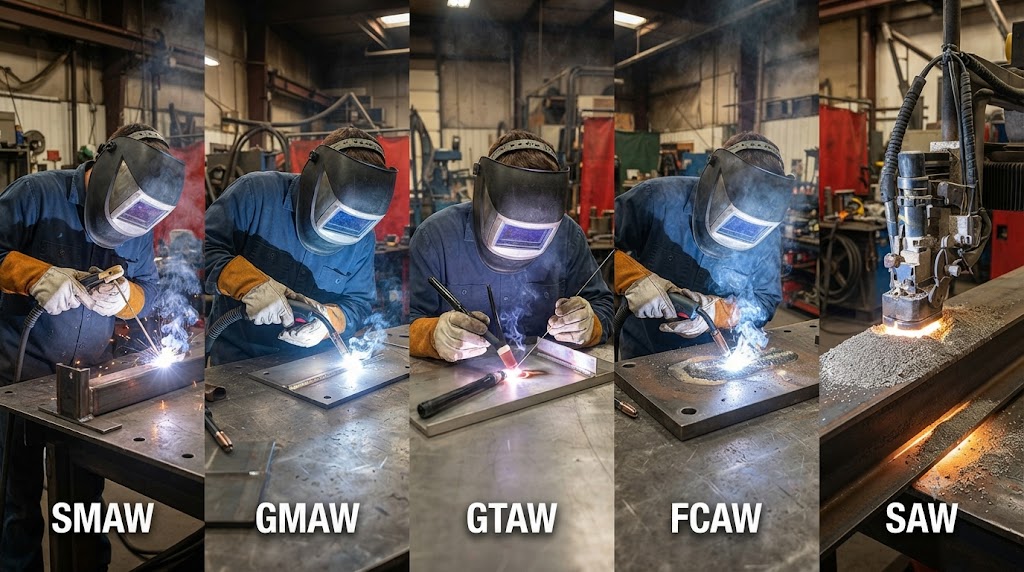
- Any arc welding process (MIG, TIG, stick, flux-core, plasma arc)
- Plasma cutting
Best practice: Wear ANSI Z87.1 safety glasses continuously in the shop and use your welding helmet over them for arc operations. Safety glasses protect during the moments between passes when helmets are lifted.
FAQs
Are safety glasses enough protection for welding? For arc welding, no. For gas welding, cutting, and grinding, shade-tinted safety glasses may provide sufficient protection depending on the process.
What shade tint should welding safety glasses have? Shade 5.0 is the most practical all-around shade for gas welding, heavy cutting, and bright grinding. Shade 3.0 is appropriate for lighter grinding and general use near welding operations.
When should you wear safety glasses instead of a full helmet? During all non-arc operations: slag chipping, grinding, wire brushing, gas cutting, and general shop work. Also wear safety glasses under your welding helmet for protection during helmet-raised moments.