Flame Resistant Welding Shirts: How to Choose the Right Protection
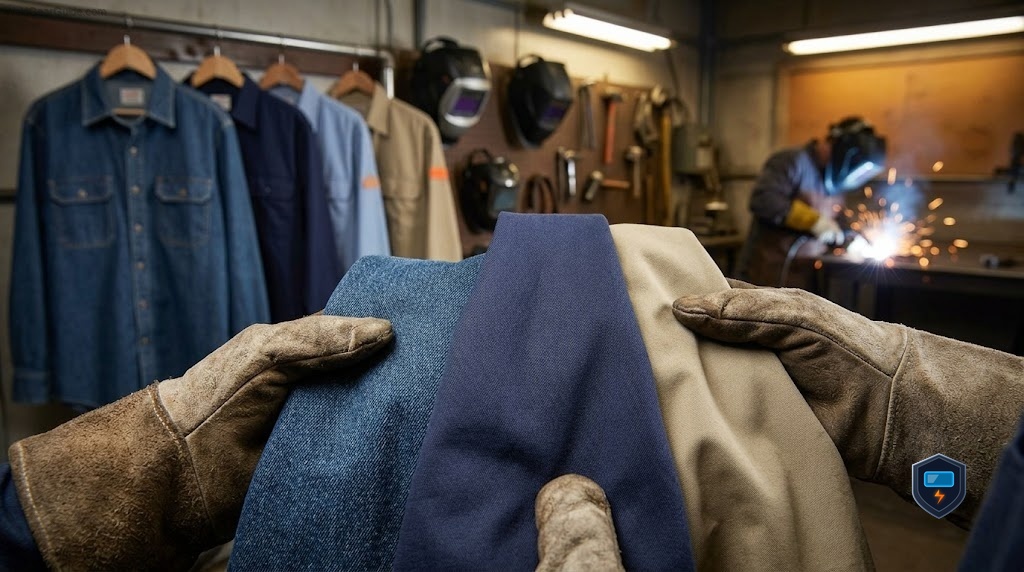
A leather jacket protects against the worst, but nobody wants to wear one all day in a warm shop. That is where the flame resistant welding shirt comes in: everyday upper-body protection that breathes, moves and looks like a regular work shirt, while resisting the sparks and flame that would set an ordinary cotton shirt alight. For light to medium welding, and as a base layer under heavier gear, an FR shirt is often the piece you actually keep on. Here is how to choose one that protects and stays comfortable.
Why an FR shirt, not just any shirt
An ordinary cotton or, worse, synthetic shirt is a hazard near welding: cotton can catch and keep burning, and synthetics can melt onto skin. A flame resistant shirt is different:
- Resists ignition and self-extinguishes: it will not sustain a flame once the spark source is gone.
- All-day wearability: light enough to work in, unlike a leather jacket.
- Base layer or standalone: wear it alone for light welding or under a jacket for heavier work.
- Everyday protection: the piece you can keep on through mixed tasks around the shop.
FR cotton versus treated fabric
- FR-treated cotton: regular cotton treated to be flame-resistant. Comfortable and breathable; the treatment must be preserved through correct washing.
- Inherently FR fabrics: fibers that are flame-resistant by nature and keep their protection through the garment’s life regardless of washing.
- FR blends: cotton blended with other fibers for durability and comfort while meeting FR standards.
Both protect well; the practical difference is care. Inherently FR fabric keeps its rating no matter how it is washed, while treated cotton needs careful laundering to stay effective.
Weight and rating
- Fabric weight (measured in ounces) affects protection and comfort. Lighter shirts (around 6 to 7 oz) are cooler for warm shops and light work; heavier shirts (around 8 oz and up) offer more protection for hotter work.
- NFPA 2112 is the standard for flame-resistant garments in industrial settings; many FR welding shirts are certified to it. If your worksite requires a rated garment, check for NFPA 2112 compliance and any specified arc rating.
Match weight and rating to your work: cooler and lighter for general use, heavier and rated for demanding or required-FR environments.
Fit and features
- Room to move: a work-cut fit that lets you reach and bend without binding.
- Snap or FR-thread closures: metal snaps or buttons with FR-stitched seams, since ordinary thread can burn.
- Collar and cuffs: a stand-up or fold-down collar and adjustable cuffs help close gaps against sparks.
- Pockets: chest pockets (often with flaps) for shop essentials.
Care that preserves FR
This is the part people get wrong. To keep an FR shirt protective:
- Follow the label exactly.
- Avoid bleach and fabric softeners, which can degrade FR treatments and leave flammable residue.
- Skip starch, for the same reason.
- Wash separately from heavily soiled non-FR items where practical.
Inherently FR fabrics are more forgiving, but following the care label is the safe rule for any FR garment.
Proven picks
- Heavyweight FR cotton: the AMERIARC Premium Cotton FR Welding Shirt (8 oz), a substantial flame-resistant work shirt for solid everyday protection.
- Mid-weight NFPA 2112 shirt: the TICOMELA Mid-Weight FR Welding Shirt, a 7.5 oz NFPA 2112-compliant shirt balancing protection and comfort.
The verdict
A flame resistant welding shirt is the everyday upper-body protection you can actually wear all day, and choosing well is about fabric, weight and the care that keeps the FR working.
Three things to hold onto. Insist on genuine FR, whether inherently flame-resistant fabric or properly FR-treated cotton, and never a plain cotton or synthetic shirt near welding. Match the weight and rating to the work, lighter (around 6 to 7 oz) for cooler general use and heavier (8 oz and up) or NFPA 2112-rated for demanding or required-FR environments. And protect the rating through care, following the label and avoiding bleach, fabric softeners and starch that can degrade the flame resistance.
For light-to-medium welding or as a base layer under heavier gear, a proper FR shirt like the AMERIARC or TICOMELA is the piece you will actually keep on.
Frequently asked questions
What is a flame resistant welding shirt? It is an upper-body work shirt made from fabric that resists ignition and self-extinguishes rather than continuing to burn, unlike ordinary cotton (which can keep burning) or synthetics (which can melt). It gives everyday, breathable protection you can wear all day, alone or as a base layer under heavier gear.
Is FR cotton or inherently FR fabric better? Both protect well; the difference is care. FR-treated cotton is comfortable and breathable but must be laundered correctly to keep its treatment effective. Inherently FR fabric keeps its rating through the garment’s life regardless of washing. Choose treated cotton for comfort and value, inherent FR for low-maintenance durability.
What does NFPA 2112 mean on a welding shirt? NFPA 2112 is the standard for flame-resistant garments in industrial settings. A shirt certified to it has met defined flame-resistance requirements. If your worksite requires a rated garment, look for NFPA 2112 compliance and any specified arc rating, rather than assuming any FR-labeled shirt qualifies.
What weight FR welding shirt should I choose? Lighter shirts (around 6 to 7 oz) are cooler and more comfortable for warm shops and light welding. Heavier shirts (around 8 oz and up) offer more protection for hotter work. Match the weight to your conditions: cooler and lighter for general use, heavier for demanding welding.
How do I wash an FR welding shirt without ruining it? Follow the label exactly. Avoid bleach and fabric softeners, which can degrade FR treatments and leave flammable residue, and skip starch for the same reason. Wash separately from heavily soiled non-FR items where practical. Inherently FR fabrics are more forgiving, but following the care label is the safe rule.
Can I wear a regular cotton shirt for welding? It is not safe for anything beyond the lightest work. Ordinary cotton can catch and keep burning, and synthetic shirts can melt onto skin. A flame resistant shirt resists ignition and self-extinguishes, which is why it is the right everyday choice for welding rather than a standard work shirt.
Can an FR shirt replace a welding jacket? For light to medium welding, often yes, and it is far more comfortable to wear all day. For heavy welding with lots of spatter, out-of-position work or high radiant heat, a leather or heavier jacket protects better. Many welders wear an FR shirt as a base layer under a jacket for heavy jobs.
Does an FR shirt lose its protection over time? Inherently FR fabrics keep their protection for the garment’s life. FR-treated cotton can lose effectiveness if washed incorrectly with bleach, fabric softener or starch, or after very heavy wear. Following the care label preserves the rating; inspect and retire any FR garment that is worn through or damaged.
References
- National Fire Protection Association, NFPA 2112 flame-resistant garments standard
- Lincoln Electric, Welding safety apparel overview
- American Welding Society, Safety and health fact sheets