Composite Toe Welding Boots Compared
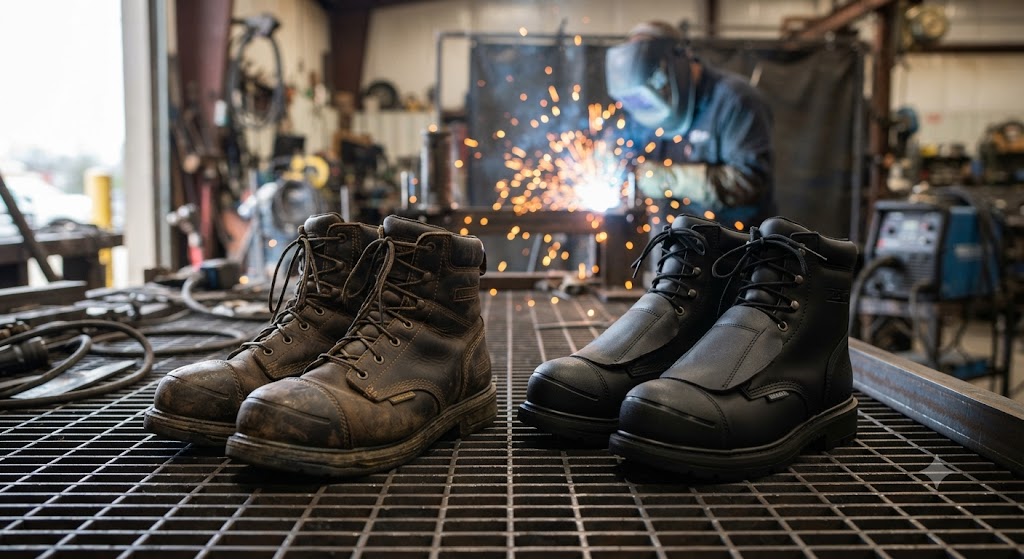
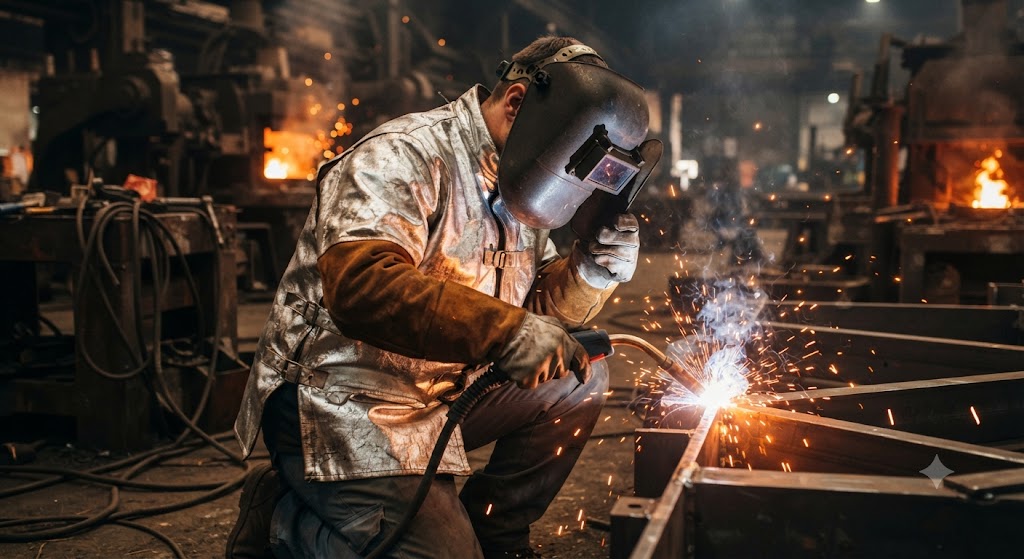
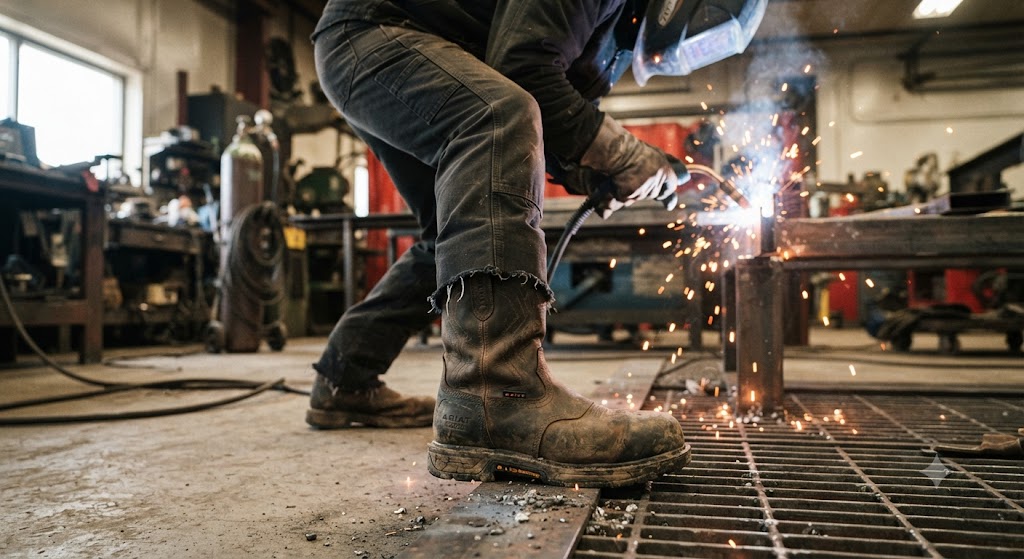
The first time I melted the toe cap of a cheap boot, I was tacking a handrail in a hot shop in July, and a bead of slag rolled straight into the seam near my laces. That smell stays with you. Since then I have been picky about what goes on my feet, and composite toe welding boots have become my default recommendation for welders who spend all day on concrete, near electrical work, or in the heat. If you want the short version: composite toes are lighter, they do not turn into a heat sink against your toes, and they keep you safer around live circuits. But they are not perfect, and the wrong pair will punish you. Let me walk you through what I have learned burning through more boots than I care to admit.
What Composite Toe Actually Means
A composite safety toe is a protective cap built from non-metallic materials, usually carbon fiber, Kevlar, fiberglass, or a molded plastic blend, instead of steel or aluminum. It still has to pass the same impact and compression standards a steel toe does, so the protection floor is identical on paper. The difference is in the material behavior.
Because there is no metal in the cap, a composite toe does not conduct temperature the way steel does. In a cold outdoor yard, steel toes get frigid and your toes feel it. In a hot shop, steel can warm up against your foot. Composite stays closer to neutral. Composite is also non-magnetic, which matters if you work around magnetic particle inspection, sensitive instruments, or strong magnets on fixtures. And because it holds no metal, a composite cap will not set off metal detectors, which is a small thing until you work in a secure facility every day.
The tradeoff is bulk. To hit the same rating without metal, the cap has to be thicker, so composite boots tend to have a rounder, roomier toe box. That is not always a bad thing, but it is noticeable.
Is Composite Toe Worth It for Welding
Here is the direct answer you came for: for most welders, yes, composite toe is worth it, and the biggest reason is electrical hazard protection combined with heat neutrality.
Welding puts you around live electrode holders, ground clamps, and stray voltage more than people admit. If you buy a boot rated EH (electrical hazard) under ASTM F2413, a composite toe supports that rating cleanly because there is no metal cap creating a conductive path near your toes. Steel toe EH boots exist, but I sleep better knowing there is zero metal up front on a welding boot.
Composite also wins on weight. Over a ten hour shift, ounces matter. Composite caps typically shave noticeable weight off each boot compared to steel, and by the end of the day your legs feel it. The heat neutrality is the quieter benefit. When you are kneeling next to hot base metal or standing on sun-baked steel decking, a steel cap can transfer that discomfort straight to your toes. Composite dulls that.
Now the honest caveats. Composite toe boots generally cost more than comparable steel toe boots, and the roomier toe box can feel clunky if you like a snug fit. Composite also does not protect against the same crush loads beyond its rating, so if you are in a heavy drop-hazard environment, look hard at the specific impact rating and consider metatarsal guards. Speaking of which, most composite welding boots do not include a full metatarsal guard, so if you need instep protection you have to buy an internal or external met-guard model on purpose. For pure comfort, heat, and electrical safety, though, composite is the smart pick for the majority of welders.
Understanding ASTM F2412 and F2413
You will see these two standards on every legitimate safety boot, and knowing the difference keeps you from getting fooled by marketing.
ASTM F2412 is the test method. It defines how a lab measures impact resistance, compression resistance, metatarsal protection, electrical hazard resistance, and puncture resistance. Think of it as the rulebook for the tests.
ASTM F2413 is the performance requirement. It is the standard that says a boot actually passes those tests at specific levels. When a boot is marked I/75 C/75, that means it meets impact and compression protection at the 75 rating, which is the top tier. An EH marking means it passed electrical hazard resistance under dry conditions. A PR marking means puncture resistant. For welding, I look for I/75 C/75 EH at minimum, and I treat puncture resistance as a strong bonus if you walk through debris.
One warning: EH protection degrades when boots are wet, worn out, or contaminated. It is a secondary safety layer, not a license to grab a live lead. Treat it as backup, not primary protection.
The Four Composite Toe Welding Boots I Trust
I picked these four because they cover different priorities: shop comfort, modern cushioning, maximum coverage, and value.
Timberland PRO Boondock Composite Toe Waterproof
The Timberland PRO Boondock 6-inch is the boot I hand to welders who want a proven, tank-like workhorse. The toe box is generously shaped, the waterproof membrane actually holds up, and the anti-fatigue footbed makes long concrete days bearable.
Verdict: the best all-around pick for shop welders who prioritize durability and support. Honest flaw: it is heavy for a composite boot and stiff out of the box, so plan on a real break-in period. Who should skip it: if you want something light and nimble from day one, this is not your boot.
Timberland PRO Morphix Composite Toe Waterproof
The Timberland PRO Morphix 6-inch is the newer, more modern take, with lighter cushioning tech and a more athletic feel. If the Boondock feels like a truck, the Morphix feels like an SUV.
Verdict: the most comfortable Timberland PRO option for all-day standing. Honest flaw: the softer, sportier build does not feel as bombproof as the Boondock, and I would trust it less in a heavy drop-hazard bay. Who should skip it: welders in brutal industrial environments who abuse their boots.
ROCKROOSTER Beaufort CSA Composite Toe Waterproof
The ROCKROOSTER Beaufort 8-inch is my pick when you want maximum coverage. That 8-inch shaft protects more of your ankle and lower leg from sparks and slag, which is exactly what you want for overhead or vertical work.
Verdict: the best high-cut boot for spark and slag coverage. Honest flaw: the tall shaft is hot and can feel restrictive if you do a lot of kneeling and squatting. Who should skip it: welders who want easy on-and-off and better ankle flex.
ROCKROOSTER Woodland Composite Toe AK609
The ROCKROOSTER Woodland AK609 6-inch is the value play. It brings a composite toe, a comfortable footbed, and solid construction without the premium name tax.
Verdict: the best budget-friendly entry into composite toe welding boots. Honest flaw: the leather and outsole longevity are not on the level of the Timberland PRO pair, so expect to replace them sooner. Who should skip it: welders who want one pair to last many hard years.
Head to Head Comparison
| Boot | Height | Safety Toe | Waterproof | Best For | Main Tradeoff |
|---|---|---|---|---|---|
| Timberland PRO Boondock | 6 inch | Composite | Yes | All-around durability | Heavy, stiff break-in |
| Timberland PRO Morphix | 6 inch | Composite | Yes | All-day comfort | Less rugged feel |
| ROCKROOSTER Beaufort | 8 inch | Composite | Yes | Maximum spark coverage | Hot, restrictive shaft |
| ROCKROOSTER Woodland AK609 | 6 inch | Composite | No stated | Budget value | Shorter lifespan |
A few other names deserve a mention even though I am not linking them here. The KEEN Utility composite toe line is known for a roomy toe box and comfort, the Wolverine CarbonMax uses a genuinely light carbon fiber cap, and Ariat composite toe boots have a loyal following among welders who came from ranch and Western boots. Any of those three are worth a look if the four above do not fit your foot.
My Final Take
If I had to put one pair on a new welder tomorrow, it would be the Timberland PRO Boondock for its balance of protection, waterproofing, and long-haul support, with the Morphix as the pick for anyone whose feet ache by lunch. Go with the ROCKROOSTER Beaufort when spark coverage up the leg is your priority, and reach for the Woodland AK609 when budget is the deciding factor and you accept a shorter service life.
Whatever you choose, verify the ASTM F2413 markings yourself, insist on an EH rating for welding, and remember that leather uppers shrug off spatter far better than any synthetic. Your feet carry you through every shift. Spend on them like it matters, because it does.
Frequently Asked Questions
Are composite toe boots good for welding? Yes. Composite toes are lighter, do not conduct heat or cold to your toes, and contain no metal, which supports electrical hazard ratings that welders often need. Just pair them with heat-resistant leather uppers.
Composite toe or steel toe for welders? Composite is usually the better welding choice because it is non-conductive and heat-neutral. Steel toe still protects well and often costs less, but the metal cap can transfer heat and cold and is not ideal near electrical work.
Do composite toes protect as well as steel toes? For impact and compression, a boot rated I/75 C/75 meets the same protection level whether the cap is composite or steel. The difference is in weight, temperature behavior, and bulk, not the certified protection floor.
Will composite toe boots melt from welding sparks? The composite cap sits under leather, so direct sparks hit the upper first. Quality leather resists spatter well. Cheap synthetic uppers are the real risk, so choose full-grain leather for welding.
What ASTM ratings should welding boots have? Look for ASTM F2413 with I/75 C/75 for impact and compression, plus an EH marking for electrical hazard. Puncture resistance (PR) is a strong bonus if you walk through debris.
Do I need a metatarsal guard for welding? If your shop has heavy drop hazards or a lot of overhead work with falling slag, a metatarsal guard adds real instep protection. Most standard composite boots do not include one, so choose a met-guard model on purpose.
Are composite toe boots heavier than regular boots? They are heavier than a non-safety boot but lighter than a comparable steel toe boot, since the composite cap weighs less than steel while meeting the same rating.
How long do welding boots last? It depends on hours and abuse, but premium leather boots often outlast budget pairs by a wide margin. Watch for cracked leather, worn outsoles, and any damage to the toe cap, and replace them when protection is compromised.
References
https://www.osha.gov/foot-protection https://www.osha.gov/laws-regs/regulations/standardnumber/1910/1910.136 https://www.cdc.gov/niosh/topics/ppe/ https://www.astm.org/f2412-18a.html https://www.astm.org/f2413-18.html https://www.timberland.com/en-us/shop/pro https://www.rockrooster.com/