FR Cotton and Flame Resistant Welding Pants Guide
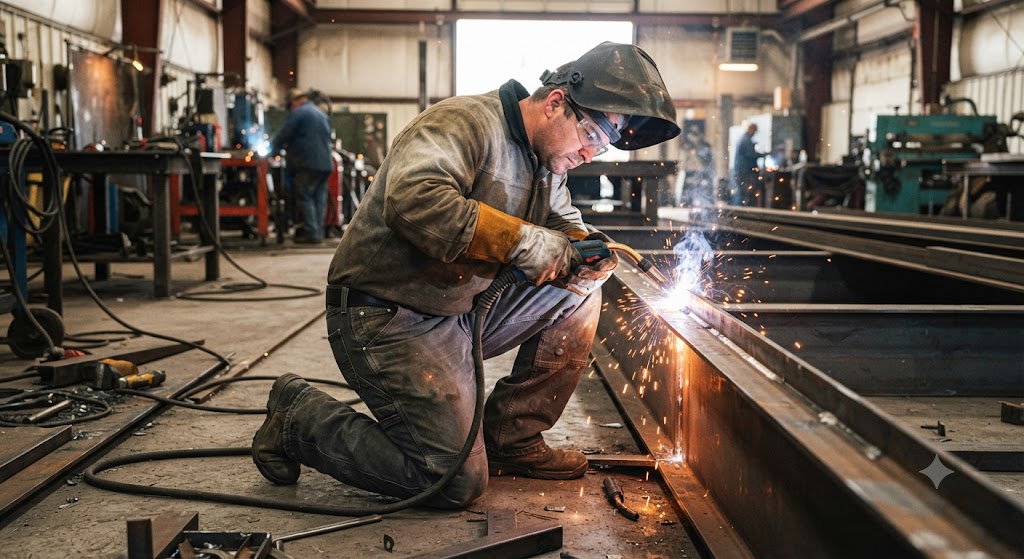
The first time I caught a spark down the front of my jeans, I was tacking a handrail overhead and wearing regular denim. That little orange ember rode the seam, found a thread, and started a slow smolder against my thigh before I even smelled it. I slapped it out, laughed it off, and went home with a dime-sized burn. That was the day I got serious about flame resistant welding pants. If you weld, grind, or stand anywhere near molten metal, your legs are a landing strip for sparks, and ordinary pants can betray you fast. This guide walks you through what actually protects you, which pants I trust in my own shop, and where the marketing gets ahead of the truth.
What “flame resistant” really means for welding pants
Flame resistant, or FR, does not mean fireproof. It means the fabric resists ignition and, critically, self-extinguishes once the ignition source is gone instead of continuing to burn against your skin. That difference is everything. Regular polyester can melt and stick to you. Regular denim can catch and keep burning.
There are two roads to FR. The first is treated FR, where a normal cotton or cotton blend gets a flame retardant chemical finish. The second is inherent FR, where the flame resistance is built into the fiber itself and does not wash out. Treated fabrics are common, affordable, and effective when cared for properly. Inherent fabrics tend to hold their protection longer over a garment’s life.
You will also hear about arc rating, measured in cal/cm2, and the ATPV (Arc Thermal Performance Value). That rating matters most for electrical work and arc flash hazards, less so for a hobbyist stick welder in the garage. Knowing which hazard you actually face tells you which pant you actually need.
Do you really need certified FR welding pants, or will heavy cotton do?
Here is the honest answer most gear sites dance around. It depends on what you do and who you answer to.
If you weld for a living on a jobsite, in a fab shop, or anywhere near electrical panels, you almost certainly need certified FR pants. Many employers mandate them, and standards like NFPA 2112 (industrial flash fire) and NFPA 70E (electrical arc flash) exist precisely because untreated clothing has failed people badly. On a regulated site, “heavy cotton is probably fine” is not a defense that survives an incident report or an OSHA visit. OSHA points to employer hazard assessments and appropriate protective clothing, and certified FR is how you document that you took it seriously.
If you are a weekend hobbyist doing light MIG or stick work in a ventilated garage, the calculus softens. Untreated 100% cotton is the classic budget alternative because it chars rather than melts, and a heavy cotton duck pant will shrug off most stray sparks. It will not self-extinguish the way true FR does, and it carries no arc rating, but it beats synthetic blends by a mile.
My rule of thumb: if you are paid to weld, buy certified FR. If you weld for fun and stay away from live electrical hazards, heavy cotton is a reasonable floor, and stepping up to real FR is cheap insurance for your skin. Fabric weight matters too. Lighter 7 to 8 oz fabrics breathe better for summer overhead work, while 11 oz and up gives you more spark mass and abrasion resistance for heavy structural jobs.
Understanding the standards without the headache
Three acronyms cover most of what you need. NFPA 2112 certifies fabric against short-duration flash fire and is the benchmark you want if flammable atmospheres are in play. NFPA 70E governs electrical safety and drives the arc rating and CAT (category) levels you see on spec sheets, from CAT 1 up through CAT 4 for increasingly severe arc flash exposure. ASTM F1506 is the test standard behind the arc ratings printed on many FR garments.
You do not need to memorize the test methods. You need to know your job’s hazard, ask for the pant’s rating, and match the two. A structural welder with no electrical exposure cares most about NFPA 2112 and fabric weight. An industrial electrician who also welds cares deeply about arc rating and CAT level.
The FR welding pants I actually recommend
Below are six pants I have worn, borrowed, or watched hold up on crews. Each gets a verdict, an honest flaw, and who should skip it.
Carhartt FR Relaxed Straight Rigby Pant
Verdict: my default recommendation for all-day comfort. The relaxed straight cut moves with you when you crouch and kneel, and the FR fabric has a broken-in feel that most FR pants lack out of the box. If you want one pant that disappears while you work, this is it.
Honest flaw: the lighter, softer hand means it shows abrasion sooner than a stiff duck fabric, so heavy grinders will wear through the knees faster.
Skip it if: you drag your knees through slag and steel scrap all day and need armor over comfort.
Wrangler Riggs Workwear FR Advanced Comfort Relaxed Jean
Verdict: the best pick if you hate stiff FR denim. The “advanced comfort” fabric has a hint of give without going full stretch, and the roomy seat and thigh suit larger builds. It wears like a favorite jean that happens to be flame resistant.
Honest flaw: that comfort-focused weave feels slightly less rugged than old-school rigid FR denim, so expect to baby it a bit around sharp stock.
Skip it if: you want the heaviest, most bombproof denim you can find and comfort is a distant second.
Ariat FR M4 Low Rise Boot Cut Jean
Verdict: the style-forward choice that still works. The boot cut sits cleanly over work boots, and the low rise fits younger crews who find high-waisted FR jeans dowdy. Ariat’s FR denim holds color and shape well through repeated washes.
Honest flaw: the low rise can gap at the back when you bend, which is exactly when you do not want a spark finding your waistband.
Skip it if: you spend most of your day bent over or overhead and need a higher back rise for coverage.
Lapco FR Modern Jeans
Verdict: the value workhorse. Lapco lives in the FR world, and these jeans give you honest, no-nonsense flame resistance in a slimmer, more modern cut than the baggy classics. A great entry into certified FR without drama.
Honest flaw: the fabric runs a touch stiff when new and needs a few wash cycles to soften up, so the first week is not the comfiest.
Skip it if: you want plush comfort on day one and do not want to break anything in.
BOCOMAL FR Cargo Pants Midweight 7.5oz
Verdict: the best cargo option and my summer go-to. At a midweight 7.5 oz, they breathe better than heavy denim, and the cargo pockets swallow tips, a soapstone, and a small MIG nozzle without a pouch. Good coverage for the money.
Honest flaw: at 7.5 oz they are lighter than heavy-duty duck, so serious abrasion and big spark showers will test them harder than an 11 oz pant.
Skip it if: you do heavy structural work with constant slag and need maximum fabric mass.
Dickies FR Insulated Duck Pant
Verdict: the cold-weather pick, hands down. The insulated duck fabric blocks wind and holds heat for outdoor winter welding, and the tough duck shell laughs off sparks that would mark thinner pants.
Honest flaw: that insulation turns them into a sweat lodge the moment temperatures climb, so they are useless for summer work.
Skip it if: you weld indoors or in warm climates, where the insulation is pure liability.
How the six compare at a glance
| Pant | Fabric type | Weight feel | Arc/ATPV note | Fit | Best job |
|---|---|---|---|---|---|
| Carhartt FR Rigby | Treated FR cotton blend | Midweight, soft | Rated for arc/flash, check label | Relaxed straight | All-day general welding |
| Wrangler Riggs FR | Treated FR denim | Midweight, flexible | Rated, comfort-focused build | Relaxed | Comfort seekers, larger builds |
| Ariat FR M4 | Treated FR denim | Midweight | Rated FR denim | Low rise boot cut | Style-conscious shop work |
| Lapco FR Modern | Treated FR denim | Midweight, stiff new | Certified FR value | Modern slim | Budget-minded certified FR |
| BOCOMAL FR Cargo | FR cotton, 7.5oz | Lighter, breathable | FR rated, midweight | Cargo relaxed | Warm-weather, tool carry |
| Dickies FR Insulated Duck | Treated FR duck, insulated | Heavy, warm | FR rated heavy duck | Roomy | Cold outdoor welding |
Always confirm the exact arc rating and certification on the current product label, since manufacturers update specs and ratings by size and style.
Caring for FR pants so they keep protecting you
Treated FR can lose performance if you abuse it in the wash. Skip chlorine bleach, fabric softeners, and heavy starch, because all three can coat the fibers or strip the finish. Wash in warm water with a normal detergent, turn the pants inside out to protect the surface, and avoid industrial soaps loaded with peroxide unless the label approves them. Never let welding oils or solvents soak in, since flammable contaminants sitting on FR fabric can burn regardless of the treatment. Inspect the knees and seat regularly, because once the fabric wears through, that spot is no longer protecting anything.
Where I land after years of burned jeans
If I could hand you one pair, it would be the Carhartt FR Rigby for the comfort-to-protection balance that keeps you actually wearing them all day, which is the only protection that counts. Cold-climate crews should grab the Dickies insulated duck, summer welders and gadget haulers should reach for the BOCOMAL cargos, and anyone chasing certified FR on a tight budget should start with Lapco. Brands like Bulwark FR and TRUEWERK are worth a look too if you want to widen the field. And if you are strictly a hobbyist, a heavy pair of untreated 100% cotton pants beats any synthetic blend you own. Whatever you choose, match the pant to your real hazard, care for it right, and stop feeding your legs to the sparks.
Frequently Asked Questions
Are flame resistant welding pants really necessary, or is that just marketing? If you weld professionally or near electrical hazards, they are necessary and often legally required. Untreated clothing has failed people in flash fire and arc flash events, which is why standards like NFPA 2112 and NFPA 70E exist. Hobbyists in low-risk settings can get by with heavy cotton, but real FR is inexpensive protection for your skin.
What is the difference between treated FR and inherent FR? Treated FR is normal fabric given a flame retardant finish. Inherent FR has flame resistance built into the fiber itself, so it does not wash out over the garment’s life. Treated FR works well when cared for properly, while inherent FR tends to hold protection longer.
Does washing ruin flame resistant pants? It can if you use the wrong products. Avoid chlorine bleach, fabric softeners, and heavy starch, and keep flammable oils and solvents out of the fabric. Warm water and normal detergent, with the pants turned inside out, preserve the protection.
Is heavy cotton good enough for welding? Untreated 100% cotton chars instead of melting, so it is far safer than synthetics and fine for many hobbyists. It does not self-extinguish like true FR and carries no arc rating, so it is not a substitute for certified FR on regulated jobsites.
What fabric weight should I choose? Lighter 7 to 8 oz fabrics breathe better for summer and overhead work. Heavier 11 oz and up fabrics give more spark mass and abrasion resistance for heavy structural welding. Match the weight to your climate and how rough your work is.
What do arc rating and CAT levels mean? Arc rating, shown in cal/cm2 as the ATPV, measures protection against electrical arc flash energy, and CAT levels from 1 to 4 group garments by increasing arc flash severity under NFPA 70E. They matter most when electrical hazards are present.
Can flame resistant pants still catch fire? FR means resistant, not fireproof. The fabric can char or ignite under enough energy, but it resists sustained burning and self-extinguishes once the ignition source is removed, which prevents the continued burning that causes the worst injuries.
How long do FR pants keep their protection? Inherent FR holds up for the garment’s service life. Treated FR stays effective through many washes when cared for correctly, but abrasion, contamination, and improper laundering shorten that. Inspect worn spots and retire pants once the fabric wears through.
References
https://www.osha.gov/personal-protective-equipment https://www.nfpa.org/product/nfpa-2112-standard/p2112code https://www.nfpa.org/product/nfpa-70e-standard/p0070ecode https://www.astm.org/f1506-22a.html https://www.cdc.gov/niosh/topics/flammability/default.html
SEO Title: Flame Resistant Welding Pants Guide