Leather Welding Jacket
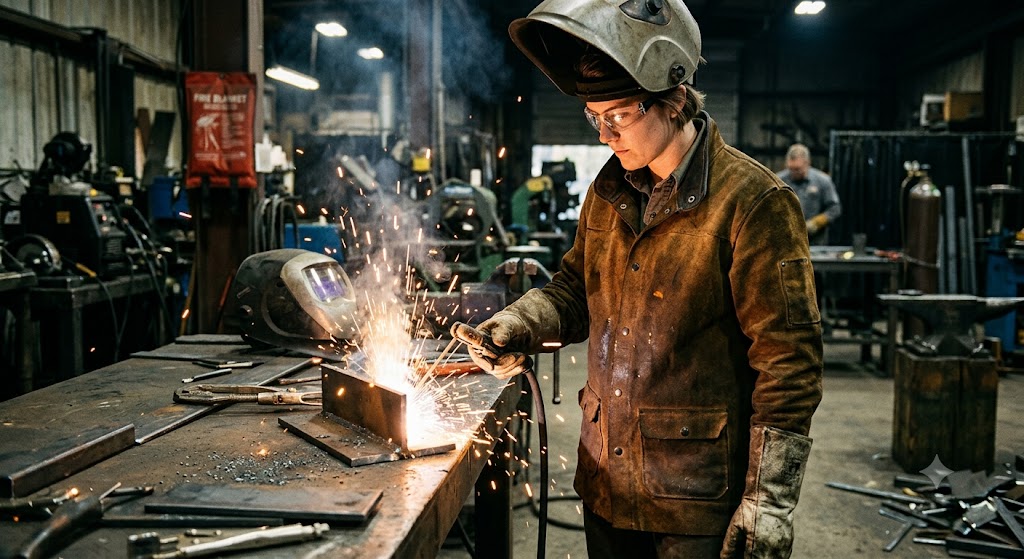
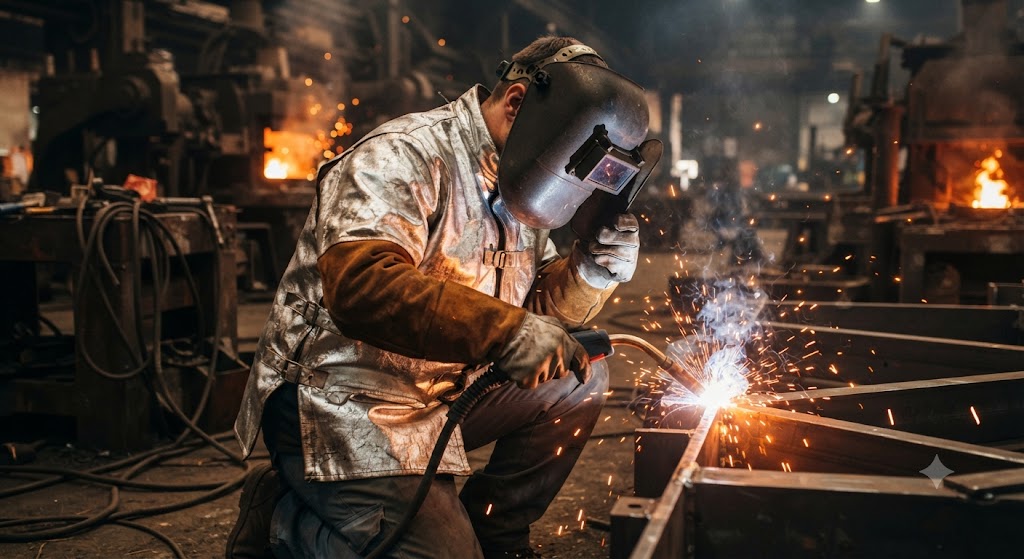
Sparks skitter off the plate, a bead of molten spatter arcs toward your forearm, and it lands with a hiss on hide instead of skin. That is the moment a leather welding jacket earns its place in your shop. If you run stick all day, chase heavy MIG passes on thick steel, or lean into radiant heat that would scorch a lighter shell, cotton alone stops being enough. You feel it before you admit it: the singed sleeves, the pinholes, the sting through a worn-out flannel. A proper leather jacket takes that abuse and shrugs it off, and this guide walks you through why leather wins, where it costs you, and which three jackets are worth your money.
What Is a Leather Welding Jacket
A leather welding jacket is a protective upper garment made from animal hide, most often split cowhide or pigskin, built to shield your torso and arms from spatter, sparks, radiant heat, and UV during welding. Unlike flame-resistant (FR) cotton, which resists ignition through chemistry and weave, leather resists through sheer mass and density. Molten metal that would burn through fabric tends to bounce off or cool on the surface of hide before it can penetrate.
Split cowhide is the workhorse choice: thick, abrasion-resistant, and cheap enough to treat as a consumable over years of hard use. Pigskin is prized for staying supple after it gets wet and dries, which matters if you sweat heavily or work outdoors. You will also see grain leather in premium builds, offering a smoother, more flexible feel. Most quality jackets use snap closures rather than zippers, because a metal zipper can conduct heat and a plastic one can melt. The trade-off across all leather is real: more heat protection means more weight and less breathability.
Which Leather Welding Jacket Should You Buy
If you want one recommendation and no fuss, get the Lincoln Electric K2989 Heavy Duty Leather Welding Jacket. Full split leather, built for the ugliest heat and spatter, and it holds up. If you want leather that stays soft and forgiving all day, step up to the Miller Pigskin Leather Welding Jacket. And if you want the lighter hybrid feel without giving up sleeve protection, the Lincoln Electric XVI Series Split Leather FR Welding Jacket pairs leather where it counts with an FR body that breathes.
Lincoln Electric K2989 Heavy Duty Leather Jacket
This is the jacket you reach for when the work is brutal. Full split cowhide across the body and sleeves means you can take direct spatter from overhead stick work, heavy MIG on plate, and gouging without babying the material. The panels are cut generously so you can layer underneath in a cold shop, and the snap front keeps metal closures away from the arc.
Named flaw: it is hot and heavy. On a summer day or in an enclosed shop, full split leather turns into a sauna, and you will feel every ounce by hour six.
Who should skip it: light-duty TIG welders, hobbyists doing short sessions, and anyone working in high ambient heat where breathability matters more than maximum spatter defense.
Miller Pigskin Leather Welding Jacket
Pigskin is the reason to look here. It starts softer than cowhide and, crucially, it stays pliable after it gets wet from sweat and dries out again, where cowhide can stiffen. That flexibility pays off during long days with a lot of reaching, positioning, and repetitive movement. The construction feels premium, and the fit tends to move with you rather than fighting you.
Named flaw: you pay a premium for pigskin, and the thinner, more supple hide is not as brutally abrasion-resistant as thick split cowhide over the very long haul.
Who should skip it: anyone on a tight budget, and welders doing extreme high-spatter production work who would rather have maximum thickness than all-day suppleness.
Lincoln Electric XVI Series Split Leather FR Jacket
This is the smart middle path. The XVI series puts split leather on the sleeves and shoulders, where spatter and radiant heat hit hardest, and uses flame-resistant fabric on the body panels so the jacket breathes and weighs less. If full leather has always felt like overkill for your work but FR cotton alone leaves your forearms exposed, this hybrid is built for exactly that gap.
Named flaw: the FR body will not take sustained direct spatter the way full leather will, so aggressive overhead work can find the fabric panels.
Who should skip it: heavy overhead stick welders and anyone who routinely takes spatter across the chest and back, where a full leather shell is the safer call.
Leather Versus FR Cotton: What Actually Matters
FR cotton is lighter, cooler, and easier to move in, which makes it the default for TIG, light MIG, and long shifts in warm conditions. It resists ignition, but it does not stop molten spatter the way hide does. Push into heavy stick, thick-plate MIG, gouging, or cutting, and FR cotton starts collecting pinholes and burns through where leather would simply cool the spatter and let it fall.
Leather wins on raw heat and spatter defense. It loses on weight, breathability, and heat retention against your body. This is why so many welders end up with both: an FR cotton jacket for lighter, hotter-environment work and a leather jacket for the heavy stuff. The hybrid FR-body, leather-sleeve design exists precisely to blur that line, giving you leather where the danger concentrates and breathable fabric everywhere else.
How to Choose the Right Leather Welding Jacket
Start with your process and duty cycle. Heavy stick and thick MIG demand full leather. Occasional heavy work with a lot of lighter welding points you toward a hybrid. Match the hide to your body and climate: cowhide for maximum durability, pigskin for suppleness and better recovery after sweat.
Then check the fit. You want enough room to layer underneath and full range of motion at the shoulders, because a jacket that binds when you reach overhead is a jacket you will stop wearing. Look for snap closures instead of exposed metal zippers, sleeves long enough to overlap your gloves, and a collar that stands up to protect your neck. Per general workplace safety guidance from OSHA, protective clothing should cover exposed skin and be free of oil, grease, and frays that could ignite, so inspect the leather and retire it when it cracks or thins.
| Jacket | Material | Best For | Key Trade-off |
| Lincoln Electric K2989 | Full split cowhide | Heavy stick, thick MIG, overhead spatter | Hot and heavy in warm shops |
| Miller Pigskin | Full pigskin leather | Long days, lots of movement, sweat | Premium cost, thinner hide |
| Lincoln Electric XVI Series | Split leather sleeves, FR body | Mixed work needing lighter feel | FR panels weaker on direct spatter |
Caring for Your Leather Welding Jacket
Leather rewards a little maintenance. Let a sweaty jacket air out flat or on a wide hanger rather than balling it up, because trapped moisture and heat break down hide fast. Brush off spatter and grinding dust so grit does not abrade the surface from the outside in. Keep it away from oil and solvents, which degrade leather and, worse, can turn a protective layer into a fuel source. When the hide cracks, thins at the elbows, or shows burn-through, replace it. A leather welding jacket is protective equipment first and a garment second, so treat wear as a safety signal, not a cosmetic one.
The Bottom Line on Leather
Buy leather when the heat and spatter are more than fabric can handle, and do not apologize for the extra weight, because that weight is the protection. For pure heavy-duty defense, the Lincoln Electric K2989 is the straightforward pick. For all-day comfort that survives sweat, the Miller pigskin earns its premium. For a lighter jacket that still armors your arms, the XVI series hybrid splits the difference intelligently. Match the jacket to your process, get the fit right so you actually keep it on, and inspect it often. The right leather welding jacket is the cheapest insurance in your shop.
Frequently Asked Questions
Is a leather welding jacket better than FR cotton? For heavy heat and spatter, yes. Leather stops molten metal that FR cotton lets through. For lighter work in warm conditions, FR cotton is often more comfortable and practical, which is why many welders own both.
What kind of leather is best for a welding jacket? Split cowhide is the durable, budget-friendly standard for heavy work. Pigskin stays softer and recovers better after it gets wet, making it a favorite for long, sweaty days. Grain leather offers a smoother, more flexible feel at a higher cost.
Can I use a leather welding jacket for TIG welding? You can, but it is often more than you need. TIG produces little spatter, so lighter FR cotton or a hybrid jacket is usually more comfortable and gives you the finger dexterity TIG demands.
Why do welding jackets use snaps instead of zippers? Metal zippers can conduct heat toward your skin, and plastic zippers can melt. Snap closures avoid both problems and let you shed the jacket quickly if hot metal gets inside.
How do I keep a leather welding jacket from getting stiff? Let it dry flat and out of direct heat after it gets sweaty or wet, keep it clean of grinding dust, and avoid oils and solvents. Pigskin naturally resists stiffening better than cowhide.
When should I replace my leather welding jacket? Retire it when the hide cracks, thins noticeably at high-wear spots like the elbows, or shows burn-through. Since it is protective equipment, treat any compromise in the leather as a reason to replace it.
References
- Lincoln Electric (manufacturer product information for the K2989 and XVI series welding jackets)
- Miller Electric (manufacturer product information for pigskin leather welding jackets)
- OSHA (Occupational Safety and Health Administration guidance on protective clothing for welding, cutting, and brazing)
- American Welding Society (AWS) safety guidance on personal protective equipment for arc welding