lincoln electric welding jacket
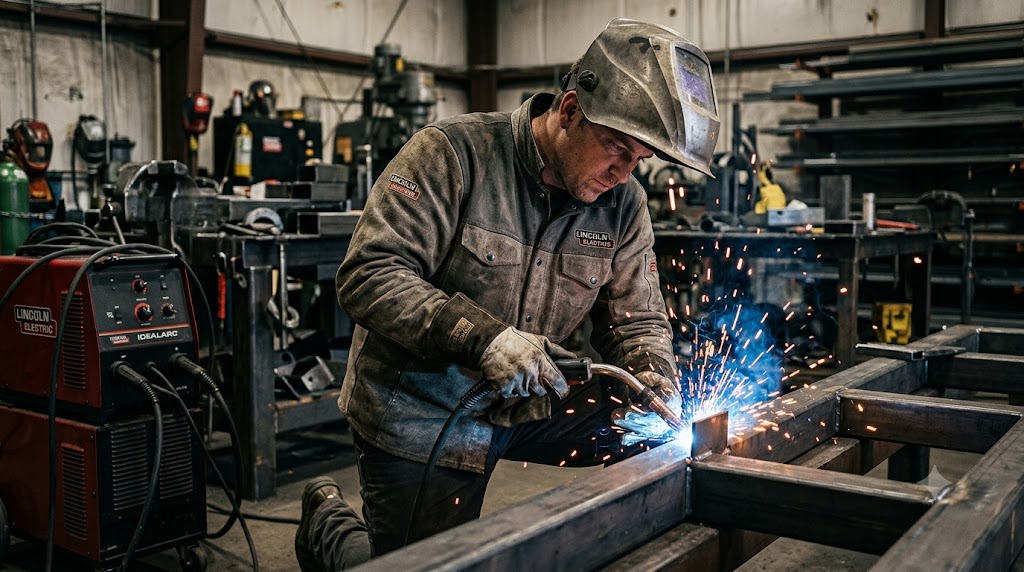
You can tell a lot about a welder by the jacket hanging on the hook. If you have ever felt a stray spark burn through a cheap cotton sleeve mid bead, you already know why a proper lincoln electric welding jacket earns its place in the shop. The right one lets you keep your head in the puddle instead of flinching at every pop of spatter. Lincoln Electric builds several jackets for very different jobs, from a breathable flame resistant cotton shell for light MIG and TIG work to full split leather armor for overhead stick and heavy fabrication. Pick the wrong one and you either cook under leather you did not need or take hits through fabric that was never meant to stop them. This guide sorts out which Lincoln jacket fits your work, where each one shines, and the honest flaw that comes with every choice.
What a welding jacket actually is
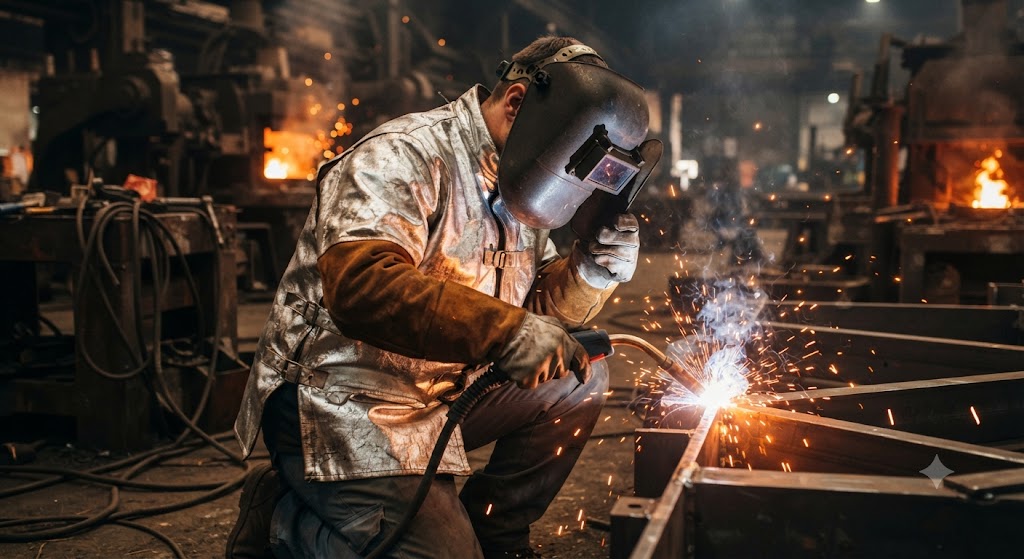
A welding jacket is protective outerwear designed to shield your torso and arms from heat, ultraviolet and infrared radiation, molten spatter, and slag while you weld. Unlike an ordinary work shirt, it is made from materials that either resist ignition (flame resistant, often shortened to FR) or physically block heat and sparks (leather). The American Welding Society and OSHA both treat this kind of body protection as core personal protective equipment for any arc process, because the arc throws off enough UV to burn skin and enough heat to set untreated cotton alight.
Welding jackets generally fall into three families. Flame resistant cotton is light and breathable, good for lower heat processes and long days on your feet. Leather (usually cowhide split leather) is heavier and hotter to wear but stops serious spatter and radiant heat. Hybrid jackets combine an FR cotton body with leather sleeves or shoulders so you get airflow where you can and armor where the sparks land. Lincoln Electric makes options across all three, which is why the brand shows up so often in shop lockers.
Which Lincoln Electric jacket to buy
If you want one recommendation to cover the most common shop work, start with the Lincoln Electric K2985 FR cotton welding jacket. It breathes well, moves easily, and handles light to medium MIG and TIG duty without turning your day into a sweat lodge.
If your work runs hotter, step up to the Lincoln Electric XVI series split leather FR jacket for a balance of protection and mobility, or go all in with the Lincoln Electric K2989 heavy duty full leather welding jacket when you are running stick overhead or standing in a shower of slag. The heavier the spatter, the more leather you want between it and your skin.
Lincoln Electric K2985 FR cotton jacket
The Lincoln Electric K2985 FR cotton welding jacket is the everyday workhorse. The flame resistant cotton shell keeps air moving, so you can wear it through a full shift of MIG tacking, sheet metal work, and lighter TIG without overheating. It layers well under a hood and does not fight you when you reach across a bench.
Where it shines is comfort and range of motion on lower heat processes. Where it struggles is heavy spatter. FR cotton resists ignition, but it does not block molten metal the way leather does, so sustained heavy stick welding or grinding sparks can still work heat through to your arms over time.
Named flaw: the FR cotton offers less protection against heavy spatter and radiant heat than leather, and the flame resistance is a treated property you have to protect by washing it correctly.
Who should skip it: if you run heavy stick, do a lot of overhead work, or weld thick plate all day, this jacket is under gunned. Reach for leather instead.
Lincoln Electric XVI series split leather FR jacket
The Lincoln Electric XVI series split leather FR jacket is the middle path. It pairs split leather protection with an FR construction so you get real spatter resistance without committing to a full leather oven. This is a strong pick for mixed shops where you might MIG in the morning and run hotter processes in the afternoon.
The split leather takes heavy sparks and radiant heat far better than cotton, and the cut is built to let you actually work rather than stand stiff like a mannequin. It splits the difference between the breathable K2985 and the heavy K2989.
Named flaw: leather runs hotter and heavier than FR cotton, so even this balanced jacket feels warm on long summer days compared to the K2985.
Who should skip it: if nearly all of your work is light TIG or MIG in a warm shop, you are paying in heat and weight for protection you rarely tap. The K2985 is the cooler choice there.
Lincoln Electric K2989 heavy duty leather jacket
The Lincoln Electric K2989 heavy duty full leather welding jacket is the armor of the lineup. Full leather construction means it takes serious spatter, slag, and radiant heat, which is exactly what you want for heavy stick welding, overhead beads, and thick plate fabrication. When metal is raining down, this is the jacket you want on your back.
That protection is the whole point, and it earns its keep in demanding environments. You feel secure leaning into work that would chew through cotton.
Named flaw: full leather runs hot and heavy, so it is genuinely tiring to wear across a long shift and punishing in a warm shop with poor airflow.
Who should skip it: if you do light, intermittent welding or spend most of the day on low heat processes, the weight and heat are overkill. The K2985 or the XVI split leather will serve you better and wear you out less.
Lincoln Electric XVI Industrial jacket
The Lincoln Electric XVI Industrial welding jacket is aimed at demanding, high duty industrial settings within the XVI family. It leans toward the heavier, more protective end, built for operators who need durable coverage shift after shift in production environments.
It suits welders who want XVI series construction with an industrial focus on durability and sustained protection rather than maximum breathability.
Named flaw: as with the rest of the leather leaning options, the extra protection comes with extra heat and weight, so it is not the jacket you want for delicate, low heat bench work.
Who should skip it: hobbyists and light duty users who weld occasionally will find it more jacket than the job needs. A lighter FR cotton option fits that use better.
How to choose the right one
Match the jacket to your heat, not to the biggest number on the shelf. Start with your dominant process. Light MIG and TIG reward breathability, so FR cotton wins. Heavy stick, overhead, and thick plate reward armor, so leather wins. Mixed work rewards a hybrid or split leather middle ground.
Then weigh your shop climate. A hot, poorly ventilated space makes leather brutal, which can push you toward the K2985 even if your work runs a little hot, as long as your spatter exposure stays moderate. Finally, respect fit. A jacket that binds your shoulders makes you rush your welds, and a jacket that flaps invites sparks into the gaps. NIOSH and OSHA both stress that PPE only protects when it fits and gets worn correctly, so size it to move.
Comparison table
| Jacket | Material | Best for | Named flaw |
| K2985 | FR cotton | Light to medium MIG and TIG, long shifts, warm shops | Less protection against heavy spatter and radiant heat |
| XVI split leather FR | Split leather with FR construction | Mixed shops needing balance of protection and mobility | Hotter and heavier than FR cotton |
| K2989 | Full leather | Heavy stick, overhead work, thick plate fabrication | Runs hot and heavy over a long shift |
| XVI Industrial | XVI series industrial build | High duty industrial and production environments | Extra heat and weight, not ideal for light bench work |
Care and lifespan
Treat the jacket like the safety gear it is. For the FR cotton K2985, follow Lincoln Electric care guidance closely, because harsh detergents, bleach, and fabric softeners can degrade flame resistant treatment and shorten the protective life of the garment. Wash it the way the maker specifies and inspect it for thin spots and burn through.
Leather jackets like the K2989 need different care. Keep them dry, let them air out so sweat does not break down the hide, and check the stitching and seams where slag tends to collect. Retire any jacket, cotton or leather, once it shows holes, charring, or seams that have failed, since compromised gear is not protecting you anymore.
The bottom line on Lincoln jackets
Think in terms of heat exposure and shift length rather than brand loyalty alone. For most everyday MIG and TIG work, the breathable K2985 is the jacket you will actually keep wearing, which is the whole point of PPE. When the sparks get serious, the XVI split leather steps up, and the full leather K2989 handles the punishing overhead and heavy plate jobs that would ruin lighter gear. The XVI Industrial covers high duty production use. Buy for the hottest work you do regularly, size it so you can move, and care for it so the protection lasts.
FAQ
Is a flame resistant cotton jacket safe for welding? Yes, for the right work. FR cotton like the K2985 resists ignition and suits light to medium MIG and TIG. It is not the best choice for heavy spatter or overhead stick, where leather protects better.
Why does the leather jacket feel so much hotter to wear? Leather blocks heat and spatter by being dense and non breathable, and that same density traps your body heat. The protection and the heat you feel are two sides of the same material.
Which Lincoln Electric jacket is best for beginners? Most beginners doing light MIG and TIG are well served by the breathable K2985. If you already know you will run hot processes often, a split leather option like the XVI is a smarter first buy.
Can I machine wash the FR cotton K2985? Follow the manufacturer care instructions exactly. Avoid bleach and fabric softeners, since the wrong products can degrade the flame resistant treatment and reduce protection.
How do I know what size to get? Choose a fit that lets you reach and move without binding, while still closing snugly so sparks cannot enter at the cuffs or front. Layer room under a hood matters, so account for what you wear underneath.
When should I replace my welding jacket? Retire it once you see holes, charring, burn through, or failed seams. Damaged gear no longer provides reliable protection, no matter how comfortable it still feels.
Do I still need other PPE if I have a good jacket? Yes. A jacket is one layer. OSHA and AWS guidance treat welding safety as a full system that also includes eye and face protection, gloves, and proper respiratory protection where fumes require it.
References
- Lincoln Electric (manufacturer product information and garment care guidance)
- Occupational Safety and Health Administration (OSHA) personal protective equipment guidance
- American Welding Society (AWS) welding safety and PPE recommendations
- National Institute for Occupational Safety and Health (NIOSH) guidance on PPE fit and use