Steel Toe Welding Boots Compared
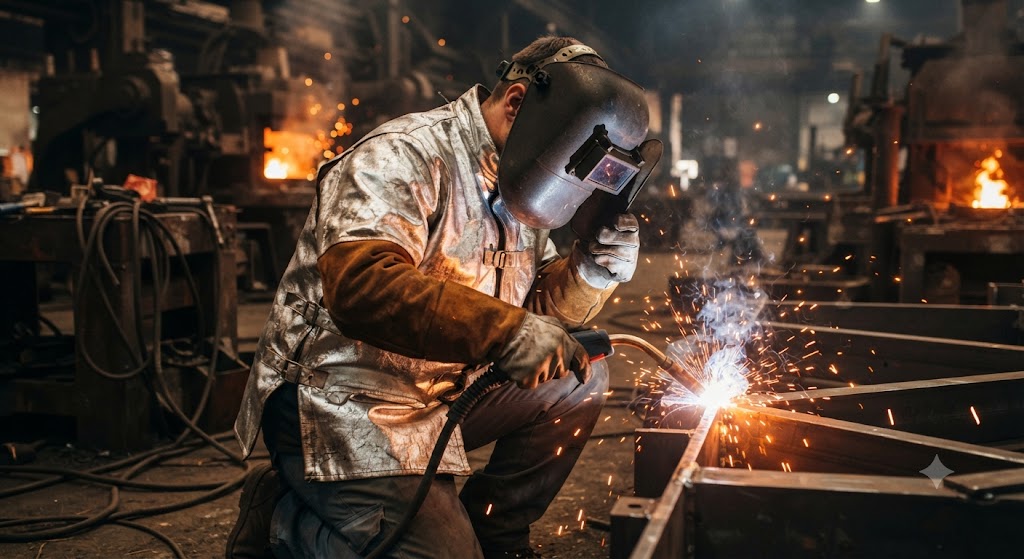
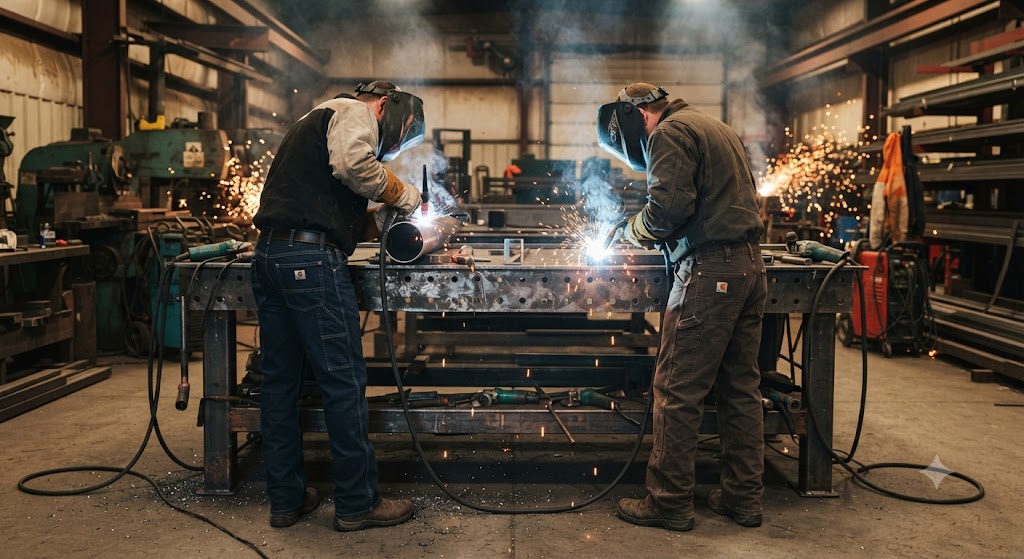
The first time I dropped a section of hot channel iron on my foot, I was wearing sneakers, and I limped for a week. That was the day I got serious about steel toe welding boots, and I have burned through more pairs than I can count in the twenty years since. Slag does not care about your feet. Neither does a falling clamp or a rolling coil. If you weld for a living, or even for weekends in the garage, the boots between your soles and the shop floor are the cheapest insurance you will ever buy. This guide compares six steel toe boots I trust, plus a couple worth knowing about, and tells you which one fits your welding.
What a steel toe welding boot actually needs to do
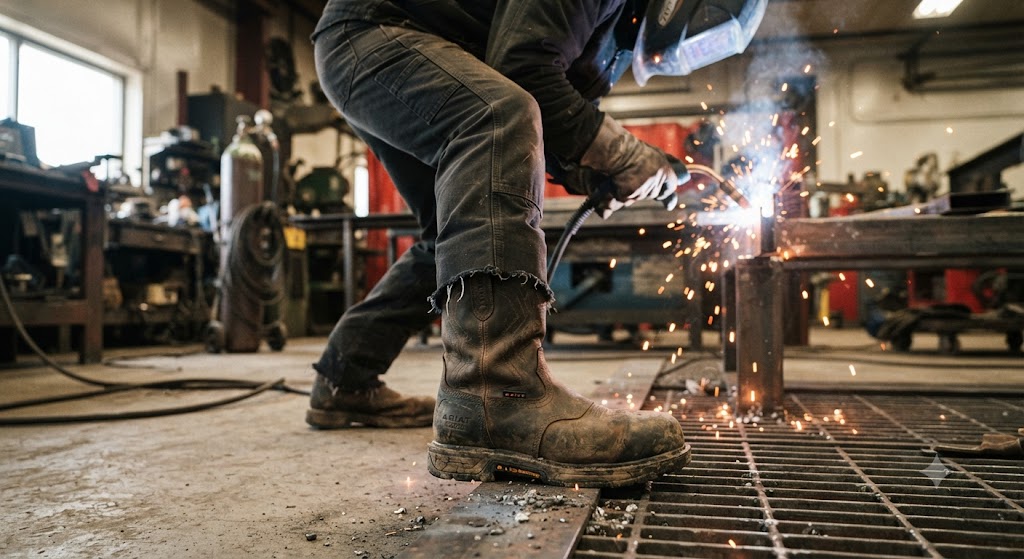
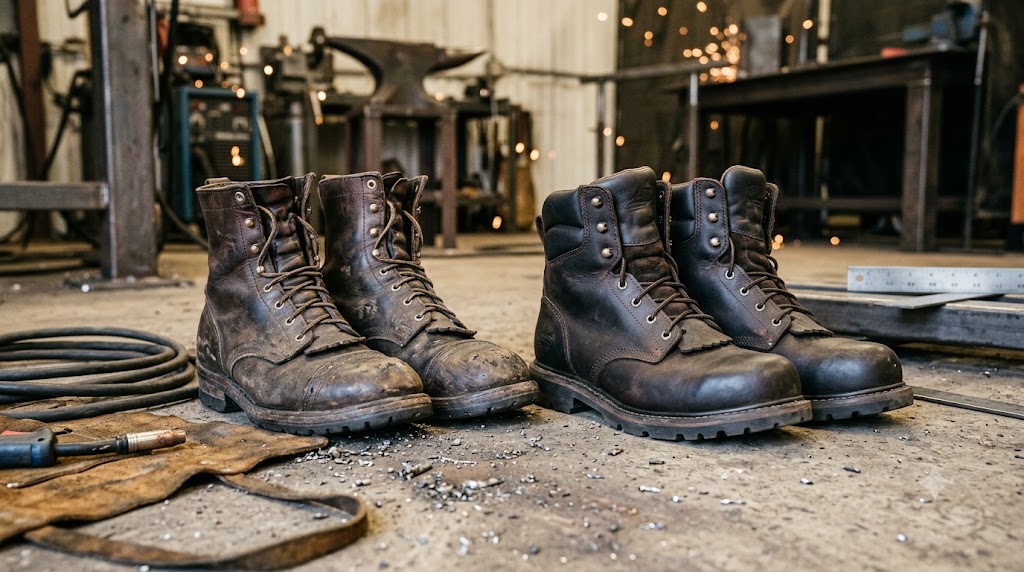
A welding boot is not just a work boot with a metal cap. It lives in a world of sparks, molten spatter, and radiant heat, so it has to shrug off things that would chew up an ordinary boot. The upper needs to be full-grain leather, because leather chars instead of melting the way synthetics do. The tongue should be gusseted or closed so a bead of slag cannot drop inside and weld itself to your sock. Low-profile speed hooks are a hazard, since hot metal loves to nest in an open lace hook, which is why many welders pull the laces or tape over them.
Underfoot, you want a heat-resistant outsole that will not turn to glue when you stand on a plate you just cut. A steel toe adds the impact and compression protection welders need around heavy stock. Add an electrical hazard rating if you run stick or wire near live circuits, and you have the core recipe. Everything else, height, waterproofing, and pull-on versus lace, is about how and where you weld.
Which steel toe welding boots are worth buying
If you want the short version, here is how I steer people. For the best all-around value that survives real shop abuse, the Timberland PRO Pit Boss 6-inch Steel Toe is the boot I hand to new hires. It breaks in fast, the toe box is roomy, and the outsole handles heat better than its midrange positioning suggests. Its flaw is that the leather is thinner than a heritage boot, so it will not last a decade.
If you hate laces near sparks, go pull-on with the Ariat Groundbreaker Steel Toe Pull-On. No hooks means nowhere for slag to land, and you can kick them off at the door. The tradeoff is a looser heel that some feet never fully lock into.
For the buy-it-once crowd, the Thorogood American Heritage 8-inch Steel Toe is the premium pick, with a tall shaft that guards your shin during vertical and overhead work. It is heavy and needs a real break-in, so weekend welders may find it overkill.
If bending over in stiff boots wrecks your knees, the side-zip ROCKROOSTER 7-inch Steel Toe Side-Zip gets you in and out fast and rides tall. The zipper is the obvious weak point over years of grit. For all-day comfort on concrete, the Carhartt Rugged Flex 6-inch Steel Toe flexes like an athletic shoe while keeping the cap. And if your shop floor is wet, the Wolverine Floorhand Waterproof Steel Toe 6-inch keeps your socks dry, though waterproofing traps heat on long summer shifts.
Steel toe versus composite: the honest tradeoff
People love to argue this one. Here is the plain truth from a welder, not a catalog. Steel toe caps give you the maximum impact and compression protection, they cost less, and the cap is thinner so the boot fits closer. That is why I still run steel in a heavy fabrication shop where dropped stock is the real threat.
The downside is real. Steel conducts. On a January morning in an unheated shop, a steel cap turns your toes into ice cubes, and near a hot plate it can conduct warmth toward your foot. Steel is also heavier, and it will set off a metal detector. Composite caps, made of carbon fiber or fiberglass, weigh less, stay closer to air temperature, and do not conduct electricity, which pairs well with a strong electrical hazard need. But composite caps are bulkier and usually cost more for the same rating. For most welders standing near heavy metal, steel remains the smart, affordable choice, and every boot in this guide is steel for that reason.
Head-to-head comparison
Scoring below runs from 1 to 5, where 5 is best. Weight and heat resistance reflect my shop experience across many pairs.
| Boot | Height | Closure | Waterproof | Comfort out of box | Heat resistance | Weight | Best for |
|---|---|---|---|---|---|---|---|
| Timberland PRO Pit Boss | 6 inch | Lace | No | 5 | 4 | Light | Best value all-rounder |
| Ariat Groundbreaker | Pull-on | Pull-on | No | 4 | 3 | Medium | No-hook slag safety |
| Thorogood American Heritage | 8 inch | Lace | No | 2 | 5 | Heavy | Buy-it-once durability |
| ROCKROOSTER Side-Zip | 7 inch | Zip and lace | Partial | 4 | 4 | Medium | Fast on and off |
| Carhartt Rugged Flex | 6 inch | Lace | No | 5 | 3 | Light | All-day comfort |
| Wolverine Floorhand | 6 inch | Lace | Yes | 4 | 3 | Medium | Wet floors |
Two more deserve a nod even though I am not linking them here. The Red Wing 2245 SuperSole steel toe is a legend for heat resistance and resoleability, and it is a premium heritage option if you want a boot you send back for rebuilds. The CAT Second Shift steel toe is a solid budget starter that many first-year welders wear before they know what they want.
Reading ASTM F2413 so the label makes sense
The stamp inside a compliant boot follows ASTM F2413, and it tells you what the boot was tested to do. After the standard number you will see letters. The “I” is impact resistance at the toe, and “I/75” means the cap survived a 75 foot-pound impact, the top rating. The “C” is compression resistance, and “C/75” means the cap held up to 2,500 pounds of squeeze, again the top tier. So a boot marked “I/75 C/75” is fully rated for both hazards, which is what you want around heavy stock.
You may also see “EH” for electrical hazard, meaning the sole resists current under dry conditions, which matters if you weld near live circuits. Every boot in this comparison carries the I/75 C/75 steel toe rating, and most add EH. Do not confuse EH with arc rated clothing. Boots protect against incidental contact, not deliberate live work.
My verdict after two decades of sparks
If I could own one pair from this list, it would be the Timberland PRO Pit Boss, because it nails the balance of protection, comfort, and price that most welders actually need. If money were no object and I wanted a boot to outlast my next truck, I would lace up the Thorogood American Heritage and accept the break-in. Pull-on loyalists should trust the Ariat Groundbreaker, wet-floor crews the Wolverine Floorhand, and anyone with cranky knees the ROCKROOSTER side-zip. Buy the boot that matches your floor and your fit, protect the toe with a steel cap, and keep the laces out of the spark stream. Your feet will thank you at the end of a long shift.
Frequently Asked Questions
Are steel toe boots safe for welding? Yes, when they are full-grain leather with a heat-resistant outsole and a rated cap. The cap protects against dropped stock, and leather resists slag. Keep laces and open hooks covered so spatter cannot land inside.
Do steel toe caps conduct heat toward my feet? They can. Steel conducts both cold and warmth, so in extreme temperatures your toes feel it more than with composite. A thick wool sock and a heat-resistant sole reduce the effect on most jobs.
Steel toe or composite toe for welding? Steel gives maximum impact and compression protection at a lower cost and a slimmer fit. Composite is lighter and does not conduct, which suits high electrical hazard work. For heavy fabrication, steel is usually the better value.
How tall should a welding boot be? Six inches suits general work, while eight inch and taller shafts guard your shin during vertical and overhead welding. Taller boots also block more falling spatter, at the cost of weight and flexibility.
What does ASTM F2413 I/75 C/75 mean? It means the toe cap passed the highest impact rating of 75 foot-pounds and the highest compression rating of 2,500 pounds. It is the top protection tier for both hazards.
Should welding boots be waterproof? Only if your floor is wet. Waterproof membranes keep socks dry but trap heat, so they can feel hot on long summer shifts in a dry shop. Match the feature to your environment.
How long do steel toe welding boots last? Midrange boots often last one to two years of daily welding, while heritage boots with resoleable soles can run far longer with rebuilds. Slag exposure and floor conditions drive the real number.
Can I weld near live circuits in EH-rated boots? EH boots resist incidental contact under dry conditions only. They are not a substitute for proper lockout, insulation, or arc rated gear during deliberate live work.
References
https://www.osha.gov/laws-regs/regulations/standardnumber/1910/1910.136 https://www.osha.gov/personal-protective-equipment https://www.cdc.gov/niosh/topics/ppe/ https://www.aws.org/standards-and-publications https://www.astm.org/f2413-18.html https://www.redwingshoes.com
SEO Title: Steel Toe Welding Boots Compared