A Practical Look at Welding Caps by Lori: Handmade Fit, Fabric and Real Shop Use
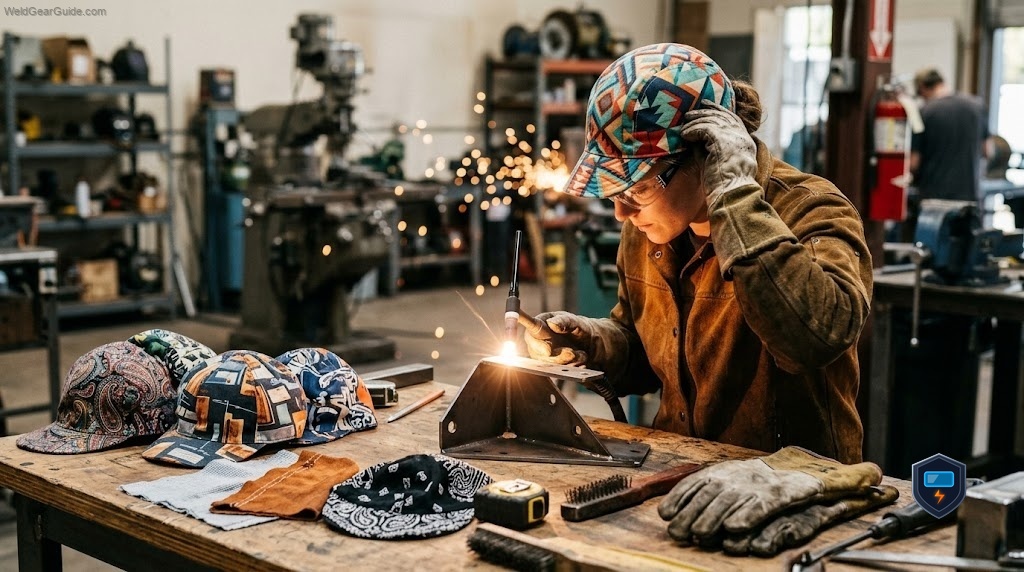
Alongside the big brands, there is a whole world of small makers hand-sewing welding caps, and welders seek them out for good reason. A handmade cap, like those sold under the Lori name, often means a choice of fabrics, a custom or true-to-size fit, and prints you will not see on anyone else in the shop. When a small maker does it right, you get a cap that fits better and lasts longer than a mass-produced one. Here is a practical look at what handmade welding caps offer and how to choose one that works as hard as it looks.
Why welders seek out handmade caps
Handmade caps fill a niche the big brands often miss:
- Custom or true sizing: made to a specific hat size or head measurement, so the fit is often better than one-size caps.
- Fabric choice: a wide range of 100% cotton prints and patterns, often changed seasonally.
- Personal touch: unique designs, and sometimes personalization, that mass production does not offer.
- Small-batch quality: careful stitching and attention to detail from a maker who sews each cap.
For welders who care about fit and individuality, a handmade cap is genuinely appealing.
Fabric still comes first
No matter how nice the print, the fabric rule does not change:
- 100% cotton is the safe, traditional choice, because cotton chars rather than melting near sparks. Quality handmade welding caps use it.
- Flame-resistant (FR) fabric is worth asking about if your work requires an FR rating.
- Avoid untreated synthetics, which can melt near heat, no matter how good they look.
When buying from a small maker, confirm the cap is 100% cotton (or FR) rather than a printed synthetic. Reputable makers state this clearly.
Fit and sizing
The fit advantage is the main reason to go handmade:
- Fixed hat sizes (7, 7 1/4, 7 1/2 and so on) run true; measure your head and order the matching size.
- Made-to-measure options let some makers build to your exact head size.
- Coverage: a roomy crown that tucks longer hair and can be pulled over the ears helps for overhead work.
Because cotton does not stretch much, this is exactly where a maker who sizes carefully beats a generic cap.
Coverage and comfort in real use
A well-made cotton cap does the fundamentals: keeps sparks off your scalp, absorbs sweat with a cotton sweatband, and pads the hood for comfort. Worn backward, the bill protects your neck. Handmade caps often add a slightly more generous crown and careful seam placement, small things that add up to all-day comfort under the hood.
Care
Cotton caps are easy to maintain: machine washable, softening with use. Wash regularly to clear sweat and grime, air or tumble dry per the maker’s guidance, and skip fabric softeners to keep the cotton absorbent. A handmade cap treated well will hold its shape and print through plenty of washes.
How handmade caps compare to brands
Small makers compete on fit, fabric variety and individuality rather than shelf availability. If you want a cap in seconds off a rack, brands like Comeaux (reversible printed caps) and Lincoln (solid cotton caps) are easy to find, and Kromer offers a made-in-USA balloon-top classic. If you want a custom fit, a unique print or made-to-measure sizing, a handmade maker is the better route. Many welders own both: a brand cap for convenience and a handmade one they actually reach for.
Who handmade caps suit
They suit welders who want a better fit, unique fabric or a personal design and are happy to order from a small maker rather than grab one off a shelf. Who might look elsewhere: anyone who needs a cap immediately, or who specifically requires a certified FR rating and cannot confirm the maker offers FR fabric. For fit and individuality in 100% cotton, a handmade cap is hard to beat.
The verdict
Handmade welding caps like those sold under the Lori name trade shelf convenience for a better fit, wider fabric choice and genuine individuality, and when the maker uses proper cotton, they protect exactly as well as any brand cap.
Three things to hold onto. Confirm the fabric first, insisting on 100% cotton or FR and never untreated synthetic, no matter how good the print looks. Take advantage of the fit, since handmade makers often size true or made-to-measure, which matters because cotton does not stretch much. And enjoy the individuality, with unique prints and personal designs you will not find on a rack, while keeping brand caps like Comeaux, Lincoln and Kromer in mind when you need one immediately.
For welders who care about fit and character, a well-made cotton handmade cap is a genuinely worthwhile buy.
Frequently asked questions
What makes handmade welding caps different from brand caps? Handmade caps from small makers typically offer custom or true-to-size fit, a wider choice of 100% cotton prints, and unique or personalized designs you will not find on a rack. The trade-off is that you order from a small maker rather than grabbing one off a shelf immediately.
Are handmade welding caps safe? Yes, provided they are made from 100% cotton or flame-resistant fabric rather than untreated synthetic. Cotton chars rather than melting near sparks, so a properly made cotton cap protects just as well as any brand cap. Always confirm the fabric with the maker before buying.
What fabric should a handmade welding cap be? 100% cotton is the safe, traditional choice because it chars instead of melting near heat. Flame-resistant (FR) fabric is worth asking about if your work needs an FR rating. Avoid untreated polyester or nylon, which can melt onto skin no matter how appealing the print.
How do I get the right size handmade cap? Most use fixed hat sizes (7, 7 1/4, 7 1/2 and so on) that run true, so measure your head and order the matching size. Some makers offer made-to-measure options built to your exact head size. Because cotton does not stretch much, careful sizing is the main advantage of buying handmade.
Can I get a custom print or design? Often yes. Small makers frequently offer a wide range of prints, seasonal patterns, and sometimes personalization, which is a key reason welders seek them out. Confirm the fabric is cotton or FR when choosing a design, so the cap protects properly around sparks.
How do I wash a handmade cotton welding cap? Most cotton caps are machine washable and soften with use. Wash regularly to remove absorbed sweat and grime, air or tumble dry per the maker’s guidance, and avoid fabric softeners to keep the cotton absorbent. A well-treated cap holds its shape and print through many washes.
Are handmade caps worth it over brand caps? If you value a better fit, unique fabric or a personal design, yes. Handmade caps often fit and last better than one-size options. If you need a cap immediately or require a confirmed FR rating you cannot verify with the maker, an easily available brand cap may suit you better.
Which brands are alternatives to handmade caps? Comeaux makes reversible printed cotton caps, Lincoln Electric offers solid branded cotton caps, and Kromer produces a made-in-USA 100% cotton balloon-top classic. All are easy to find off the shelf, whereas handmade makers win on custom fit and individuality.
References
- American Welding Society, Safety and health fact sheets
- Occupational Safety and Health Administration, Welding, cutting and brazing safety
- Comeaux Caps, Welding caps and flame-resistant apparel