Welding Gloves for Grilling and BBQ Repurposing Guide
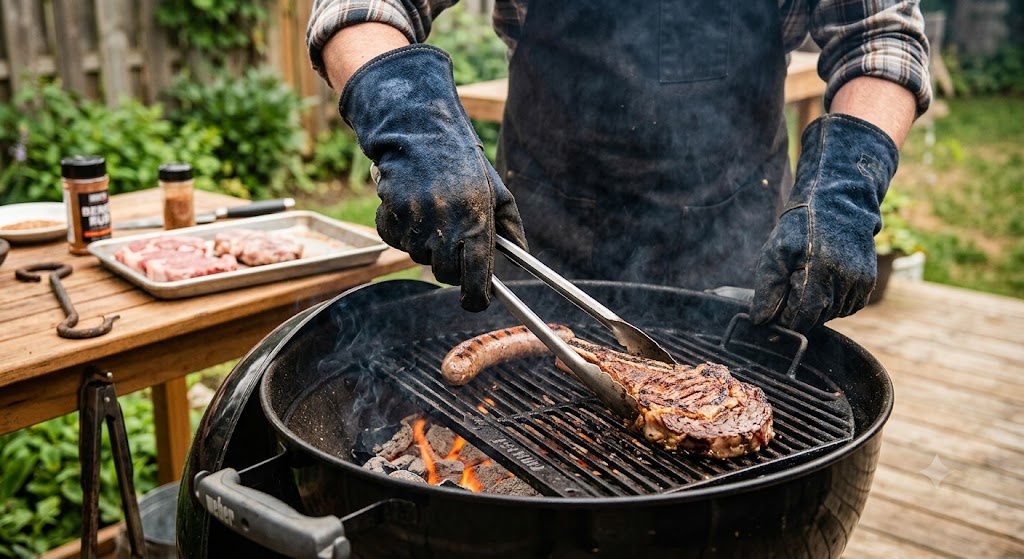
The first time I reached for my welding gloves to pull a cast iron pan off a hot grill grate, it was pure convenience. They were hanging right there on the hook next to the garage door. What started as a shortcut turned into a genuine question I have thought about since: are welding gloves actually a good choice for grilling and barbecue, or is it just a case of using the tool that happens to be within arm’s reach? The answer is more nuanced than the internet’s enthusiasm for the crossover suggests.
Can Welding Gloves Be Used for Grilling?
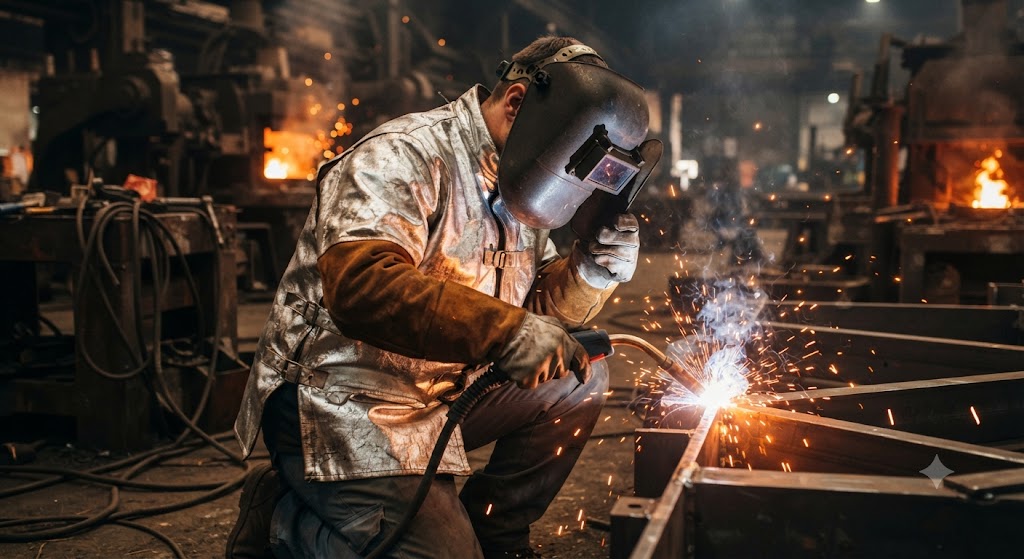
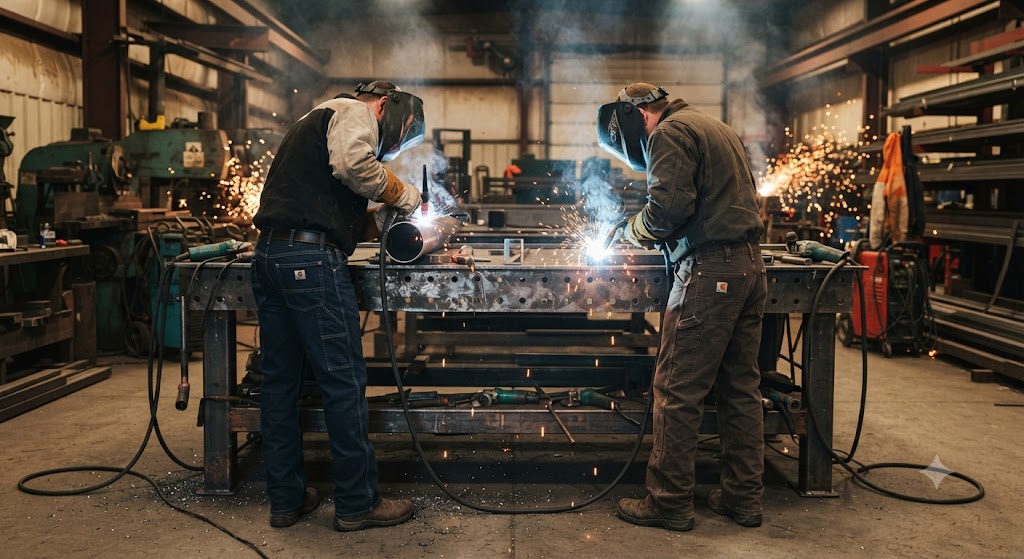
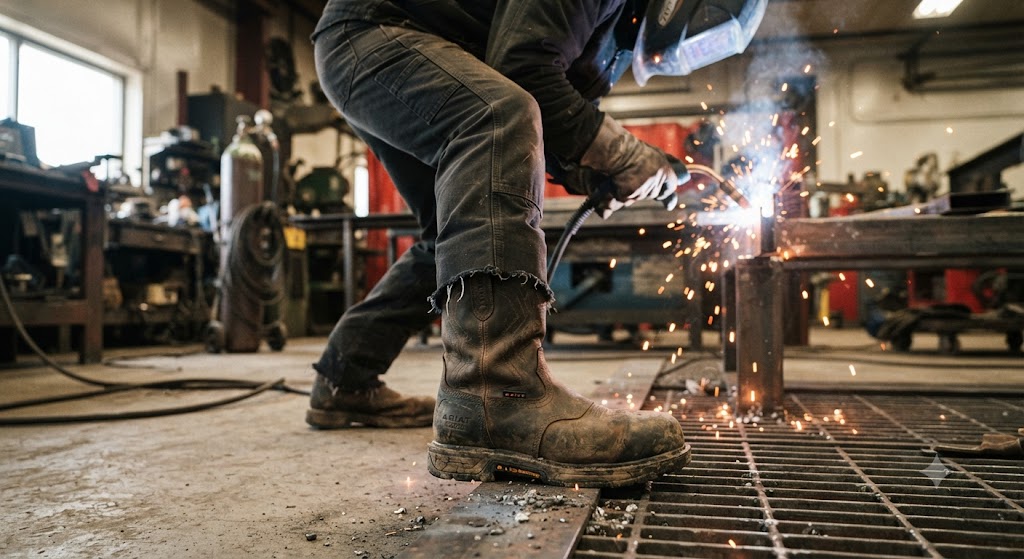
Yes, welding gloves can be used for grilling, and in several respects they are genuinely well suited to it. Welding gloves are built from thick leather, usually cowhide or a cowhide split, designed to protect against radiant heat, sparks, and brief contact with hot metal. That is a reasonable overlap with what you need at a grill: protection from grate heat, the ability to move hot grates and cast iron, and a barrier against flare-ups.
The long gauntlet cuff on a welding glove is the standout advantage. Most dedicated grill gloves stop at the wrist or just past it. A welding glove’s cuff extends several inches up the forearm, which is exactly the area that gets scorched when you reach across a hot grill or into a smoker to adjust a lower rack. For anyone who has singed forearm hair reaching into a kettle grill, the extended cuff is a real benefit.
Where Welding Gloves Fall Short for BBQ
The limitations show up around dexterity, food safety, and moisture.
Dexterity. Welding gloves are thick and stiff, especially when new. Handling small items, turning delicate food, or manipulating tongs and tools with precision is harder in a stiff leather gauntlet than in a fitted grilling glove. For managing large cuts, moving grates, and handling cast iron, this is not a problem. For fine work at the grill, it is a real limitation.
Food contact and hygiene. This is the most important caveat. Welding gloves are made of untreated or minimally treated leather that is porous and cannot be washed. Leather absorbs grease, food juices, and moisture, and it cannot be sanitized the way a silicone or washable fabric glove can. You should never handle food directly with welding gloves, and you should be conscious that a glove used in a metalworking environment may carry metal dust, oils, or other shop contaminants. Keep a dedicated pair for grilling if you go this route, and never cross-use a glove that has been in your welding rotation.
Moisture and steam. Leather and water do not mix well. Steam from opening a smoker or lifting a lid off a pot can penetrate leather and, in a worst case, cause a steam burn if the glove becomes saturated. Leather also stiffens and degrades with repeated wet-dry cycles. Grilling is a drier activity than boiling or steaming, so this is a moderate concern rather than a dealbreaker, but it is worth understanding.
Are Welding Gloves Safer Than Dedicated BBQ Gloves?
It depends on the task. For high-radiant-heat situations, moving hot grates, managing a fire, handling a chimney starter, or reaching deep into a smoker, welding gloves offer more coverage and more thermal mass than most consumer grill gloves. For direct food handling, precision tasks, and anything involving moisture, purpose-made BBQ gloves (heat-resistant silicone or aramid-fiber food-grade gloves) are the safer and more hygienic choice.
The honest conclusion is that welding gloves excel at the fire-and-metal side of barbecue and are poorly suited to the food-and-precision side. Many serious pitmasters keep both: leather gauntlet gloves for fire and grate management, food-safe gloves for handling and pulling.
What to Look For If You Buy Welding Gloves for Grilling
- Heat resistance rating. Look for gloves rated for sustained radiant heat. A quality leather welding glove handles grill and smoker temperatures comfortably for the brief contact times involved.
- Leather gauntlet length. A longer cuff protects more forearm. For reaching into deep smokers, longer is better.
- Full leather construction. For grill use, all-leather gloves resist flare-ups better than gloves with fabric backs.
- A dedicated pair. Buy a separate pair for grilling and keep it out of your metalworking rotation for hygiene reasons.
Browse leather welding gloves on Amazon
The Bottom Line
Welding gloves are a legitimate and often superior choice for the fire management side of grilling and smoking, thanks to their thick leather and long protective cuffs. They are a poor choice for direct food handling and moist-heat situations because leather cannot be sanitized and does not handle steam well. If you want one glove for managing hot grates, coals, and cast iron, a dedicated pair of leather welding gloves is a smart, durable pick. Keep a food-safe glove on hand for the rest.
Frequently Asked Questions
Can welding gloves be used for grilling? Yes, particularly for handling hot grates, cast iron, chimney starters, and managing fire. Their thick leather and long cuffs protect well against radiant heat. Avoid using them for direct food handling.
Are welding gloves safer than dedicated BBQ gloves? For high-heat fire and grate management, welding gloves often offer more coverage and thermal protection. For food handling, precision tasks, and moist heat, dedicated food-safe BBQ gloves are safer and more hygienic.
Do welding gloves hold up to grease and food use? Leather welding gloves absorb grease and cannot be washed or sanitized. They hold up structurally but become soiled over time and should never be used for direct food contact. Keep a dedicated pair for grilling.
Will steam from a smoker burn through welding gloves? Leather resists brief steam exposure but can become saturated and transfer heat if soaked. Grilling is generally dry enough that this is a minor concern, but avoid using leather gloves for steaming or boiling tasks.
Should I use the same welding gloves for my shop and my grill? No. Metalworking gloves can carry metal dust, oils, and shop contaminants. Keep a separate dedicated pair for grilling to avoid transferring anything to your cooking area.
References
https://www.osha.gov https://www.tillman.com https://www.lincolnelectric.com
SEO Title: Welding Gloves for Grilling and BBQ Repurposing Guide