welding half jacket
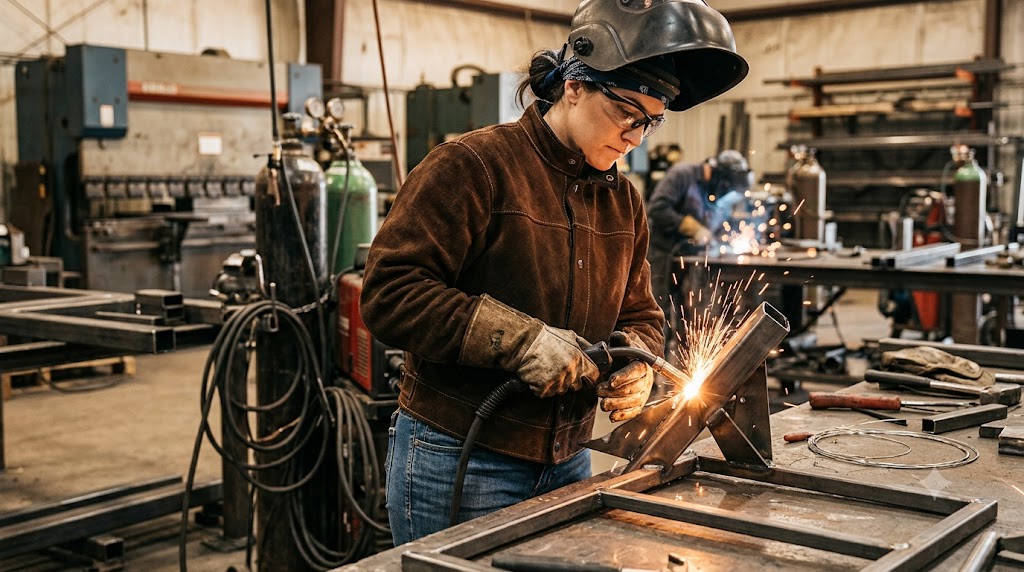
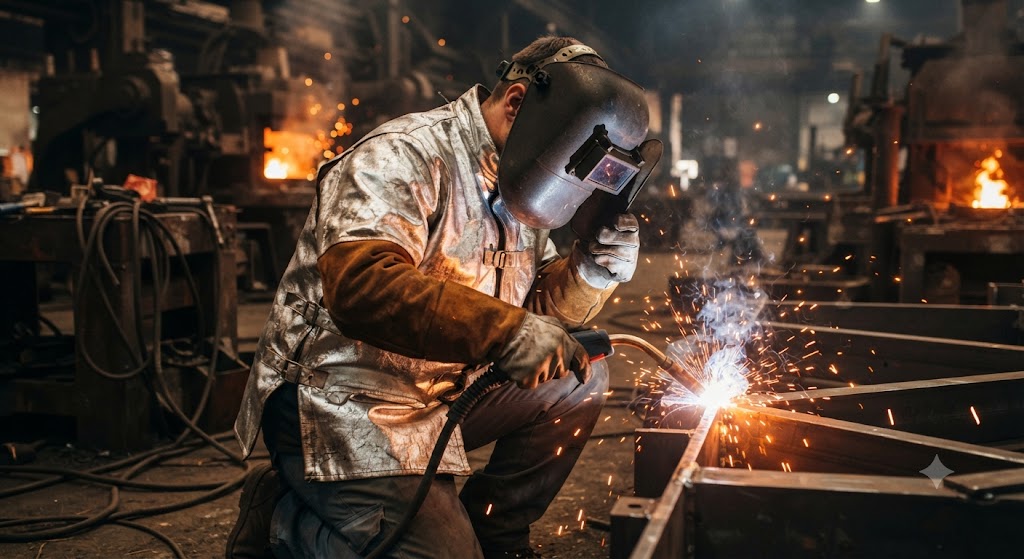
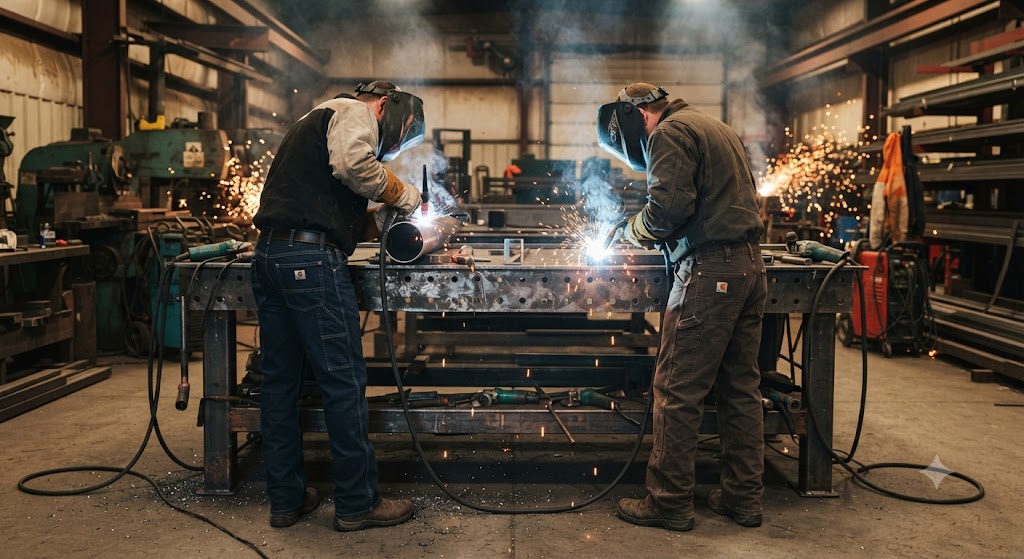
Picture the middle of a summer afternoon in a shop with no air conditioning, sparks bouncing off your forearms while sweat pools inside a heavy full jacket you stopped zipping an hour ago. That is the exact moment a welding half jacket starts to make sense. If you run hot, weld in short bursts, or spend more time on your arms and chest than your legs, a half jacket setup keeps the spatter off the skin that actually gets hit while letting the rest of you breathe. You get real leather protection where you need it and open air everywhere else, which is why so many welders reach for a cape sleeve and bib combo instead of buttoning up head to waist.
What a welding half jacket actually is
The term “welding half jacket” gets used loosely, so let us pin it down. In practice it usually means a leather cape sleeve paired with a detachable bib. The cape sleeve covers both arms and drapes over your shoulders and upper back like a short poncho. The bib snaps or ties on underneath to shield your chest and stomach. Together they guard the zones most exposed to overhead and out of position spatter while leaving your lower back, waist, and legs uncovered.
There is a close cousin worth knowing: standalone welding sleeves. These cover only the arms, held in place by a sling strap across the back or by elastic at the wrist and bicep. They give you the least coverage and the most airflow. Between full jackets, cape and bib combos, and bare sleeves, you are really choosing how much of your torso you want to trade for comfort. Leather remains the standard material here because it resists burn through, sheds spatter, and holds up to grinding sparks better than most flame resistant cotton.
Who should buy a half jacket and who should skip it
Buy a cape sleeve with bib if you MIG or stick weld out of position, work overhead, or overheat in a full jacket during warmer months. It is also a smart pick if you already wear a leather apron and want arm and chest coverage that layers cleanly on top.
Reach for a full jacket instead if you TIG at close range with your torso square to heavy UV, if you grind aggressively and want your sides and lower back covered, or if you weld in a cold shop where the extra layer is welcome. A half jacket leaves your flanks and waist exposed, so heavy production work with constant spatter showers is not its strong suit.
Best welding cape sleeve and bib combo
For most people wanting a true half jacket, the Black Stallion 220CS cowhide welding cape sleeve with 20 inch bib combo is the one to beat. The full grain cowhide takes spatter well, the 20 inch bib reaches far enough down the chest for out of position work, and the cape cut gives your shoulders room to move without binding at the armpit.
Named flaw: the bib is on the shorter side compared to a full jacket front, so aggressive overhead work can still send spatter under the hem toward your waist. Who should skip it: if you weld overhead all day or need your entire torso sealed off, a full jacket serves you better. For everyone splitting time between flat and out of position welds, this combo hits the sweet spot.
Best leather welding sleeves with a sling strap
When you want arm protection without anything across your chest, the Black Stallion 23SLV split cowhide welding sleeves with sling strap are the pick. The split cowhide is supple enough to bend at the elbow without fighting you, and the sling strap keeps both sleeves anchored across your back so they do not creep down mid bead.
Named flaw: the sling strap sits against your shirt and can shift if you are constantly reaching overhead, forcing an occasional readjustment. Who should skip it: welders who need chest coverage should pass, since sleeves alone leave your torso open. These are for the person who mostly needs to keep spatter off the forearms while staying cool.
Best budget leather welding sleeves
If you want leather on your arms without stretching your setup, the QeeLink leather welding sleeves cover the basics. They use elastic at both ends to stay put, the leather resists burn through far better than cotton sleeves, and they slip on and off fast between tasks.
Named flaw: the elastic wrist and bicep bands can loosen over months of heavy use, and the fit runs tight on larger arms. Who should skip it: anyone with big forearms or anyone who needs a back strap system for all day wear will find these limiting. For light to medium duty and occasional welding, they punch above their weight.
A leather cape sleeve worth knowing about
Also worth naming is the Tillman 322114 leather welding cape sleeve with 14 inch bib. It follows the same cape and bib formula with a shorter 14 inch bib, which some welders prefer for lighter, cooler coverage when out of position spatter is not a constant concern. Consider it if you want the half jacket concept with a trimmer front.
How to choose the right coverage
Match the gear to your body position and your heat tolerance. If your work throws spatter at your chest and shoulders, prioritize a longer bib. If your arms take the abuse and your torso stays clear, sleeves alone will do. Sizing matters more than it seems: leather that is too tight restricts your elbow and shoulder, while leather that is too loose lets sparks find the gaps. Follow the manufacturer sizing guidance from makers like Black Stallion (Revco Industries) and Tillman rather than guessing, and confirm the leather weight suits your process. General personal protective equipment guidance from OSHA and welding safety standards published by the American Welding Society (AWS) both stress matching protective clothing to the actual hazard and process, and research from NIOSH underscores skin and respiratory protection during hot work.
Comparison table
| Product | Type | Coverage | Best for | Named flaw |
| Black Stallion 220CS | Cape sleeve plus 20 inch bib | Arms, shoulders, upper chest | Out of position and mixed welding | Bib can leave the waist exposed overhead |
| Black Stallion 23SLV | Leather sleeves with sling strap | Both arms | Cool comfort with arm only protection | Strap can shift during overhead reaching |
| QeeLink sleeves | Budget leather sleeves | Both arms | Light to medium duty on a tight setup | Elastic loosens over time, tight on big arms |
| Tillman 322114 | Cape sleeve plus 14 inch bib | Arms, shoulders, partial chest | Lighter, cooler cape coverage | Shorter bib means less chest protection |
The bottom line
A welding half jacket is the answer when a full jacket feels like too much and bare arms feel like too little. For the widest usefulness, the Black Stallion 220CS cape and bib combo covers the zones that get hit while keeping you cooler than a full jacket. If your chest stays clear and only your arms need shielding, the Black Stallion 23SLV sleeves with a sling strap or the budget friendly QeeLink sleeves get the job done. Pick your coverage by where the sparks actually land, size the leather so it moves with you, and you will weld longer and more comfortably through the hot months.
FAQ
What is the difference between a welding half jacket and a cape sleeve with bib? They usually describe the same thing. A half jacket in welding terms is typically a leather cape sleeve that covers the arms and shoulders combined with a detachable bib that protects the chest, leaving the lower torso open.
Are leather welding sleeves enough on their own? For arm only exposure, yes. Sleeves protect your forearms and biceps from spatter and sparks, but they leave your chest and stomach uncovered, so add a bib or apron if your torso takes hits.
Why choose a half jacket over a full jacket? A half jacket runs cooler and lighter while still protecting the arms and upper chest. Welders who overheat, work in warm shops, or weld in short sessions often prefer the extra airflow.
When is a full jacket the better choice? Choose a full jacket for heavy overhead work, constant spatter showers, aggressive grinding, close range UV exposure, or cold shop conditions where full torso and lower back coverage matters.
Is cowhide better than split cowhide for welding gear? Full grain cowhide tends to be more durable and spatter resistant, while split cowhide is often more flexible and lighter. Both protect well, so the choice comes down to comfort versus longevity for your work.
How should a welding cape sleeve fit? It should allow full elbow and shoulder movement without gaping open at the neck or armpit. Too tight restricts your motion, too loose lets sparks reach your skin. Follow the manufacturer sizing chart for the best result.
Can I wear a half jacket with a leather apron? Yes, and many welders do. A cape sleeve or sleeves layered over a leather apron covers arms, chest, and lap while keeping your back and sides ventilated.
References
- Black Stallion (Revco Industries), manufacturer product and sizing information
- Tillman, manufacturer product information
- Occupational Safety and Health Administration (OSHA), personal protective equipment guidance
- American Welding Society (AWS), welding safety and protective clothing standards
- National Institute for Occupational Safety and Health (NIOSH), hot work and welding safety research