A Practical Look at Welding Jackets: Materials, Fit and Care
The welding jacket is the one piece of protective clothing most welders wear more than any other, and choosing the right one shapes whether you are comfortable or miserable all day. Too light and the sparks get through; too heavy and you cook in a warm shop. The trick is matching the jacket, its material, weight and fit, to the work you actually do. Get it right and you barely notice you are wearing it; get it wrong and it lives on a hook. Here is a practical look at welding jackets: the materials, the fit, and the care that makes one last.
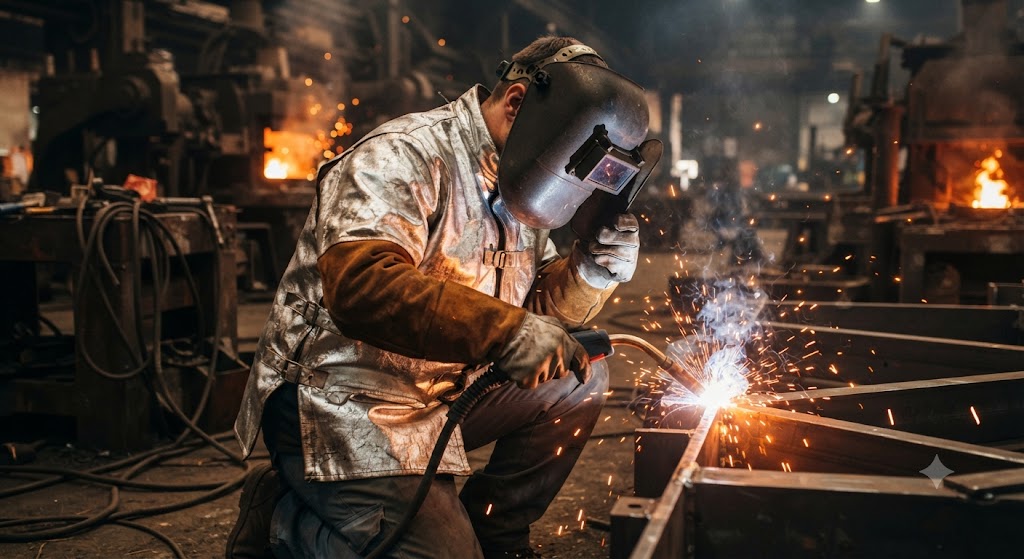
What a welding jacket protects against
A jacket shields your torso and arms from:
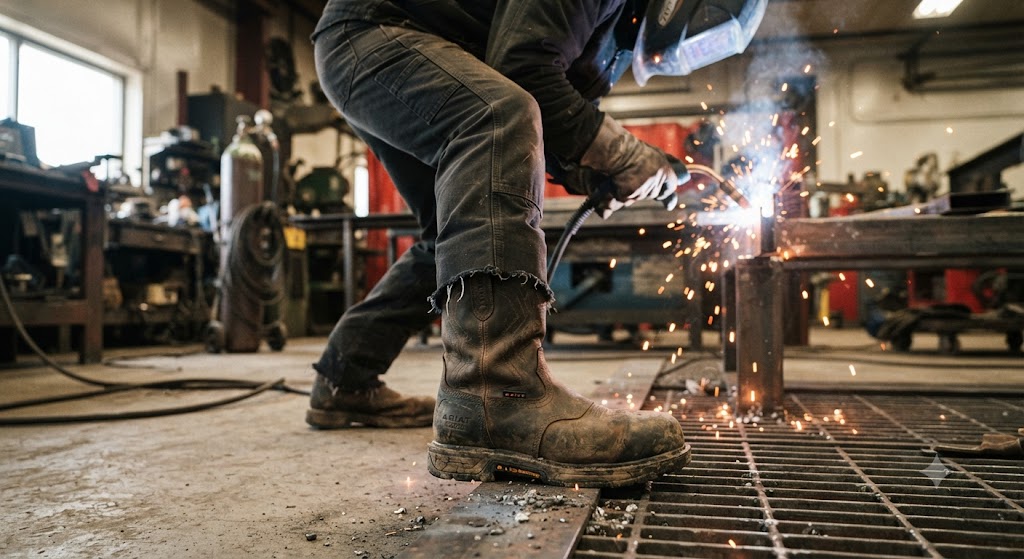
- Sparks and spatter thrown by the arc, especially in MIG and stick welding.
- Radiant heat from the arc and hot metal.
- UV exposure from the arc, which can burn skin like sunburn.
- Grinding debris and hot slag during finishing work.
The more heat and spatter your work throws, the more protection, and the more material, you need.
The three main types
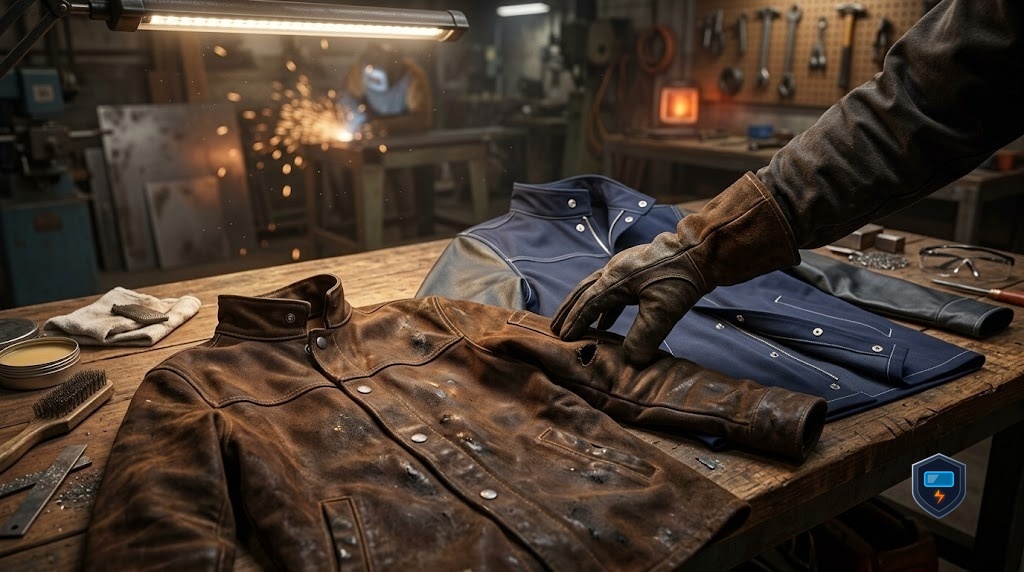
- Leather jacket: the most protective, shrugging off heavy spatter and radiant heat. Best for stick welding, heavy MIG, gouging and out-of-position work. The trade-off is weight and heat retention.
- FR cotton jacket: lightweight and breathable flame-resistant cotton, comfortable for light-to-medium welding and hot shops. Less protective against heavy spatter than leather.
- Hybrid jacket: leather sleeves and shoulders (where sparks hit) with an FR cotton back for airflow. A popular middle ground balancing protection and comfort.
Choose leather for the hottest work, FR cotton for lighter work and comfort, and hybrid when you want both.
Leather and fabric choices
- Split cowhide: thick, tough, heat-resistant, the leather standard.
- Grain leather: smoother and more supple with good abrasion resistance.
- Pigskin: lighter than cowhide while still protective.
- FR cotton: flame-resistant treated or inherent cotton, measured in ounces (heavier weaves protect more).
Fit and mobility
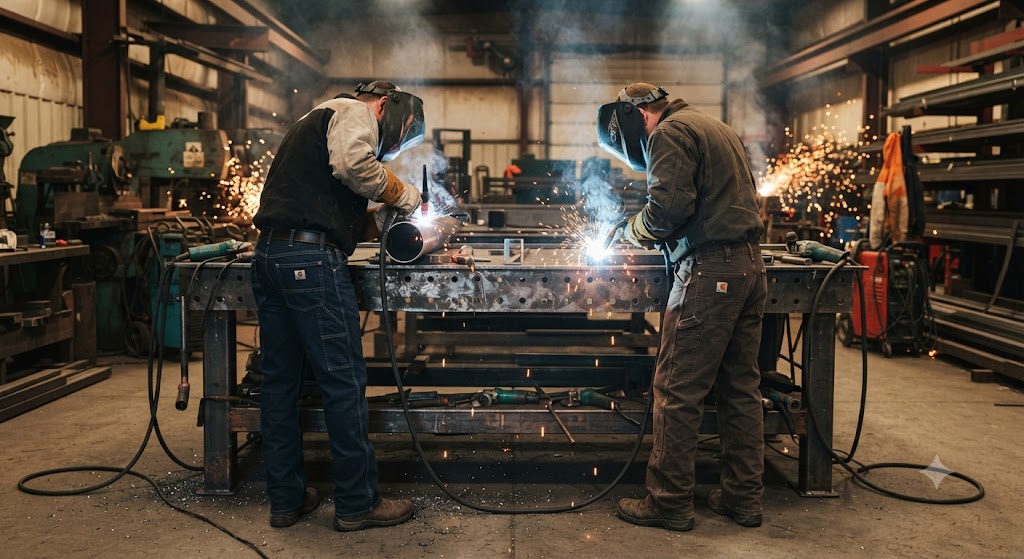
A jacket you can move in is a jacket you will wear:
- Room to reach and bend without binding, especially across the shoulders.
- Ergonomic or expandable sleeves for arm movement.
- Welder’s collar: a stand-up collar that closes the gap between jacket and helmet against sparks.
- Spatter-guard closures: a liner behind the snaps to stop sparks sneaking through the front.
- Length: enough torso coverage to stay protected when you bend or reach overhead.
Kevlar stitching and durability
Look for Kevlar or Nomex stitching, heat-resistant thread that will not burn out at the seams where ordinary thread fails. With quality material and reinforced high-wear areas, it is the difference between a jacket that lasts years and one that comes apart in a season.
Care
- Leather: keep it dry, spot-clean rather than soak, store hung, and never machine wash.
- FR cotton: launder per the label; avoid bleach, fabric softeners and starch, which degrade FR treatments.
- Both: inspect seams, closures and high-wear spots, and retire a jacket once material is burned through or seams fail.
Proven picks
- Heavy leather: the Lincoln Electric Heavy Duty Leather Welding Jacket (K2989), full split-cowhide protection with a breathable back.
- Split-leather sleeved: the Lincoln Electric Shadow Split Leather Sleeved Jacket (K2986) for durable arm protection with breathability.
- FR cotton: the Black Stallion F9-30C FR cotton welding jacket, a lightweight flame-resistant option with a welder’s collar.
- Value full leather: the QeeLink Split Cowhide Leather Welding Jacket with Kevlar stitching.
The verdict
A welding jacket is your core upper-body protection, and the right one balances protection against comfort for the work you actually do, not just the toughest job imaginable.
Three things to hold onto. Choose the type for your work, leather for the hottest, sparkiest and out-of-position welding, FR cotton for lighter work and hot shops, and a hybrid to get some of both. Prioritize fit and a welder’s collar, since a jacket you can move in, with a collar and spatter-guard closures, is one you will actually keep on. And insist on Kevlar stitching and correct care, so heat-proof seams and proper cleaning keep the jacket protecting for years.
Match the jacket to your welding, wear it because it fits, and it becomes the piece of gear you never think twice about.
Frequently asked questions
What type of welding jacket should I get? Choose leather for the hottest, sparkiest work and out-of-position welding, FR cotton for lighter work and comfort in hot shops, and a hybrid (leather sleeves, FR cotton back) when you want protection and breathability together. Match the type to how much heat and spatter your welding actually throws.
Is a leather or FR cotton welding jacket better? Leather protects better against heavy spatter, radiant heat and out-of-position sparks, and lasts longer in harsh work, but is heavier and warmer. FR cotton is lighter and more breathable, better for light-to-medium welding and hot shops. Many welders own both and choose by the day’s job.
What is a welder’s collar? A stand-up collar that adds protective material to close the gap between your jacket and helmet, blocking sparks and slag from reaching your neck. Nearly all serious welding jackets, leather or FR cotton, include one, and it is worth confirming a jacket has it before buying.
Why does Kevlar stitching matter? Kevlar (or Nomex) is heat-resistant thread that will not burn out at the seams the way ordinary thread can. It keeps the jacket together under radiant heat and spatter, so seams do not fail and expose you. It is a key mark of a durable, serious jacket.
How should a welding jacket fit? With room to reach, bend and work overhead without binding, especially across the shoulders. Look for ergonomic or expandable sleeves and enough torso length to stay covered when you move. A jacket that restricts you is tiring and less safe, and tends to end up unused on a hook.
Can I wash a welding jacket? Leather jackets should not be machine washed; spot-clean, keep them dry and store them hung. FR cotton jackets can usually be laundered per the label, but avoid bleach, fabric softeners and starch, which degrade FR treatments. Always follow the specific garment’s care instructions to preserve protection.
How long does a welding jacket last? With proper care, a quality leather jacket can last many years, while FR cotton jackets vary with fabric and use. Lifespan depends on how much heat and spatter it takes and how well it is cared for. Retire any jacket once the material is burned through or the seams fail.
Do I need a jacket for MIG welding? Yes. MIG throws significant spatter and the arc emits radiant heat and UV, so bare skin or an ordinary shirt is not safe. An FR cotton or hybrid jacket is comfortable for general MIG work, while heavy, high-spatter MIG benefits from leather. Upper-body protection is essential for the process.
References
- Lincoln Electric, Welding jackets overview
- Black Stallion (Revco), Welding jackets
- American Welding Society, Safety and health fact sheets