What Is a Root Pass in Welding? Explained
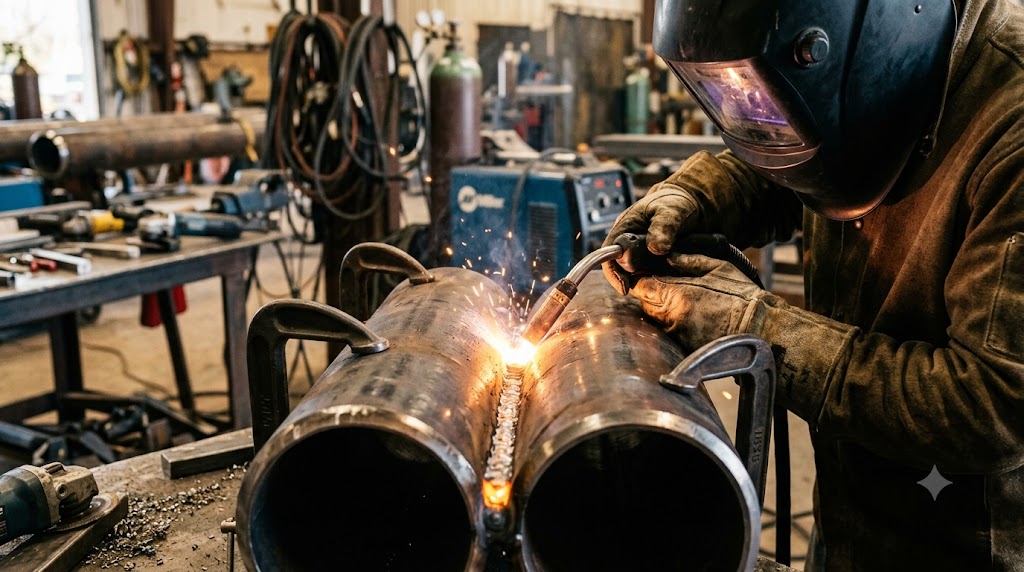
Ask an experienced pipe welder which pass matters most and you will hear the same answer: the root. It is the first pass laid into a joint, and it sets the fate of everything on top of it. Get the root right and the rest of the weld comes together. Get it wrong and you get lack of fusion, leaks, or a failed X-ray, no matter how pretty the fill and cap look. This explainer covers what a root pass is, why it is so important, how it fits into the sequence of passes, and what makes it difficult.
A root pass is the first weld pass made in a joint, deposited at the root (the bottom or deepest part) of the joint. It forms the foundation of the weld and establishes penetration through the joint. Here is why it matters so much.
Where the root pass fits
The root pass is the base layer of a multipass weld:
- It is the first pass made in the joint.
- It sits at the root, the bottom or deepest part of the joint.
- It establishes penetration through the joint.
- Everything else builds on it, the hot, fill, and cap passes on top.
Because it is the foundation, its quality decides the quality of the whole weld.
Direct answer: what a root pass is and why it matters
Here are the essentials:
- The root pass is the first pass laid into the joint.
- It is deposited at the root of the joint, the deepest point.
- Its job is penetration and fusion all the way through the joint.
- It is the foundation the rest of the weld builds on.
- Defects in the root (lack of fusion, lack of penetration) are serious and hard to fix later.
Get the root right and you have a sound base; get it wrong and the whole weld is compromised.
Why the root pass is so important
The root pass matters because it is where the weld either achieves full penetration and fusion or does not, and that is the foundation for the joint’s strength and integrity. On a full penetration weld, especially on pipe, the root pass is what fuses the two pieces together at the very bottom of the joint, so if it lacks fusion or penetration, there is a built-in flaw at the root that no amount of fill on top can repair. That is why root defects are so serious: a bad root shows up later as leaks in a pressure line, cracks starting from the root, or a failed radiographic test. The root also has to be sound because it often sees the most concentrated stress. In short, the root pass sets the stage; every pass after it only reinforces and shapes the weld, but none of them can substitute for a properly fused root.
The root pass and the passes that follow
On thicker joints, welds are built up in several passes, and the root pass is just the first of a sequence. After the root comes the hot pass, a second pass laid right over the root that ties in and reinforces it, often burning out any small slag or imperfections at the root and adding strength. Then come the fill passes, which build the joint up toward full thickness, and finally the cap pass, which is the top layer that completes the weld profile and gives it its finished appearance. Each pass has a role: the root establishes penetration, the hot pass secures it, the fill adds thickness, and the cap finishes the surface. This root, hot, fill, cap sequence is standard in pipe welding, where multipass welds are the norm. On a thin single-pass fillet weld, that one pass is technically the root pass, but the multipass sequence is where the terms really come into play.
Why the root pass is difficult
The root pass has a reputation as the hardest pass to master, and for good reason. It has to achieve consistent, complete penetration through the joint without too much or too little, all while the welder often cannot see the underside where the penetration is happening. Too little heat and you get lack of penetration or fusion at the root; too much and you can blow through, creating burn-through or excessive reinforcement (icicles) hanging inside a pipe. Controlling this balance takes steady technique, correct amperage, the right travel speed, and good joint preparation, an accurate root gap and bevel, and clean tacks. Pipe welders often use specific techniques, like a keyhole method where a small hole at the root ensures penetration as filler is added, to keep the root consistent. The difficulty is exactly why the root pass is a proving ground for welder skill and why so much attention goes into getting it right.
The bottom line
A root pass is the first pass laid into a joint, deposited at the root, and it is the single most important pass in the weld because it establishes the penetration and fusion the whole joint depends on. Defects in the root, lack of fusion or penetration, are serious and cannot be fixed by the passes on top, showing up later as leaks, cracks, or failed tests. In multipass welds the root is followed by the hot pass, fill passes, and cap pass, each with its own role, but none can substitute for a sound root. It is also the hardest pass to run, demanding consistent penetration you often cannot see, which is why the root pass is the true measure of a welder’s skill. Nail the root, and the rest of the weld follows.
FAQ
What is a root pass in welding? A root pass is the first weld pass made in a joint, deposited at the root, which is the bottom or deepest part of the joint. Its job is to establish penetration and fusion all the way through the joint, forming the foundation that the rest of the weld builds on. In multipass welds it is followed by the hot, fill, and cap passes.
Why is the root pass the most important? Because it is where the weld achieves full penetration and fusion at the bottom of the joint, and that determines the joint’s strength and integrity. If the root lacks fusion or penetration, there is a built-in flaw that the passes on top cannot repair, which shows up later as leaks, cracks, or a failed test. The root is the foundation everything else relies on.
What is the difference between a root pass and a hot pass? The root pass is the first pass, establishing penetration at the bottom of the joint. The hot pass is the second pass, laid right over the root to tie in and reinforce it, often burning out small imperfections and adding strength. The root creates the foundation; the hot pass secures and builds on it before the fill passes add thickness.
What order do welding passes go in? On a multipass weld, the order is root, hot pass, fill passes, then cap. The root establishes penetration, the hot pass reinforces the root, the fill passes build the joint up toward full thickness, and the cap is the final top layer that completes the profile and appearance. This sequence is standard in pipe welding.
Why is the root pass so hard to weld? Because it must achieve consistent, complete penetration through the joint without too much or too little, and the welder often cannot see the underside where penetration happens. Too little heat causes lack of penetration; too much causes burn-through. Balancing amperage, travel speed, and good joint preparation takes skill, which is why the root pass is considered a true test of a welder.
Does a single-pass weld have a root pass? Technically yes. On a thin joint welded in one pass, such as a small fillet weld, that single pass is the root pass, since it is the first (and only) pass in the joint. The term root pass is used most in multipass welding, where it is distinguished from the hot, fill, and cap passes that follow, but the first pass in any joint is the root.
References
- American Welding Society forum references defining root pass and weld root (industry), aws.org.
- Lincoln Electric and Miller Electric pipe welding resources on root, hot, fill, and cap passes (manufacturers), lincolnelectric.com, millerwelds.com.
- Red-D-Arc, multipass welding techniques and passes (industry), red-d-arc.com.