What Is Metal Fume Fever? Causes and Why Respiratory Protection Matters
A welder finishes a job on galvanized steel, feels fine, then hours later comes down with chills, a fever, and aches like a bad case of the flu. By the next morning it has passed. That is metal fume fever, a real occupational illness with a nickname that undersells it: some call it the “welding flu” or “Monday fever.” It is temporary, but it is a warning sign you are breathing something you should not be. This explainer covers what metal fume fever is, what causes it, its symptoms, and why respiratory protection matters so much.
Metal fume fever is a flu-like illness caused by inhaling metal oxide fumes produced during welding, most often zinc oxide from welding galvanized (zinc-coated) steel. Symptoms are delayed, temporary, and a clear sign of overexposure. Here is what you need to know.
What metal fume fever is
Metal fume fever is an illness from breathing metal fumes:
- It is a flu-like reaction to inhaled metal oxide fumes.
- It most often comes from zinc oxide, from welding galvanized steel.
- Symptoms are delayed, appearing hours after exposure.
- It is temporary, typically resolving within a day or two.
It is your body reacting to fumes it should never have inhaled, which is exactly why it is worth preventing.
Direct answer: causes and key facts
Here are the essentials:
- The cause is inhaling metal oxide fumes, most commonly zinc oxide.
- Zinc comes from galvanized steel, whose zinc coating vaporizes when welded.
- Symptoms are flu-like: fever, chills, aches, headache, cough, metallic taste.
- Onset is delayed, usually several hours after exposure.
- It is temporary, generally clearing within 24 to 48 hours.
The pattern, flu symptoms hours after welding coated metal, is the classic signature of metal fume fever.
What causes metal fume fever
Metal fume fever is caused by breathing in fine metal oxide fumes created by the heat of welding, and the most common culprit by far is zinc oxide. Zinc becomes a problem when welding galvanized steel, which is steel coated with zinc to protect it from rust. The intense heat of welding vaporizes that zinc coating, and the vapor reacts with air to form fine zinc oxide particles that the welder then inhales. Those submicron particles reach deep into the lungs and trigger an inflammatory reaction, which is the fever. While zinc oxide from galvanized steel is the classic and most common cause, other metals in fumes can cause similar or worse reactions. This is why welding on galvanized, coated, or plated metals demands extra caution: the coating is exactly what turns into the harmful fume when heated.
Symptoms and how long it lasts
Like welder’s flash, metal fume fever has delayed symptoms, typically starting several hours after the exposure rather than during welding. The symptoms mimic the flu: fever and chills, muscle and joint aches, headache, fatigue, nausea, and a cough, and many people notice a sweet or metallic taste in the mouth around the time of exposure. A low-grade fever (usually not high) is common. The good news is that it is self-limiting and temporary: symptoms generally resolve on their own within about 24 to 48 hours, often overnight, without lasting harm. There is also a well-known pattern where welders build a short-lived tolerance during the workweek and lose it over the weekend, so symptoms hit hardest returning to work after time off, which is why it is nicknamed “Monday fever.” Even though it passes, recurring metal fume fever is a clear signal of ongoing overexposure that needs to be fixed, and severe symptoms or exposure to more toxic metals warrant medical evaluation.
Why respiratory protection matters
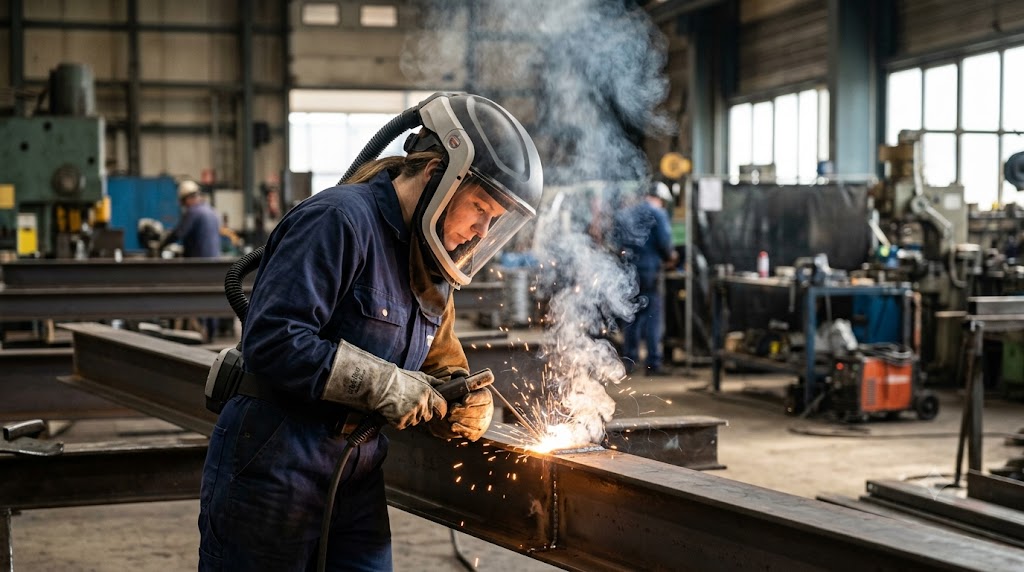
Metal fume fever is a loud warning that you are inhaling welding fume, and the deeper reason to take it seriously is that welding fumes can contain much more than zinc. Depending on the metal and coatings, fumes may include manganese, hexavalent chromium (from stainless), cadmium, and other substances with serious health effects, some far worse and longer-lasting than the temporary illness of metal fume fever. So protecting your lungs is about both avoiding the immediate illness and guarding against long-term harm. The first line of defense is keeping fume out of your breathing zone: use good ventilation and, ideally, local fume extraction that captures fume right at the arc, and always keep your head out of the plume. When ventilation alone is not enough, respiratory protection is used, and the level should match the hazard; a properly fitted respirator rated for welding fume (a particulate respirator, with higher-efficiency filtration such as a P100 preferred for more toxic metals like zinc, manganese, or hexavalent chromium) provides protection. Regulators like OSHA set exposure limits for substances such as zinc oxide, which underscores that fume control is a real safety requirement, not an optional extra. The safest habit is to control the fume at the source, keep out of the plume, and use appropriate respiratory protection whenever fume exposure is a concern.
The bottom line
Metal fume fever is a temporary, flu-like illness caused by inhaling metal oxide fumes, most often zinc oxide released when welding galvanized (zinc-coated) steel. Its symptoms, fever, chills, aches, headache, cough, and a metallic taste, are delayed by several hours and usually clear within a day or two, and welders often notice they hit hardest after time off (“Monday fever”). Although it passes on its own, it is a clear warning that you are breathing fume you should not be, and welding fumes can contain far more dangerous substances than zinc, with lasting effects. That is why respiratory protection matters: control the fume with ventilation and extraction, keep your head out of the plume, and use an appropriate, well-fitted respirator when needed. Take fume seriously and metal fume fever becomes a problem you prevent rather than endure.
FAQ
What causes metal fume fever? Metal fume fever is caused by inhaling fine metal oxide fumes created by the heat of welding, most commonly zinc oxide. Zinc comes from welding galvanized (zinc-coated) steel, whose coating vaporizes and reacts with air to form fine particles that reach deep into the lungs and trigger an inflammatory reaction. Other metals in welding fume can cause similar effects.
What are the symptoms of metal fume fever? Symptoms are flu-like: fever and chills, muscle and joint aches, headache, fatigue, nausea, and a cough, often with a sweet or metallic taste in the mouth around the time of exposure. They typically start several hours after welding rather than during it, and a low-grade fever is common. The pattern of flu symptoms hours after welding coated metal is the classic sign.
How long does metal fume fever last? Metal fume fever is temporary and self-limiting. Symptoms generally appear several hours after exposure and resolve on their own within about 24 to 48 hours, often overnight, without lasting harm. That said, recurring episodes signal ongoing overexposure that needs to be corrected, and severe symptoms or exposure to more toxic metals warrant medical evaluation.
Why does welding galvanized steel cause it? Galvanized steel is coated with zinc to prevent rust. The intense heat of welding vaporizes that zinc coating, and the vapor reacts with air to form fine zinc oxide particles. When inhaled, those particles trigger the inflammatory reaction that causes metal fume fever. This is why welding galvanized, coated, or plated metal calls for extra caution and good fume control.
Why is it called Monday fever? Because welders tend to build a short-lived tolerance to the fumes during the workweek and lose it over the weekend or after time off. As a result, symptoms often hit hardest when returning to work after a break, such as on a Monday. This on-and-off pattern of severity is a recognized feature of metal fume fever.
What respiratory protection prevents metal fume fever? The first step is controlling fume at the source with good ventilation and local fume extraction, and always keeping your head out of the plume. When that is not enough, a properly fitted particulate respirator rated for welding fume is used, with higher-efficiency filtration such as a P100 preferred for more toxic metals like zinc, manganese, or hexavalent chromium. Matching protection to the hazard is key.
References
- StatPearls (NCBI Bookshelf), Metal Fume Fever overview (medical), ncbi.nlm.nih.gov.
- OSHA, controlling hazardous fume and gases during welding, and zinc oxide exposure limits (government), osha.gov.
- American Welding Society, Safety and Health Fact Sheet No. 25, Metal Fume Fever (industry), aws.org.