3M Speedglas Welding Helmet: Models and Parts
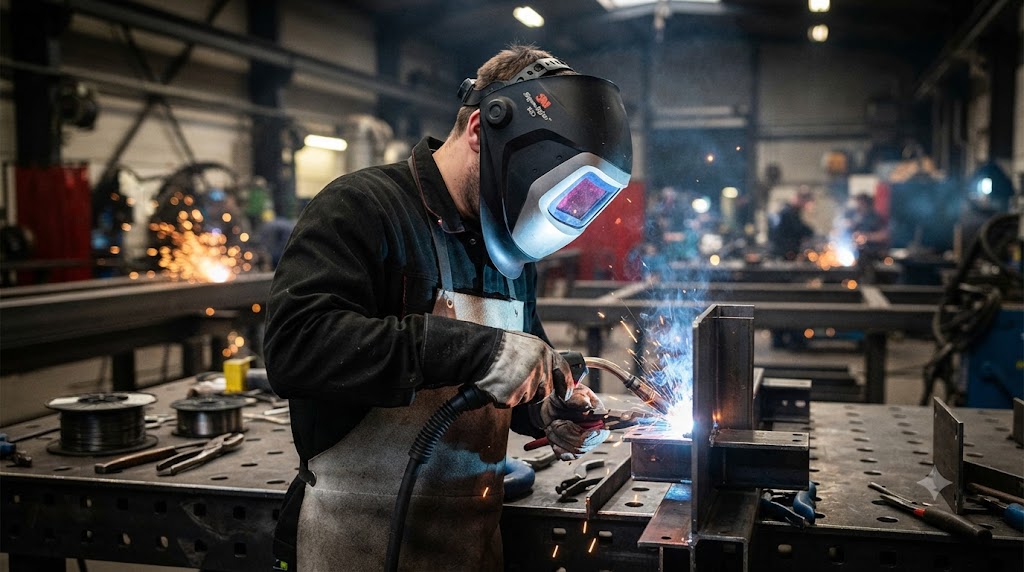
Pick up a Speedglas next to a big-box auto darkening hood and the difference is obvious before you even switch it on. The shell has a density to it, the headgear pivots with intent, and the filter controls feel like instruments rather than afterthoughts. This is 3M building welding protection the way it builds respirators, which is to say for people who wear the thing forty hours a week.
That also means Speedglas is not the helmet you buy to save money. You buy it when comfort over a full shift, filter quality, and the option to add powered respiratory protection are worth paying for.
The lens is the whole argument
Speedglas filters are known for a stable, low-distortion view and a natural color rendering that makes reading the puddle easier than the old green-cast filters ever allowed. On the flagship 9100 platform, the filter also offers a wide viewing area and multiple sensor arrangements so the lens fires reliably across positions.
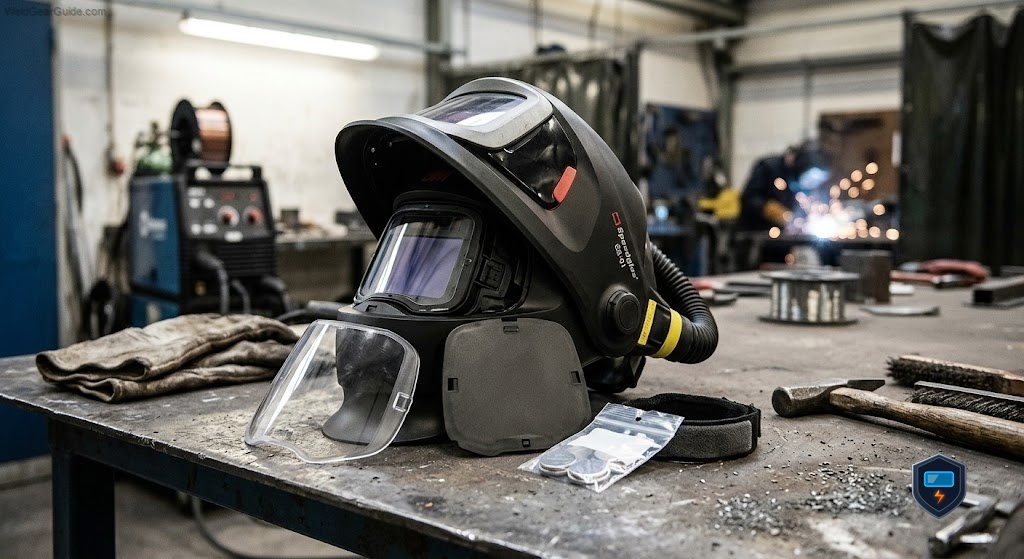
The 9100XXi filter unit sits at the top of the range, with the largest window and the most refined optics 3M offers in this family. A standard 9100 configuration covers the same core strengths at a lower entry point. If you already own a filter and only need the protective outer shell, 3M sells the 9100 shell without the ADF as well as an alternate shell version, which is a genuinely useful option most brands do not offer.
The controls, and what they actually change
Speedglas filters give you the same core adjustments as any good auto darkening lens, but with finer resolution.
Shade sets how dark the lens goes; the 9100 range covers the shades you need from light TIG through heavy stick. Sensitivity decides how faint an arc will trigger the filter, which matters more on a Speedglas because welders often run it near delicate low-amperage TIG. Delay controls how long the lens stays dark after the arc stops, so you can tune it short for tacking and long for hot passes.
The 9100 also offers a switching behavior tuned to reduce eye fatigue, which is the sort of thing you stop noticing precisely because it is doing its job. If your eyes are less tired at the end of a Speedglas day, that is the point.
Where the respirator option fits
The reason many pros choose Speedglas is the path to respiratory protection. The 9100 platform integrates with 3M’s powered air (PAPR) and supplied-air systems, so the same helmet family that protects your eyes can also feed you filtered air. If you weld stainless, galvanized, or anything that puts nasty fume in your breathing zone, that upgrade path is a real reason to buy into the ecosystem rather than a cheaper standalone hood.
That is a separate purchase and a separate decision, but buying a helmet that can grow into it is smarter than buying one that cannot.
Keeping it running
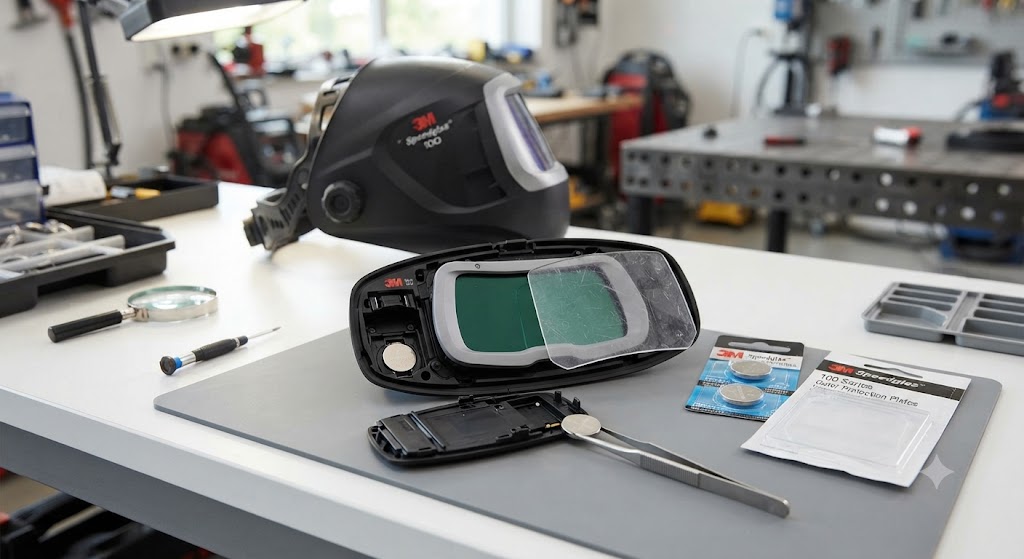
A Speedglas is a long-term tool, and the parts economy reflects that. The consumable you will touch most is the outer protection plate; keep several on hand and change them the moment pitting reaches your line of sight. The 9100 series filter itself is a serviceable unit rather than a throwaway, which is a big part of why these hoods stay in service for a decade.
Headgear pads, sweatbands, and the pivot hardware are all replaceable too. The mindset that keeps a Speedglas worth its price is simple: replace the wear items, not the helmet.
Who should skip it
This is not the hood for an occasional hobby welder. If you strike an arc a few weekends a month, the price premium buys comfort and durability you will not use up, and a solid mid-range helmet will make you just as good a weld. Speedglas earns its money on volume of hours and on the respirator upgrade path. Without either of those, the value case gets thin.
What to take away
The Speedglas line is professional equipment that rewards heavy use and punishes casual buyers who just wanted a helmet. Its optics are excellent, its comfort is real, and its parts support is among the best in the category.
Three things to hold onto. Buy Speedglas for full-shift comfort, filter quality, or the respirator upgrade path, not for a bargain. Match the filter to your work, with the 9100XXi for the biggest view and a standard 9100 for strong optics at less cost. And protect the investment by treating outer plates as cheap, frequent consumables.
Frequently asked questions
Is the 3M Speedglas worth the price? For full-time welders and anyone who wants a respirator upgrade path, yes. For occasional hobby use, the premium buys durability and comfort you will not fully use.
What is the difference between the 9100 and 9100XXi? The XXi filter offers the largest viewing area and the most refined optics in the family. A standard 9100 gives the same core strengths with a smaller window at a lower price.
Can I add a respirator to a Speedglas helmet? The 9100 platform integrates with 3M’s powered-air and supplied-air systems. That upgrade path is one of the main reasons professionals choose the line.
Can I buy just the Speedglas shell? Yes. 3M sells the protective shell without the auto-darkening filter, which is useful if your filter is fine but the shell is damaged.
Is the Speedglas filter replaceable? Yes. The filter is a serviceable unit, and headgear, pads, and pivot hardware are replaceable too, which is why these hoods last for years.
What shade range does the 9100 cover? It spans the shades needed from light TIG through heavy stick. Set shade by stepping down until the puddle edges are clearly visible.
Why are my eyes less tired with a Speedglas? The 9100 filter is tuned to reduce eye fatigue through its optics and switching behavior. Over a long shift, that difference adds up.
References
- 3M, Speedglas Welding Helmets
- Occupational Safety and Health Administration, Eye and Face Protection
- National Institute for Occupational Safety and Health, Welding Safety
- American National Standards Institute and ISEA, Z87.1 Occupational Eye and Face Protection