3M Welding Helmet: The Speedglas Comfort Argument
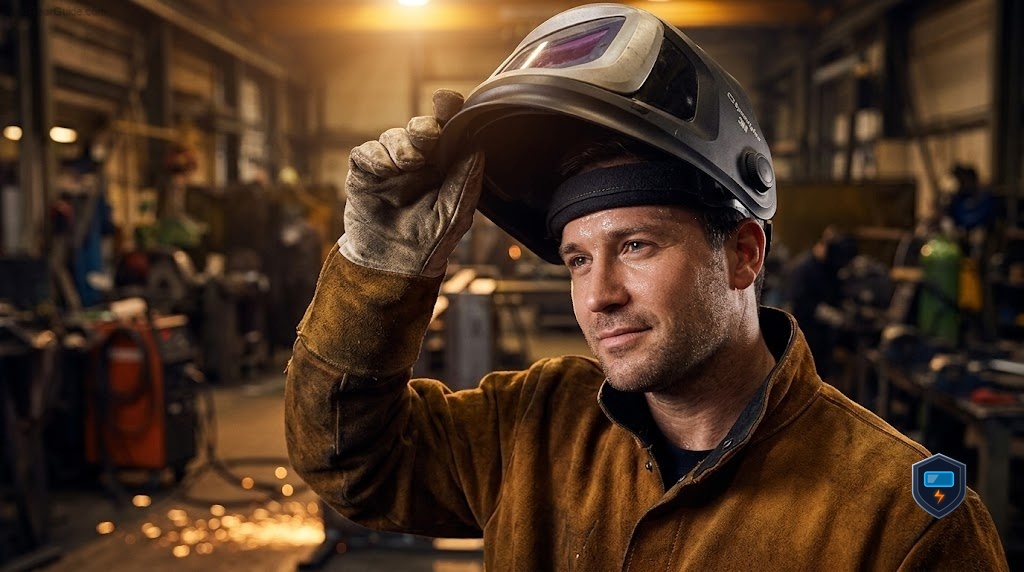
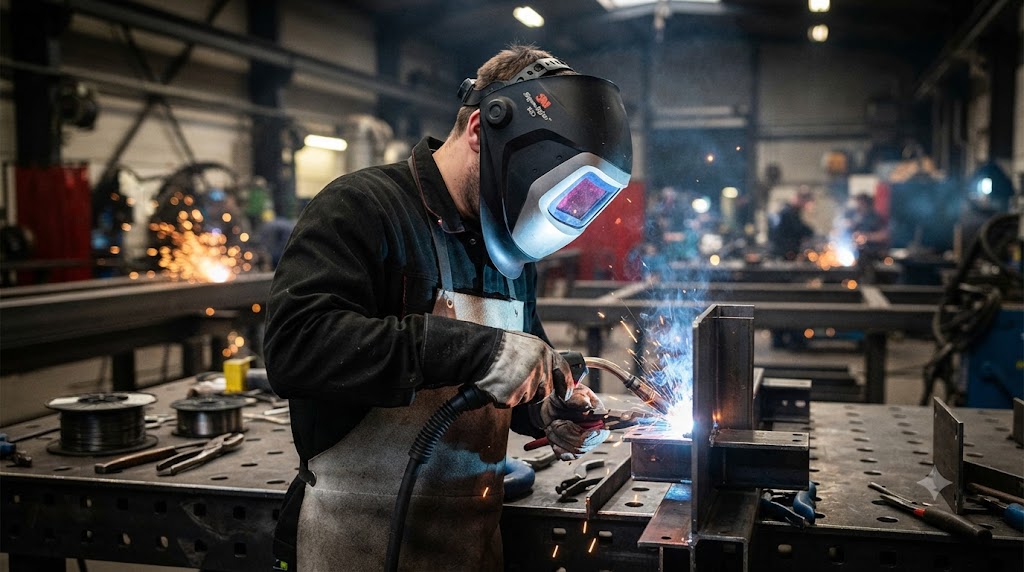
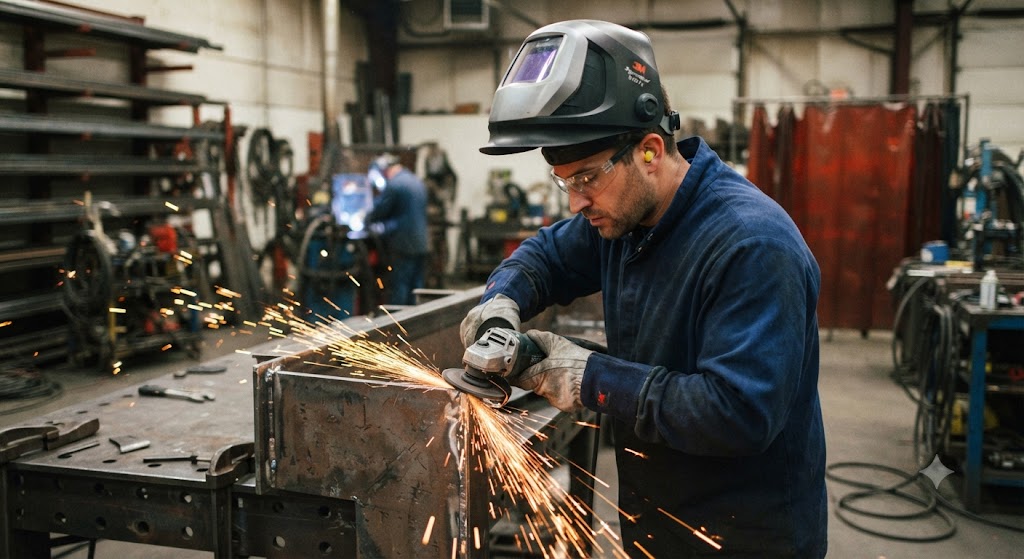
Spend a day next to a welder who has worn a Speedglas for years and you will notice something odd. They do not take the hood off between welds. It sits on their head through layout, through grinding, through walking to the rack for more steel. That habit tells you more about the helmet than any spec sheet, because nobody keeps an uncomfortable hood on when they do not have to.
A 3M welding helmet, which in practice means the Speedglas line, is engineered around wearing time rather than around numbers. That focus produces genuine advantages and a few things that catch buyers out.
The comfort case
The Speedglas headband is the best-executed part of the whole product. It spreads load across the crown and the back of the skull rather than clamping your forehead, and the adjustment range is wide enough that people with awkward head shapes can actually get it right.
That matters more than most specs. A helmet that fits properly stays on, and a helmet that stays on means you are not flipping it up between tacks and catching stray flash.
The second comfort feature is side windows. Models with them let you keep peripheral awareness of a busy shop, which reduces the tunnel-vision feeling of a closed hood and makes moving around with the helmet down far less unnerving.
The 9100 range, and what to actually buy
This is where people get confused, so be precise.
The 9100 with the 9100XXi filter is the complete package: shell, headband, side windows, and the top-tier filter with the largest viewing area in the 9100 family. This is the one most people should buy.
The 06-0100-20SW is the same platform with a different filter specification. Perfectly good, smaller window.
Then there are the shell-only listings. The 06-0300-51SW and the 06-0300-52SW come with headband and side windows but without the auto-darkening filter. They exist so people who already own a filter can replace a damaged shell. Buying one by mistake and finding no filter inside is a common and avoidable frustration.
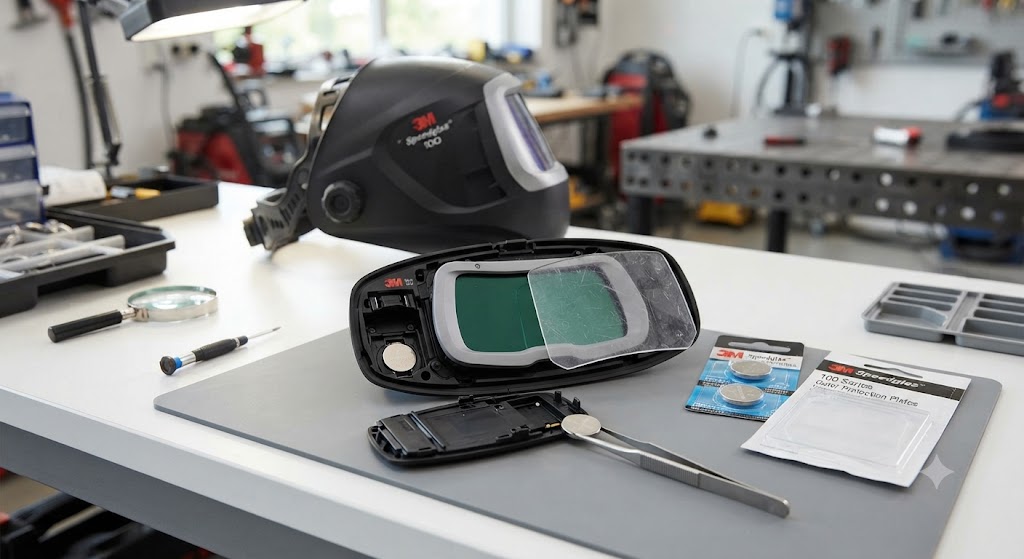
If you already have a 9100 shell and need to replace the electronics, the 9100 series auto-darkening filter is the part.
Read the listing title carefully. The presence or absence of a filter is the single biggest source of buyer disappointment in this range.
Where Speedglas falls short
Parts follow their own system. Cover lenses, headbands, and filters use 3M part numbers and do not cross-shop with generic sizes the way Lincoln and Miller consumables sometimes do. Stocking spares requires more planning, and a shop that keeps a bin of generic cover lenses will find that bin useless for Speedglas hoods.
Viewing area is not the selling point. If your priority is seeing as much of the workpiece as possible, the Lincoln VIKING 3350 and the Miller Digital Infinity both offer more window.
The system pricing. Because it is built as a platform with respiratory options and accessories, the entry cost is high relative to comparable helmets, and the benefits accumulate over long wearing hours rather than showing up immediately.
Who should skip it
Skip Speedglas if you weld occasionally in a home garage. The comfort advantage is real and it is a full-shift advantage. On a Saturday project you will not feel it, and you will feel the cost.
Skip it if you want to buy consumables locally from a general supplier. The parts ecosystem is excellent and specific.
Skip it if maximum window size is your deciding factor. That is not what this platform optimizes.
The respiratory angle
One genuine reason to be inside the 3M ecosystem is powered air. Welding fume is a real occupational exposure, and hoods that integrate a powered air purifying respirator turn a helmet into breathing protection as well as eye protection.
That is a bigger conversation than helmet choice, and the short version is this: if you weld galvanized, stainless, or anything coated, in an enclosed space, ventilation and respiratory protection matter more than any lens specification. A helmet platform built to accept powered air is worth considering on those grounds alone.
What to take away
3M sells a different argument from everyone else. Instead of competing on window size, it competes on how the helmet feels in hour seven and on what else the platform can do.
Three things worth carrying away. Check whether the listing includes the filter, because the shell-only versions exist for a legitimate reason and catch people constantly. The comfort advantage is real and it is proportional to how long you wear the hood, so be honest about your hours before paying for it. And if you weld coated metals or work in enclosed spaces, the respiratory options in this platform are a more meaningful upgrade than any optical improvement you could buy.
Frequently asked questions
Is a 3M Speedglas helmet worth the money? For full-shift professional welding, yes. The headband and side windows reduce fatigue in a way that compounds over long hours. For occasional hobby welding, the advantage is much harder to justify.
Why do some Speedglas listings not include a filter? 3M sells shells separately so welders can replace a damaged shell and keep their existing filter. Shell-only listings are usually identified by having no auto-darkening filter mentioned in the specification.
What are the side windows for? They give peripheral awareness while the hood is down, which makes moving around a busy shop safer and reduces the enclosed feeling of a closed helmet.
Are Speedglas parts interchangeable with other brands? No. Cover lenses, headbands, and filters follow 3M part numbers and do not fit Lincoln, Miller, or generic shells. Plan spares accordingly.
Which Speedglas 9100 filter should I choose? The 9100XXi option offers the largest viewing area in the family and the most refined optics. Lower-numbered filters in the range are fully capable with smaller windows.
Can a Speedglas helmet take powered air? The platform supports powered air purifying respirator systems, which matters if you weld coated metals or in confined spaces where fume exposure is a concern.
Is Speedglas good for TIG? Yes. The optics and low-amperage sensitivity in the 9100 range handle fine TIG work well, and the comfort advantage matters on the long, still positions TIG often requires.
How does Speedglas compare with the Lincoln VIKING 3350? Lincoln offers a substantially larger viewing window. 3M offers better headgear comfort and side awareness. Choose based on whether your limiting factor is what you can see or how long you can wear it.
References
- 3M, Speedglas Welding Helmets
- National Institute for Occupational Safety and Health, Welding Fume Exposure
- Occupational Safety and Health Administration, Eye and Face Protection
- Occupational Safety and Health Administration, Respiratory Protection