The Best Welding Helmet Under 100 Dollars
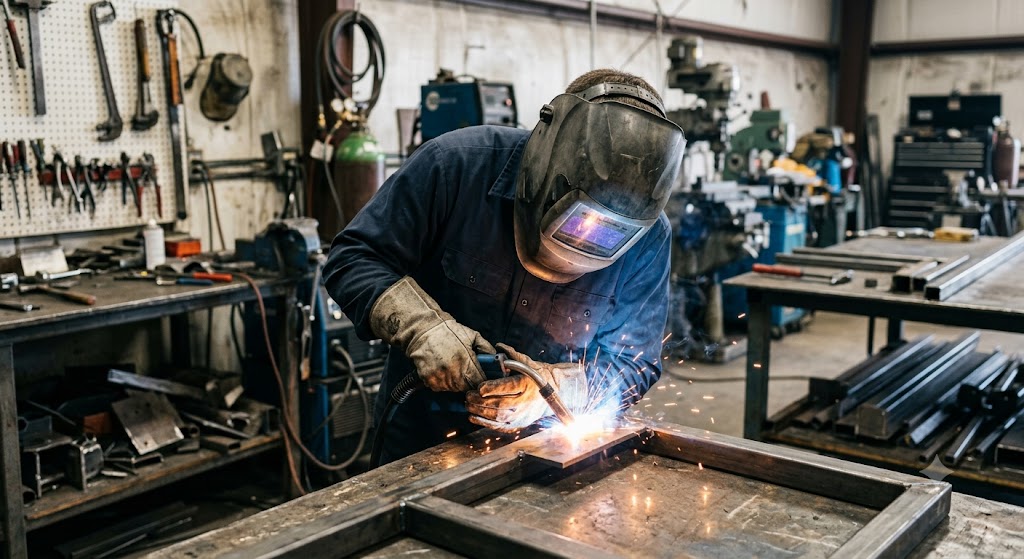
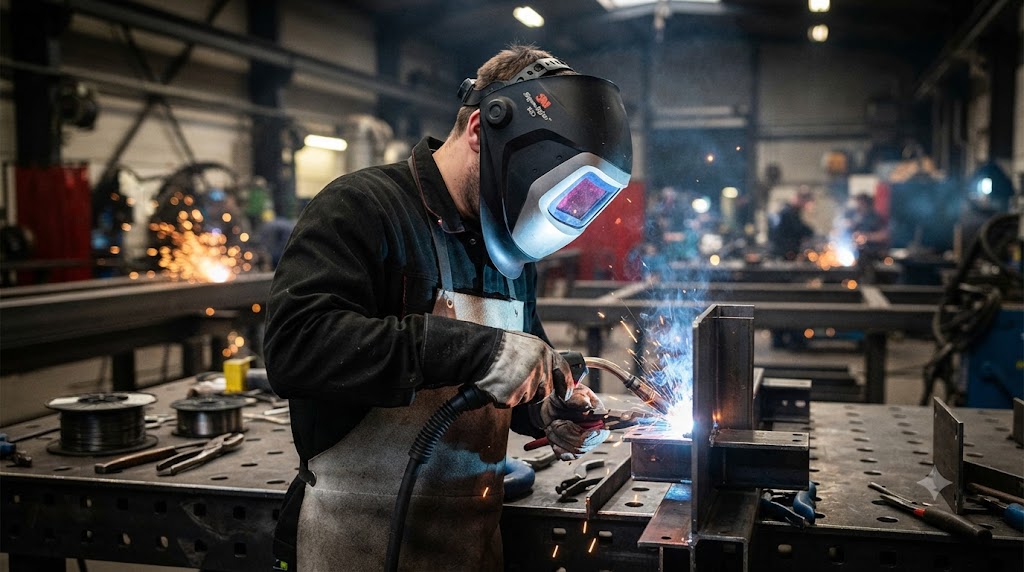
The first helmet a lot of people buy is the cheapest one on the shelf, and the first thing they learn is how it feels to get flashed when the lens lags. Finding the best welding helmet under 100 dollars is not about grabbing the lowest sticker. It is about knowing which corners a brand cut to hit that price, and making sure none of them are the corners that protect your eyes. The good news is that this price band has quietly gotten very good, and you can now buy a genuinely safe auto darkening helmet without stepping up to a premium brand.
A welding helmet in this range is almost always a solar assisted auto darkening model with a battery backup, a fixed or lightly adjustable shade, and a handful of arc sensors. The specs that matter most here are the number of arc sensors, whether the lens carries a real optical clarity rating, and whether it is certified to the ANSI Z87.1 safety standard. Everything else is comfort and convenience.
Here is the honest answer: the YESWELDER LYG-M800H is the helmet to beat under this budget, with a large true color view and four arc sensors. If you want to spend even less, the smaller two sensor YESWELDER is a legitimate step down that still protects you. Both are ANSI rated, which is the line you must never cross below.
What your money actually buys at this level
The single most important thing to confirm is the ANSI Z87.1 marking, because that is the standard that certifies the lens blocks harmful ultraviolet and infrared radiation even when it fails to darken. OSHA points to this standard for welding eye protection, so a helmet without it is not a bargain, it is a hazard.
After safety, arc sensor count is what separates a comfortable budget helmet from a frustrating one. Two sensors work fine for open bench welding, but four sensors reduce the chance of the lens failing to trigger when a sensor is blocked by your arm or the workpiece. That is why the four sensor models earn the top spots even at this price.
The picks under this budget
YESWELDER LYG-M800H: the one to beat
The YESWELDER LYG-M800H gives you a large 3.93 by 3.66 inch viewing area, four arc sensors, a true color lens, and variable shade for TIG, MIG, stick, and grinding, all while staying inside this budget. Solar assist with a battery backup means you rarely think about power.
The flaw is the shell and headgear, which feel lighter and less refined than a premium helmet and can loosen over time. If you weld all day every day for a living, you will eventually want something more durable. For a hobbyist, a student, or a home shop, it is hard to beat.
YESWELDER two sensor model: when you want to spend even less
The smaller two sensor YESWELDER trims the viewing area to 3.64 by 1.67 inches and drops to two arc sensors, but it keeps the 1/1/1/1 optical clarity rating and ANSI certification. For occasional garage work it is plenty.
The flaw is exactly what you would expect: the narrower window and reduced sensor count make it less forgiving for out of position work, where an arm can shadow a sensor. Skip it if you do overhead or tight-space welding, and choose it only if your welding is simple and infrequent.
How the two compare
| Helmet | Arc sensors | Viewing area | Best for |
|---|---|---|---|
| YESWELDER LYG-M800H | 4 | Large (3.93 x 3.66 in) | Most hobbyists and students |
| YESWELDER two sensor | 2 | Small (3.64 x 1.67 in) | Occasional simple bench work |
The pattern is simple. Spend a little more of your budget on the four sensor M800H if you can, and drop to the two sensor model only if your welding is light and your budget is truly tight.
Where the real limits show up
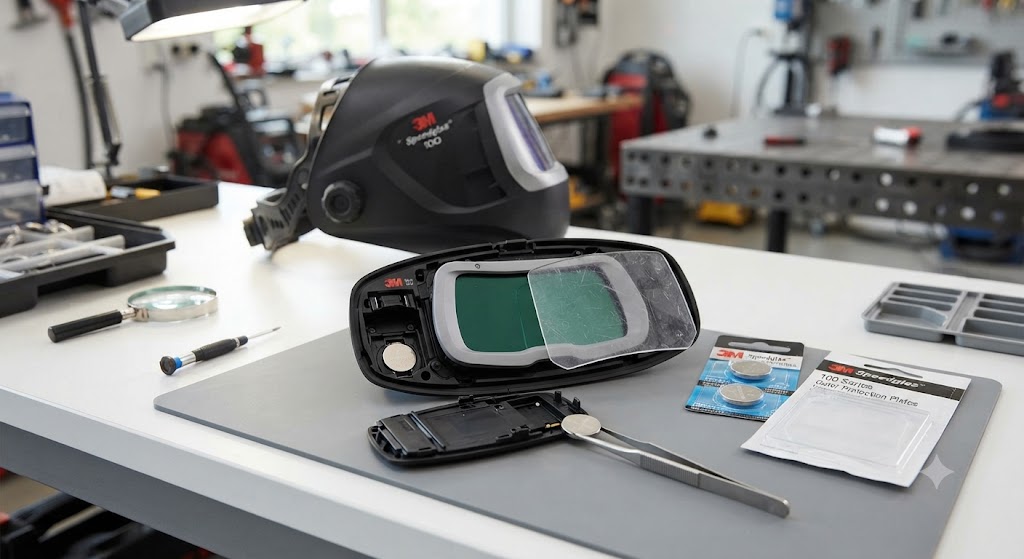
A helmet in this range will do everything a beginner needs, but it will show its price in three places over time: headgear that wears out, a light state that is not as clear as a premium true color lens, and a shell that scratches and flexes more. None of those are safety problems on an ANSI rated helmet. They are comfort and longevity problems, and they are the honest reason professionals eventually upgrade.
The bottom line on budget helmets
If you want the best welding helmet under 100 dollars, buy the YESWELDER LYG-M800H and do not look back until your welding outgrows it. If your budget is tighter still, the two sensor YESWELDER is a safe, smaller alternative for light work. Whatever you choose, confirm the ANSI Z87.1 marking first, treat sensor count as your comfort dial, and remember that the cheapest safe helmet is always a better buy than the cheapest helmet.
Frequently asked questions
What is the cheapest safe welding helmet? The cheapest genuinely safe option is the least expensive helmet that still carries an ANSI Z87.1 certification. Below that line you are gambling with your eyes, no matter how low the price.
Do budget helmets meet ANSI standards? Many do, including the YESWELDER models above, but not all. Always confirm the ANSI Z87.1 marking before buying, because it certifies the lens blocks ultraviolet and infrared radiation even if it fails to darken.
What is the difference between a cheap helmet and a premium one? The safety floor is the same on any ANSI rated helmet. The difference is in lens clarity, headgear comfort, shell durability, and low-amp sensitivity, which is where premium helmets earn their price over years of daily use.
Is a four sensor helmet worth it at this price? Yes. Four sensors reduce the chance of the lens failing to darken when a sensor is shadowed, which matters most for out of position and tight-space welding.
Can I use a budget helmet for TIG? Light TIG, yes, if the helmet has adjustable sensitivity. Very low amperage TIG is where budget helmets struggle most, because the dim arc can fail to trigger the lens.
How long will a budget welding helmet last? With light use, several years. The first parts to wear are the headgear and cover lens, both of which are cheap to replace, so a worn helmet is not automatically a dead one.
References
-
OSHA, Eye Protection During Welding fact sheet: https://www.osha.gov/sites/default/files/publications/OSHAFACTSHEET-EYEPROTECTION-DURING-WELDING.pdf
-
ISEA and NIOSH, ANSI/ISEA Z87.1-2020 standard information: https://wwwn.cdc.gov/PPEInfo/Standards/Info/ANSI/ISEAZ8712020
-
URL slug: best-welding-helmet-under-100
-
Excerpt: The best welding helmet under 100 dollars is not the lowest sticker, it is the cheapest ANSI Z87.1 rated helmet that suits your welding. This guide compares two proven budget picks, explains what your money actually buys, and shows where the price limits really show up.