Best Welding Helmet Under 50 Dollars
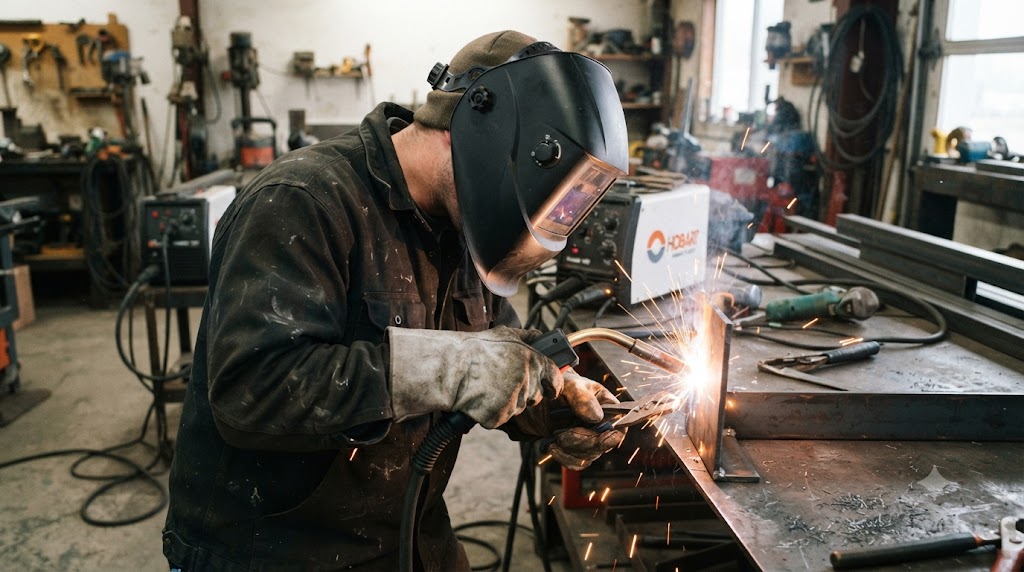
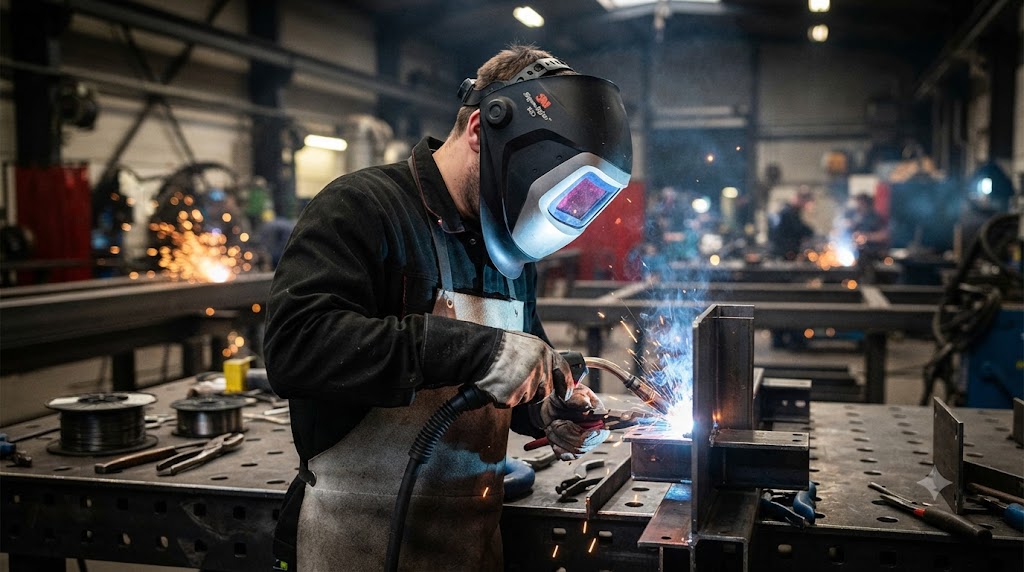
Somewhere in a garage right now, a first-time welder is staring at a pile of search results wondering if a helmet in this range will actually protect their eyes. The answer is yes, with conditions attached. A helmet in this tier can be safe, functional, and genuinely useful. It can also be a product that darkens too slowly, uses two sensors instead of four, or arrives with a lens that fogs after a month of use.
Knowing the difference between the two is what this guide is for.
Let’s be direct. A helmet at this price is a compromise, and you should know exactly what you are compromising before you buy. The good ones in this tier are worth every dollar. The bad ones are not worth any of them.
The best verified picks here: the YESWELDER True Color is the top choice for optical quality in this range. The TOOLIOM large view is worth a look if screen size matters most. The DEKOPRO is the true entry-level option if budget is the only driver.
What is safe to expect from a helmet at this tier
At this level, the non-negotiables are the same as at any other: the lens must block UV and infrared light at all times, whether darkened or not. A helmet that meets ANSI Z87.1 does this. Do not buy one that does not carry that marking.
Beyond safety, here is what you can realistically expect:
- Two arc sensors, not four. Two sensors are functional for most hobby welding. They struggle when a sensor gets blocked by your work hand or a tight corner.
- A shade range of 9 to 13. Standard for MIG, TIG, and stick. Plasma cutting typically needs shade 5 to 8, which most helmets in this tier do not offer.
- Optical ratings of 1/1/1/1 or 1/1/1/2. The best models here genuinely hit the top optical rating.
- Shorter warranties. Most helmets at this tier carry one year coverage or none at all.
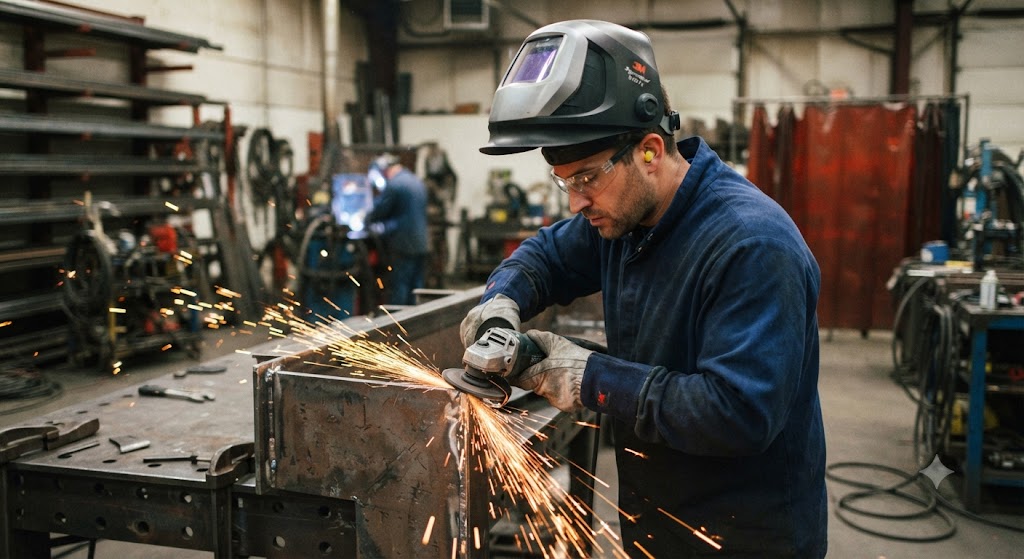
This is a starter helmet, a backup helmet, or a helmet for light weekend welding. It is not a daily production tool.
Top pick: YESWELDER True Color
Check the YESWELDER True Color on Amazon
The YESWELDER True Color is the best optical lens you will find in this tier. It carries a 1/1/1/1 clarity rating, which is the same top score that Lincoln and Miller put on their flagship helmets. For a helmet in this range, that matters. The viewing area is 3.64 by 1.67 inches, which is standard for this tier, and the shade runs 9 to 13 with two arc sensors.
Verdict: the best choice in this range for optical quality. If you are going to buy one helmet at this price point, this is the one where your eyes will see the clearest view of the puddle.
The flaw you should know about: two sensors are the real limitation. In a tight corner or when your torch hand partially blocks one sensor, the lens can be slow to trigger. The viewing area is also narrower than mid-tier helmets, and shade starts at 9, which cuts out plasma cutting entirely.
Who should skip it: welders who do a lot of work in tight spaces where sensor blocking is common, or anyone who cuts plasma, should look higher. This is a good occasional-use helmet, not a daily production tool.
The wide view pick: TOOLIOM large view
Check the TOOLIOM large view helmet on Amazon
The TOOLIOM large view brings a 3.94 by 3.27 inch viewing area to this tier, which is genuinely large for the investment. It carries a 1/1/1/1 optical rating and includes weld, grind, and cut modes, making it one of the few helmets in this price range to offer a dedicated grind mode. The switching speed is fast, and the lens darkens reliably under most indoor conditions.
Verdict: the best pick if viewing area and grind mode are your priorities and you are working on a strict budget.
The flaw you should know about: the headgear on this model draws steady complaints for feeling loose over time. Some users also note that the helmet sits heavier than expected, which shows up as neck fatigue during longer sessions. Build quality on the shell is noticeably lighter than helmets that cost more.
Who should skip it: anyone doing extended welding sessions where neck fatigue is a concern, and anyone who needs a helmet that will hold up to daily shop use.
The entry option: DEKOPRO
The DEKOPRO is the most basic of the three. Two sensors, a standard 3.62 by 1.65 inch viewing area, solar and battery power, and a simple two dial setup for delay and sensitivity. It is available in multiple shell styles and works for basic MIG and stick welding.
Verdict: the most entry-level option here. If you need something to get started with absolutely nothing else in the budget, the DEKOPRO works for casual use.
The flaw you should know about: the lens consistency on budget models like this can vary. Some units have performed well over months of light use. Others have shown inconsistency in how reliably the lens darkens at low amperages. For stick welding, this is less of an issue. For TIG, it matters more.
Who should skip it: anyone who does TIG welding, welds frequently, or plans to use this as a main shop helmet for anything beyond occasional casual use.
What you give up at this tier
Before you finalize the decision, it is worth naming what gets left behind when you buy in this range compared to the tier above:
- Sensor count. Mid-tier and professional helmets have four sensors. All three picks here have two.
- Shade range. Shade 5 to 8 for plasma cutting and light work is typically absent here.
- Warranty depth. Expect one year or less versus three to five years on quality helmets.
- Headgear durability. The headbands on budget helmets wear out faster and often have fewer adjustment points.
A Harbor Freight Chicago Electric helmet around the same price is frequently mentioned in online welding communities. It is a real product that many hobby welders have used without incident. It is not sold on Amazon, but if you are near a Harbor Freight store and want an in-person option at this tier, it is worth knowing about.
Is a helmet at this price safe to use?
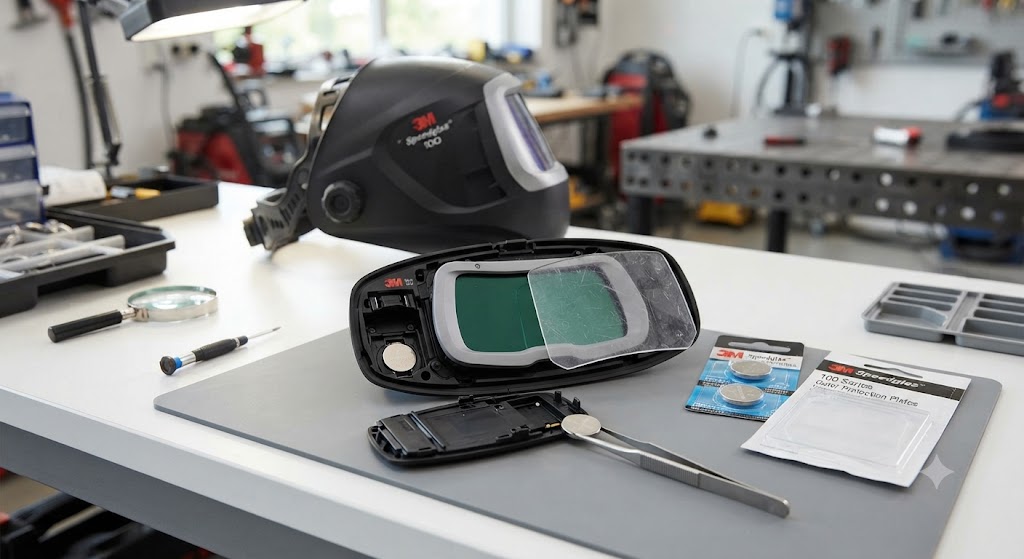
Yes, if it is ANSI Z87.1 certified and you inspect it before each use for cracks, lens damage, or missing cover lenses. The UV and infrared protection is built into the lens material itself and does not degrade meaningfully under normal use. The auto darkening electronics are the part to watch: if the lens stops darkening reliably, stop using it and replace it.
For occasional use in a well-lit indoor environment, doing short session MIG or stick welding, any of these helmets can serve you well. Use them for what they are, and they will do the job.
Frequently asked questions
Is there a safe welding helmet at this price point? Yes. All three picks here carry ANSI Z87.1 certification, which means they meet the minimum safety standard for UV and IR protection. The safety is real. The trade-offs are in comfort, sensor count, and warranty.
What do you give up at this price point compared to spending more? Primarily sensor count (two instead of four), shade range (usually 9 to 13 instead of 5 to 13), headgear quality, and warranty coverage. Optical clarity can still be very good: the YESWELDER True Color carries a 1/1/1/1 rating.
Are Harbor Freight helmets at this price point safe? Chicago Electric and Vulcan helmets from Harbor Freight are ANSI Z87.1 certified and are used by hobby welders regularly. They are not sold on Amazon. The consensus in welding communities is that they work for light occasional use, with the same caveats that apply to all helmets at this tier.
Can you use a helmet at this tier for TIG welding? With caution. The two sensor systems in this range can have trouble reliably triggering at the lower amperages common in TIG welding. The YESWELDER True Color performs better than most here, but consistent low-amp TIG detection is a feature you generally need to spend more to get.
How long will a budget welding helmet last? With light use (occasional hobby welding, not daily shop work), a quality budget helmet can last one to two years before the headgear or lens mechanics start showing wear. Daily use will shorten that significantly.
What is the best helmet in this tier? For optical clarity, the YESWELDER True Color. For screen size and grind mode, the TOOLIOM large view. For absolute minimum spend, the DEKOPRO. If you can stretch the budget even slightly, the tier above this one opens up better helmets with four sensors and longer warranties.
References
- Occupational Safety and Health Administration (OSHA), welding eye and face protection requirements
- American National Standards Institute (ANSI) Z87.1, eye and face protection standard
- American Welding Society (AWS), entry-level welder safety resources