Lincoln Viking 3250D Review: The Field Grind Hood
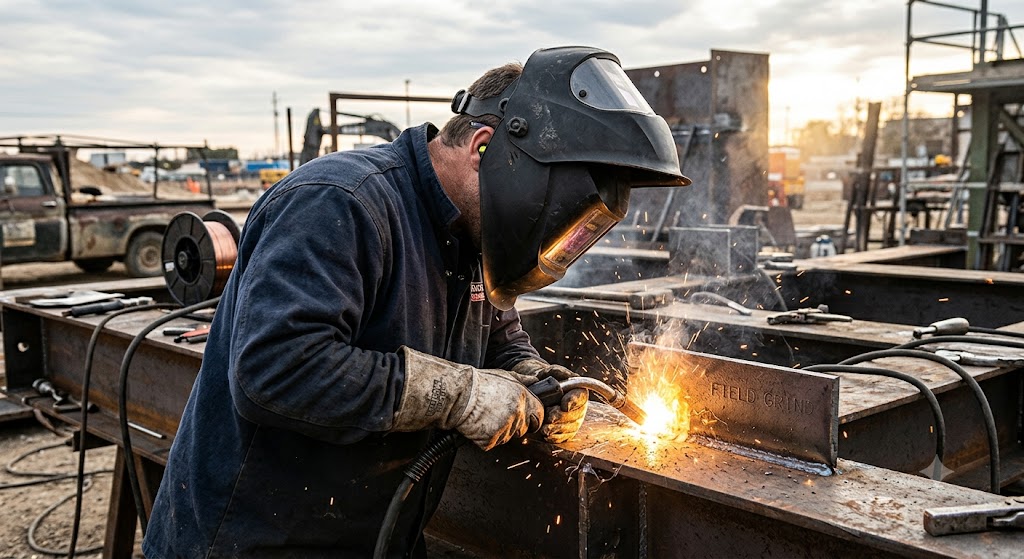
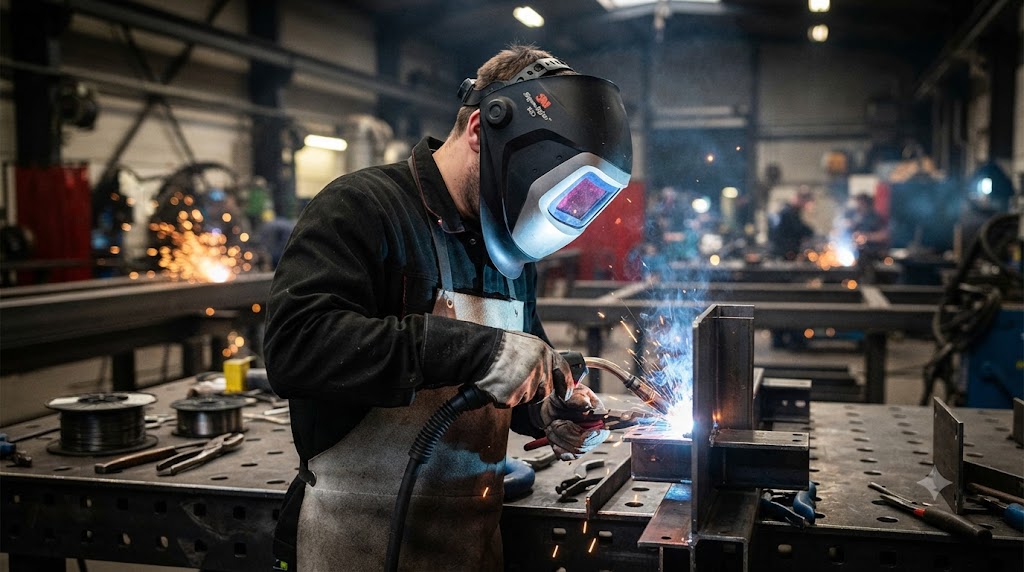
Not every welder needs a flagship helmet, and this Lincoln Viking 3250D review is for the ones who spend as much time grinding and prepping as they do laying beads. The 3250D FGS, short for Field Grind Series, is built around durability and quick mode switching rather than the biggest possible window. It still carries Lincoln’s respected 4C optics, which makes it an interesting middle option in the Viking range. Here is what it does well, where it gives ground, and who it suits.
What the Lincoln Viking 3250D is
The Viking 3250D FGS is a variable-shade auto-darkening helmet built for jobsite conditions. It uses Lincoln’s 4C lens technology for true-color viewing and covers a variable shade range suitable for common welding and grinding tasks. The FGS designation signals its focus: a rugged shell and a workflow built around switching between welding and grinding without fuss. It sits below the 3350 and 2450 in the premium hierarchy while still delivering the color clarity that makes a Viking a Viking.
The direct answer: who should buy the 3250D?
Buy the 3250D if your day is a mix of welding, grinding, and prep in a shop or field environment where the helmet takes abuse. Its strength is durability and versatility rather than a huge viewing window, so it fits welders who value a tough, no-drama hood over maximum glass. You still get the 4C true-color lens, which keeps the puddle readable and reduces eye strain, so you are not sacrificing optics to get a rugged shell.
Who should not buy it: welders chasing the largest, most comfortable premium experience. If a wide window and the plush X6 headgear are your priorities, the 3350 or 2450 are the better picks. The 3250D is the utility player, not the flagship.
Optics and the 4C lens
The best news about the 3250D is that Lincoln did not cheap out on the lens. The 4C technology delivers the same true-color advantage found across the Viking line, so the arc and base metal look natural rather than heavily green. For a hood aimed at field work, keeping premium optics is a genuine plus, because clarity matters just as much when you are grinding and inspecting as when you are welding.
Durability and grind workflow
The 3250D is built to be handled roughly. Its shell and design prioritize taking knocks and switching modes quickly, which is exactly what field and fabrication work demands. If you are constantly flipping between a weld and a grind, a hood built around that rhythm saves time and frustration.
The flaw worth knowing
The honest trade-off is comfort and window size. The 3250D does not use the premium X6 headgear found on the 3350 and 2450, so all-day comfort is a step behind, and its viewing area is not the flagship’s oversized glass. Who should skip it: welders who run marathon sessions and want the most balanced, cushioned fit, or who need the widest possible view for out-of-position work. They will be happier spending up for a 3350.
How it compares
Inside the Viking family, think of the 3250D as the rugged specialist. The 3350 wins on window size and headgear comfort, the 2450 wins on value with premium comfort, and the 3250D wins on jobsite toughness and grind-focused versatility. All three share the 4C lens, so your choice is about shell, headgear, and workflow rather than optical quality. Against budget field hoods from other brands, the 3250D’s true-color lens is a clear step up.
Final take on the Lincoln Viking 3250D
This Lincoln Viking 3250D review comes down to matching the tool to the task. Buy it if you want Lincoln’s 4C optics in a durable, grind-ready package and you do not need the flagship’s big window or plush headgear. Step up to the 3350 or 2450 if comfort and viewing area top your list. Whichever you choose, confirm the ANSI Z87.1 marking that OSHA references as the baseline for welding eye protection.[^https://www.osha.gov/sites/default/files/publications/OSHAFACTSHEET-EYEPROTECTION-DURING-WELDING.pdf]
Frequently asked questions
Is the 3250D worth the cost over the 2450? It depends on your work. The 3250D is built for rugged field and grind-heavy use, while the 2450 offers premium X6 comfort and a value price for bench work. Choose based on environment, not just price.
What is unique about the 3250D lens? It uses Lincoln’s 4C lens technology for true-color viewing, the same optical advantage found across the Viking line, in a hood focused on durability and grinding.
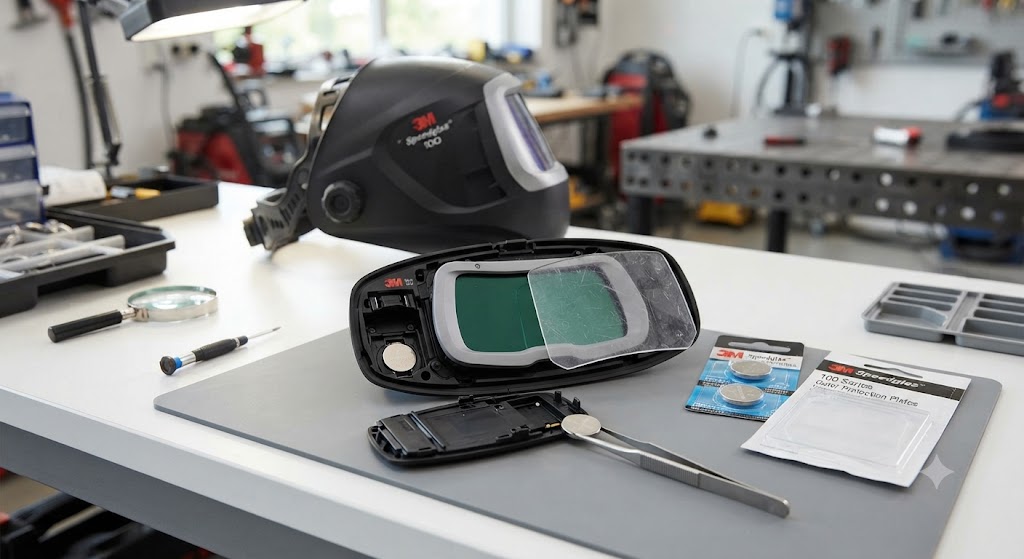
Does it use the same battery as other Viking models? The Viking line standardizes on CR2450 coin cell batteries, so keeping CR2450 cells on hand covers the 3250D and its siblings.
Is the 3250D good for grinding? Yes. The FGS, or Field Grind Series, design is built around switching between welding and grinding, which is its main strength.
Does it have the X6 headgear? No. The 3250D does not use the premium X6 headgear found on the 3350 and 2450, so comfort is a step behind those models.
Is the 4C lens the same as the 3350? Both use 4C true-color lens technology. The 3350 pairs it with a larger window and X6 headgear, while the 3250D pairs it with a rugged, grind-focused shell.
References
- Lincoln Electric, VIKING 3350 Black Welding Helmet (K3034-4): https://www.lincolnelectric.com/en/Products/k3034-4
- U.S. Occupational Safety and Health Administration, Eye Protection During Welding: https://www.osha.gov/sites/default/files/publications/OSHAFACTSHEET-EYEPROTECTION-DURING-WELDING.pdf