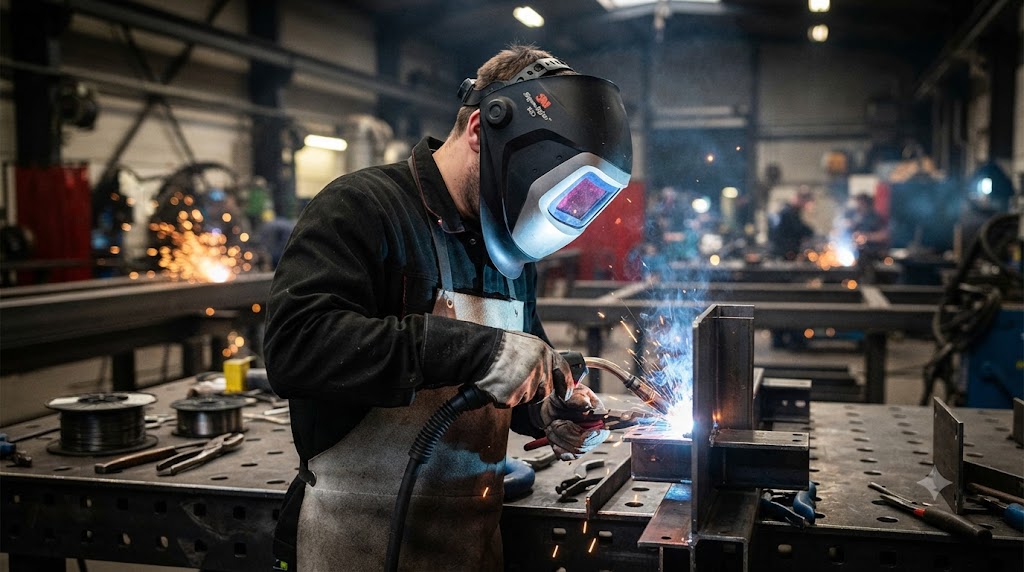
Lincoln Viking 3350 Not Working: Troubleshooting Guide
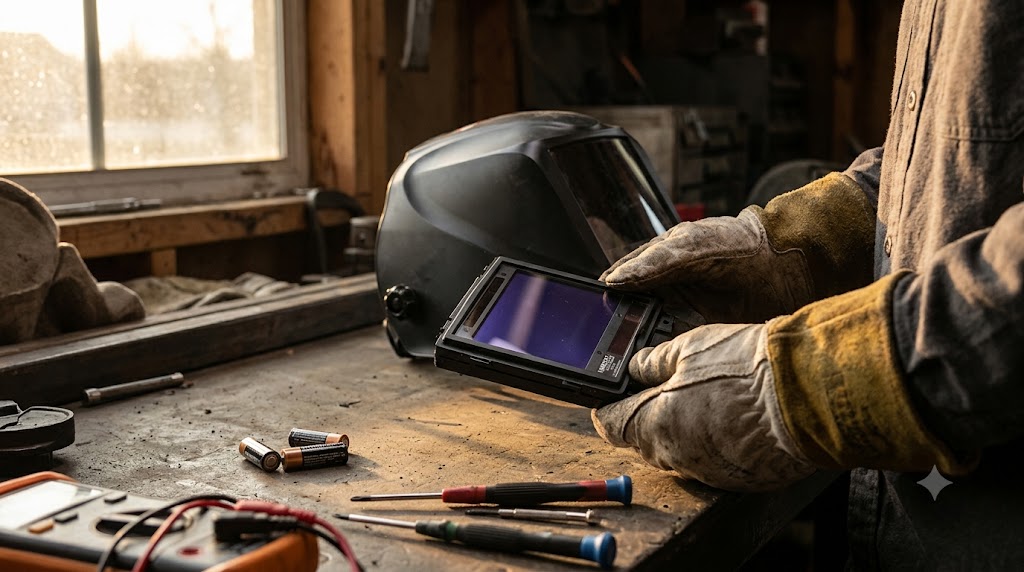
There are few things more frustrating mid-project than a Lincoln Viking 3350 not working the way it should, whether the lens fails to darken, flashes a warning light, or drains batteries faster than it should. The good news is that most of these problems are simple to diagnose at the bench, and very few of them mean the helmet is dead. This guide walks through the common causes in the order you should check them, from a two minute battery swap to knowing when the lens itself needs replacing.
What “not working” usually means on a Viking 3350
On an auto-darkening helmet, “not working” almost always comes down to one of a handful of systems: the CR2450 batteries, the arc sensors, the sensitivity and delay dials, or the solar assist cell. The Viking 3350 uses replaceable CR2450 batteries and a set of arc sensors that detect the flash and trigger the liquid crystal shutter. When any part of that chain is interrupted, the lens can stay clear, stay dark, or behave erratically. Knowing which system is at fault is most of the battle.
The quick answer: start with the battery and sensors
If your Viking 3350 is not darkening, do these three things first. One, replace the CR2450 batteries with fresh ones, because a weak battery is the single most common cause and the cheapest to rule out. Two, wipe the arc sensors and the front cover lens clean, since dust, spatter, or a grimy cover plate can block the sensors from seeing the arc. Three, turn the sensitivity dial up and set the delay to a sensible value, because a sensitivity setting that is too low will fail to trigger, especially on low amperage TIG.
If the lens darkens after any of those steps, you are done. If it still will not respond after fresh batteries, clean sensors, and higher sensitivity, the lens cartridge is likely at fault and should be replaced. Below, each cause in more detail.
Cause 1: weak or dead batteries
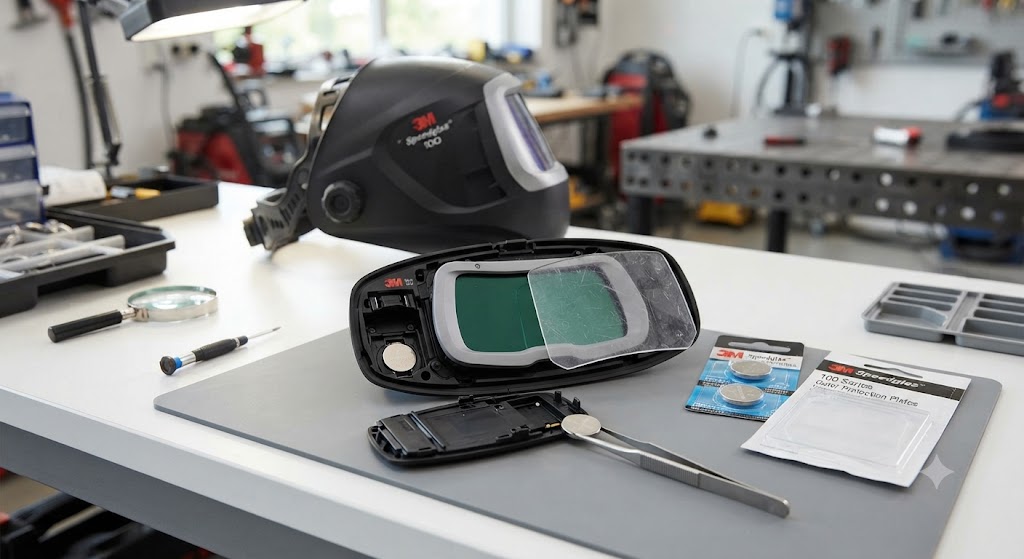
The 3350 runs on CR2450 coin cells with solar assist. When they get weak, the lens may darken slowly, flicker, or not trigger at all. Swap in fresh, name-brand CR2450 cells and make sure the contacts are clean and springy. This fixes a large share of no-darken complaints.
Cause 2: dirty or blocked arc sensors
The sensors sit on the front of the cartridge and need a clear line of sight to the arc. Spatter on the cover lens, shop dust, or a sticker placed over a sensor will all cause intermittent or total failure to darken. Clean the sensors and replace a heavily pitted outside cover lens.
Cause 3: sensitivity and delay set wrong
If the helmet works on high amperage but not on low amp TIG, the sensitivity is likely too low. Turn it up until the lens triggers reliably. If the lens clears too fast between tacks or stays dark too long, adjust the delay dial to match your work.
Cause 4: the green light is flashing
A flashing indicator on a Viking is generally a low battery warning. Replace the CR2450 cells first. If the light continues after a confirmed-good battery, the cartridge electronics may be failing.
When to replace the lens instead of troubleshooting
If you have installed fresh batteries, cleaned the sensors, raised the sensitivity, and the lens still will not darken or stay dark, the auto-darkening cartridge has reached the end of its life. At that point, replacing the lens cartridge is the fix, and it is far cheaper than a new helmet. A lens that is stuck dark, cracked, or leaking is also a replace-now item, because a compromised lens no longer guarantees the protection ANSI Z87.1 requires.[^https://www.osha.gov/sites/default/files/publications/OSHAFACTSHEET-EYEPROTECTION-DURING-WELDING.pdf]
Getting your Viking 3350 working again
Most of the time, a Lincoln Viking 3350 not working is a battery or a dirty sensor, not a dead helmet. Work through the checklist in order, fresh batteries first, then clean sensors, then sensitivity, and you will solve the large majority of cases in a few minutes. Save the lens replacement for when the simple fixes fail, and never keep welding behind a lens you suspect is compromised.
Frequently asked questions
Why is my Lincoln Viking 3350 not darkening? Most often a weak CR2450 battery or dirty arc sensors. Replace the batteries, clean the sensors and cover lens, and raise the sensitivity. If it still fails, the lens cartridge likely needs replacing.
Why does the battery keep dying? Contact corrosion, leaving the helmet in a hot vehicle, and low-quality cells all shorten battery life. Clean the contacts, store the helmet in a cool place, and use quality CR2450 batteries.
What does the green flashing light mean? On a Viking it generally signals low battery. Replace the CR2450 cells first, then re-check.
My helmet works on MIG but not on TIG. Why? Low amperage TIG produces a weaker arc signal. Turn the sensitivity up until the lens triggers reliably at your amperage.
Can a Viking 3350 lens be replaced separately? Yes. The auto-darkening cartridge and the cover lenses are replaceable, so a failed lens does not mean a new helmet.
Is it safe to keep welding if the lens flickers? No. Stop and fix the cause. A flickering or unreliable lens does not guarantee proper eye protection.
References
- Lincoln Electric, VIKING 3350 Black Welding Helmet (K3034-4): https://www.lincolnelectric.com/en/Products/k3034-4
- U.S. Occupational Safety and Health Administration, Eye Protection During Welding: https://www.osha.gov/sites/default/files/publications/OSHAFACTSHEET-EYEPROTECTION-DURING-WELDING.pdf