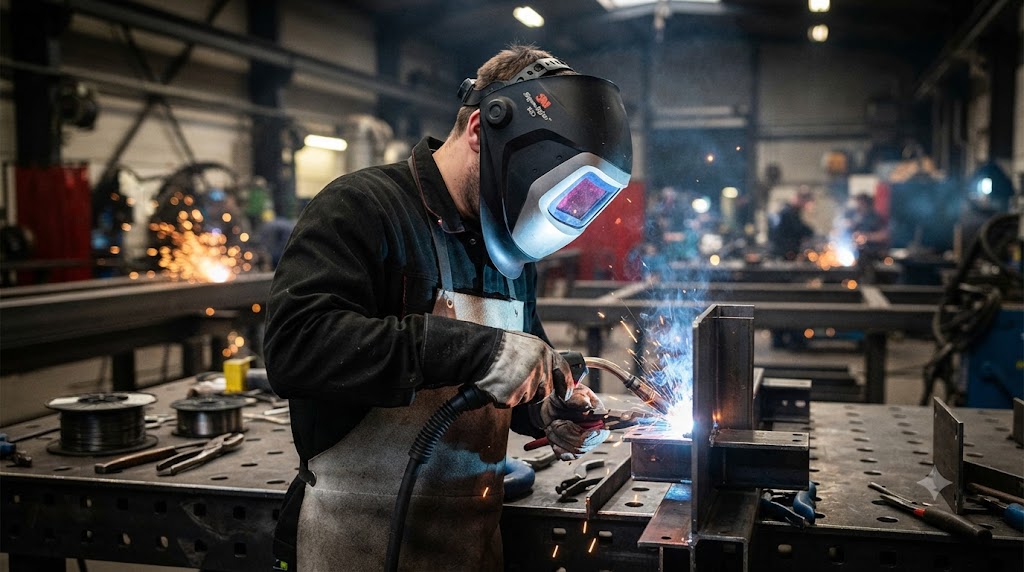
Lincoln Viking 3350 Review: Is It Still the Benchmark?
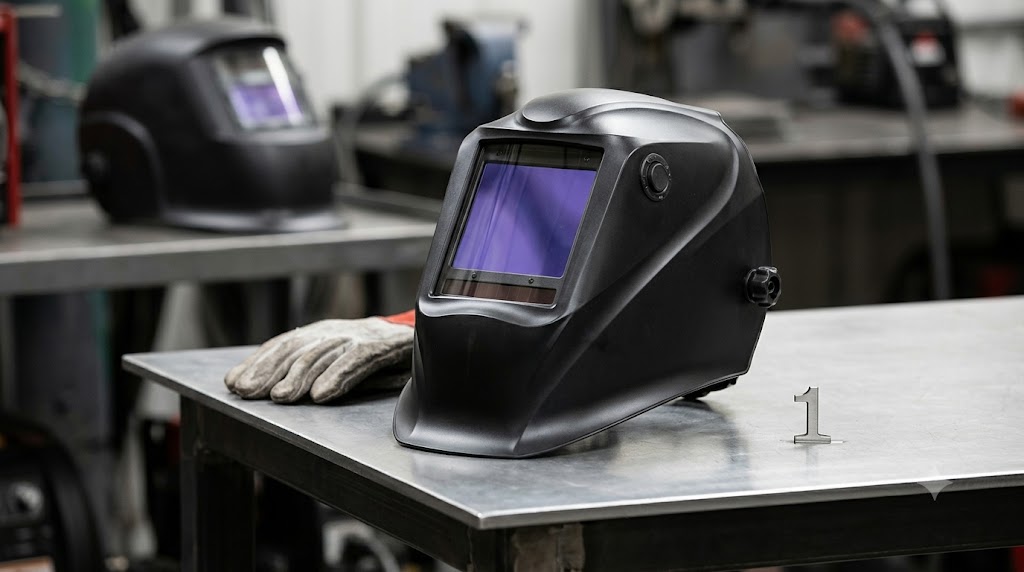
Ask a room full of welders which auto-darkening hood to buy and the Lincoln Viking 3350 gets named more than almost any other helmet. It has earned that status by pairing a huge, clear lens with headgear that does not wear you down. After years on the market it still sets the bar that competitors get measured against, so this Lincoln Viking 3350 review looks at what you actually get, where it falls short, and who should look elsewhere.
What the Lincoln Viking 3350 is
The Viking 3350 is Lincoln Electric’s flagship consumer and professional auto-darkening welding helmet, sold under part number K3034-4 in matte black. It uses the company’s 4C lens technology and a perfect 1/1/1/1 optical clarity rating, the highest grade on the EN 379 scale, which means minimal distortion and consistent shade across the whole window. The headline feature is size: a 12.5 square inch viewing area measuring 3.74 by 3.34 inches. It runs on replaceable CR2450 batteries, switches shade in about 1/25,000 of a second, and covers a variable 5 to 13 shade range with a dedicated light and grind state.
The direct answer: is it worth it?
For most welders who use a hood regularly, yes. The Lincoln Viking 3350 is worth the money because it nails the three things that matter every single day: you can see clearly, you can wear it for hours, and it holds up. The 4C lens shows the puddle in near-true color, which shortens the learning curve for beginners and reduces eye strain for pros. The X6 headgear spreads weight across your head instead of pinching a couple of contact points, so long sessions do not leave you sore. The external grind button lets you flip to a clear state without lifting the hood, and the five year warranty backs it all up.
Where it stops making sense is at the extremes. If you weld twice a year, the money is better spent on a smaller helmet. If you need a hard-industrial shell with a PAPR system, this is not that tool. But for daily MIG, stick, and TIG in a shop or on a site, it remains a benchmark for a reason.
Optics and viewing area
The 12.5 square inch window is the reason people fall in love with this helmet. A wider view helps you track a long bead, see your surroundings out of position, and keep your fixture in frame. Combined with the 4C lens and 1/1/1/1 rating, the arc looks crisp and evenly shaded at any angle. Experienced welders often point out that entry hoods share similar lens electronics; what you pay for on the 3350 is the window size and the headgear, and both are genuinely better here.
Comfort and headgear
The X6 headgear is the quiet hero. It uses multiple adjustment points to balance the hood and reduce pressure, and it is compatible with hard hat adapters and magnifying cheater lenses. If you have ever finished a shift with a headache from a cheap hood, this is the upgrade you feel first.
The flaw worth knowing
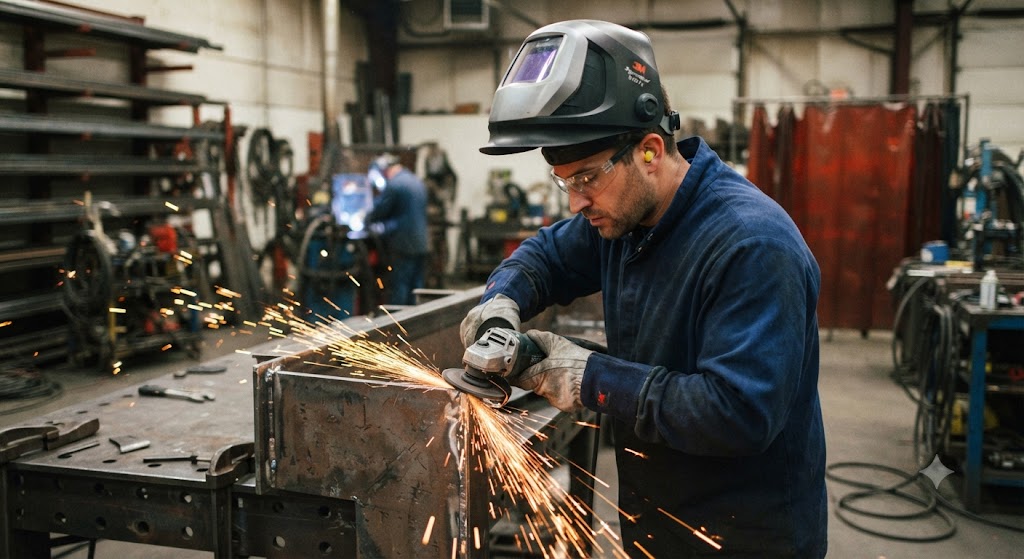
No helmet is perfect, and the 3350’s weak point is its shell. Some welders find it lighter and less armored than they expect from a flagship, and the wide lens means cover plates are a larger consumable. Who should skip it: heavy industrial welders who abuse their gear and want a thicker shell, and hobbyists who will never use the big window and can save with the Viking 2450.
How it compares
Measured against its own sibling, the 2450, the 3350 wins only on viewing area, since they share the lens and headgear. Measured against premium rivals like the ESAB Sentinel or a Miller Digital Elite, the 3350 competes on optics and comfort while usually costing less, though it trades away touchscreen controls and some shell ruggedness. For the money, that is a strong position.
Final take on the Lincoln Viking 3350
The Lincoln Viking 3350 remains one of the easiest welding helmets to recommend because it does the fundamentals better than most and asks a fair price for them. Buy it if you weld often and value a wide, clear view with all-day comfort. Look elsewhere only if you need a rugged industrial shell, a PAPR setup, or you weld too rarely to justify the flagship. Either way, confirm the ANSI Z87.1 marking, which OSHA references as the baseline for welding eye protection.[^https://www.osha.gov/sites/default/files/publications/OSHAFACTSHEET-EYEPROTECTION-DURING-WELDING.pdf]
Frequently asked questions
What is the viewing area of a Viking 3350? The 3350 has a 12.5 square inch viewing area measuring 3.74 by 3.34 inches, one of the largest in its class.
Is a Lincoln Electric welding helmet good? Yes. The Viking 3350 in particular is widely regarded for its 4C optics, 1/1/1/1 clarity, comfortable X6 headgear, and five year warranty.
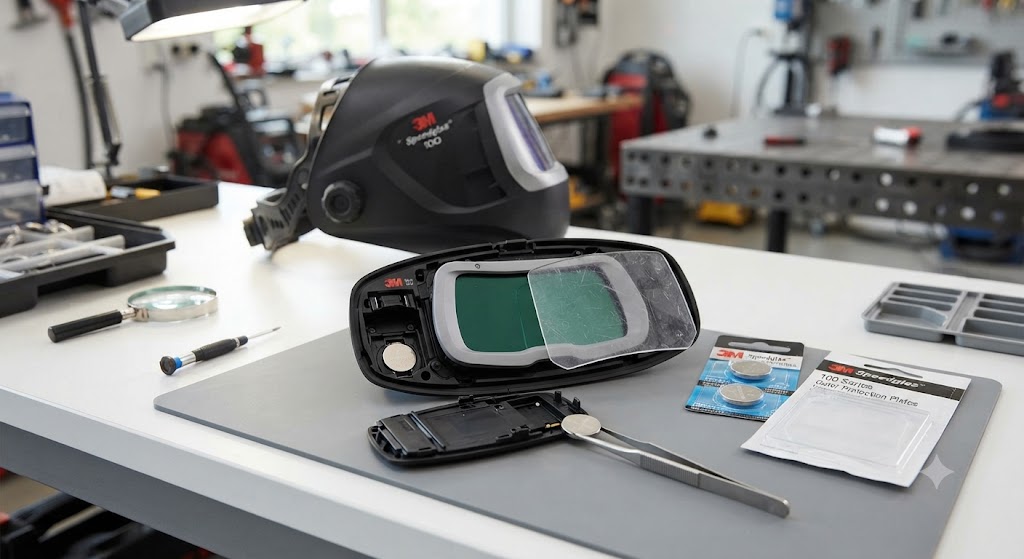
How long does the battery last on a Viking 3350? It uses replaceable CR2450 batteries. Real-world life depends on use, but the lens is battery powered with a long service interval, and the batteries are easy to swap when the indicator warns of low power.
What shade range does the Viking 3350 cover? A variable 5 to 13 shade range, plus a light state and grind mode, which covers TIG, MIG, stick, and flux-cored welding.
Is the Viking 3350 good for TIG welding? Yes. The wide, clear lens and low shade settings make it capable for TIG, including lower amperage work, though very low amp TIG welders should confirm the helmet triggers reliably at their settings.
Does the Viking 3350 work with a hard hat? Yes. It is compatible with a hard hat adapter and with magnifying cheater lenses.
References
- Lincoln Electric, VIKING 3350 Black Welding Helmet (K3034-4): https://www.lincolnelectric.com/en/Products/k3034-4
- U.S. Occupational Safety and Health Administration, Eye Protection During Welding: https://www.osha.gov/sites/default/files/publications/OSHAFACTSHEET-EYEPROTECTION-DURING-WELDING.pdf