Welding Helmet Cover Lens Guide: The Cheapest Part That Matters Most
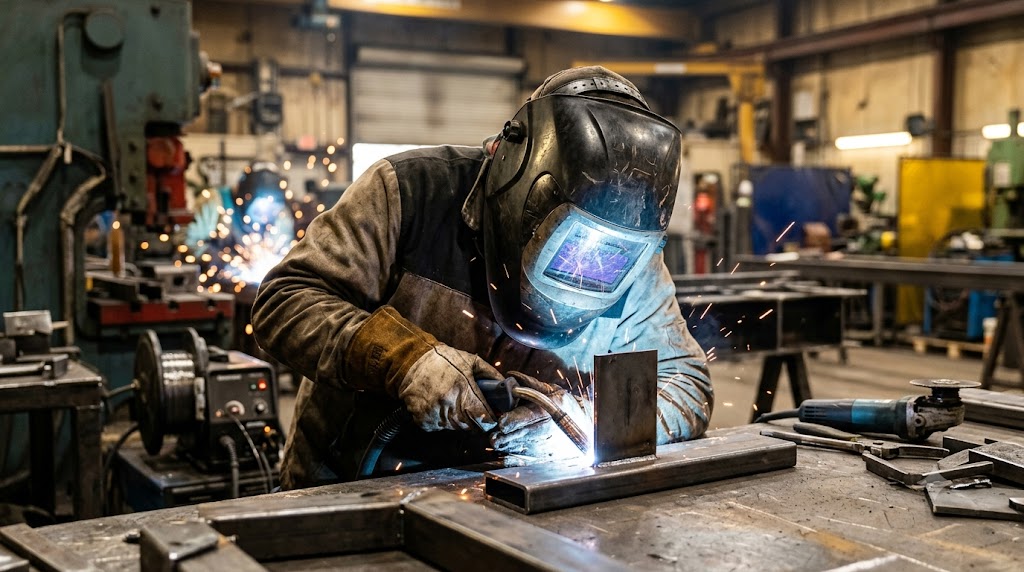
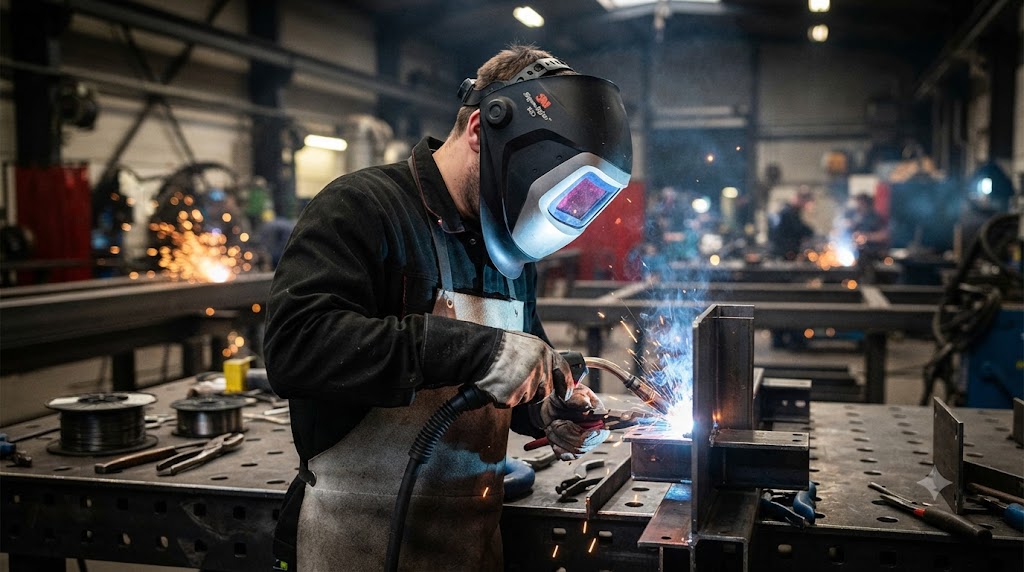
The most important part of your welding helmet is also one of the cheapest, and most welders ignore it until it is too late. The welding helmet cover lens is the thin, clear polycarbonate plate that sits in front of your expensive auto-darkening filter, taking the spatter, sparks, and scratches that would otherwise destroy it. Understanding what it does, when to change it, and how to choose the right one will protect both your view and your wallet. This guide covers everything you need to know about the humble cover lens.
What a cover lens actually does
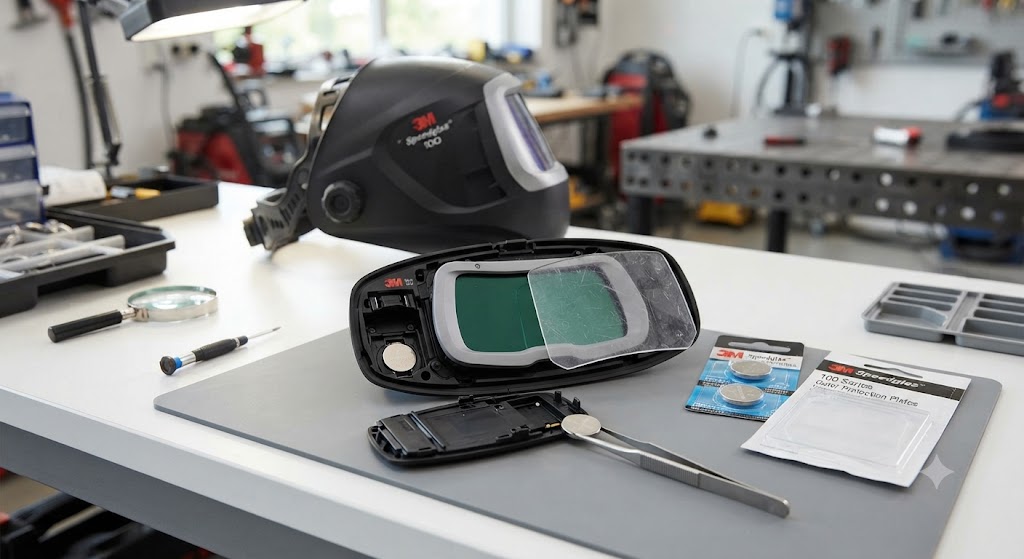
A cover lens, sometimes called a cover plate or spatter lens, is a sacrificial layer. Its whole job is to absorb the physical abuse of welding, the spatter that pits it, the sparks that mar it, and the scratches from handling, so that your auto-darkening filter underneath stays clean and clear. Most helmets use a clear polycarbonate plate on the outside, and many also use a thinner inner cover lens on the eye side of the filter for complete protection. These plates are typically rated to ANSI Z87.1 for impact, adding a genuine safety function on top of protecting the filter.
The key idea is that the cover lens is meant to be replaced regularly. It is far cheaper to swap a scratched cover plate than to replace a damaged auto-darkening cartridge, which is exactly why the cover lens exists.
When to replace it
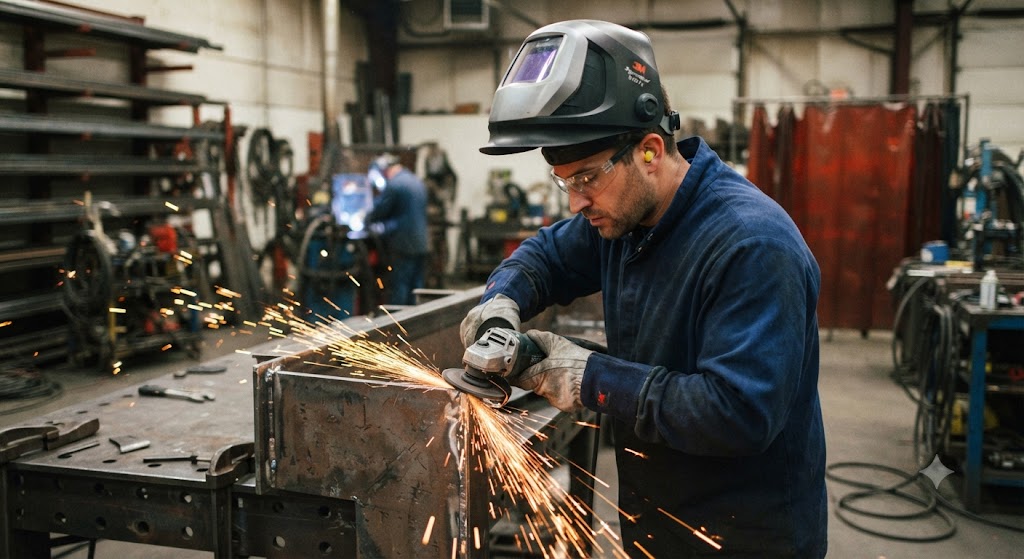
Replace your cover lens as soon as it starts to interfere with your view, and before it fails. Tell-tale signs include a haze that will not wipe clean, visible pitting from spatter, scratches that scatter the light, and any crack or chip. A pitted or hazed cover lens does more than annoy you: it scatters the arc light, strains your eyes, and, importantly, can blind the arc sensors so the lens darkens unreliably. Many welders keep a stack of cover lenses on the bench and change them the moment the view degrades, treating them as the consumable they are.
Choosing the right cover lens
The cardinal rule is to match the cover lens to your specific helmet model. Cover plates come in different sizes and shapes, and each helmet is designed for a particular plate, sometimes with recessed clips that hold the correct lens securely. Using the manufacturer’s specified cover lens, such as the correct plate for a Lincoln Viking, Miller Digital series, or 3M Speedglas, ensures a proper fit and seal. Generic ANSI Z87.1 polycarbonate plates in standard sizes like 2 by 4.25 inches fit many hoods and are sold in economical multi-packs, but always confirm the size and mounting your helmet needs before buying in bulk.
A note on material: most modern cover lenses are polycarbonate for impact resistance, and some welders prefer a glass inner lens for scratch resistance and clarity. Polycarbonate is the safer default for the outer plate because of its impact strength.
Making cover lenses last
You cannot stop a cover lens from wearing, but you can slow it. Position yourself to keep direct spatter off the plate where possible, avoid setting the helmet face-down on abrasive surfaces, wipe the lens gently with a soft cloth rather than a gritty rag, and store the hood where the plate will not get scratched. None of this replaces regular swapping, but it stretches each lens further.
Who should pay special attention? High-spatter welders running flux-cored or heavy MIG go through cover lenses fastest and should always keep a generous supply on hand; running a pitted plate to save a few cents risks a much more expensive filter.
The bottom line
The welding helmet cover lens is the cheapest insurance you can buy for your hood. Keep spares, replace them the moment the view hazes or pits, and always match the plate size and mount to your specific helmet. A fresh cover lens protects your filter, your view, and your eyes for a tiny fraction of the cost of the parts it defends.
Frequently asked questions
What is a welding helmet cover lens? A clear, sacrificial polycarbonate plate mounted in front of and sometimes behind the auto-darkening filter to absorb spatter, sparks, and scratches.
How often should I replace my cover lens? As soon as it hazes, pits, scratches, or cracks enough to affect your view or the sensors, which for heavy welding can be frequently.
Can a dirty cover lens stop my helmet darkening? Yes. A pitted or filthy cover lens can blind the arc sensors, causing the lens to darken unreliably or flicker.
Are welding cover lenses universal? No. Sizes and mounts vary by helmet, though standard sizes like 2 by 4.25 inches fit many hoods. Always confirm the fit for your model.
Should I use glass or polycarbonate cover lenses? Polycarbonate is the safer default outer plate for impact resistance. Some welders use a glass inner lens for scratch resistance and clarity.
Do cover lenses meet safety standards? Quality cover plates are rated to ANSI Z87.1 for impact, adding protection on top of shielding the filter.
References
- ANSI Z87.1 cover plate and impact protection guidance
- Manufacturer replacement lens specifications, Lincoln Electric, Miller Electric, and 3M Speedglas
- American Welding Society, eye protection and lens guidance
- OSHA fact sheet, eye protection during welding