Fiberglass Welding Blanket Guide
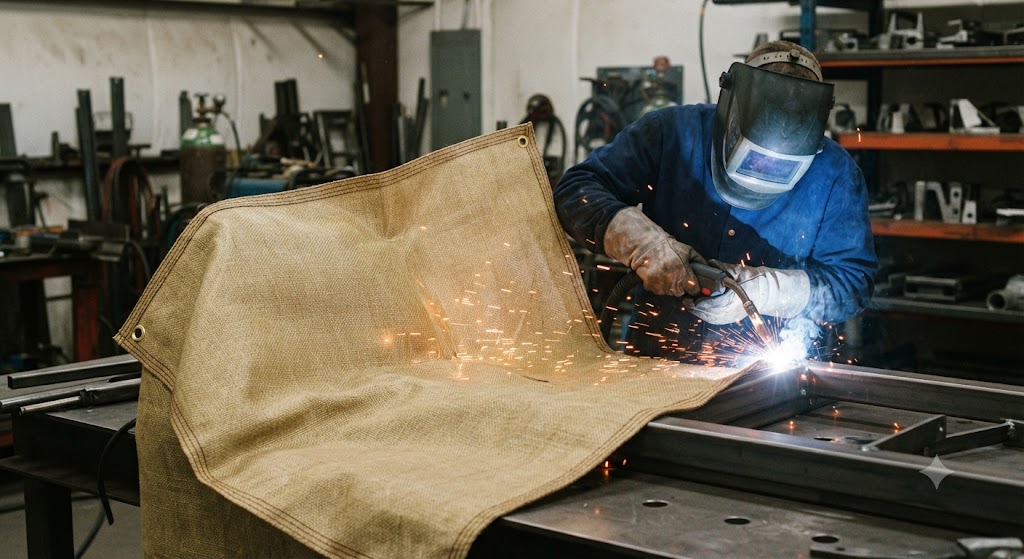
My first fiberglass welding blanket came off a roll at a supply house and cost me almost nothing. I threw it over a hydraulic cylinder I was working next to, ran a short stick bead, and pulled the blanket back to find it had eaten the spatter without a single burn-through. That was fifteen years ago and I have kept one in my truck ever since. If you are looking at fiberglass welding blankets and trying to figure out whether plain fiberglass or silicone coated fiberglass is the right call, this guide walks you through every difference that actually matters on the shop floor.
What a Fiberglass Welding Blanket Is
A fiberglass welding blanket is a heat-resistant sheet woven from spun glass fibers. The fiberglass weave is inherently non-combustible, meaning it does not ignite the way cotton or synthetic fabric does when sparks land on it. Instead it absorbs and disperses heat, protecting whatever surface it covers from welding spatter, sparks, and radiant heat.
Fiberglass welding blankets come in two main forms. Plain woven fiberglass is the most common and the most affordable. The glass fibers are woven into a mat and left uncoated, which gives you a lightweight, flexible blanket that handles temperatures up to around 1000F. Silicone coated fiberglass adds a layer of silicone rubber on one or both faces of the weave. The coating seals the fibers, significantly raises the heat resistance to around 1500 to 1800F depending on coating weight, and makes the blanket much softer and easier to drape over curved surfaces.
Both types are widely used in fabrication shops, job sites, and home garages. The right choice depends on how much heat you are generating and how important handleability is.
Plain Fiberglass or Silicone Coated?
Here is the direct answer. For most home hobby welders doing MIG, TIG, or light stick work, plain woven fiberglass is enough. It handles the heat, costs less, and protects surfaces and floors from the spatter and spark levels you generate. If you run a production shop, do overhead work, or run high-amperage stick welds near surfaces you care about, silicone coated fiberglass is worth the upgrade. It handles more heat, it drapes better over pipes and machines, and the silicone face is significantly easier to clean.
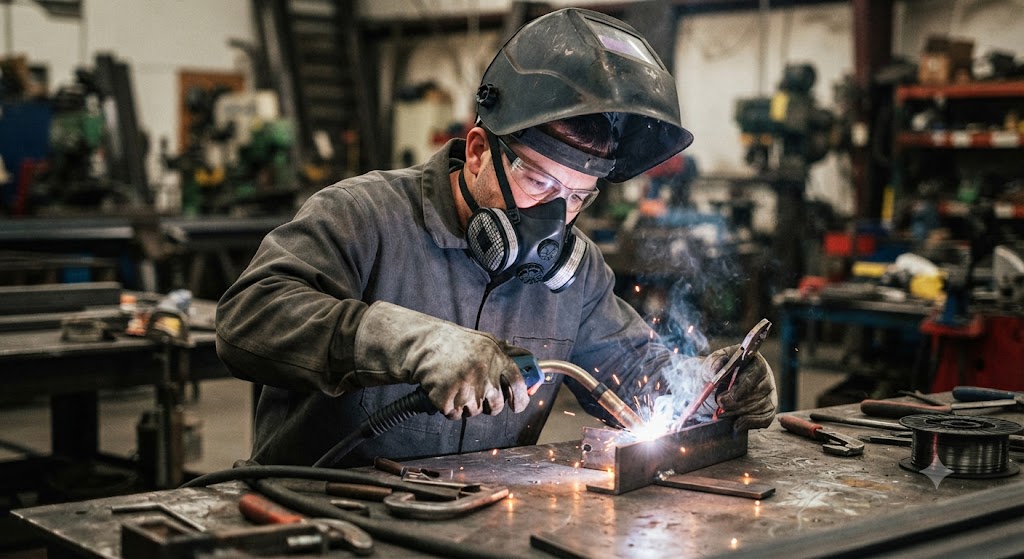
The one thing that surprises people about plain fiberglass is that it sheds fibers. When you fold, cut, or shake a plain fiberglass blanket, you release small glass fiber particles that are a skin and respiratory irritant. Wear gloves and a dust mask when handling raw fiberglass, and do not shake it out indoors without ventilation. Silicone coated fiberglass seals the fibers inside the coating, which almost eliminates the fiber shedding issue and makes the blanket safer to handle daily.
Fiberglass Welding Blanket Types Compared
| Type | Max Heat | Fiber Shedding | Drape | Cost Tier | Best Use |
|---|---|---|---|---|---|
| Plain woven fiberglass | ~1000F | Yes, wear gloves | Stiff | Budget | Home hobby, light production |
| Silicone coated one side | ~1500F | Minimal | Good | Mid | General shop, piping |
| Silicone coated both sides | ~1800F | Almost none | Excellent | Mid to premium | Overhead welding, high heat |
| Heavy woven fiberglass mat | ~1200F | Yes | Very stiff | Budget to mid | Floor protection, heavy slag |
Key Features to Evaluate
Weave density. A tighter weave resists burn-through better and sheds less on its own. Look for blankets that feel heavy and dense rather than thin and loose.
Grommets. Quality grommets let you hang the blanket vertically for overhead work or pipe runs. Brass grommets resist corrosion better than raw steel. Reinforced grommet holes survive being yanked off hooks repeatedly; un-reinforced holes tear.
Edge binding. Stitched edge binding keeps the blanket together at the margins. Blankets with bound edges last much longer than those with raw cut edges, which fray and shed from the outside in.
Thickness. Thicker blankets absorb more heat before a burn-through. For overhead work where a red-hot spatter drop sits on the blanket for a moment, thicker is safer.
Size. Standard sizes run from 3x3 feet for tight access work to 6x8 feet for general shop coverage. Buy bigger than you think you need. A blanket that is slightly oversized costs nothing extra and covers more exposure.
Brands Worth Knowing
Tillman makes a range of fiberglass blankets from light plain weave through heavy carbonized fiber options, and their build quality is consistent enough that they are a go-to for professional shops. Steiner produces their Velvet Shield line from carbonized acrylic, which is technically not fiberglass but serves the same role with less fiber-shedding and higher heat tolerance. YESWELDER and VEVOR produce value-tier plain fiberglass blankets that suit home use well at a budget price point. SVALINN offers a popular silicone coated option that has good grommet placement and solid binding for the home shop category.
If you are buying for a job site or a production shop, Tillman and Steiner are the choices that hold up to being used and abused every week. If you are buying for a home garage, YESWELDER and VEVOR deliver enough quality to protect your floor and machines.
Handling and Health Precautions
Plain fiberglass releases glass fibers when handled. These fibers cause skin irritation, eye irritation, and respiratory irritation at high concentrations. When working with plain fiberglass blankets, always wear gloves, do not shake them out in a confined space, and wash your hands and forearms after handling. If you are cutting fiberglass to size, wear a dust mask and eye protection.
Silicone coated blankets significantly reduce this hazard since the coating locks the fibers in place, but they are still not completely fiber-free once the coating starts to crack with age.
How Long Does a Fiberglass Welding Blanket Last?
With proper use, a quality silicone coated fiberglass blanket in a professional shop lasts one to three years before it develops enough burn-throughs and worn areas to no longer be trustworthy. Plain fiberglass blankets used for heavy overhead work degrade faster. A home garage hobbyist using a plain fiberglass blanket occasionally can expect it to last many years before it needs replacing.
Replace any blanket that has burn-throughs larger than a quarter near the center, that is fraying badly at the edges, or that is being used overhead and shows thinning. A failed blanket over your head is a hazard, not a protection.
The Right Pick for the Work
For a home hobbyist, buy a plain woven fiberglass blanket in a 4x6 or 6x8 and handle it with gloves. For a professional shop doing daily production welding, invest in a silicone coated blanket and replace it when it shows sustained wear. For overhead work, high-amperage applications, or anything involving sustained arc contact near the blanket, silicone coated both sides or a carbonized fiber alternative is the right call. Fiberglass blankets are cheap insurance that most welders use too little and replace too late.
Frequently Asked Questions
How hot can a fiberglass welding blanket get? Plain woven fiberglass typically handles up to around 1000F. Silicone coated fiberglass handles up to 1500 to 1800F depending on coating weight and thickness.
Is fiberglass welding blanket fiber shedding dangerous? Yes, at high concentrations the glass fibers are a skin, eye, and respiratory irritant. Always wear gloves when handling plain fiberglass blankets, and do not shake them out in poorly ventilated spaces.
Can I cut a fiberglass welding blanket to size? Yes, but always wear a dust mask and gloves when cutting, and do not cut indoors without ventilation. After cutting, the raw edge will shed fibers unless you bind it with high-temperature tape or stitching.
How do I clean a silicone coated welding blanket? Brush off loose slag and spatter with a stiff brush. Wipe the silicone face with a damp rag for surface contamination. Do not machine wash fiberglass blankets.
What size welding blanket should I buy for a home garage? A 4x6 foot blanket covers most single-joint work. A 6x8 foot blanket is the better choice if you regularly work on larger pieces or want to cover a wider floor area around the weld joint.
Do all fiberglass welding blankets have grommets? Most do, but not all. Check before you buy if you need to hang the blanket. Blankets without grommets are floor-only options.
Which is better, plain fiberglass or silicone coated? Silicone coated is better for almost every situation except pure cost. It handles more heat, sheds fewer fibers, drapes better, and is easier to clean. Buy plain fiberglass only if you are working within its heat rating and budget is the primary constraint.
How often should I replace my welding blanket? Replace any blanket that has burn-throughs you can fit a finger through, heavy fraying at the edges, or thinning areas from regular slag contact. For overhead use, replace sooner rather than later.
References
https://www.osha.gov/laws-regs/regulations/standardnumber/1910/1910.252 https://www.nfpa.org https://www.tillmangloves.com https://www.steinerindustries.com
SEO Title: Fiberglass Welding Blanket Guide