Welding Rod Storage Containers and Canisters Guide
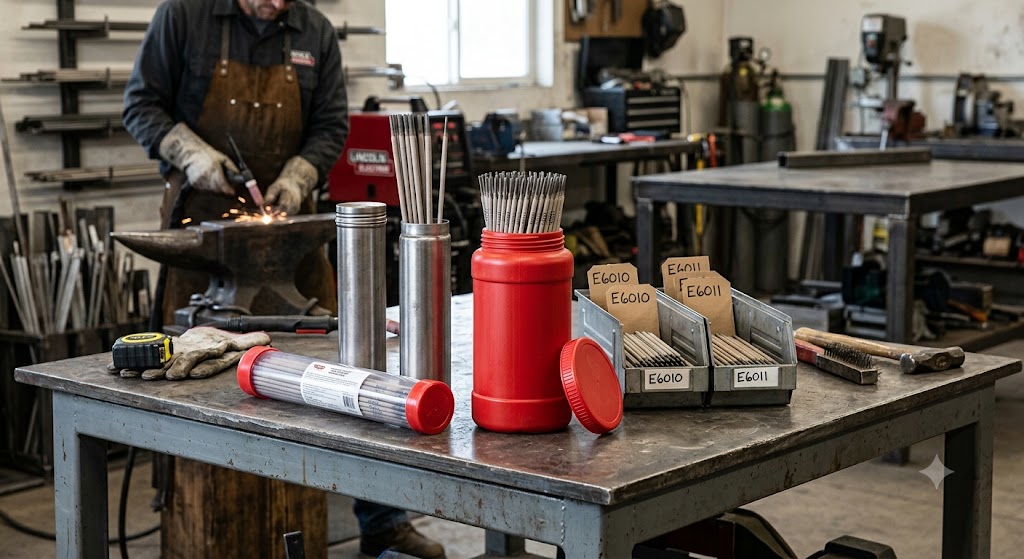
Not every welder needs a heated oven, but every welder needs to keep rods from turning into junk. Left loose in a drawer or a torn cardboard box, welding rods pick up moisture, rust at the ends, and get bent or contaminated. A sealed storage container or canister is the simple fix: an airtight tube that keeps rods dry, organized, and protected between uses. This guide covers what these containers do, the honest line on whether a tube can replace an oven, and which to buy.
Welding rod storage containers are airtight, waterproof tubes or canisters that keep welding electrodes dry, clean, and organized. They protect rods from moisture and damage but do not heat, so they suit already-dry rods and non-critical work. Here is how to choose.
Why use storage containers
A good container solves several everyday problems:
- Moisture protection, sealing rods away from humid air that causes rust and porosity.
- Physical protection, keeping electrodes from bending, chipping, or getting contaminated.
- Organization, separating rod types and sizes so you grab the right one.
- Portability, carrying a working supply to the job in a tough tube.
For keeping rods usable between welding sessions, an airtight container is simple insurance against ruined electrodes.
Direct answer: what to look for
When choosing rod storage containers, weigh these features:
- An airtight, waterproof seal, typically a threaded cap with an O-ring or neoprene gasket.
- Tough construction, high-impact polyethylene or ABS that survives a shop or truck.
- The right length for your rods, commonly 14 inch, with longer tubes for TIG filler.
- Labeling such as a key tag or color so you can tell rod types apart.
- Room for desiccant, so you can add a moisture-absorbing pack inside.
Strong choices include Zonon multi-packs of sealed tubes and made-in-USA Rod Guard canisters.
Container versus oven
Here is the honest question people ask: can a sealed tube replace a rod oven? The answer depends on the rod and the work. For rods that are already dry, and for general or non-critical welding, a good airtight container keeps electrodes dry and protected between uses, and adding a desiccant pack improves that further. But a container does not heat, and once low-hydrogen rods like 7018 have been opened and exposed, a sealed tube slows moisture pickup rather than actively driving moisture out the way a heated oven does. So for code, structural, or critical low-hydrogen work, an oven is still the right tool to guarantee dry rods, while a sealed container is ideal for keeping already-dry rods dry, storing general rods, and organizing your supply. Think of containers and ovens as partners, not competitors.
Materials and seals
What separates a good container from a flimsy one is the seal and the material. Look for a threaded screw-on cap with an O-ring or neoprene gasket, which is what actually keeps humid air and water out; a loose friction lid does far less. Quality tubes are made of high-impact polyethylene or tough ABS, thick enough to take a drop or a knock in a truck bed, and the best canisters are certified chloride-free so they will not contaminate the electrodes. Some heavier tubes are even rated to accept rods that have been warmed (around 250 degrees F) straight from an oven, keeping them dry on the way to the joint. A key tag or color coding on each tube lets you separate 6013 from 7018 from stainless at a glance, which matters more than it sounds when you are reaching for a rod mid-job.
Add a desiccant
A simple habit that makes any container better: drop a desiccant pack inside. Silica gel, especially the indicating type that changes color when it is saturated, pulls the small amount of moisture out of the sealed air and keeps the interior genuinely dry between openings. It is a minor addition that meaningfully improves how well a container protects moisture-sensitive rods, and you can dry the packs out and reuse them. For anyone storing rods in a humid climate, desiccant plus a good airtight tube is a strong low-tech combination.
Which storage containers to buy
Here are three solid options.
- Zonon 4-piece welding rod storage tubes (14 inch) are airtight, waterproof high-impact polyethylene tubes with key tags for labeling, a practical multi-pack for separating and protecting rod types. Their limitation is that, like any tube, they store rather than heat, so pair them with an oven for critical low-hydrogen rods.
- Rod Guard 14 inch electrode canisters (4 pack) are made-in-USA high-impact polyethylene canisters with a threaded neoprene-sealed cap, holding up to 10 pounds each and certified chloride-free for reliable, contamination-free protection. The trade-off is that they are storage canisters, not heated ovens.
- Zonon 8-piece welding rod holder tubes are tough ABS tubes in a larger multi-pack, ideal if you run many rod types and sizes and want a labeled tube for each. Their limitation is the same as any sealed tube: protection and organization, not active drying.
How to choose: for a versatile airtight set, the Zonon 4-piece tubes. For rugged made-in-USA canisters with a proven seal, the Rod Guard 4 pack. For organizing many rod types, the Zonon 8-piece set.
Who should skip storage tubes: welders doing only critical code work who keep everything in a heated oven anyway, though even they benefit from tubes for carrying rods to the joint.
The bottom line
Welding rod storage containers are the simple, everyday way to keep electrodes dry, clean, and organized between uses. Look for an airtight threaded cap with an O-ring or neoprene seal, tough high-impact polyethylene or ABS construction, the right length for your rods, and clear labeling, then drop in a desiccant pack for extra moisture control. Just be clear on what they do: they protect and organize already-dry rods, but they do not heat, so critical low-hydrogen work still needs an oven. The Zonon tubes cover general storage well, and the made-in-USA Rod Guard canisters bring a proven, chloride-free seal. Keep your rods sealed, and you will not throw away rusted electrodes again.
FAQ
Can a storage tube replace a rod oven? For already-dry rods and general or non-critical welding, a good airtight tube keeps electrodes dry and protected, and desiccant helps further. But a tube does not heat, so it slows moisture pickup rather than driving moisture out. For code or critical low-hydrogen work, a heated oven is still needed to guarantee dry rods.
What makes a good welding rod container seal? A threaded screw-on cap with an O-ring or neoprene gasket, which actually keeps humid air and water out, unlike a loose friction lid. Combined with thick, tough construction, that seal is what protects rods from moisture and damage. Chloride-free material is a plus so the container will not contaminate electrodes.
What are welding rod canisters made of? Quality canisters and tubes are made of high-impact polyethylene or tough ABS, thick enough to survive drops and knocks in a shop or truck. The better canisters are also certified chloride-free to avoid contaminating electrodes, and some heavier tubes are rated to accept rods warmed straight from an oven.
Should I put desiccant in my rod storage? Yes, it helps. A silica gel pack, especially the indicating type that changes color when saturated, pulls moisture from the sealed air and keeps the interior dry between openings. It is a small addition that improves protection for moisture-sensitive rods, and the packs can be dried out and reused.
What length rod storage tube do I need? Match the tube to your electrodes. Many stick rods are 14 inches, so 14 inch tubes are the common choice, while longer tubes suit TIG filler rods. Check the tube’s stated length against your rods so they fit fully inside with the cap sealed.
Can you store different rod types in the same container? You can store them in the same set of tubes, but keep each rod type in its own labeled tube rather than mixing them. Separating types by tube, using key tags or color coding, prevents grabbing the wrong electrode mid-job and keeps each type cleanly protected.
References
- Rod Guard electrode canister specifications, including material, seal, and chloride-free construction (manufacturer), rodguard-style canister product data.
- Lincoln Electric and Hobart guidance on electrode storage and moisture control (manufacturers), lincolnelectric.com, hobartbrothers.com.
- AWS guidance on storage and handling of low-hydrogen electrodes (industry standards), aws.org.