Welding Jacket Shrunk After Washing: What to Do
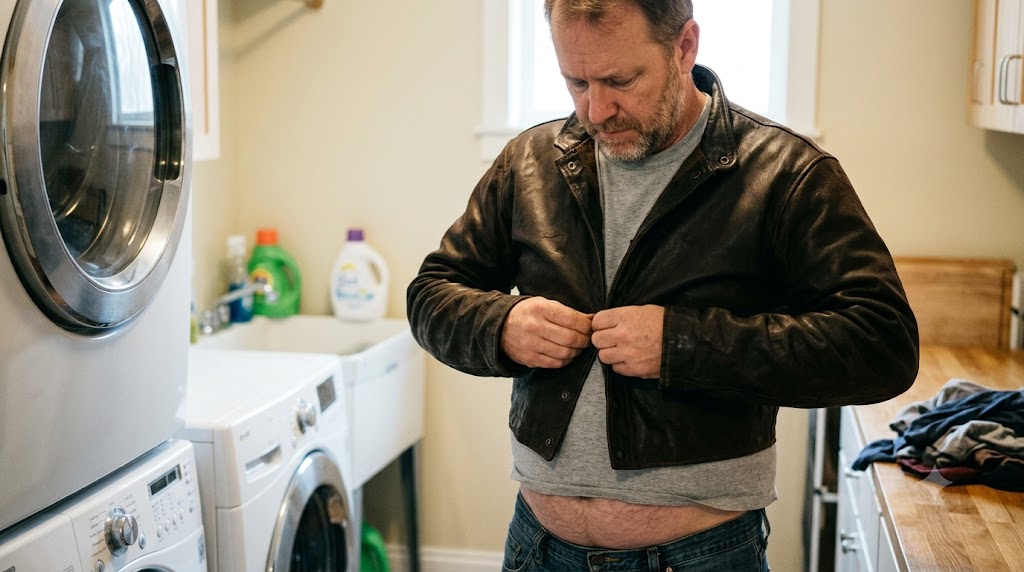
You pulled your welding jacket out of the wash and now the sleeves end three inches above your wrist. The back is tight across the shoulders. You put it on and feel like you borrowed it from someone smaller. It went into the machine a work jacket. It came out a problem.
This happens regularly, and it happens for specific reasons. Whether you can recover from it depends on the material, how much it shrank, and what you do next.
Why welding jackets shrink
Most welding jackets use one of three materials: FR (flame resistant) cotton, leather, or a hybrid with an FR cotton shell and leather reinforcements at the shoulders and elbows.
Each material behaves differently in the wash.
FR cotton shrinks because of heat. Cotton fibers relax and contract when exposed to hot water and dryer heat. FR-treated cotton is no exception. The chemical treatment that gives it flame resistance does not prevent the fiber from shrinking. Hot water and a tumble dry cycle can shrink an FR cotton jacket significantly, especially on the first or second wash.
Leather shrinks from water. Full leather welding jackets are not designed to be machine washed. When leather is submerged in water, the fibers tighten and compact as they dry. Without proper conditioning afterward, the leather sets in its shrunken state and becomes stiff and uncomfortable.
Hybrid jackets can shrink unevenly. The cotton portions react to heat. The leather portions react to water. A hybrid jacket washed incorrectly can end up with different amounts of shrinkage in different sections, which makes it harder to recover and re-fit.
Can you unshrink a welding jacket?
Sometimes, partially. The results depend on material and severity.
FR cotton jackets can sometimes be partially restored. The method involves wetting the jacket with cool or lukewarm water (not hot), gently stretching it while damp, and laying it flat to dry away from direct heat. Work from the stress points outward: the shoulders, the cuffs, and the back seam. You will not recover a full inch of shrinkage this way, but small amounts of tightening can sometimes be coaxed back.
Do not repeat the process multiple times. Re-wetting and stretching weakens the cotton fiber over time.
Leather jackets are harder to restore. Conditioners like neatsfoot oil can soften the leather and help regain some pliability, but leather that has been machine-washed has often set in its shrunken shape. Work a heavy coat of leather conditioner into the jacket while it is slightly damp, stretch the sleeve and back seams gently, and let it air dry slowly away from heat. Results vary significantly depending on the jacket and how much shrinkage occurred.
Hybrid jackets follow whichever rule applies to the affected section. If only the FR cotton portion shrank, treat the cotton. If the leather yoke or sleeves changed shape, treat the leather.
How to wash a welding jacket correctly to prevent shrinkage
Prevention is easier than recovery.
For FR cotton welding jackets:
- Wash in cold water only. Never warm or hot.
- Use a gentle cycle with mild detergent. Avoid bleach or fabric softener: bleach degrades FR treatments and softener reduces flame resistance.
- Do not put FR cotton in the dryer. The tumble heat is what causes most shrinkage. Hang dry or lay flat to dry at room temperature.
- Do not dry clean. Some dry cleaning solvents strip FR treatments from the fabric.
For leather welding jackets:
- Machine washing is not recommended under any circumstances.
- Spot clean leather with a damp cloth and saddle soap for localized stains.
- For deeper cleaning, use a leather cleaner applied with a soft cloth, working in small sections.
- Condition after every cleaning with neatsfoot oil or a quality leather conditioner.
For hybrid jackets:
- Follow the FR cotton rules for the wash cycle (cold water, gentle, hang dry).
- Spot clean leather sections separately rather than immersing the leather reinforcements.
What if the jacket shrank too much to fix?
If the jacket has shrunk significantly and stretching has not recovered enough size to wear it safely, replace it. A welding jacket that does not cover your wrists and lower back is a safety item that has failed. Gaps at the cuffs expose your forearms to spatter. A tight back means the jacket pulls away from your pants when you crouch or reach.
The cost of a replacement jacket is real, but a jacket that does not fit correctly is not protecting you correctly.
Reading the care label first
Every welding jacket sold in the US should have a care label. For FR garments in particular, the care label includes the specific washing and drying instructions that maintain the flame resistant treatment. If the label says cold water only and line dry, those instructions exist because the FR certification depends on them.
Washing an FR garment incorrectly does not just risk shrinkage. In some cases, particularly with topically treated FR cotton, repeated hot washing can degrade the FR treatment itself over time, even if the jacket does not visibly shrink.
Frequently asked questions
Can welding jackets be washed in a washing machine? FR cotton welding jackets can be machine washed on a cold, gentle cycle without the dryer. Full leather jackets should not be machine washed. Hybrid jackets should follow FR cotton guidelines, with leather sections spot-cleaned separately.
Why did my FR welding jacket shrink? Hot water and dryer heat cause cotton fibers to contract. If your FR jacket went through a warm or hot wash cycle, or through a dryer, those are the most likely causes of shrinkage.
Can you unshrink a welding jacket? Partially, in some cases. Dampening an FR cotton jacket with cool water and gently stretching it while flat can recover some tightening. Leather jackets respond to heavy conditioning while damp. Neither method fully reverses severe shrinkage.
Does washing an FR jacket affect its flame resistance? It can. Topically treated FR garments can lose effectiveness if washed incorrectly over time. Always follow the care label. Inherently FR fabrics like Nomex or Indura Cotton maintain their protection through washing, but still benefit from the correct wash temperature and detergent.
How often should a welding jacket be washed? For heavy daily use, washing every two to three weeks is reasonable. For occasional use, when visibly soiled or when the inside starts retaining odor. Never wash more often than necessary: every wash cycle puts stress on the fibers and, for topically treated FR fabric, on the treatment.
Should you dry clean a welding jacket? Not for FR cotton garments. Some dry cleaning solvents strip the FR treatment. Check the care label. For leather jackets, some specialists offer leather cleaning services that may be appropriate, but a professional should evaluate the jacket before treatment.
References
- National Fire Protection Association (NFPA) 2112, standard for flame-resistant garments
- Occupational Safety and Health Administration (OSHA), personal protective equipment standards for welding
- American National Standards Institute (ANSI), guidelines on FR garment care