Welding Lens Shade Guide: Which Shade for Which Process?
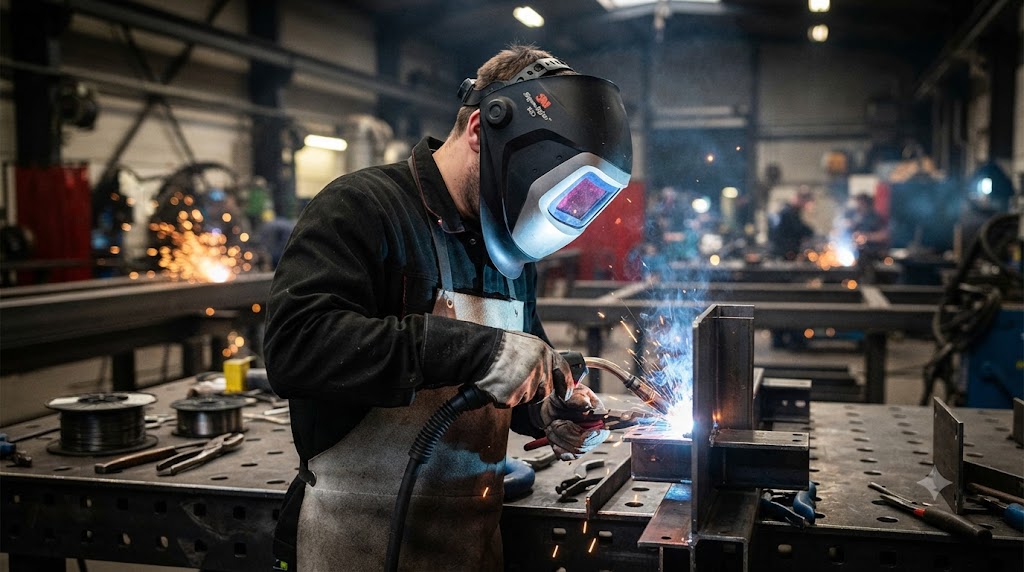
The shade number on a welding lens determines how much light is filtered. Using the wrong shade results in either eye strain and arc flash (too light) or inability to see the weld puddle clearly (too dark). Here is the complete shade selection guide by welding process and amperage.
What Shade Lens Do I Need?
The AWS and OSHA recommend minimum shade numbers by process and current level:
MIG Welding (GMAW)
| Amperage | Minimum Shade | Recommended Shade |
|---|---|---|
| Under 60A | 7 | 10 |
| 60–160A | 10 | 11 |
| 160–250A | 10 | 12 |
| Over 250A | 10 | 14 |
Most shop MIG welding (150–200A): Shade 10–11 is the most common choice.
Stick Welding (SMAW)
| Amperage | Minimum Shade | Recommended Shade |
|---|---|---|
| Under 100A | 10 | 11 |
| 100–200A | 10 | 12 |
| 200–400A | 10 | 13–14 |
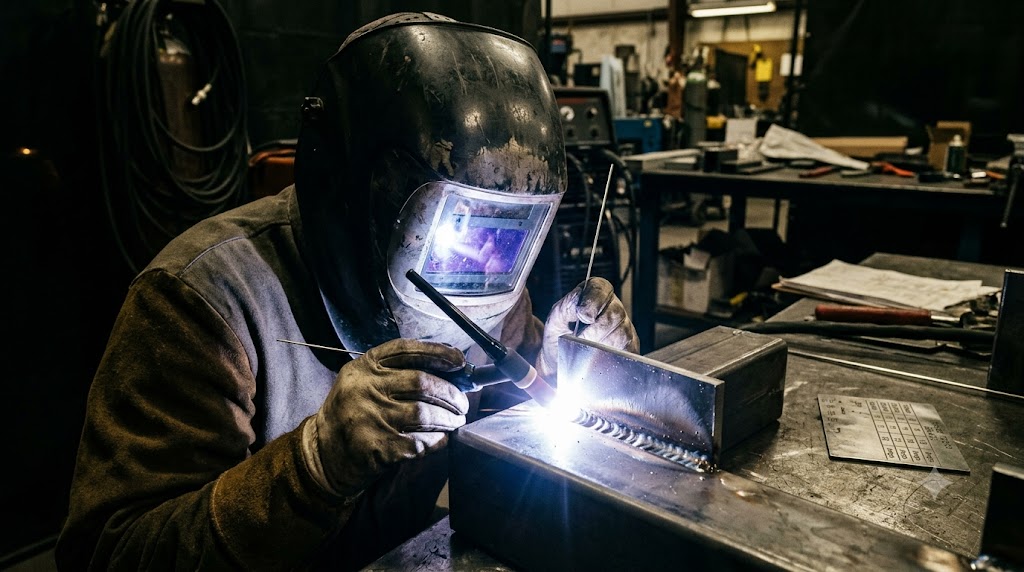
TIG Welding (GTAW)
| Amperage | Minimum Shade | Recommended Shade |
|---|---|---|
| Under 50A | 8 | 10 |
| 50–150A | 8 | 11 |
| 150–500A | 10 | 12–13 |
TIG note: Many experienced TIG welders run shade 9–10 to maximize puddle visibility during low-amperage precision work.
Flux-Core (FCAW)
| Amperage | Recommended Shade |
|---|---|
| 60–160A | 10–11 |
| 160–250A | 11–12 |
| Over 250A | 12–14 |
Plasma Cutting
| Amperage | Recommended Shade |
|---|---|
| Under 20A | 6 |
| 20–40A | 8 |
| 40–60A | 9 |
| Over 60A | 10–12 |
Oxy-Acetylene Welding
| Application | Recommended Shade |
|---|---|
| Light brazing | 3–4 |
| Medium brazing | 4–5 |
| Heavy cutting/welding | 5–6 |
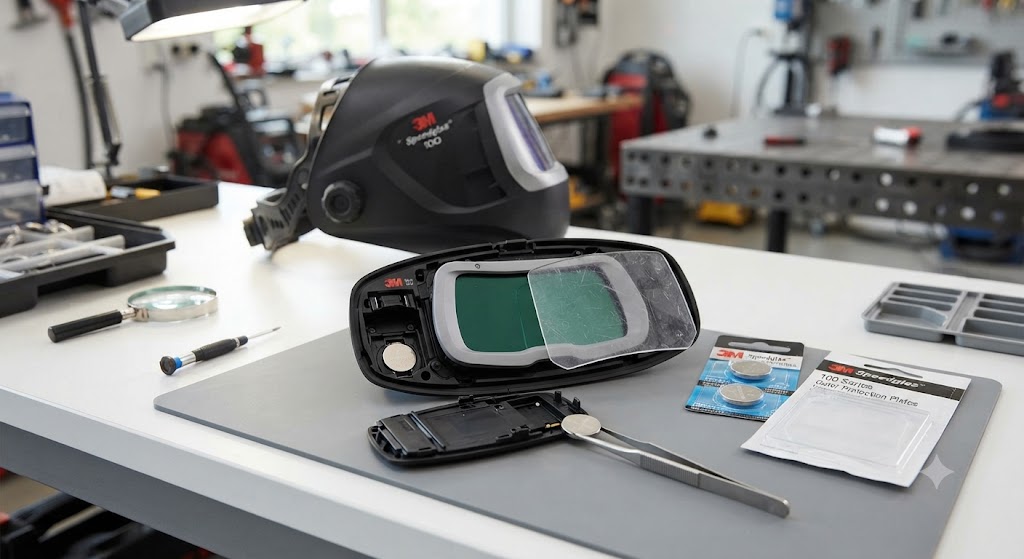
Auto-Darkening Helmet Shade Settings
For variable auto-darkening helmets (shade 9–13 range):
- Set the shade manually to match the recommended shade for your process and amperage
- Sensitivity adjustment controls how quickly the lens responds to arc strike - set to medium for most applications; increase for low-amperage TIG
- Delay adjustment controls how long the lens stays dark after the arc extinguishes - short delay for tack welding; longer delay for hot starts and high-amperage work where afterglow is significant
Common setting: Shade 10, medium sensitivity, short-to-medium delay - works for most shop MIG and stick welding.
Is a Darker Shade Always Safer?
No. Using a shade that’s too dark:
- Reduces visibility of the weld puddle, leading to poor bead control
- Causes welders to move closer to the work to see better, which increases UV exposure to skin
- Creates eye strain from straining to see
The correct shade is the darkest shade that still allows clear visibility of the weld puddle. Within the OSHA minimum range, personal preference and optical quality of the helmet lens both affect the optimal shade selection.
Shade Numbers for Grinding and Cutting
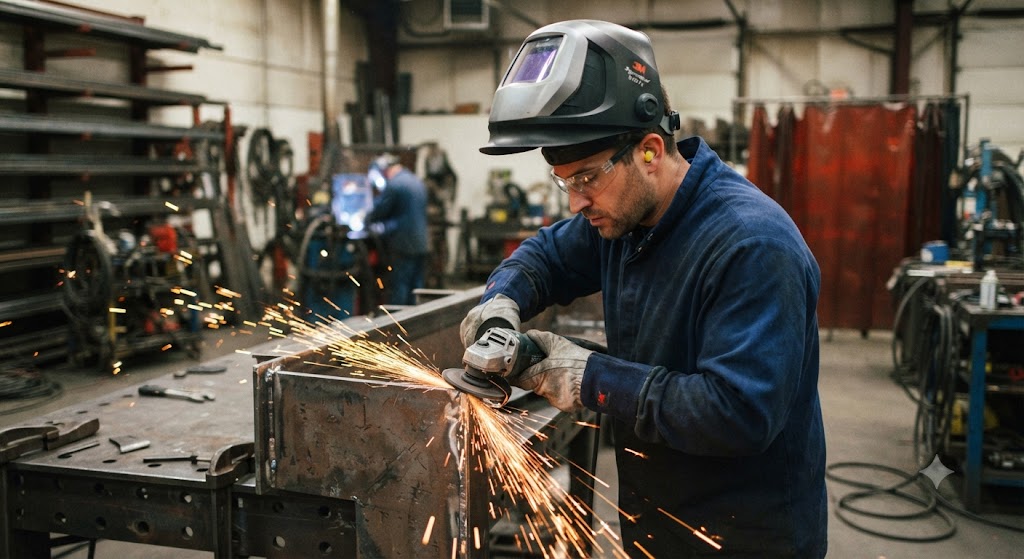
- Grinding: Shade 3–5 flip glasses (Pyramex shade 3.0, ) or clear safety glasses. No arc - protection is from particles, not light.
- Plasma cutting: Shade 6–10 depending on amperage (see chart above)
- Torch cutting (oxy-fuel): Shade 5–6 for most applications
FAQs
What shade lens do I need for MIG welding? Shade 10–11 for most shop MIG welding at 150–200A. Shade 12–13 for high-amperage work over 250A.
What shade lens do I need for TIG welding? Shade 9–11 for most TIG applications. Many experienced TIG welders use shade 9–10 at low amperages to maximize puddle visibility.
Is a darker shade always safer? No - using too dark a shade reduces weld puddle visibility, causing poor bead control and eye strain. Use the darkest shade that still allows clear puddle visibility, staying at or above the OSHA minimum for your process.