gear apparel
Read Article What Is a Root Pass in Welding? Explained
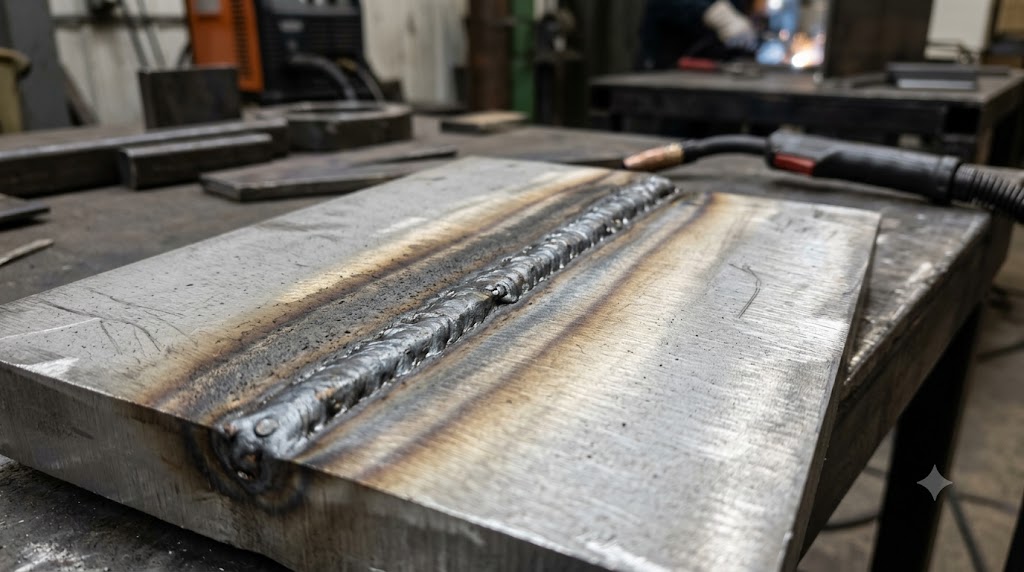
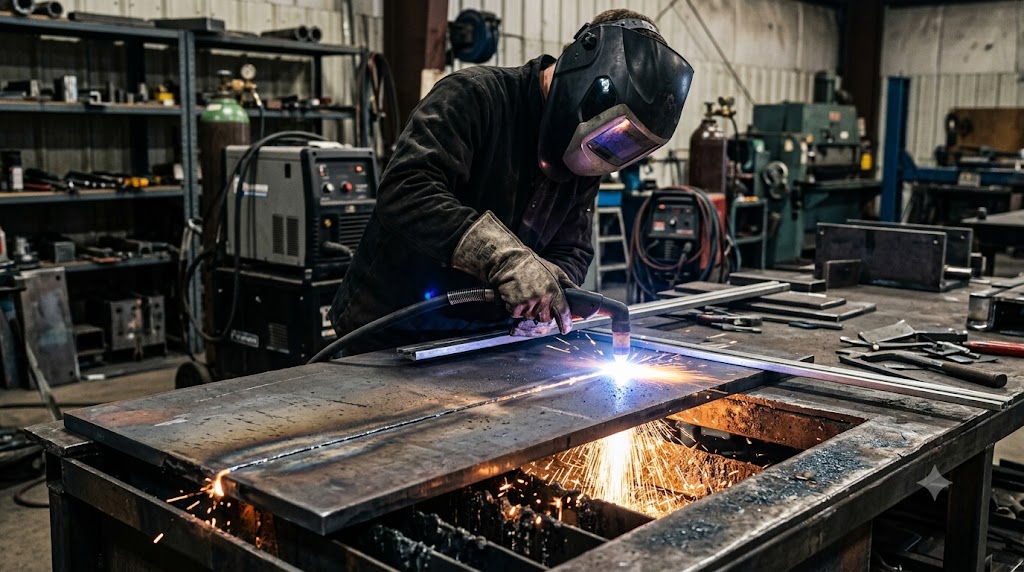
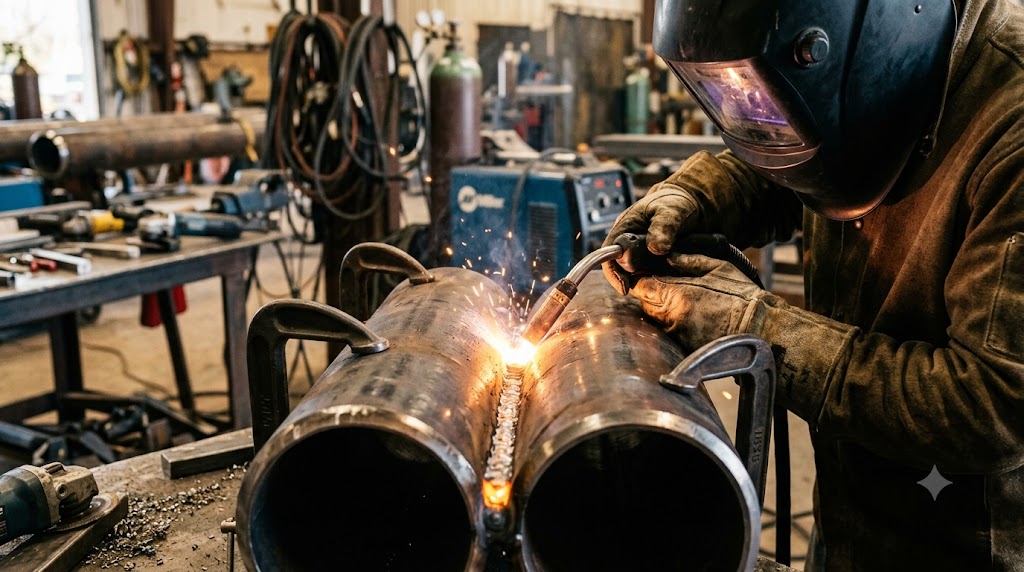
The root pass is the first pass in a joint and the foundation of the weld. Learn why it matters most, how it fits with hot, fill, and cap passes, and why its hard.

Browse our complete collection of auto-darkening helmet reviews, glove tests, protective jacket sizing guides, and welding safety checklists.
The root pass is the first pass in a joint and the foundation of the weld. Learn why it matters most, how it fits with hot, fill, and cap passes, and why its hard.
Duty cycle is how long a welder can run at a given amperage before cooling. Learn how to read it, why it changes with amps, and how to pick the right machine.
The heat-affected zone is base metal near a weld changed by heat, often the weakest, most brittle part. Learn what the HAZ is and how to control it.
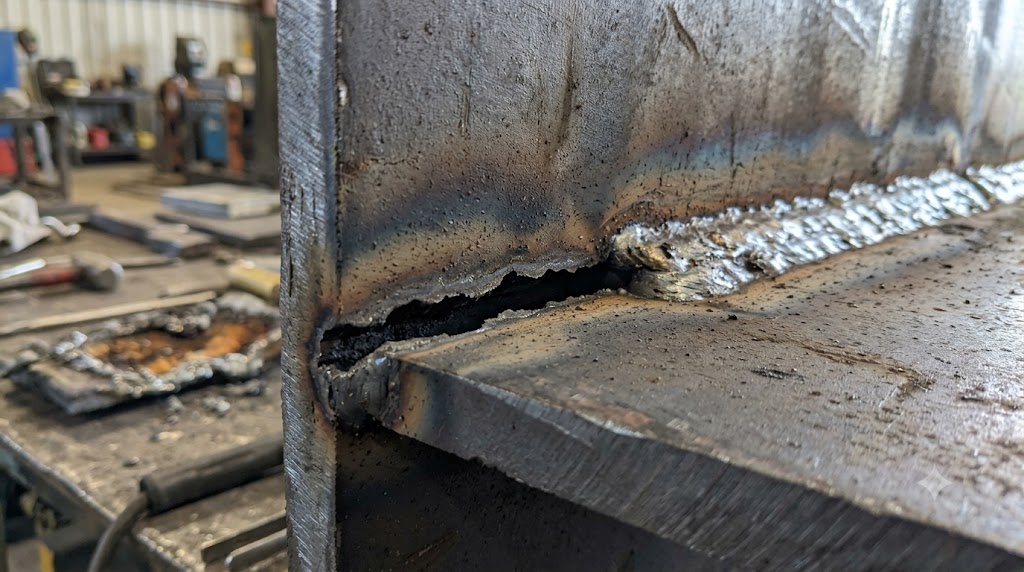
Lack of fusion is weld metal that never bonded to the base metal or prior pass. Learn what causes it, how it relates to cold lap, and how it is detected.
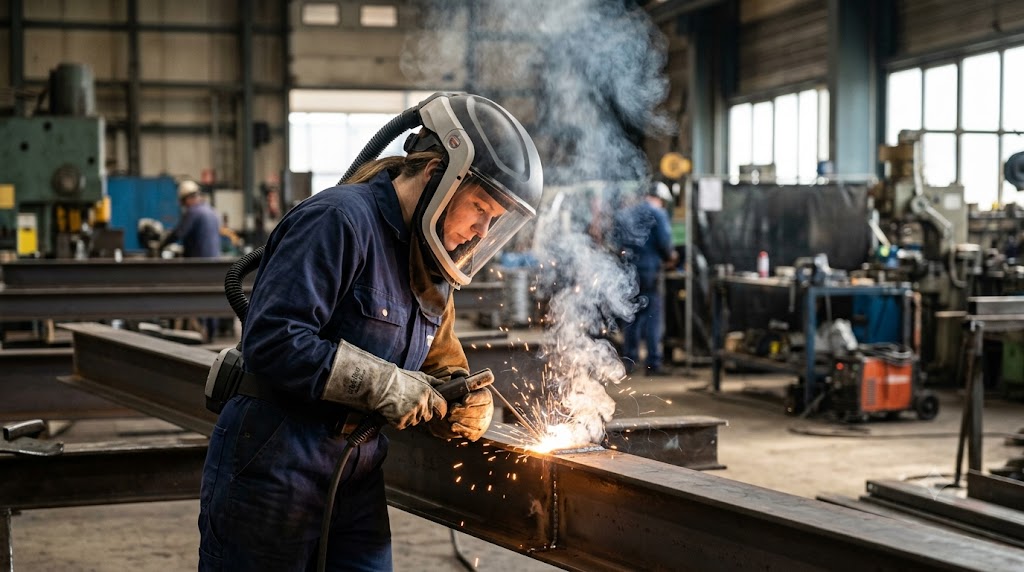
Metal fume fever is a flu-like illness from inhaling zinc oxide when welding galvanized steel. Learn its causes, symptoms, and why respiratory protection matters.
Plasma cutting slices conductive metal with a superheated jet of ionized gas. Learn how it works, what gas it uses, and how it compares to laser cutting.
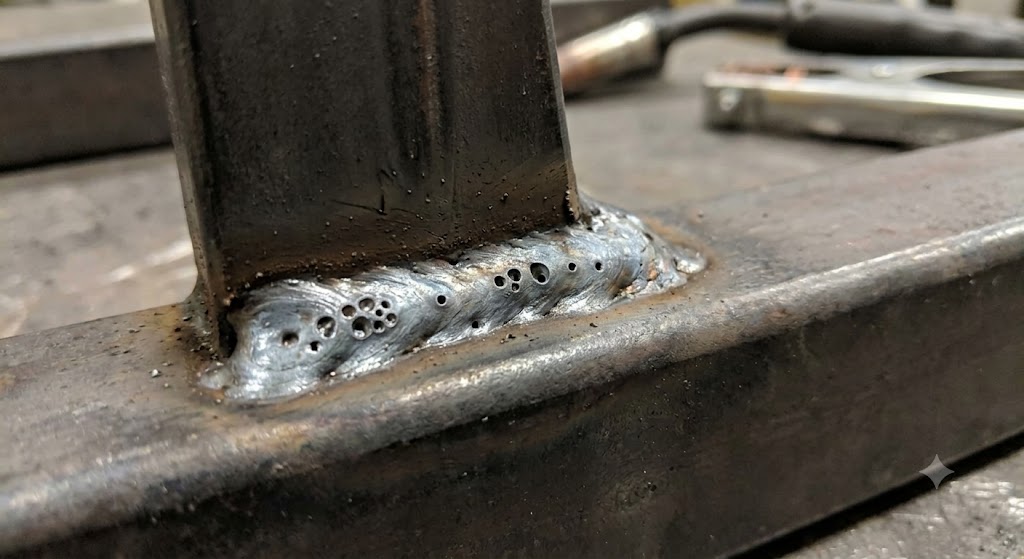
Porosity is gas trapped in a weld as it solidifies, leaving holes that weaken it. Learn what causes porosity in welding and how to prevent it.
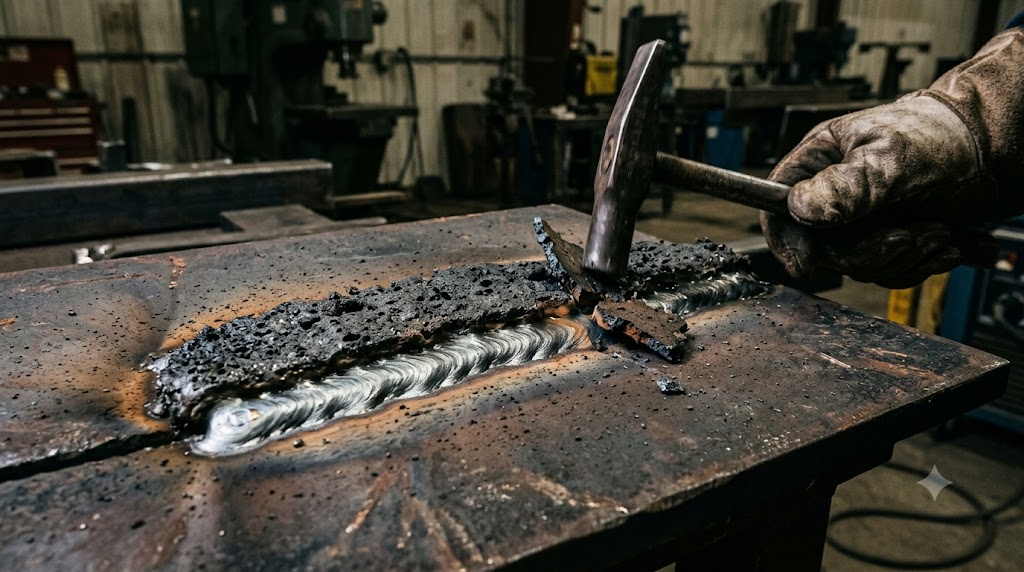
Slag is the hardened flux layer over a weld that shields it while cooling. Learn why slag forms, what it does, how it differs from spatter, and why to remove it.
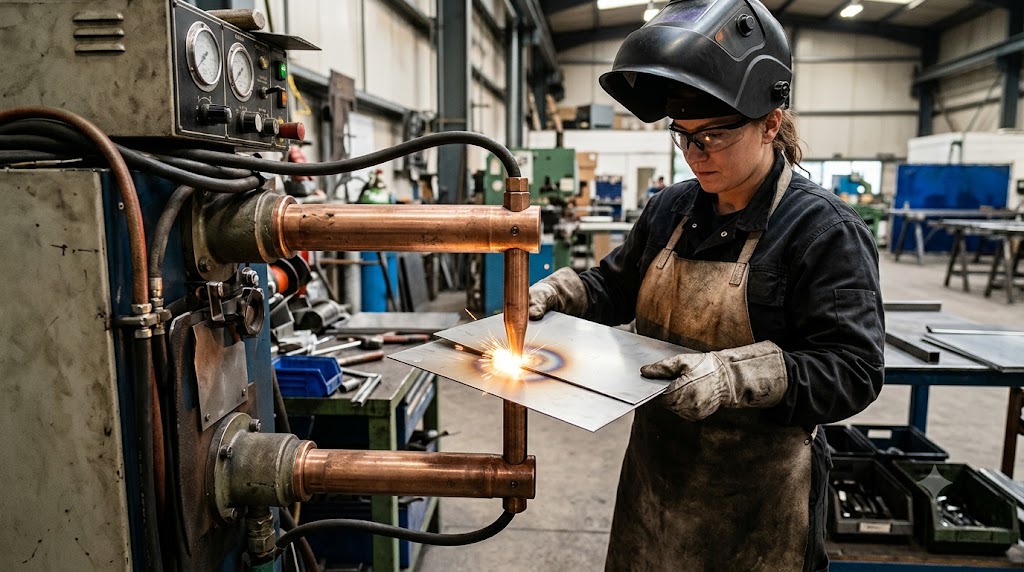
Spot welding fuses sheet metal with pressure and current, forming a weld nugget. Learn how resistance spot welding works and why cars are full of it.