learn
Read Article How Does TIG Welding Work? Full Explainer
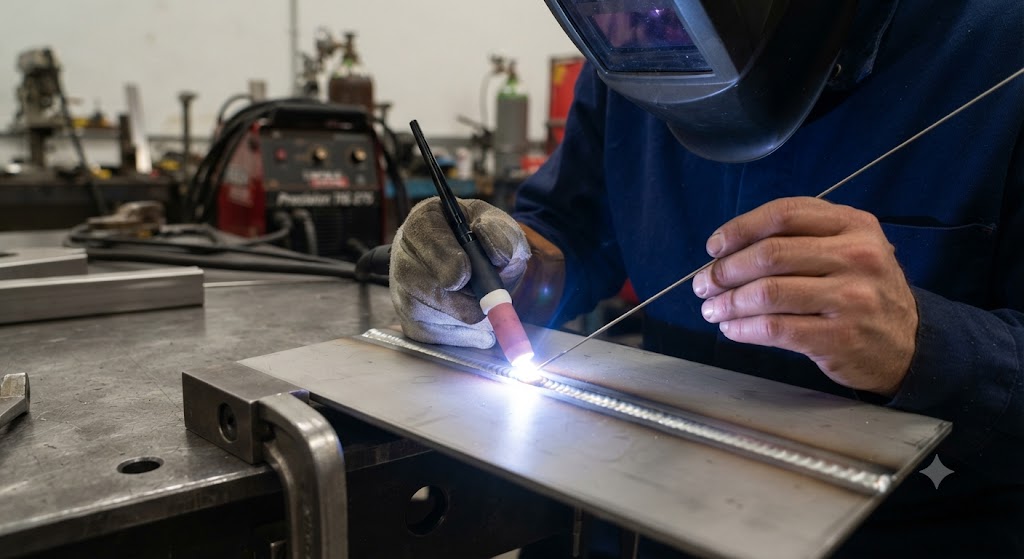
TIG welding uses a non-melting tungsten electrode, argon gas, and hand-fed filler. Learn how a TIG welder works, from the foot pedal to high frequency start.

Browse our complete collection of auto-darkening helmet reviews, glove tests, protective jacket sizing guides, and welding safety checklists.
TIG welding uses a non-melting tungsten electrode, argon gas, and hand-fed filler. Learn how a TIG welder works, from the foot pedal to high frequency start.
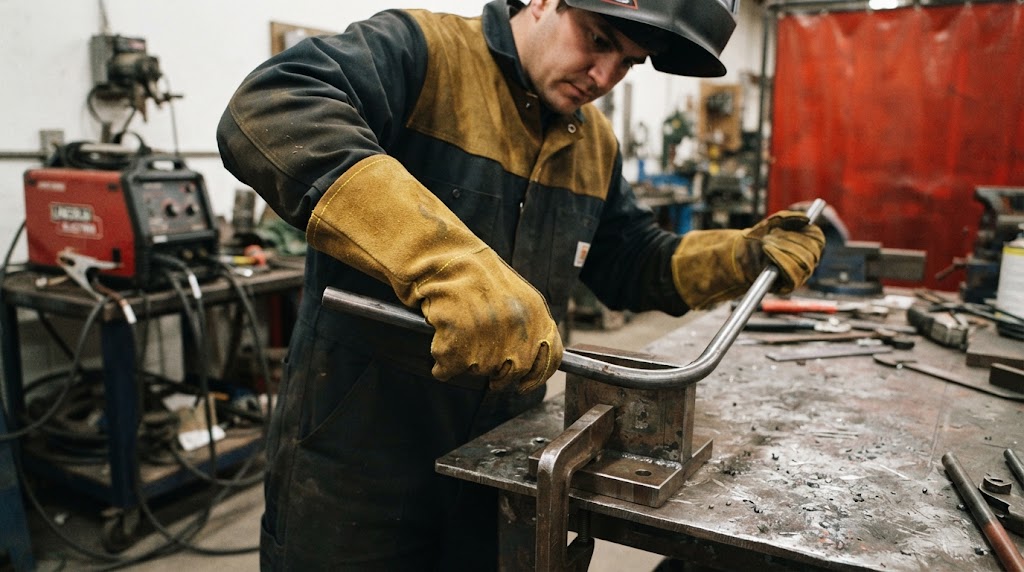
New welding gloves arrive stiff. The fingers do not move where you want them to move, and the first time you hold a TIG torch or try to make a fine adjustment o...
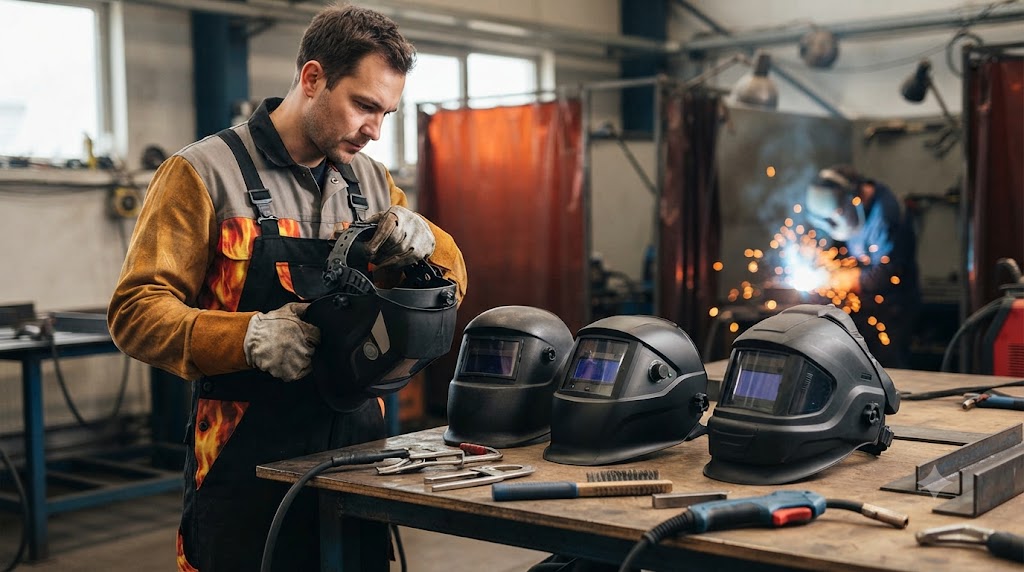
The welding helmet market can overwhelm a first-time buyer, with prices spanning from pocket change to the cost of a decent welder and a wall of specifications...
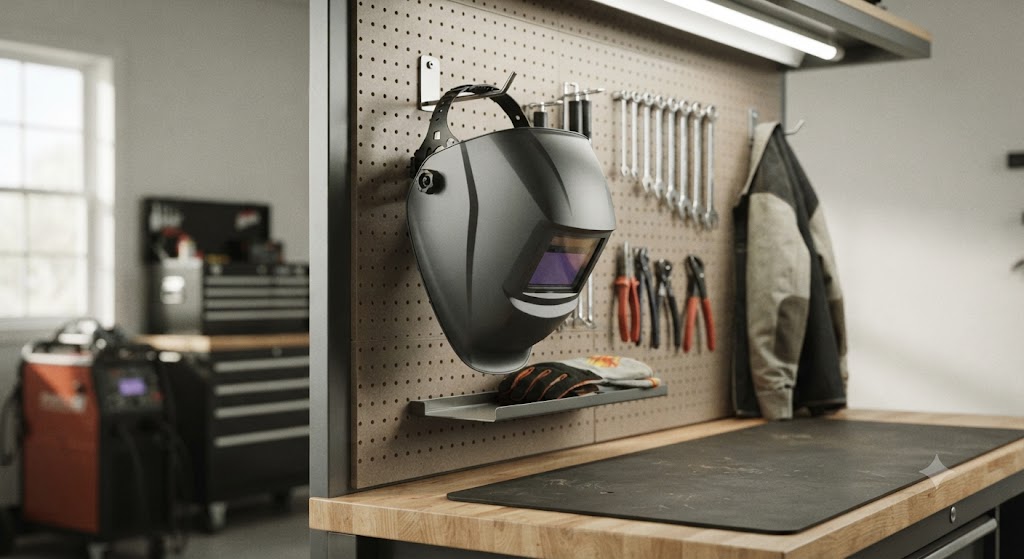
A welding helmet left on the bench gets a wrench laid across the lens. Left on the floor it gets stepped on. Left on a hook without a cover it collects shop dus...
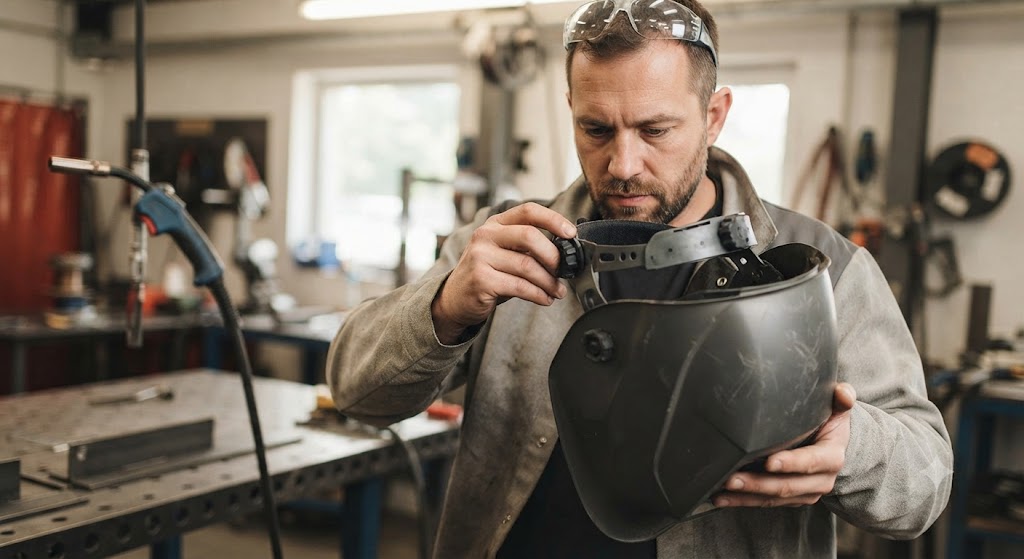
Welding helmet headgear that fits badly causes neck strain and a drifting shell all day. Here is the step-by-step adjustment process for circumference, tilt, and crown straps.
A purpose-built welding cart keeps your welder, gas cylinder, cables, and consumables organized and mobile. A well-designed DIY cart can be built from angle iro...
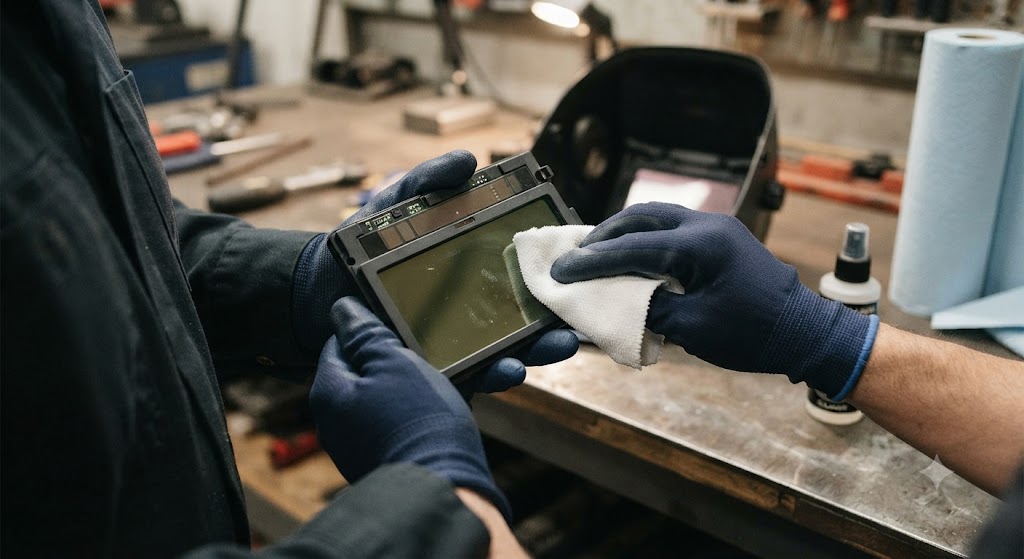
Learn how to clean an auto darkening welding lens without scratching it. Step-by-step guide for cover lens and ADF cleaning, with what not to use and when to replace instead.
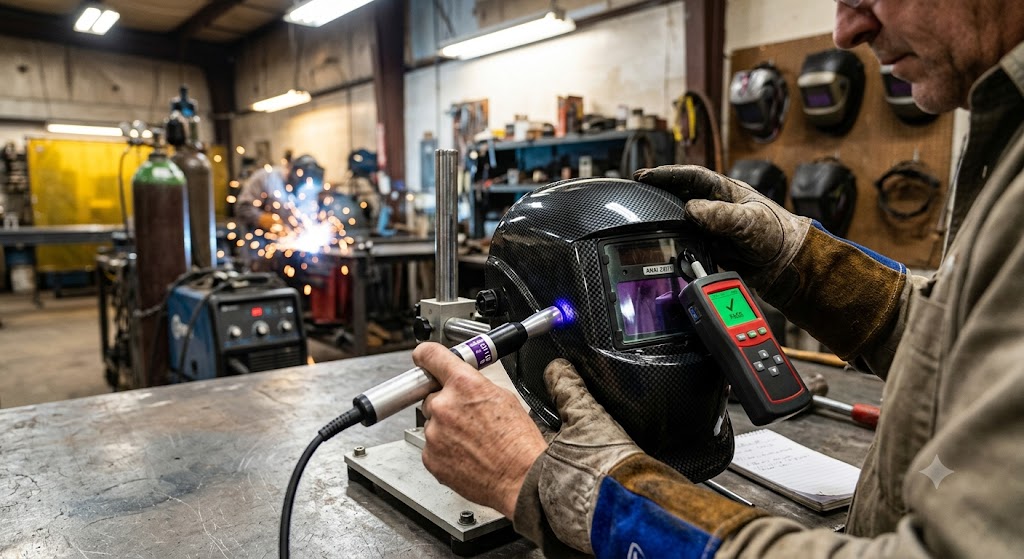
Learn how to test an old welding helmet for ANSI Z87.1 compliance with five field tests, including a light leak test, ADF sensitivity check, and physical inspection.
A welding cap is simple PPE, but there's a right way and a wrong way to wear it - and getting it wrong means reduced protection. Here's the complete guide to pr...